How to Reduce Investment Casting Tooling Costs
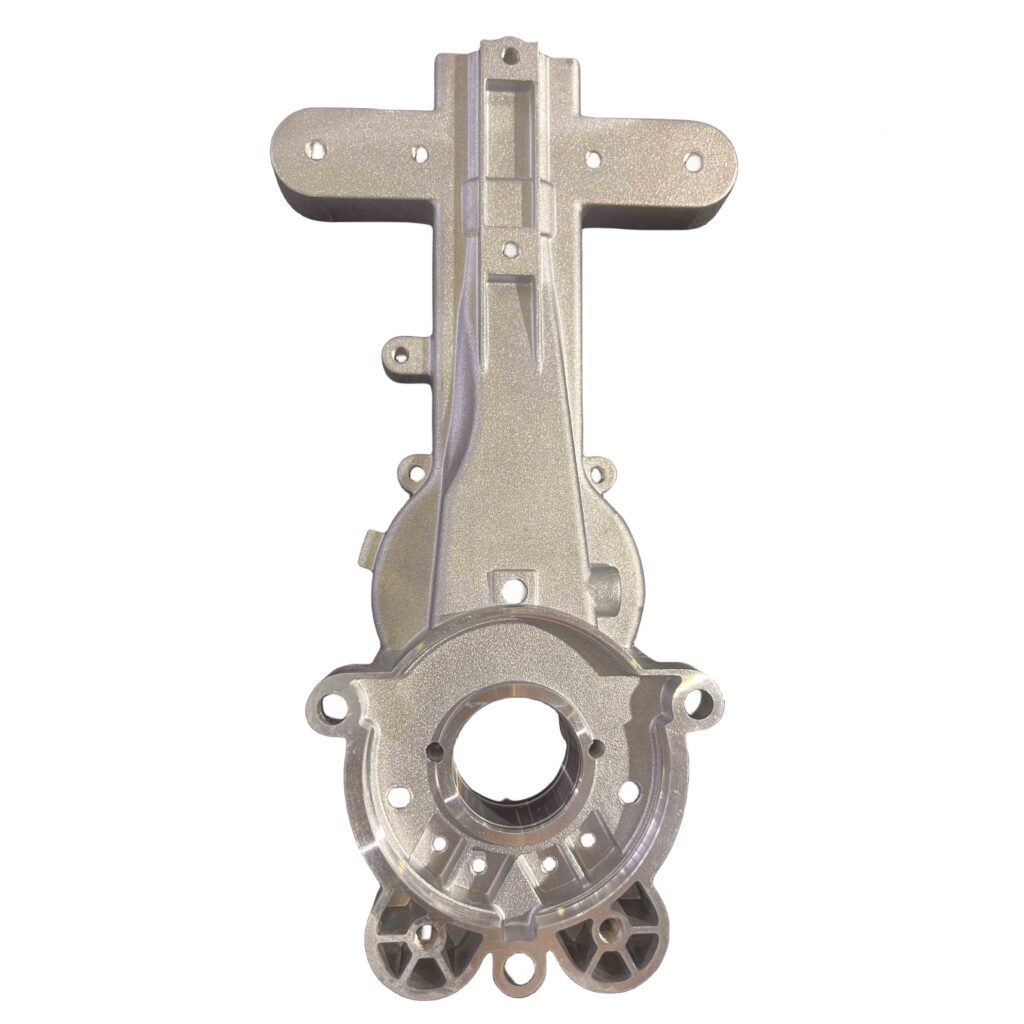
Although investment casting tooling costs are an unavoidable part of custom casting production, they are not fixed. Many factors that influence tooling costs can be optimized during the design and planning stage. By making informed decisions before tooling is manufactured, buyers can reduce initial investment while maintaining product quality and production efficiency. The following […]
What Affects Investment Casting Tooling Costs?
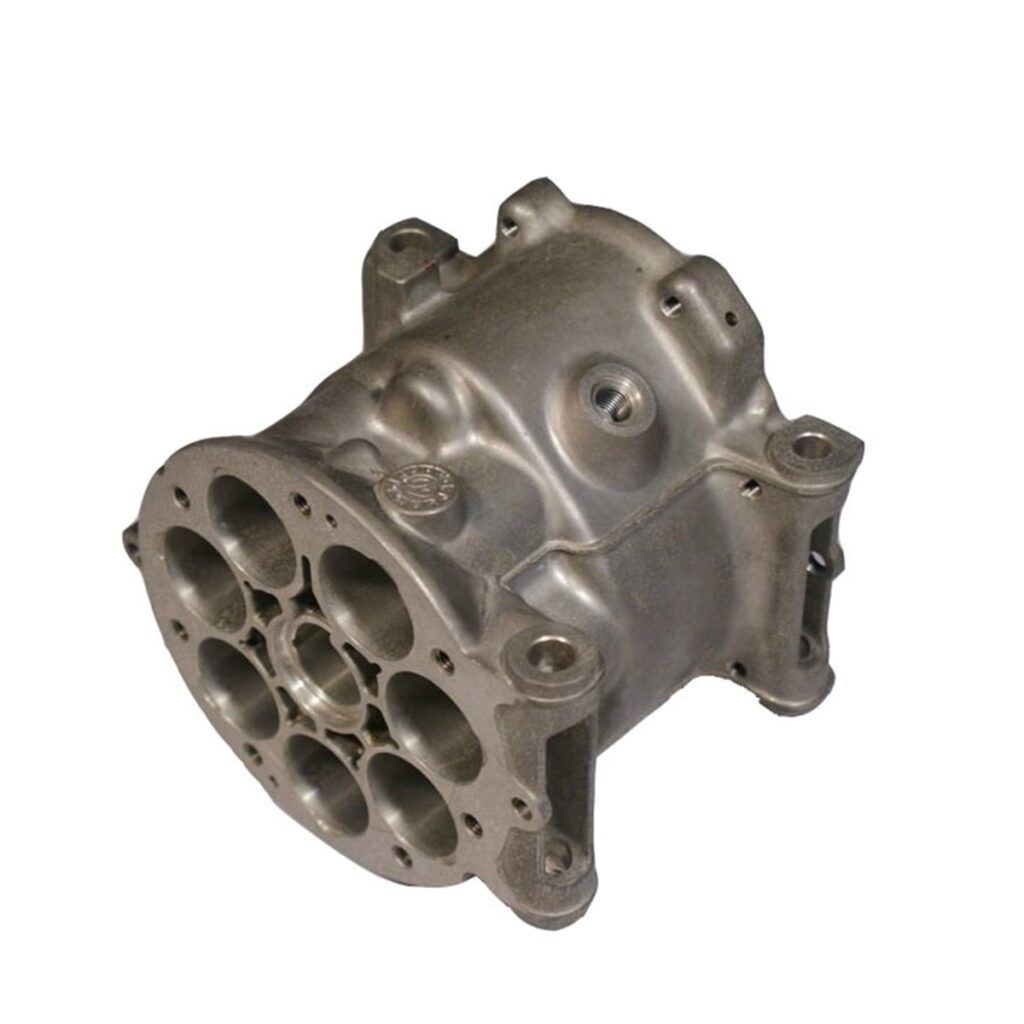
Investment casting tooling costs can vary significantly from one project to another. Some tooling may cost only a few hundred dollars, while others require several thousand dollars or more. The difference is not determined by a single factor but by the combination of part design, tooling requirements, manufacturing complexity, and expected production volume. Understanding […]
Why Tooling Is Custom for Every Project
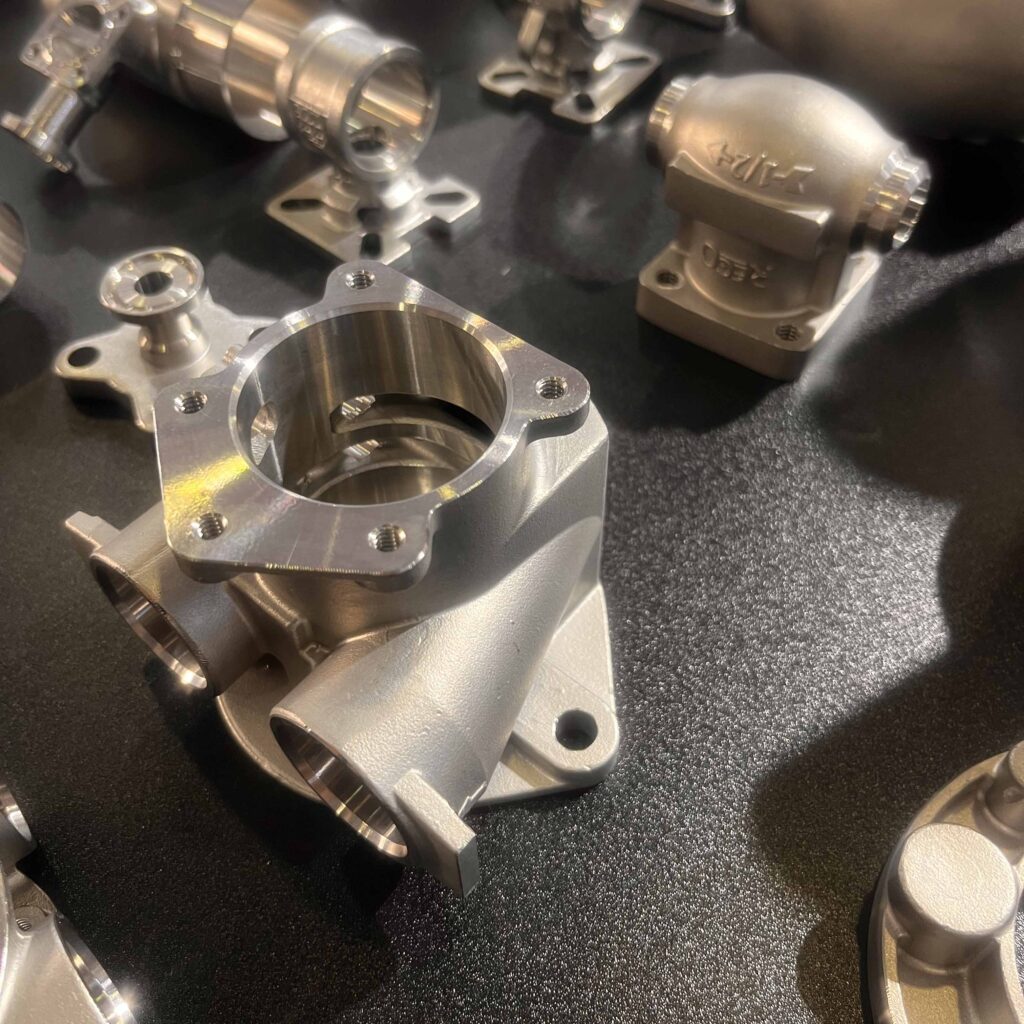
Unlike standard industrial products, most investment castings are manufactured according to customer drawings. This means each new component usually requires its own dedicated tooling. Several factors determine how the tooling is designed, including: Part geometry Overall dimensions Wall thickness Draft angles Production quantity Material shrinkage Even small design changes may require modifications to […]
What Does Investment Casting Tooling Include?
Many buyers assume investment casting tooling refers to a single mold, but a complete tooling system often consists of several components designed to support efficient production. Depending on the complexity of the part, investment casting tooling may include: Wax injection die Core inserts Sliding mechanisms Ejector systems Alignment features Cooling channels The complexity […]
The Role of Tooling in Investment Casting
The primary function of investment casting tooling is to create consistent wax patterns with accurate dimensions and stable quality. During production, molten wax is injected into the tooling cavity under controlled pressure. After cooling, the wax pattern is removed and assembled into a wax tree before moving through the remaining investment casting process. Since […]
What Is Investment Casting Tooling?

Investment casting tooling is the custom mold used to produce wax patterns during the investment casting process. Every wax pattern begins with a precisely manufactured tool, making tooling one of the most important investments in custom casting production. Because the tool determines the shape, dimensions, and repeatability of every wax pattern, it also plays a […]
Which cast iron offers the best wear resistance?
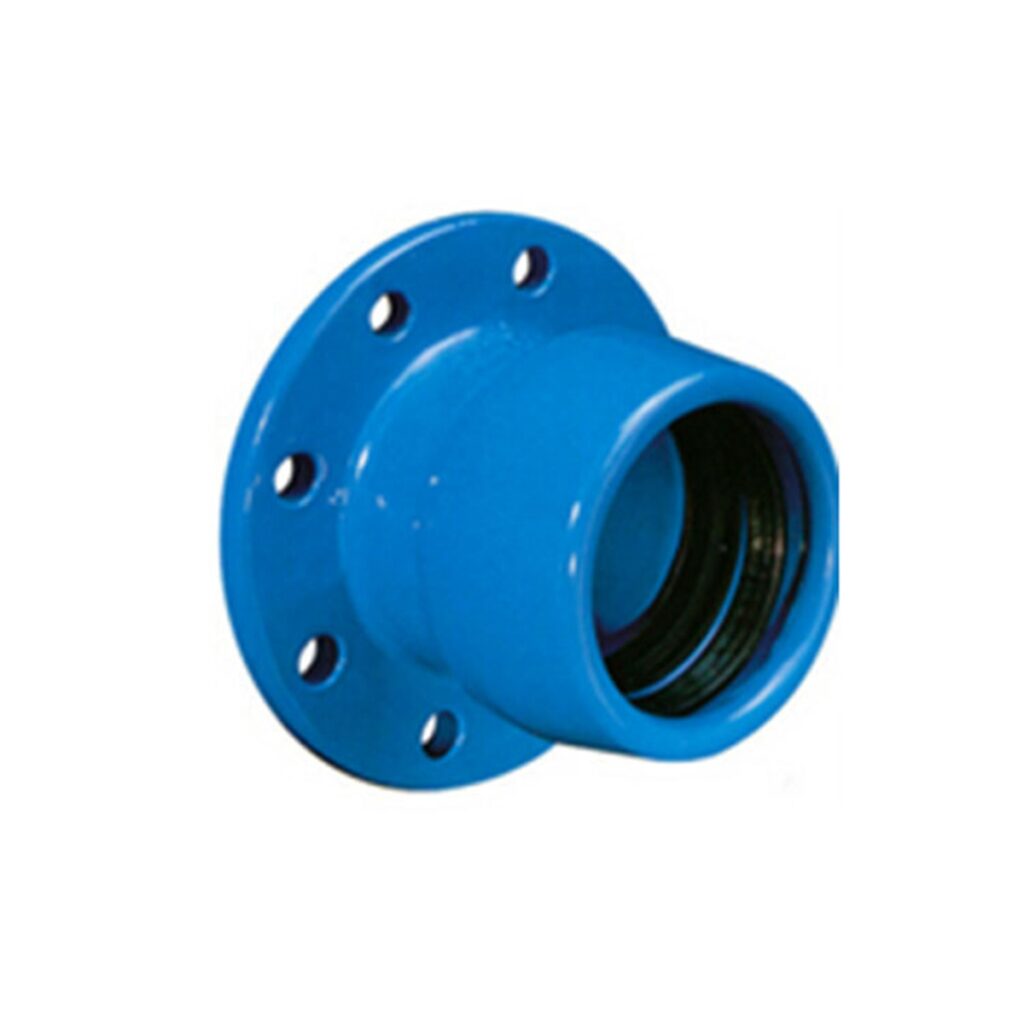
White cast iron is widely recognized for its excellent wear resistance due to its hard carbide-rich microstructure. It is commonly selected for components exposed to severe abrasion where long service life is more important than machinability or impact resistance.
Can cast iron be welded?
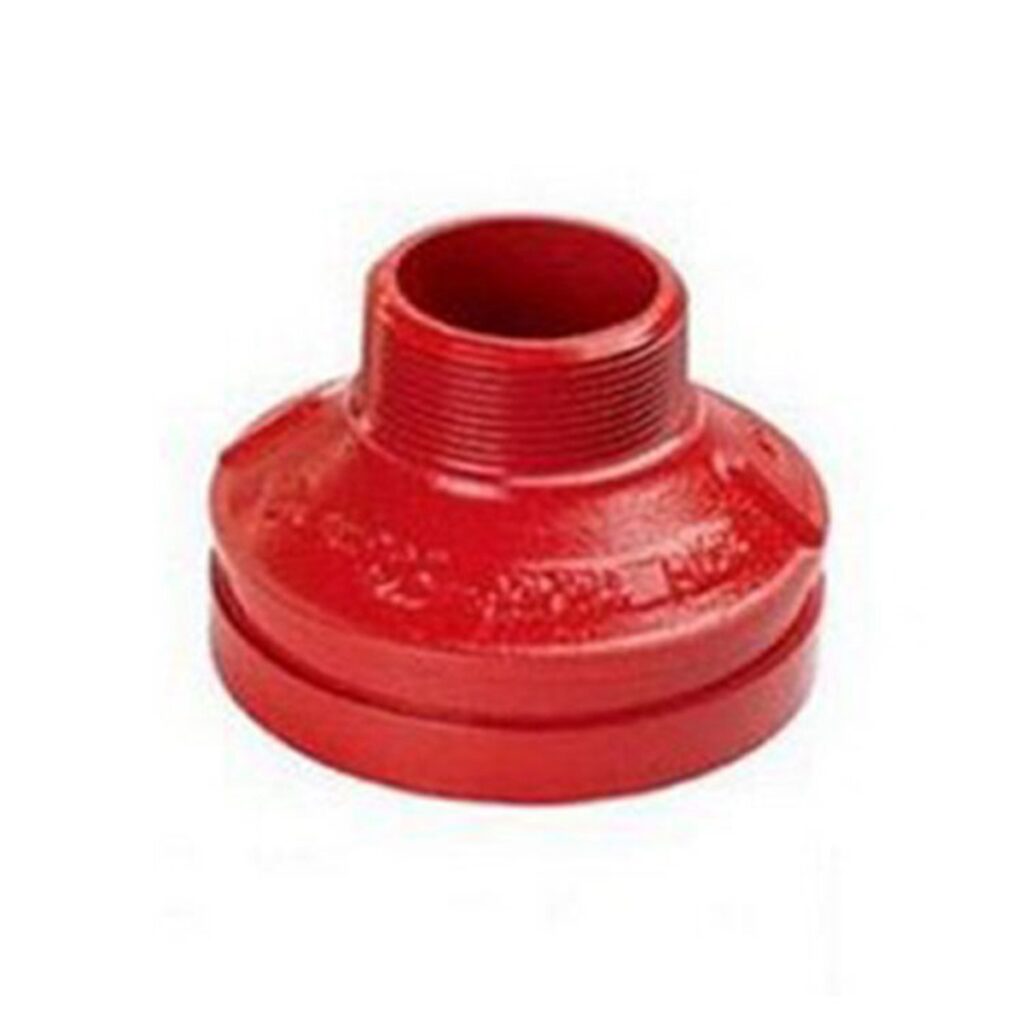
Yes, but welding cast iron can be challenging. Its high carbon content makes it more susceptible to cracking during heating and cooling. Depending on the cast iron grade and the application, preheating, controlled cooling, and specialized welding procedures may be required to achieve satisfactory results.
Which cast iron is the easiest to machine?
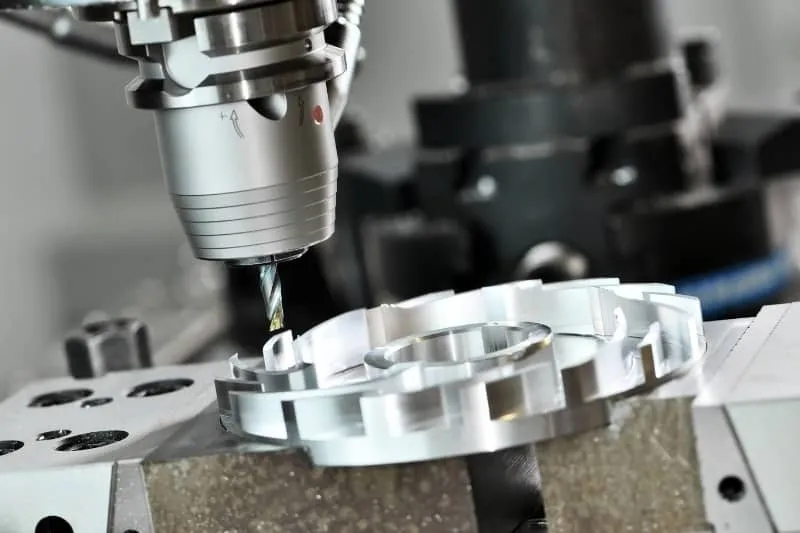
Gray cast iron is generally considered the easiest cast iron to machine. Its graphite flake structure helps break chips during cutting and reduces tool wear, making it a preferred material for components that require extensive machining.
Is cast iron stronger than steel?
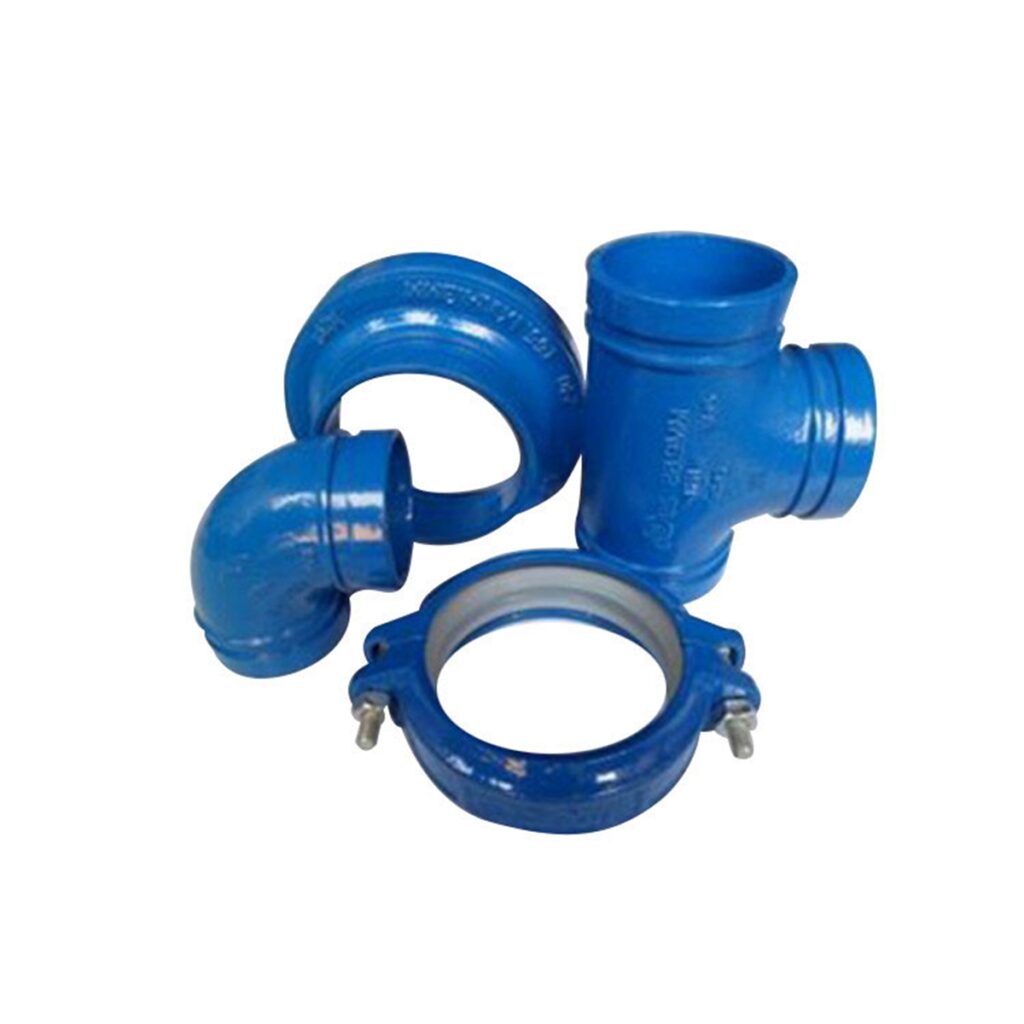
Not necessarily. Steel generally offers higher tensile strength and greater ductility than cast iron. However, cast iron often provides better compressive strength, vibration damping, and casting efficiency. Whether cast iron or steel is the better choice depends on the component’s operating requirements rather than the material itself.