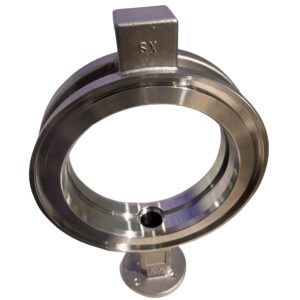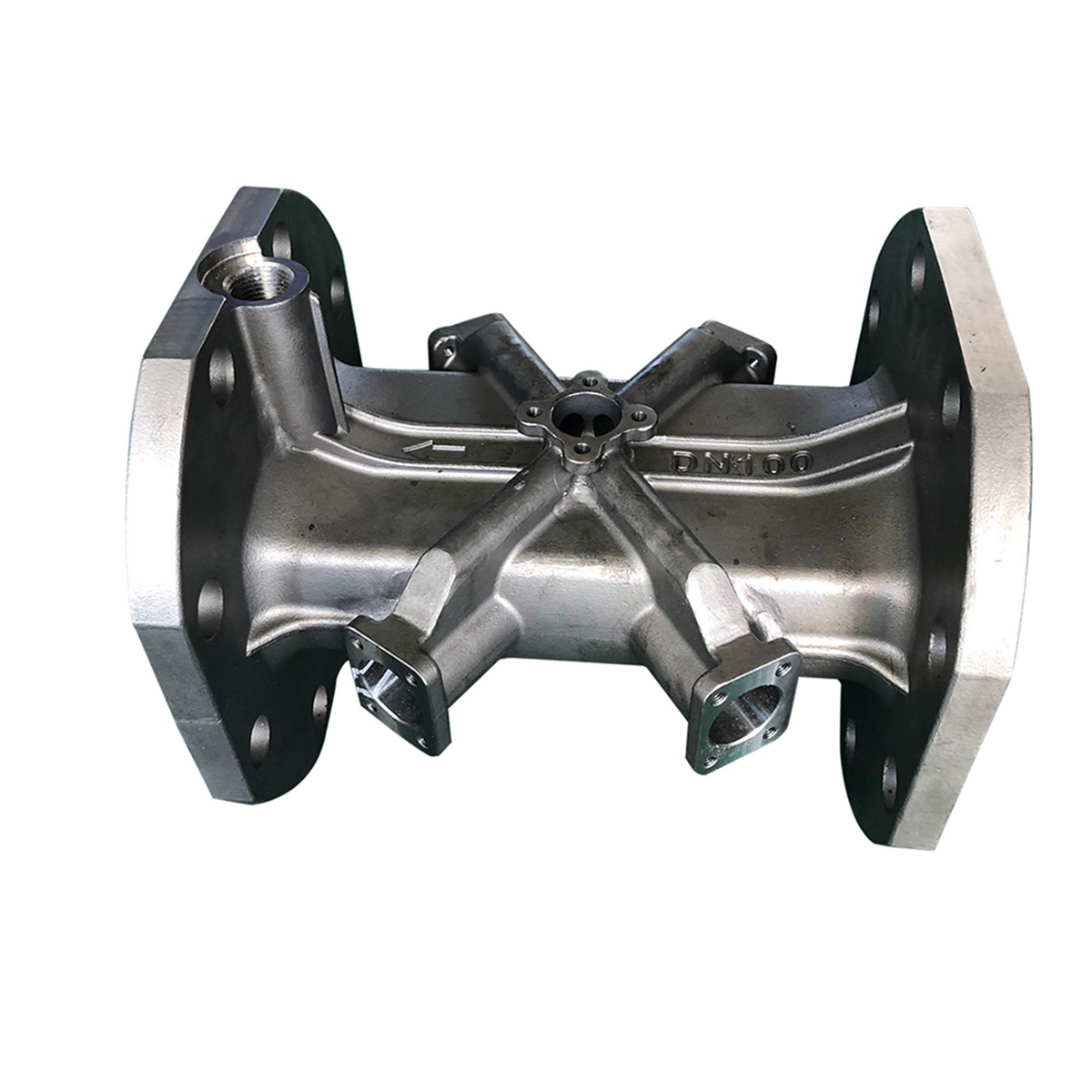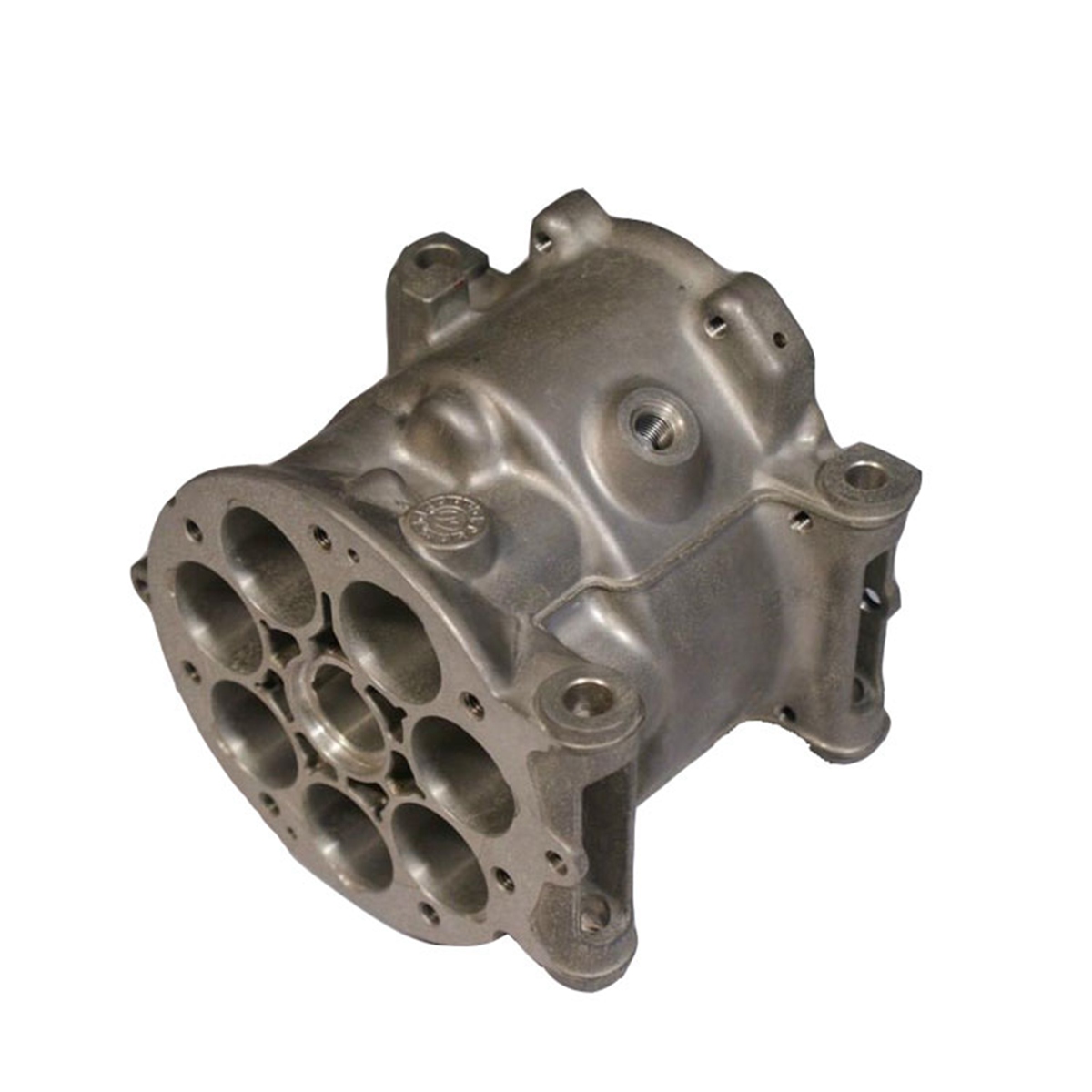
The price of 316L stainless steel for valve castings depends on the complete manufacturing requirement rather than raw material cost alone.
| Cost Factor | How It Affects the Price |
| Material | Chromium, nickel, and molybdenum content influence alloy cost |
| Casting weight | Larger castings require more molten metal |
| Casting process | Investment casting and sand casting have different tooling and production costs |
| Casting complexity | Complex internal passages and difficult geometries increase manufacturing difficulty |
| Heat treatment | Solution heat treatment adds processing and energy costs |
| NDT | PT, RT, PMI, and additional testing increase inspection costs |
| CNC machining | Tight tolerances and complex sealing surfaces increase machining time |
| Order quantity | Tooling and setup costs can be distributed across larger production quantities |
For this reason, the lowest unit price does not always represent the lowest total procurement cost.
When purchasing 316L stainless steel for valve castings, buyers should compare material compliance, casting quality, machining scope, inspection requirements, and manufacturing capability together with price. A lower-cost casting can become more expensive if it results in excessive machining allowance, rejected parts, leakage, rework, or production delays.
The most effective purchasing decision is therefore based on the total value of the finished valve component, not simply the price per kilogram of the casting.