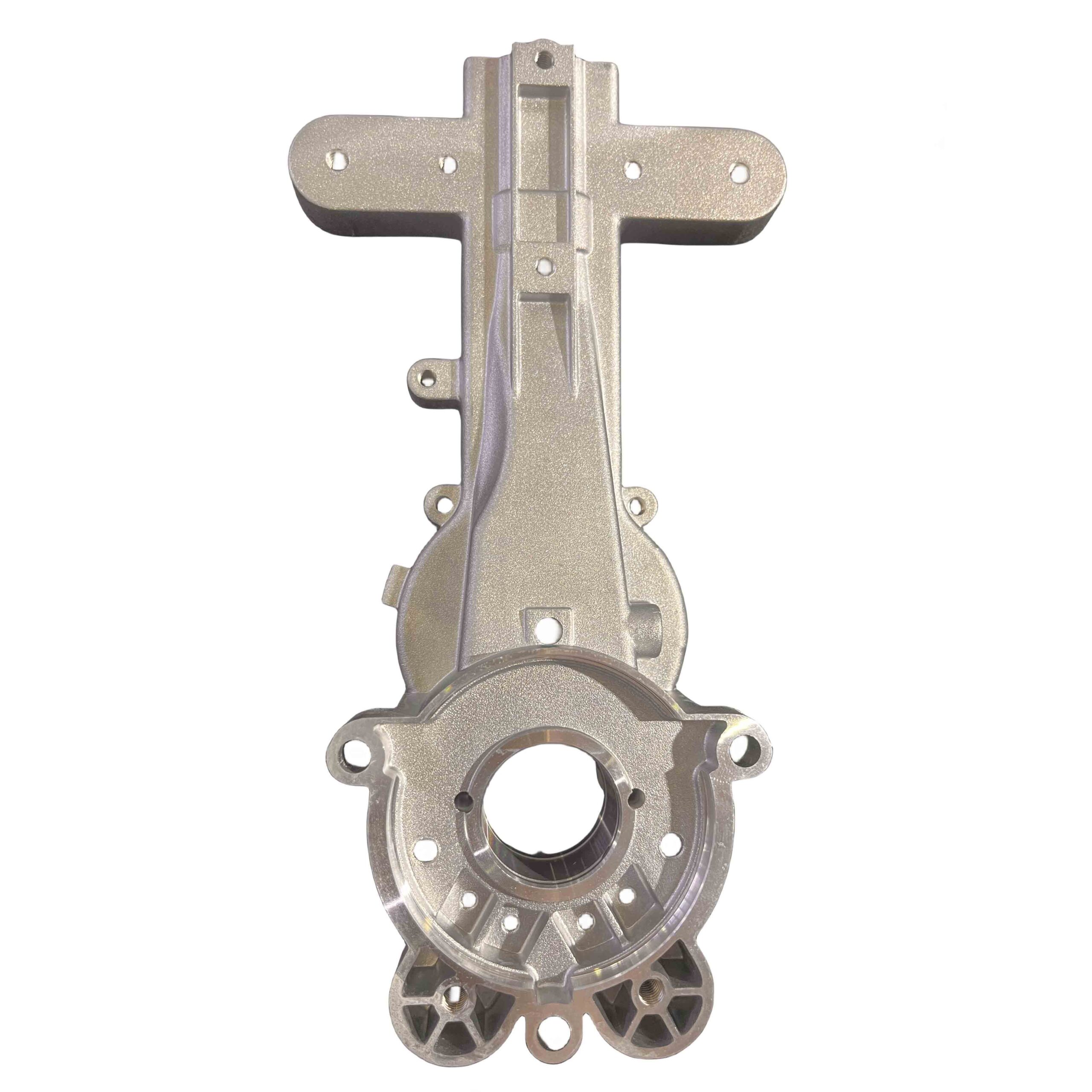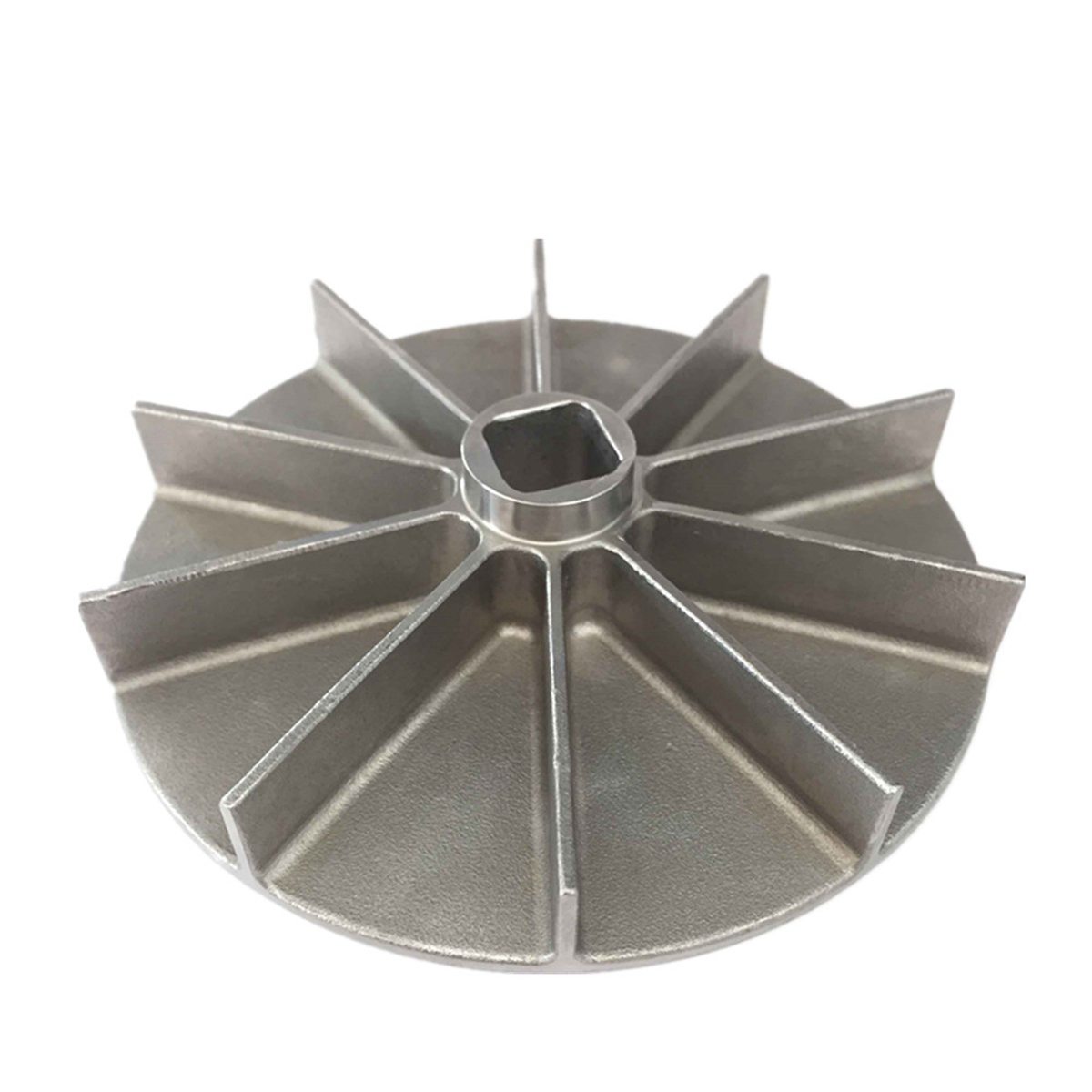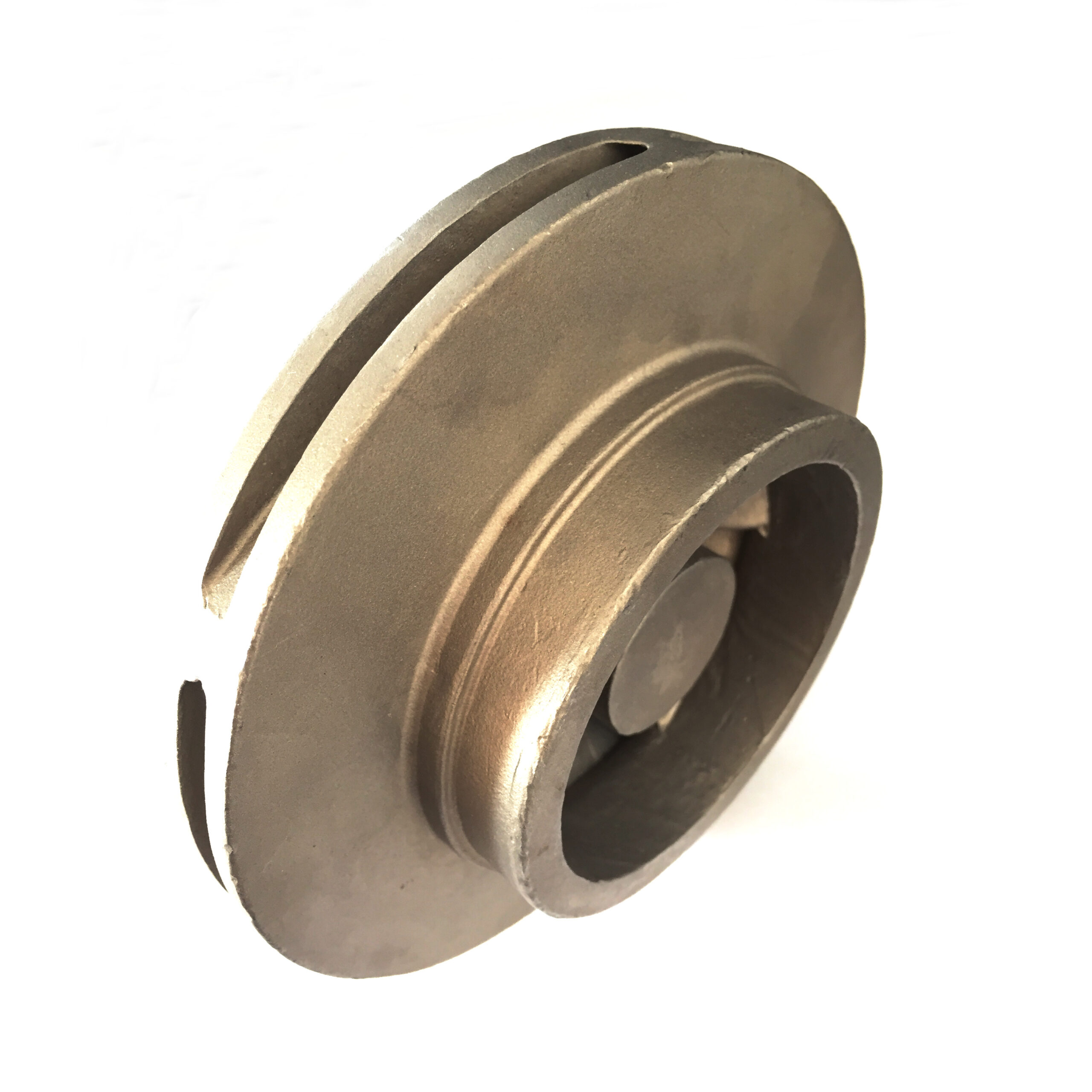
316L stainless steel for valve castings is mainly selected for its balance of corrosion resistance, mechanical reliability, and manufacturability. For valves exposed to water, chemicals, process fluids, or other corrosive media, these properties can provide longer service life than less corrosion-resistant materials.
Corrosion Resistance
Corrosion resistance is the primary reason for choosing 316L stainless steel for valve castings.
The chromium content enables a thin passive oxide film to form on the stainless steel surface. If the surface is damaged under suitable conditions, this protective layer can reform, helping the material resist general corrosion.
Molybdenum provides an additional advantage. It improves resistance to localized corrosion, particularly pitting and crevice corrosion. This is important for valves because areas around seats, gaskets, flanges, and internal cavities may retain fluids or create conditions where localized corrosion can develop.
The low carbon characteristic also helps reduce susceptibility to intergranular corrosion associated with sensitization after certain thermal exposures.
Good Weldability and Machinability
316L stainless steel for valve castings also provides practical manufacturing advantages.
Valve castings often require substantial machining after casting. Flange faces, sealing surfaces, stem holes, bolt holes, threads, and valve seats may all require precision machining to achieve the specified dimensions and surface finish.
The low-carbon composition is also beneficial when welding is required. It reduces the risk of chromium carbide precipitation compared with higher-carbon grades, making 316L-type materials suitable for components where welding or qualified weld repair may be involved.
Strength, Toughness, and Service Life
Valve bodies are pressure-containing components. They must withstand internal pressure, operating loads, temperature changes, and repeated service conditions without losing structural integrity.
316L stainless steel for valve castings combines corrosion resistance with good ductility and toughness. This combination is valuable because corrosion resistance alone is not enough for a pressure-containing valve component. The casting must also maintain adequate mechanical properties throughout its intended operating conditions.
When the correct casting grade, heat treatment, and manufacturing controls are applied, 316L-type stainless steel valve castings can provide reliable service in many chemical processing, petrochemical, water treatment, and general industrial fluid-handling applications.
Limitations of 316L Stainless Steel for Valve Castings
316L stainless steel is corrosion resistant, but it is not corrosion proof.
High chloride concentrations, elevated temperatures, stagnant solutions, aggressive chemicals, and certain combinations of tensile stress and corrosive media can increase the risk of pitting, crevice corrosion, or stress corrosion cracking.
This is particularly important in seawater and other chloride-rich environments. 316L stainless steel for valve castings should not automatically be specified simply because an application involves corrosion. More severe conditions may require duplex stainless steel or another higher-alloy material.
For this reason, the final material selection should consider the actual medium, concentration, operating temperature, pressure, flow conditions, and required service life. The main advantage of 316L stainless steel for valve castings is not universal corrosion resistance, but its effective balance of corrosion resistance, mechanical performance, and manufacturability across a broad range of industrial valve applications.