How to Choose the Right Cast Iron Type
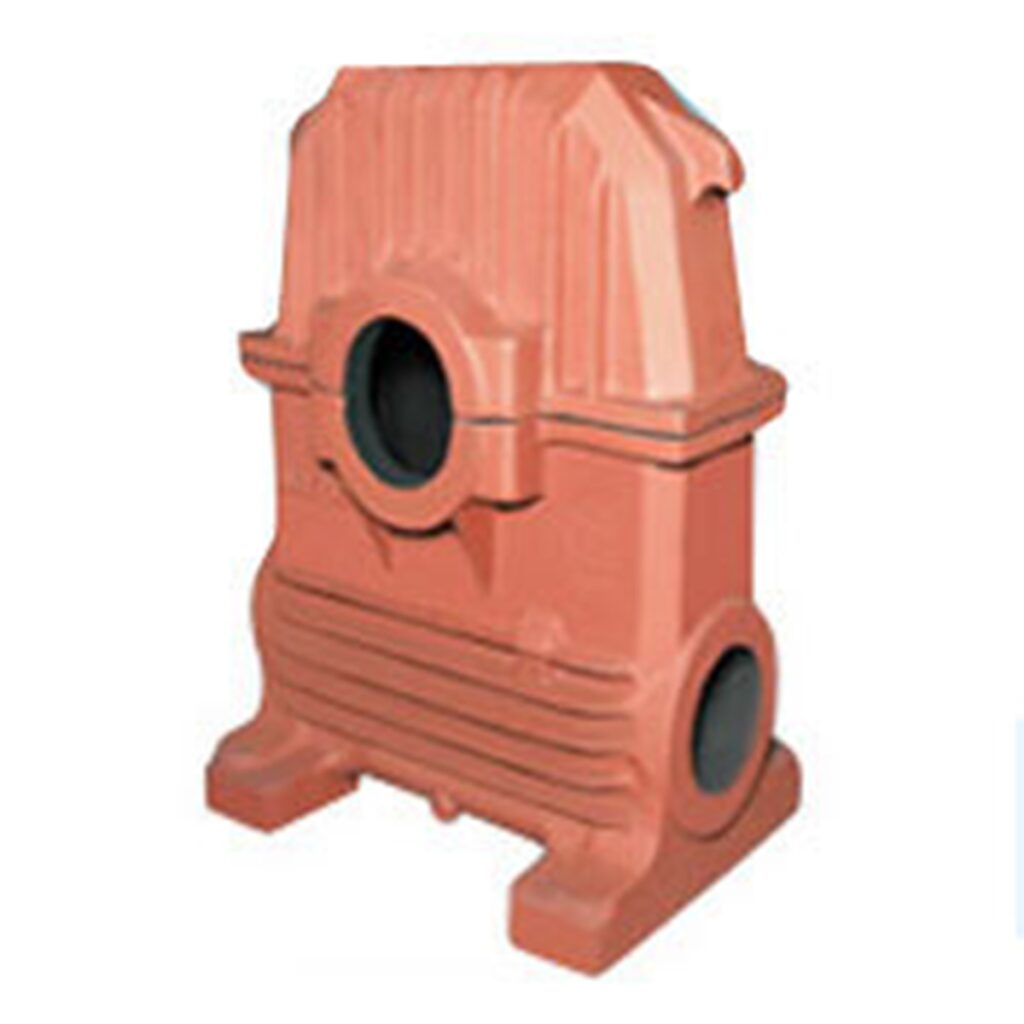
Choosing the right cast iron isn’t about finding the strongest or the least expensive material. It’s about selecting a material that matches your product’s performance requirements, manufacturing process, and budget. Before making a decision, it’s worth taking a closer look at how your component will actually be used. Consider the Working Environment Start by […]
Typical Applications of Different Cast Iron Types
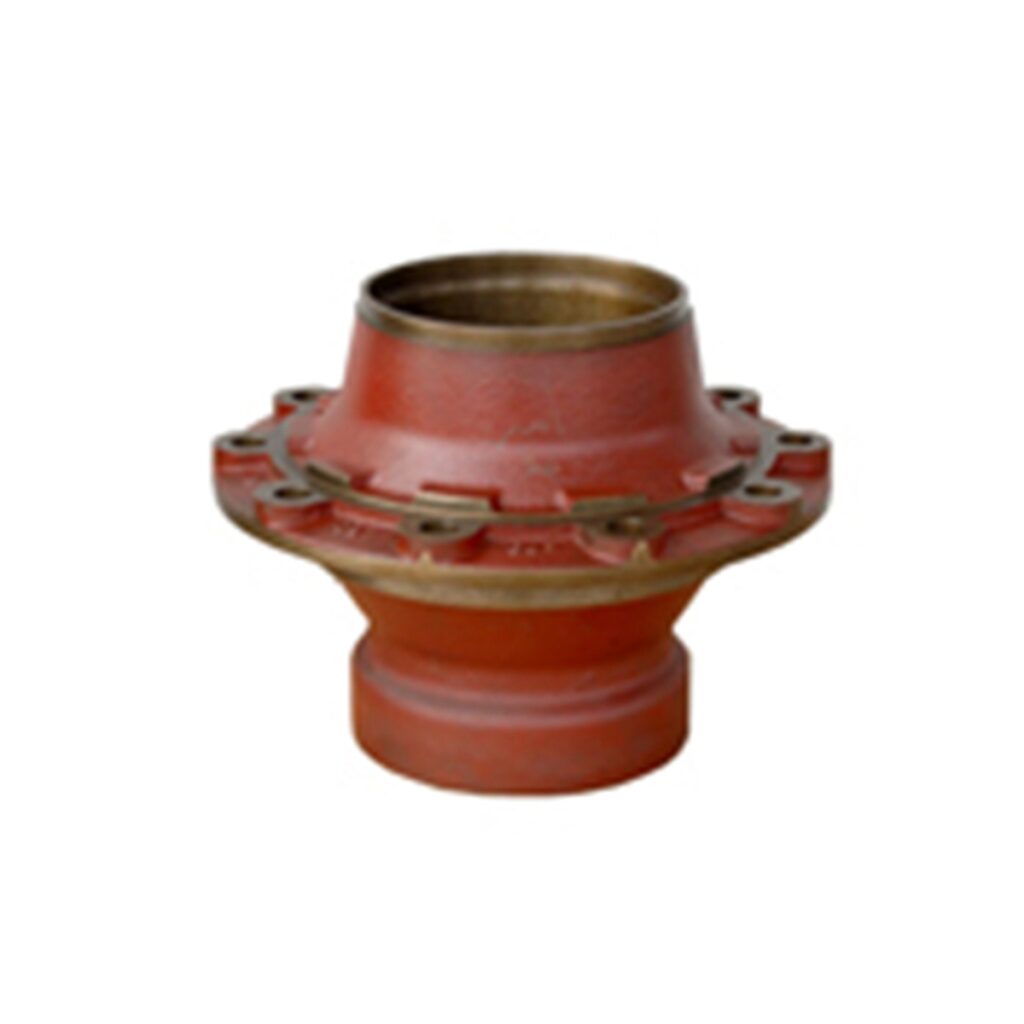
In manufacturing, material selection is closely linked to how a component will perform in service. Factors such as strength, wear resistance, vibration control, and production cost all influence which cast iron type is chosen. Gray Cast Iron If your component requires excellent vibration damping and easy machining, gray cast iron is often the preferred […]
Cast Iron Types Comparison
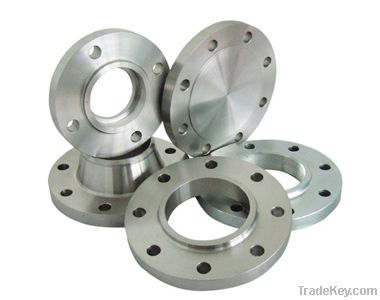
Every material is developed to achieve a different balance of strength, machinability, wear resistance, toughness, and production cost. The right choice depends on what matters most for your specific project. The table below provides a quick comparison of the most important characteristics. Cast Iron Type Strength Machinability Wear Resistance Ductility Relative Cost Gray Cast Iron […]
Common Cast Iron Types in Manufacturing
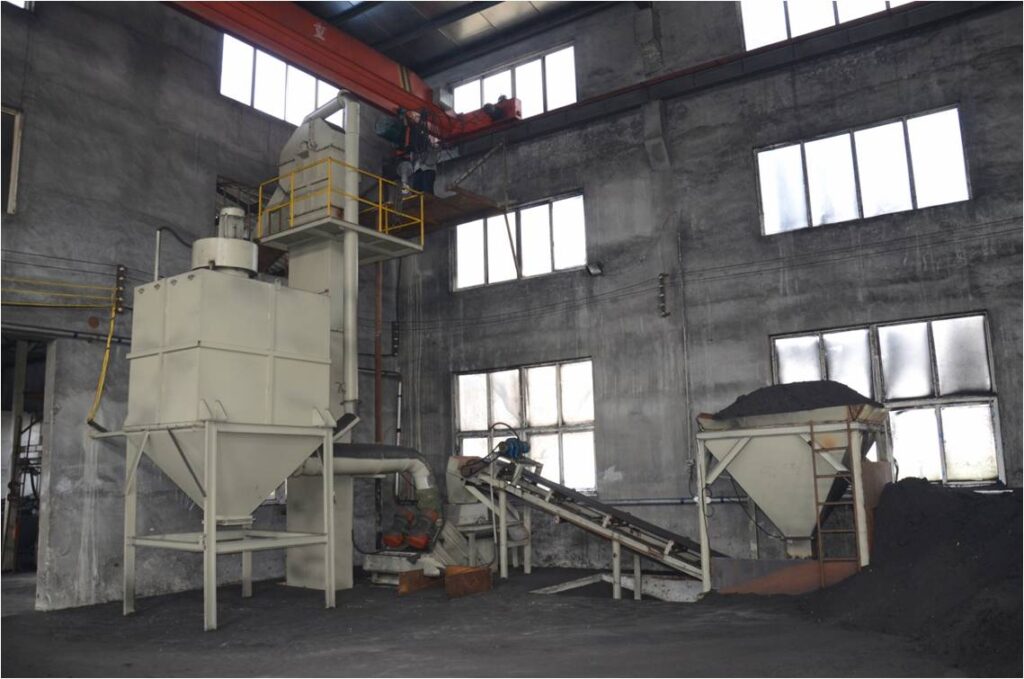
In manufacturing, different cast iron grades are developed to achieve different mechanical properties, production characteristics, and performance requirements. Choosing the right material starts with understanding what makes each type unique. Gray Cast Iron Gray cast iron is one of the most widely used cast iron types in manufacturing. It contains graphite in the form […]
What Is Cast Iron?
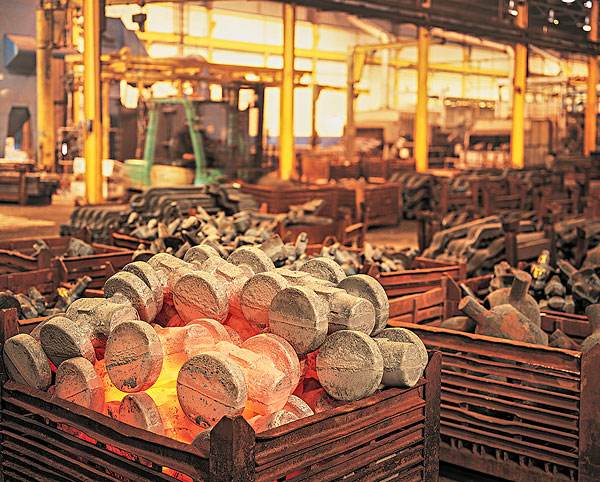
When you work with metal components, choosing the right material is one of the most important decisions you will make. Cast iron has been widely used in manufacturing for hundreds of years because it offers an excellent balance of performance, manufacturability, and cost. Simply put, cast iron is an iron-carbon alloy with a carbon […]
Drilling Advantages & Limitations
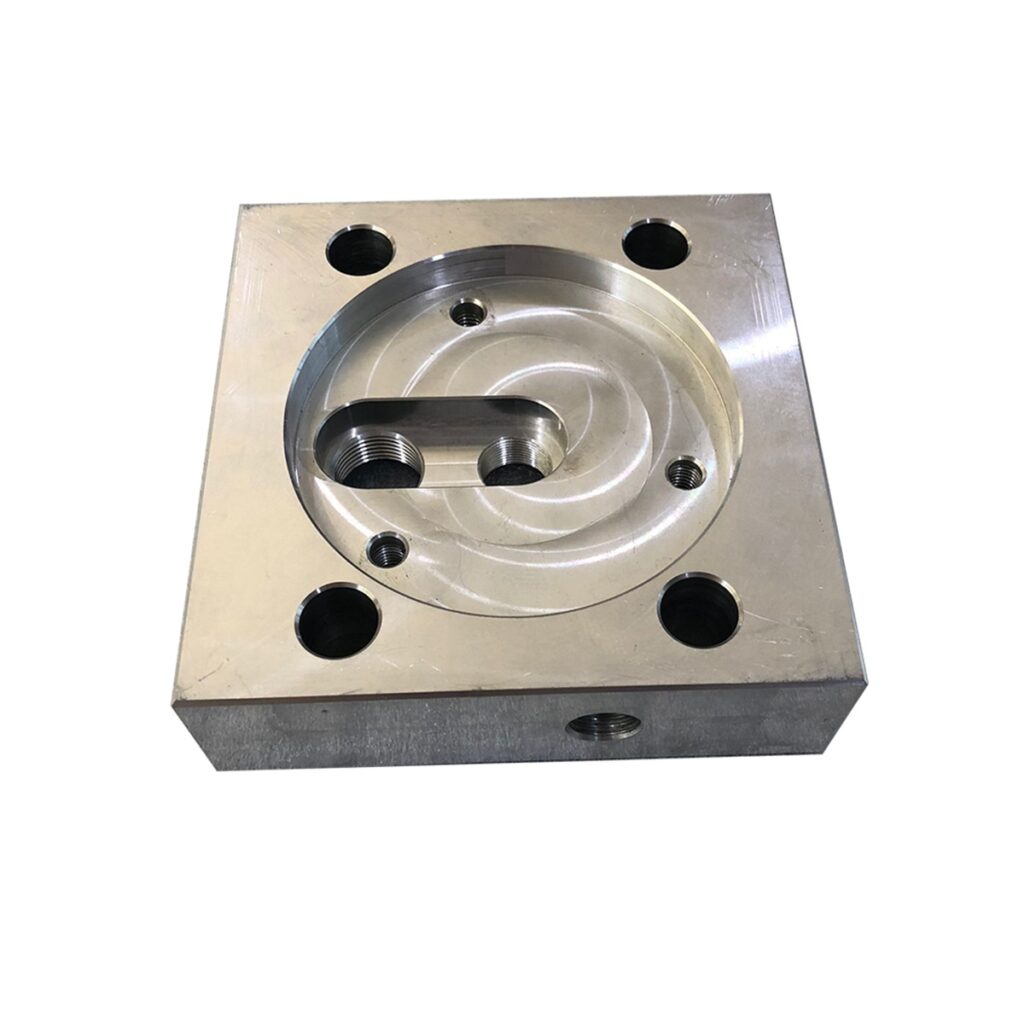
High Speed for Hole Production Drilling is extremely efficient when it comes to producing holes. The process is fast and straightforward, making it ideal for applications that require large volumes of identical holes. Low Cost and High Efficiency Compared to milling, drilling involves lower equipment costs and simpler operations. This makes it a cost-effective […]
Milling Advantages and Limitations
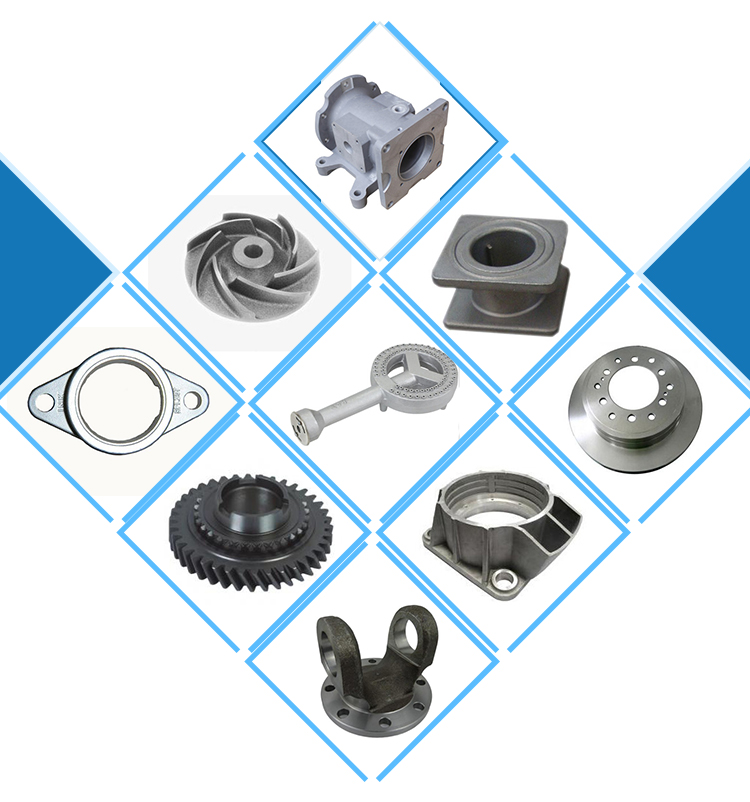
Advantages High Precision Capability Milling is known for its ability to achieve very tight tolerances. Advanced CNC milling machines can consistently maintain high dimensional accuracy, making them suitable for precision-critical components. This level of control is essential in industries where even small deviations can affect performance. Ability to Machine Complex Geometries One of the […]
Milling vs Drilling: Precision and Tolerance Difference
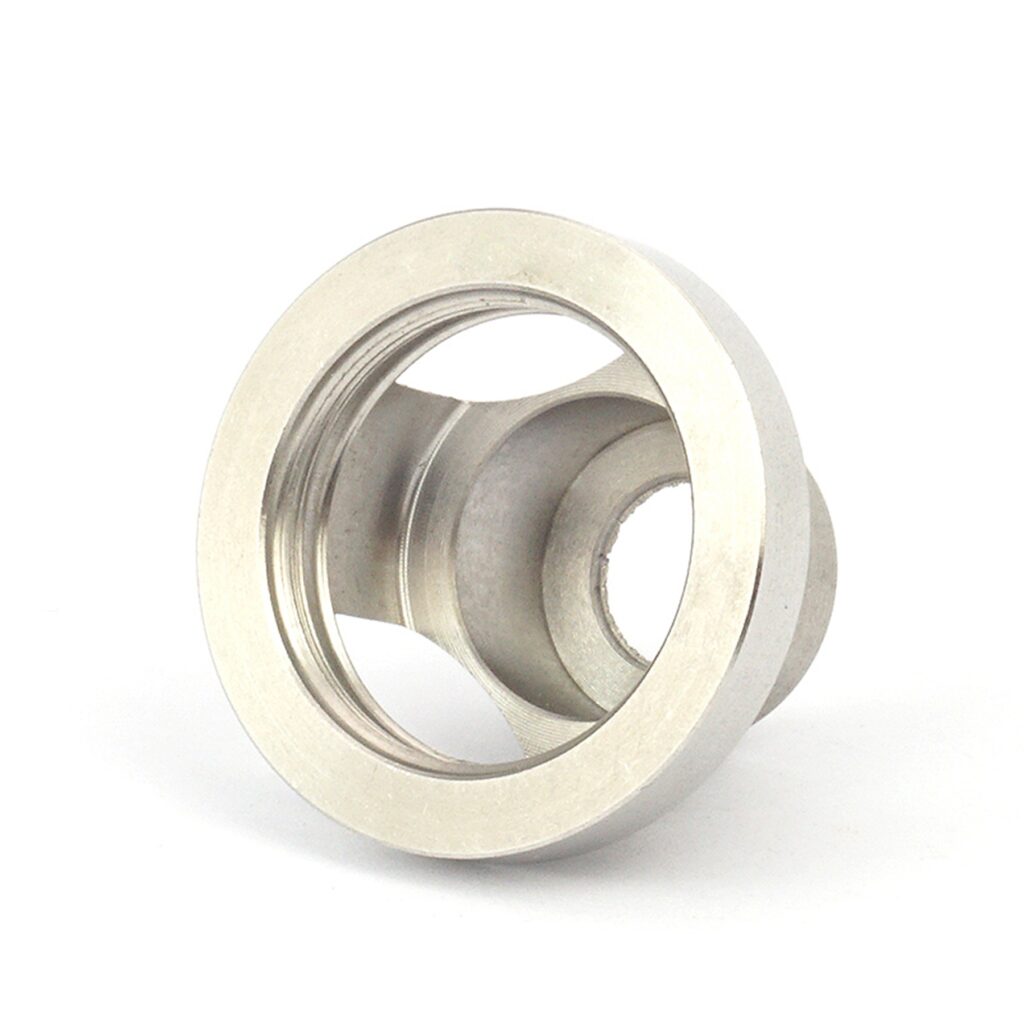
Precision is a key consideration in Milling vs Drilling. Milling can achieve high precision, often within ±0.01 mm or better. It is suitable for parts requiring tight tolerances and high-quality surface finishes. Drilling generally provides moderate precision. Factors such as tool deflection and heat can affect accuracy, often requiring secondary operations like reaming […]
Milling vs Drilling: Tool Structure Difference
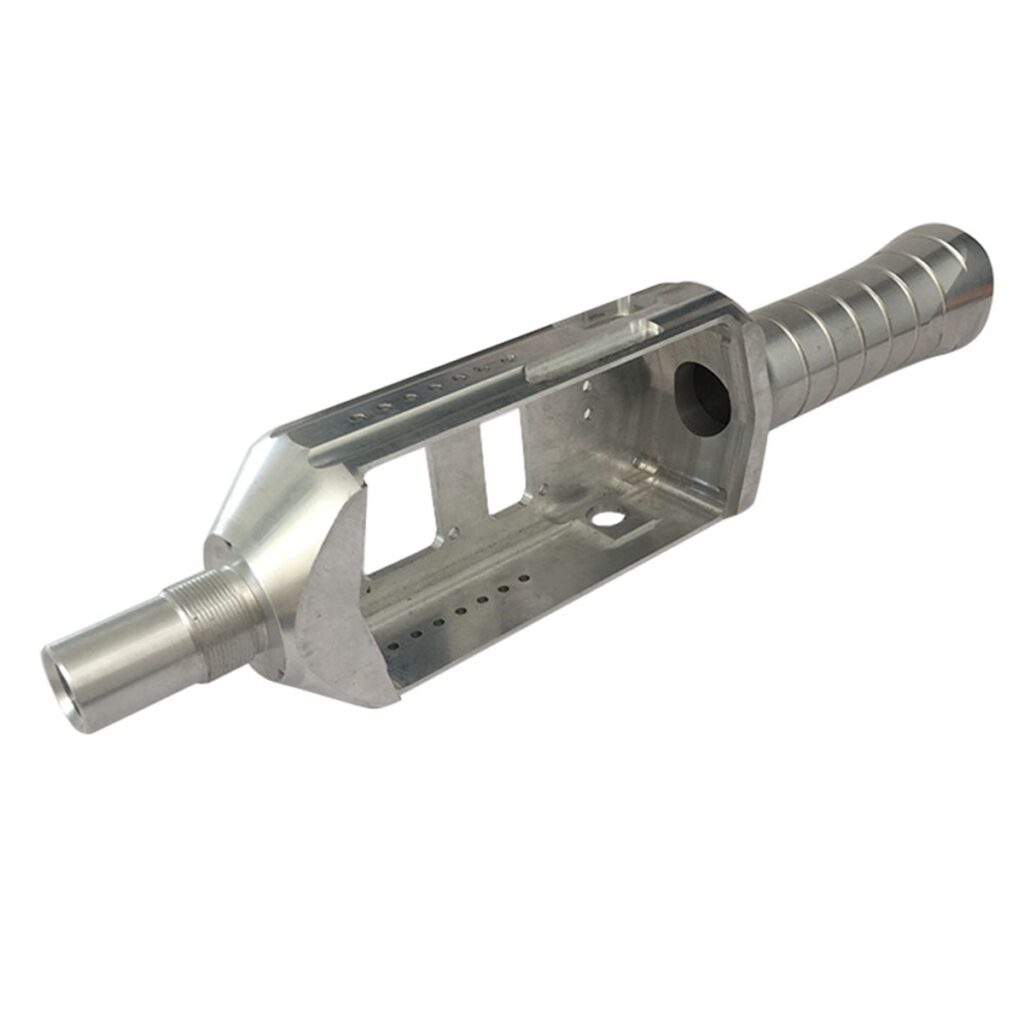
Tool design further highlights the contrast in Milling vs Drilling. Milling cutters are multi-edge tools with cutting edges distributed along both the circumference and the end face. This allows them to perform various cutting actions in different directions. Drill bits typically have two main cutting edges and are designed specifically for axial cutting. […]
Milling vs Drilling: Machining Capability Difference
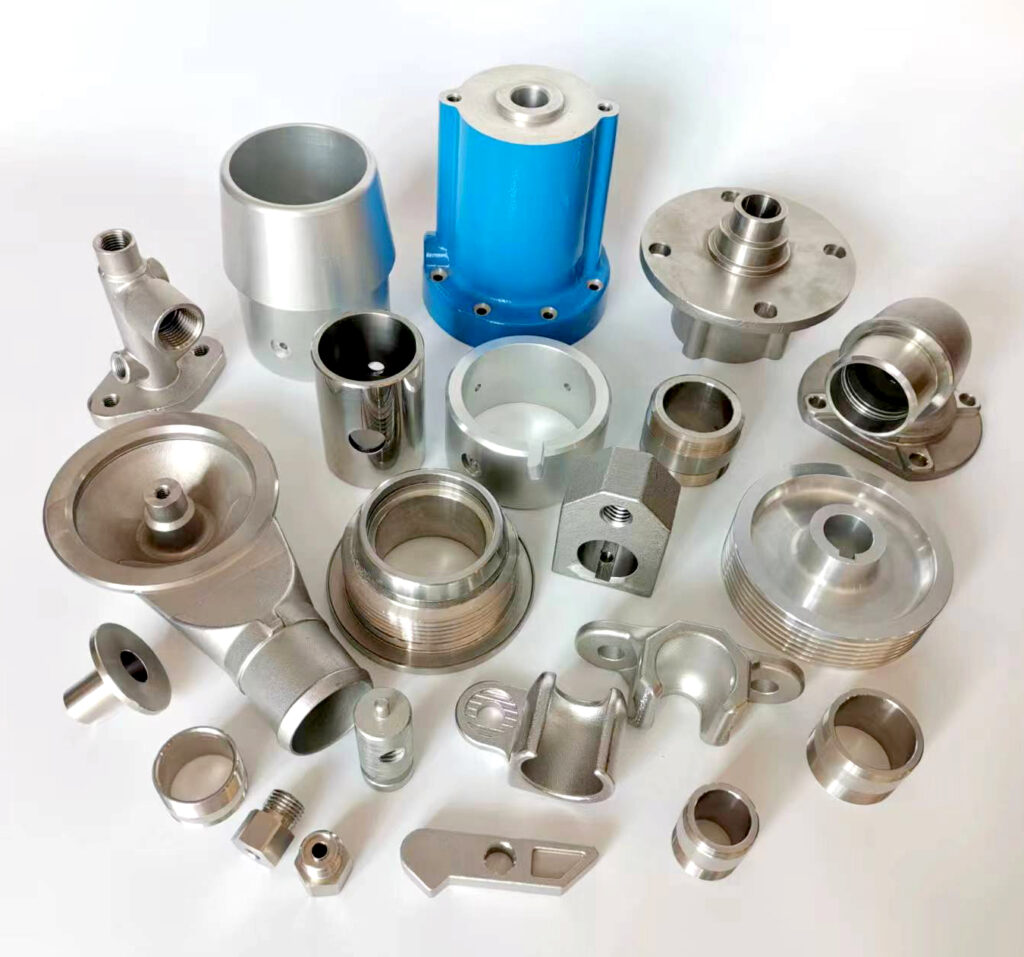
Machining capability is one of the most significant differences in Milling vs Drilling. Milling is a highly versatile process capable of producing flat surfaces, curved profiles, slots, pockets, and complex 3D geometries. It is essential in industries that require precision and intricate designs. Drilling is limited to creating holes, either through holes or blind holes. […]