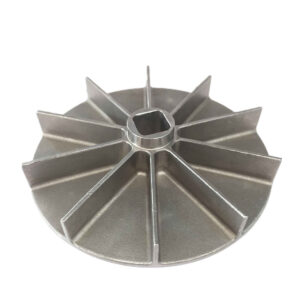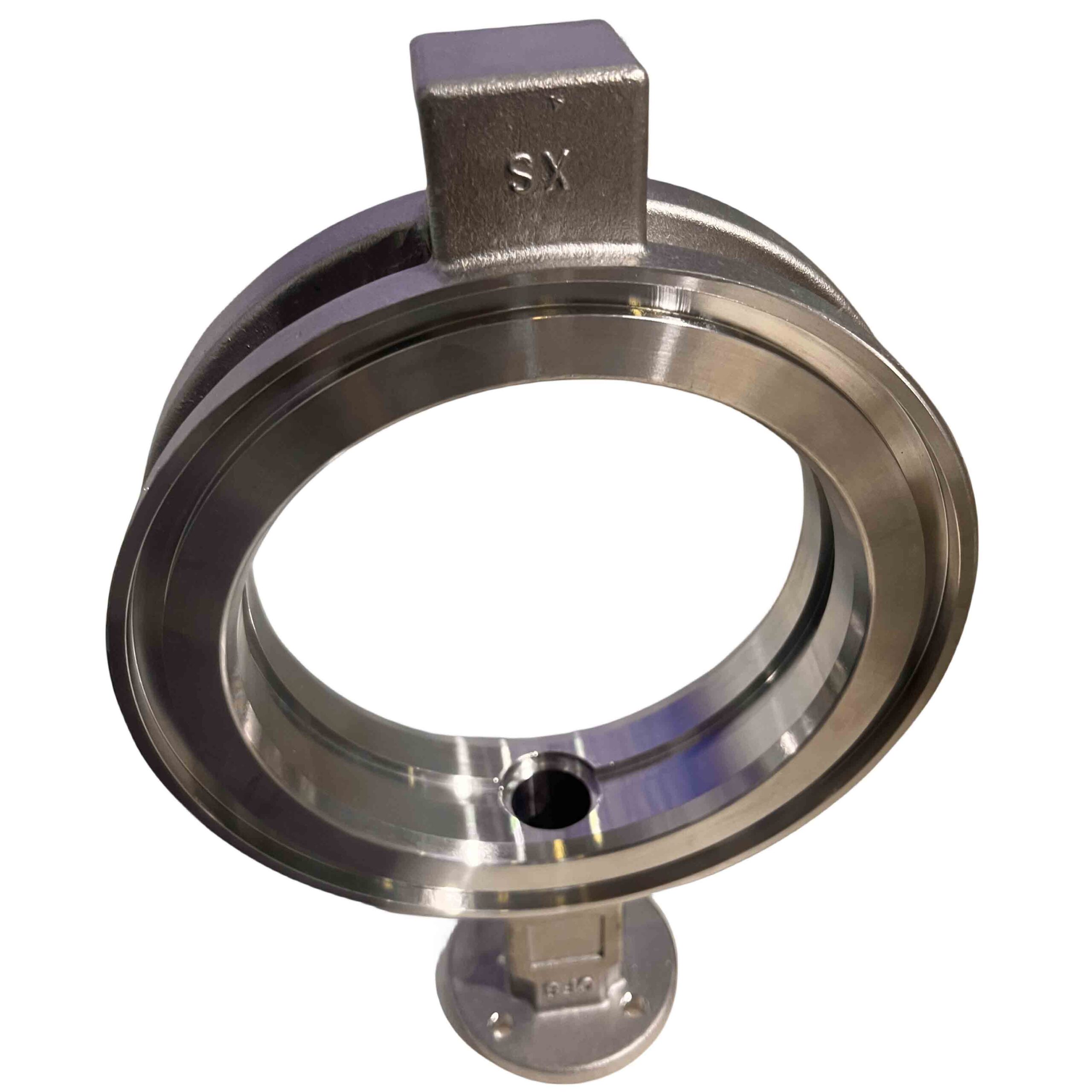
For buyers developing a new product, paying for tooling can seem like a significant upfront expense. However, investment casting tooling costs should not be evaluated in isolation. The real question is whether the tooling investment creates long-term value by reducing production costs, improving part quality, and increasing manufacturing efficiency.
In many cases, investment casting tooling costs are quickly recovered through lower unit prices, reduced machining, and consistent production quality. Whether the investment is worthwhile depends on the product design, expected production volume, and overall manufacturing objectives.
Best for Medium- and High-Volume Production
Investment casting is particularly cost-effective when the same component will be produced repeatedly.
Because investment casting tooling costs are generally paid only once, the tooling investment is spread across every part manufactured. As production volume increases, the tooling cost allocated to each component becomes significantly lower.
For products with long production runs, investment casting often provides better overall value than manufacturing methods that require extensive machining or fabrication.
Ideal for Complex Parts
Parts with complex geometries are another situation where investment casting tooling costs are often justified.
Components with features such as:
Thin walls
Internal passages
Complex contours
Multiple mounting features
Near-net-shape designs
can usually be produced more efficiently through investment casting than by machining the same part from solid metal.
Although the initial tooling investment is higher, the reduction in machining time and material waste often results in lower total manufacturing costs.
Helps Reduce Secondary Machining
Investment casting is well known for producing near-net-shape components with excellent dimensional accuracy and surface finish.
As a result, many features can be cast directly into the part, reducing the amount of machining required after casting.
Less machining can provide several benefits:
Lower production costs
Shorter manufacturing lead times
Reduced material waste
Improved dimensional consistency
These long-term savings often outweigh the initial investment casting tooling costs.
Not Always the Best Choice
Investment casting is not the ideal solution for every project.
If a component is only required in very small quantities or is likely to undergo frequent design changes, the tooling investment may not provide sufficient economic benefit.
Alternative manufacturing methods may be more suitable for:
One-off prototypes
Very low-volume production
Simple fabricated components
Frequently revised product designs
In these situations, avoiding dedicated tooling may reduce the initial project cost.
Evaluate Total Cost, Not Just Tooling Cost
When comparing manufacturing methods, buyers should consider the total cost of ownership rather than focusing only on investment casting tooling costs.
A complete evaluation should include:
Tooling investment
Unit production cost
Machining cost
Material utilization
Production efficiency
Product quality
Expected production volume
A tooling option with a higher initial cost may ultimately deliver a lower overall manufacturing cost over the life of the project.
Ultimately, investment casting tooling costs should be viewed as a long-term investment rather than simply an upfront expense. For projects involving complex geometries, consistent production, and medium- to high-volume manufacturing, the benefits of investment casting often far exceed the initial tooling investment, resulting in greater production efficiency and lower total costs over time.