Key Factors Affecting CNC Machining Cost
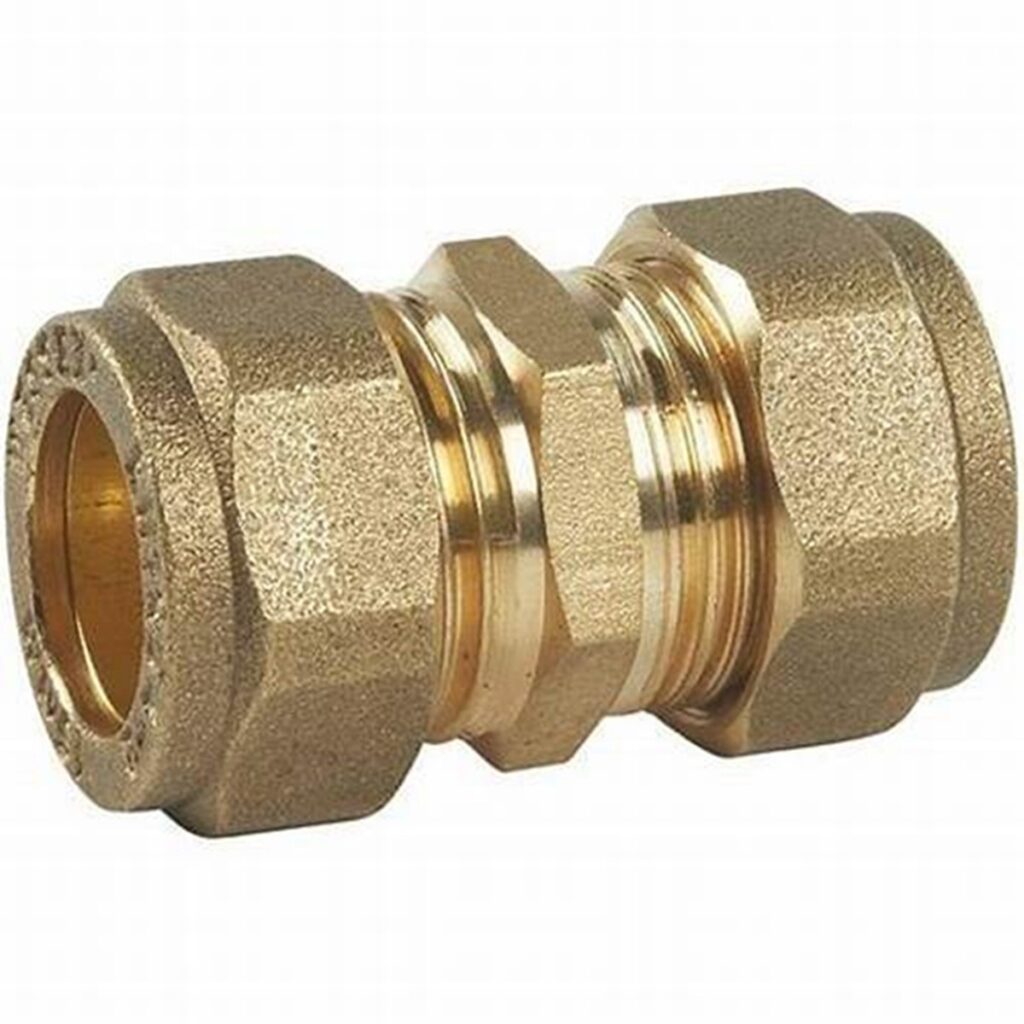
Understanding the different variables that influence CNC machining prices can help you make smarter decisions and ensure you’re paying a fair price. Material Selection: A Major Cost Driver The choice of material significantly impacts the CNC machining cost. Materials differ not only in their base price but also in machinability—how easily the material can […]
Machining Thin-Walled Components: Strategies for Success
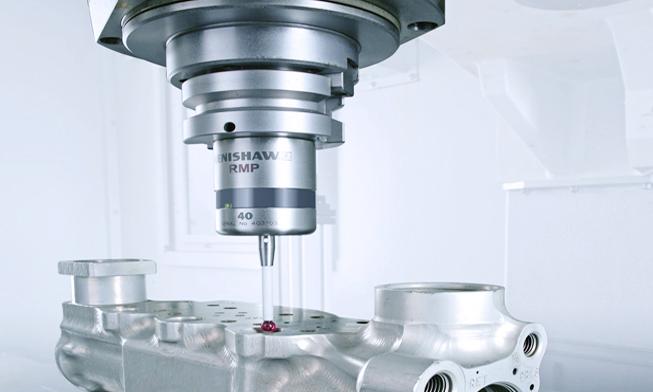
Thin-walled components present unique challenges in CNC machining. Their lack of rigidity makes them prone to vibration, deflection, and distortion under cutting forces. At Juize Machinery, we have developed proven strategies to machine thin walls accurately and efficiently. As a Gold Verified Supplier on Alibaba, our expertise ensures even the most delicate features meet specification. Why […]
What is CNC Machining?
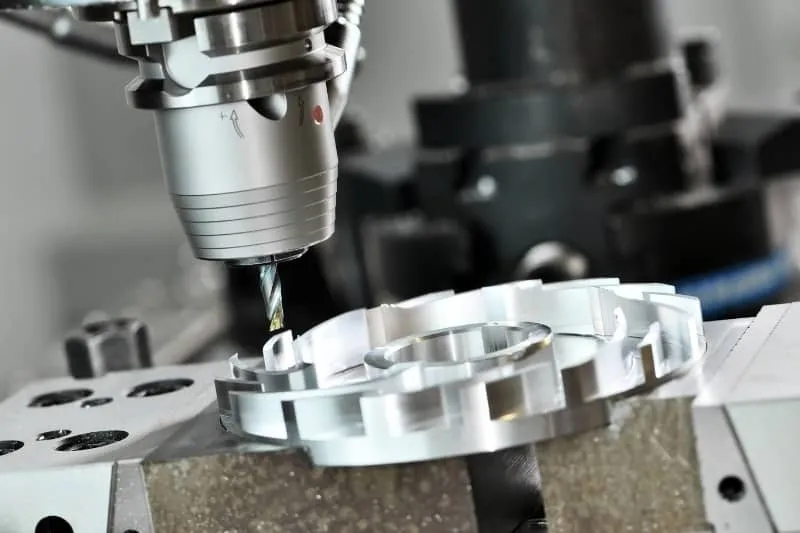
In 1952, the Massachusetts Institute of Technology (MIT) collaborated with the military to create the first numerically controlled milling machine using a vacuum tube control system. Over 70 years later, with the advancement of computer technology and the maturation of computer-aided design (CAD) and computer-aided manufacturing (CAM) software, CNC machining is evolving towards higher precision […]
CNC Router vs. CNC Mill: What’s the Better Machine For You?
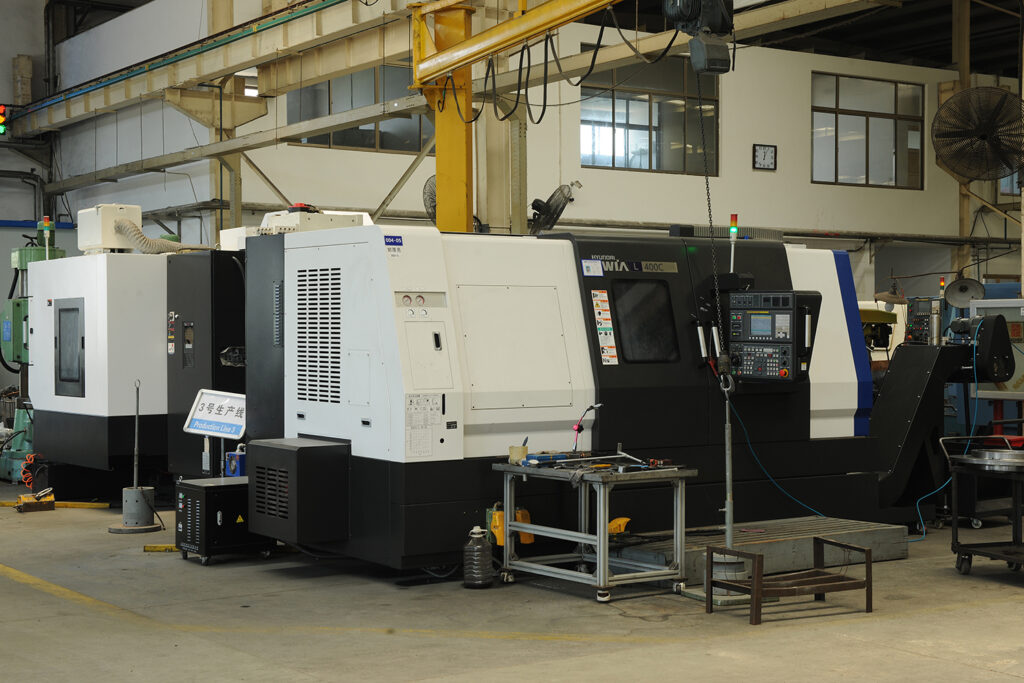
Here we have a table that has information about both CNC routers and CNC mills. Feature CNC Router CNC Mill Ideal Materials Best for softer materials like wood, plastics, and foam. Suited for harder materials such as metals, including steel and titanium. Precision Offers moderate precision, suitable for tasks like sign-making and furniture. Provides high […]
When Do You Need CNC Routers?
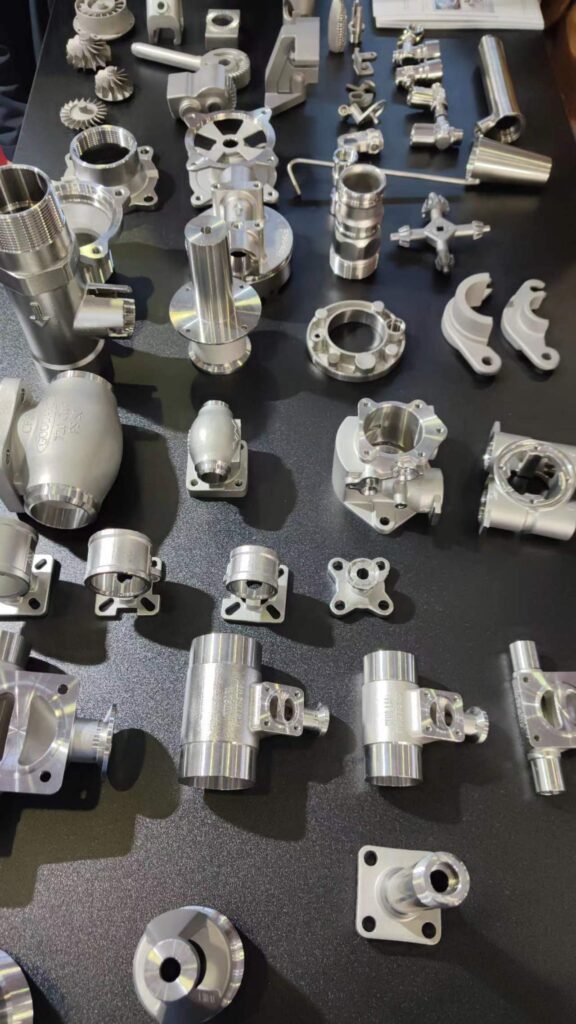
CNC routers are essential when you need fast, precise, and efficient cutting for softer materials like wood, plastic, and aluminum. They’re perfect for industries that rely on detailed engraving, shaping, and mass production of intricate designs. Businesses in furniture making, sign production, cabinetry, and prototyping use CNC routers to streamline operations and maintain consistency. […]
What is a CNC Router?
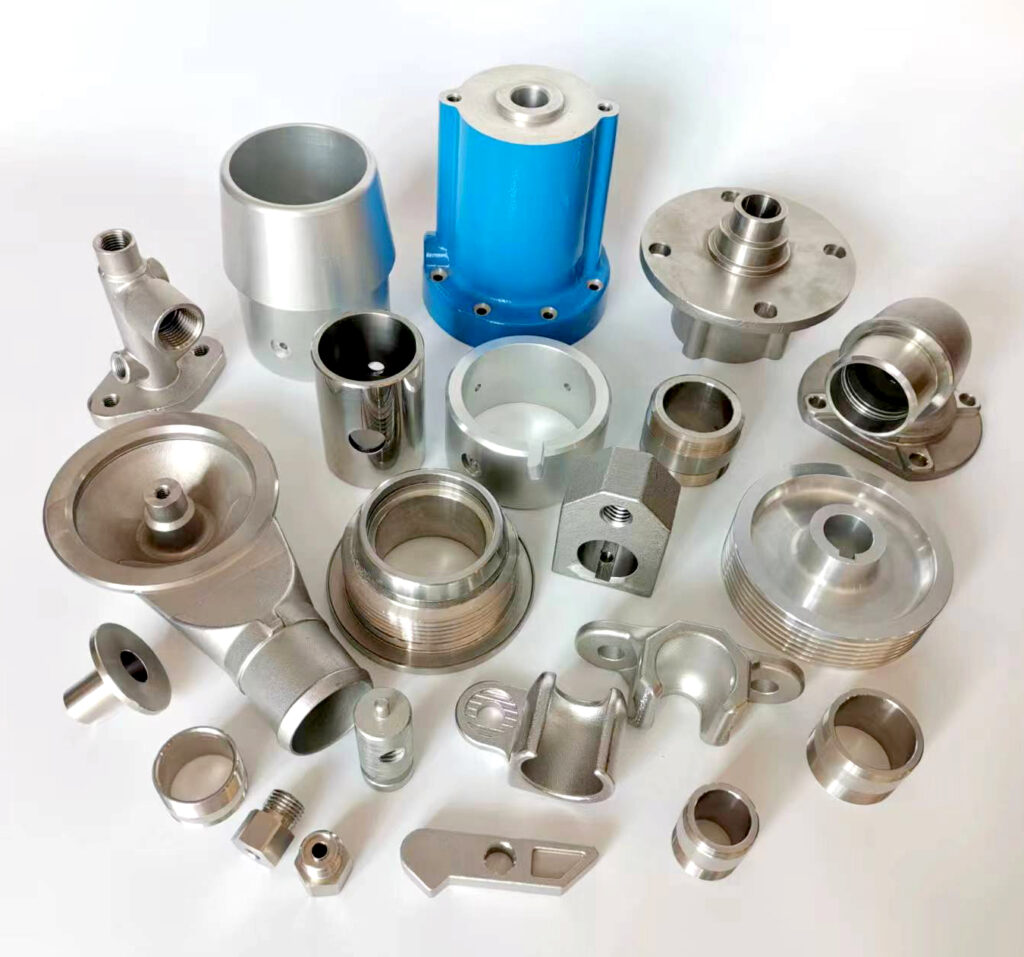
What is a CNC router machine? What does it do? In a nutshell, a CNC router is just like a traditional router. The only difference is that, a CNC router is controlled by a computer, meaning there’s little to no need for human intervention. Like routers, their use is to cut, carve, and shape […]
Gating System Design: The Highway System of Your Casting
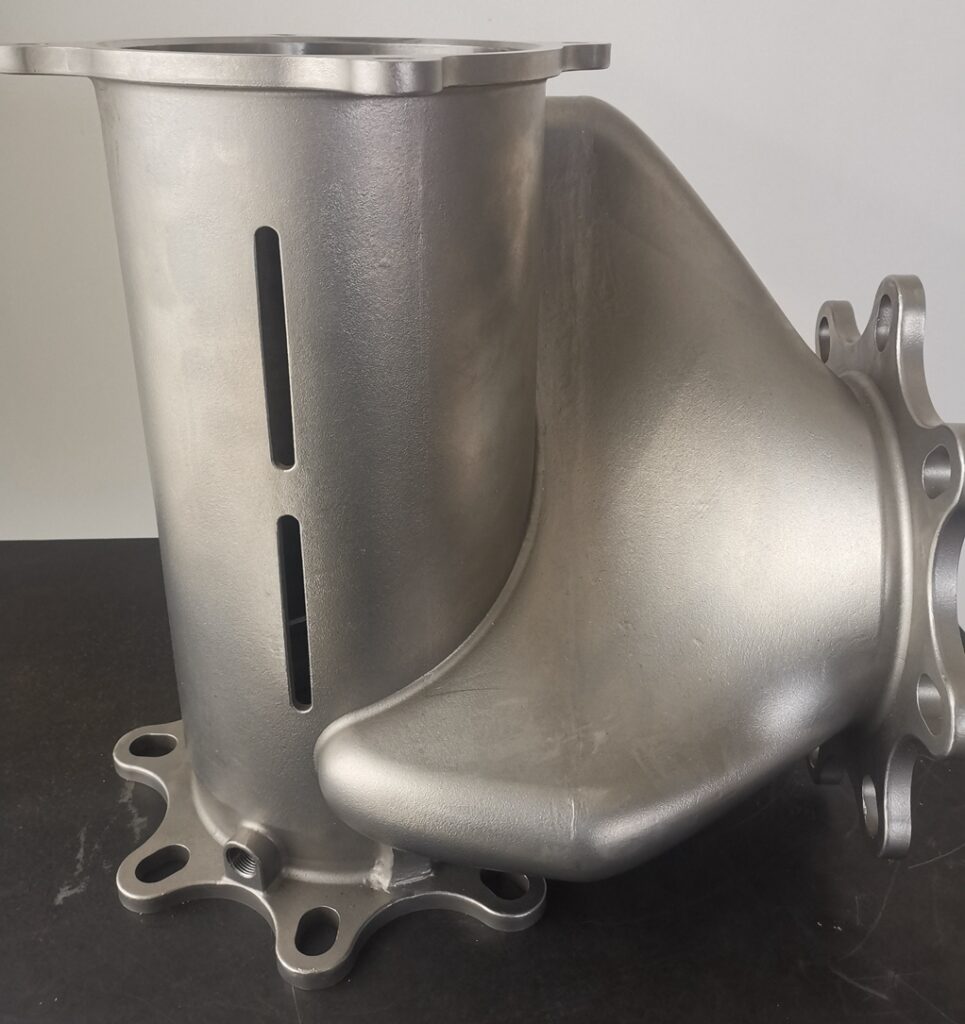
In sand casting, the gating system is the network of channels that guides molten metal from the ladle into the mold cavity. Like a well-designed highway, it must deliver the right volume of metal at the right speed, without turbulence, erosion, or contamination. At Juize Machinery, we engineer gating systems that fill smoothly, trap impurities, and produce […]
The Hidden Cavities: How Cores Create Complex Castings
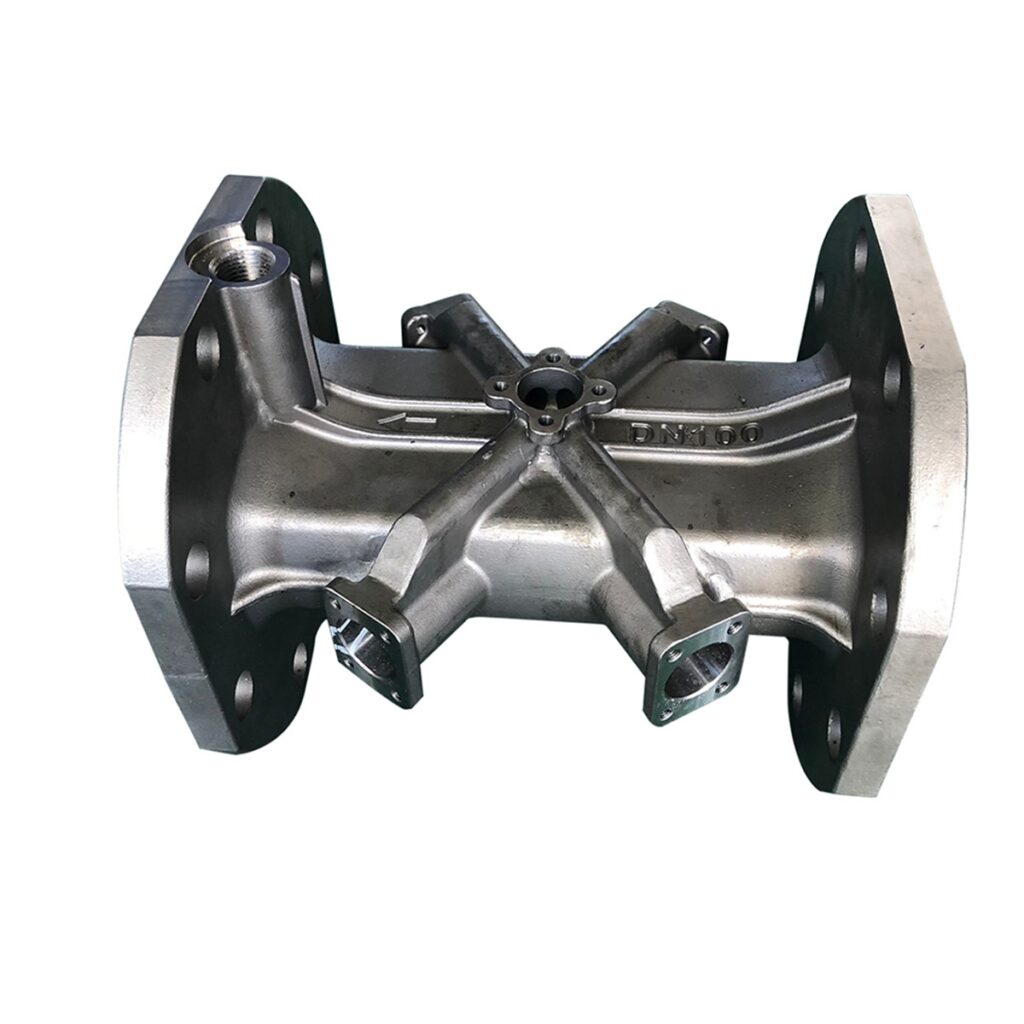
Many castings require internal passages, hollow sections, or undercuts—features that cannot be formed by the mold alone. The solution is cores: sand shapes placed inside the mold before pouring, which become the void spaces in the final component. At Juize Machinery, we design and produce cores that enable complex geometries without compromising casting integrity. As a Gold […]
Can CNC Plasma Cut Aluminum?
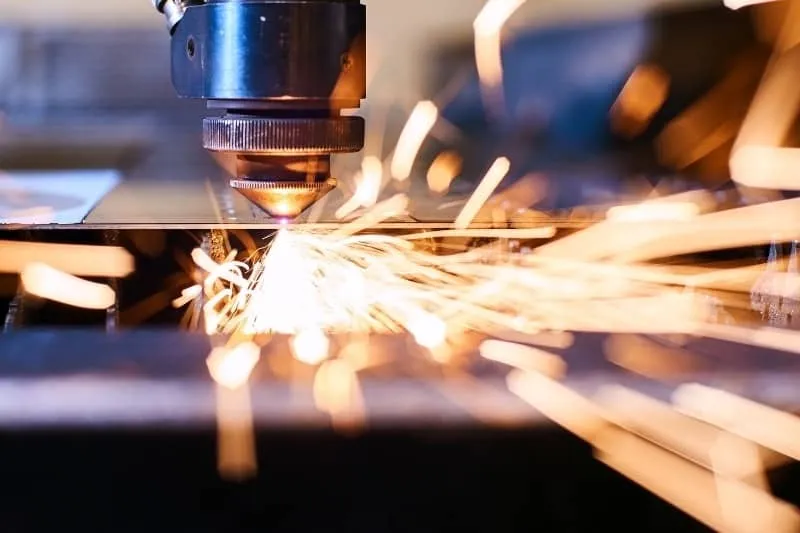
Yes, CNC plasma cutters have the ability to cut and pierce through aluminum. In fact, it’s just one of the items that it can easily cut and work on. The versatility that plasma cutters offer is surreal–it can cut through many different types of metal, steel, as well as different alloys that are electrically […]
Benefits of CNC Plasma Cutting
Enhanced Cutting in Harsh Environments The first and probably the best benefit of CNC plasma cutting is the better and higher quality of cuts. Unlike laser cutters, which require clean and controlled environments, plasma cutting performs well in rugged industrial settings. CNC plasma cutters function efficiently and effectively in dusty, humid, or high-temperature conditions; […]