Types of CNC Technologies Can Be Used for Machining Stainless Steel
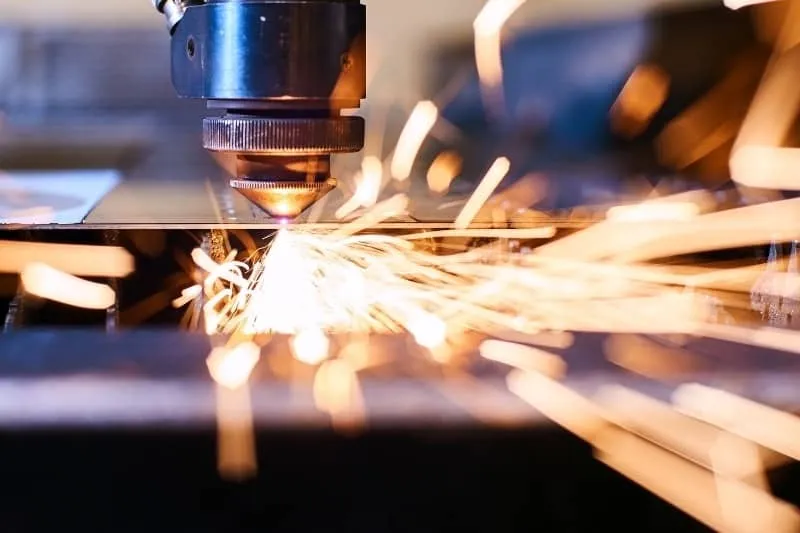
Machining stainless steel presents a formidable challenge due to its unyielding nature, resilience, and inclination to undergo work hardening. Nonetheless, a variety of Computer Numerical Control (CNC) technologies exhibit prowess in the art of stainless steel machining. The following elucidates some prevalent CNC manufacturing processes applied in the machining of stainless steel: CNC Milling: […]
Choose The Right OEM CNC Machining Service
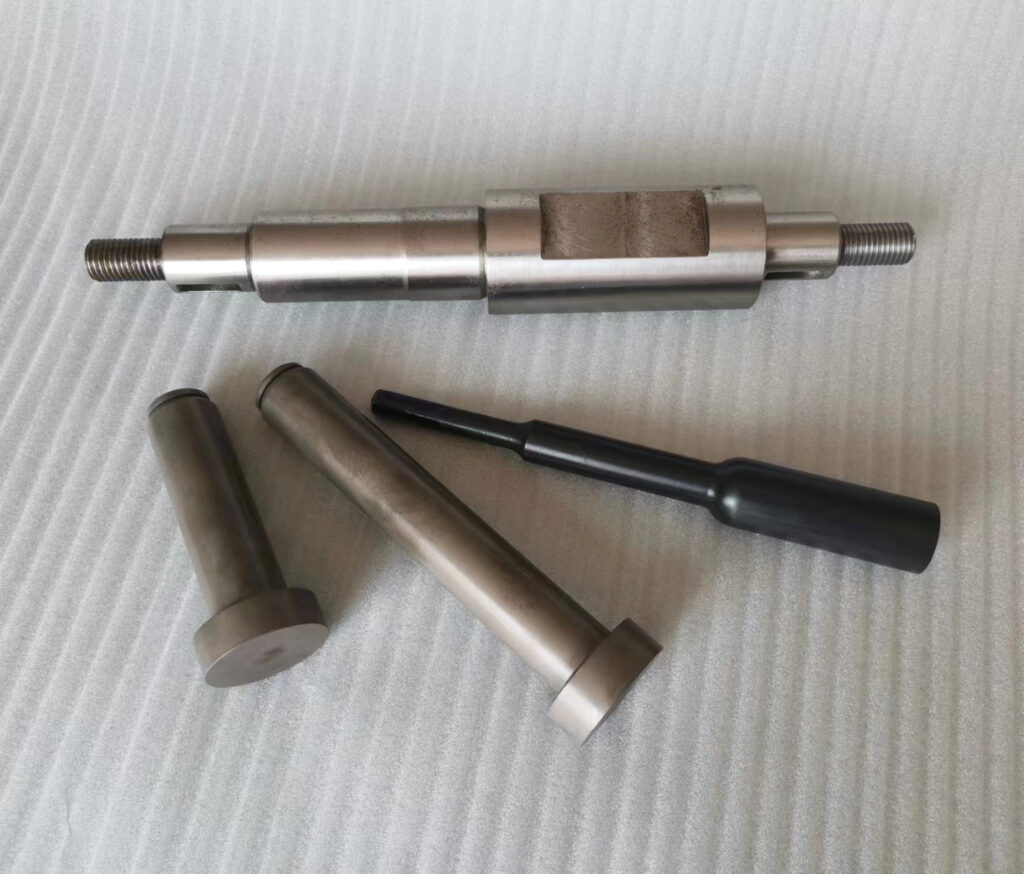
Selecting the right OEM CNC Machining Service is a critical decision for optimal precision manufacturing. Consider the following factors to ensure a seamless partnership: Experience and Expertise: Assess the service provider’s experience in CNC machining and their expertise in handling projects similar to yours. A track record of successful and diverse projects speaks volumes […]
Materials Used for CNC Machining
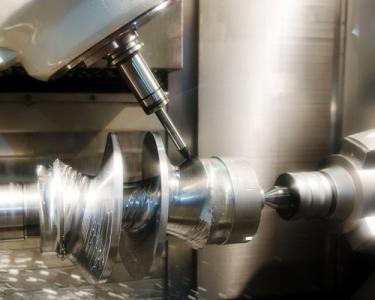
OEM CNC Machining Services operate with versatility in mind, accommodating various materials to meet the demands of precision manufacturing. Here are key materials commonly used in CNC machining: Metals: Aluminum, steel, brass, and titanium. Plastics: ABS, acrylic, nylon. Composites: Including advanced materials like carbon fiber. This flexibility enables precise manufacturing tailored to […]
Build-Up Welding: Restoring Geometry and Enhancing Performance
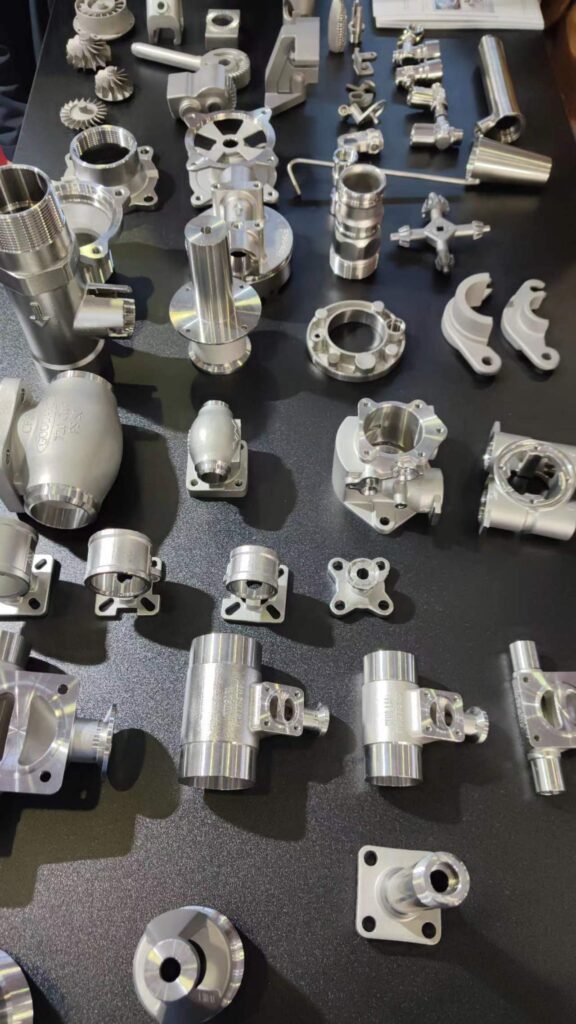
In heavy manufacturing, components occasionally require localized material addition—whether to repair defects, restore worn surfaces, or add wear-resistant layers. This process is called build-up welding. At Juize Machinery, we perform build-up welding to specification, ensuring the added material integrates fully with the base metal. As a Gold Verified Supplier on Alibaba, our welding capabilities include both structural […]
Machining Difficult Materials: Strategies for Duplex Stainless Steel and Beyond
Not all metals cut easily. Materials like duplex stainless steel, titanium, and high-temperature alloys present unique challenges—work hardening, poor thermal conductivity, and high cutting forces. At Juize Machinery, we have developed proven strategies to machine these difficult materials efficiently and accurately. As a Gold Verified Supplier on Alibaba, our expertise extends to the alloys that others […]
CNC Machining Techniques Offered by OEM CNC Machining Service
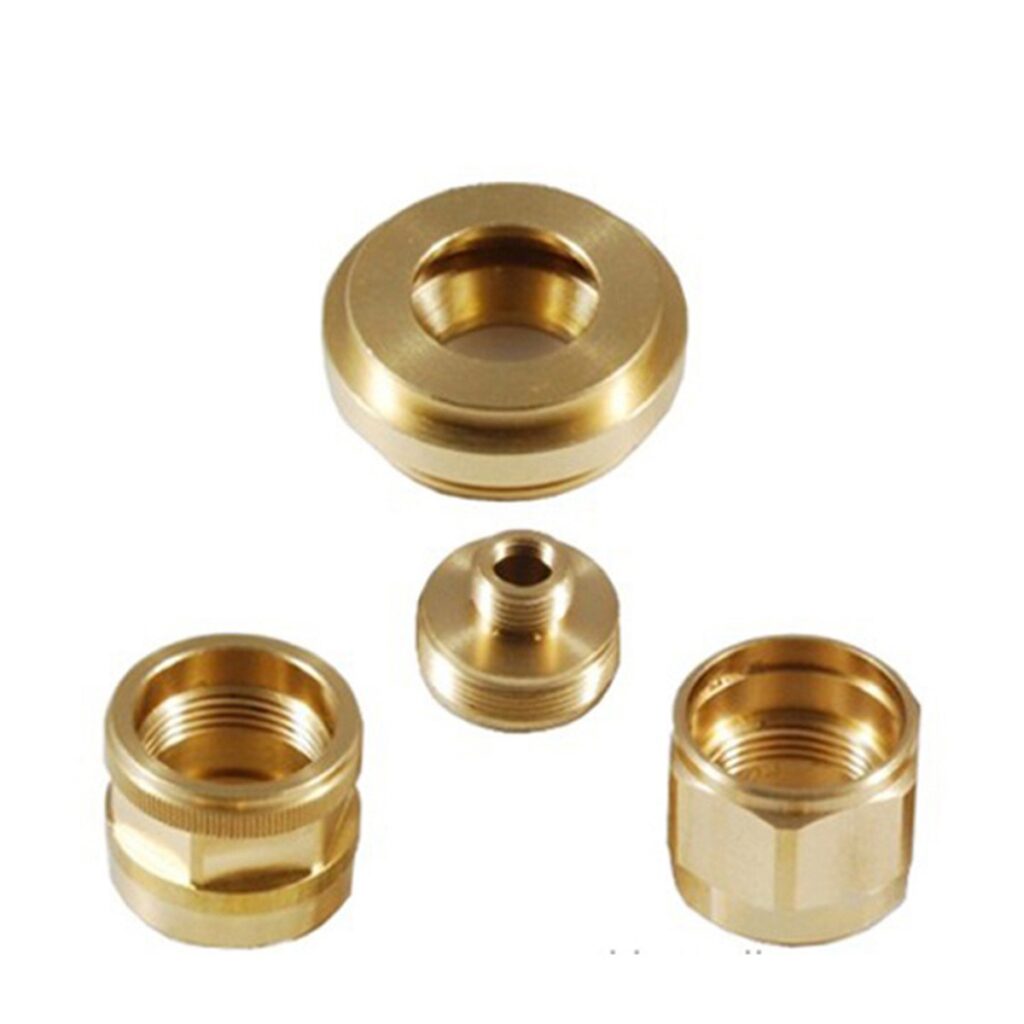
OEM CNC Machining Services provide a range of advanced techniques to meet the diverse needs of precision manufacturing. Here are some key CNC machining techniques offered by these services: Milling: This technique involves the removal of material using rotary cutters. It is ideal for creating complex shapes and features. Turning: Turning utilizes a […]
Standard Process of OEM CNC Machining Service
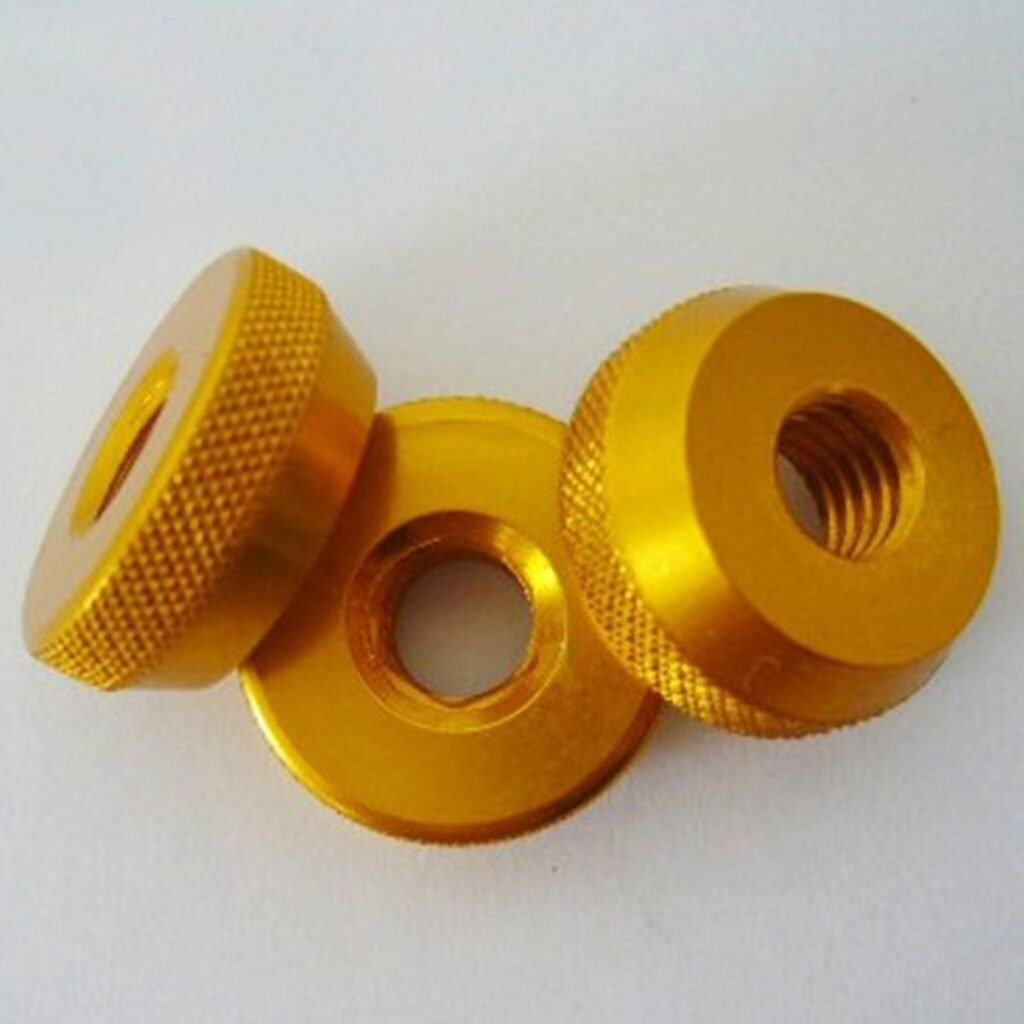
The standard process of OEM CNC Machining Service follows a systematic and precise approach, ensuring the production of high-quality components. Let’s break down the key stages of this process: Design Analysis: Thoroughly analyze component design requirements. Computer-Aided Design (CAD): Translate the design into a digital format using CAD software. Material Selection: Choose […]
Advantages of OEM CNC Machining Service
OEM CNC Machining Service offers a multitude of advantages that make it a preferred choice for many industries seeking precision and efficiency in manufacturing processes. Let’s explore some key benefits: Precision Excellence: Leveraging CNC technology, OEM CNC machining ensures meticulous accuracy, meeting exact specifications for components. Cost-Efficiency: Outsourcing to OEM services provides cost […]
Hard Turning vs. Grinding: Choosing the Right Finish for Hardened Components
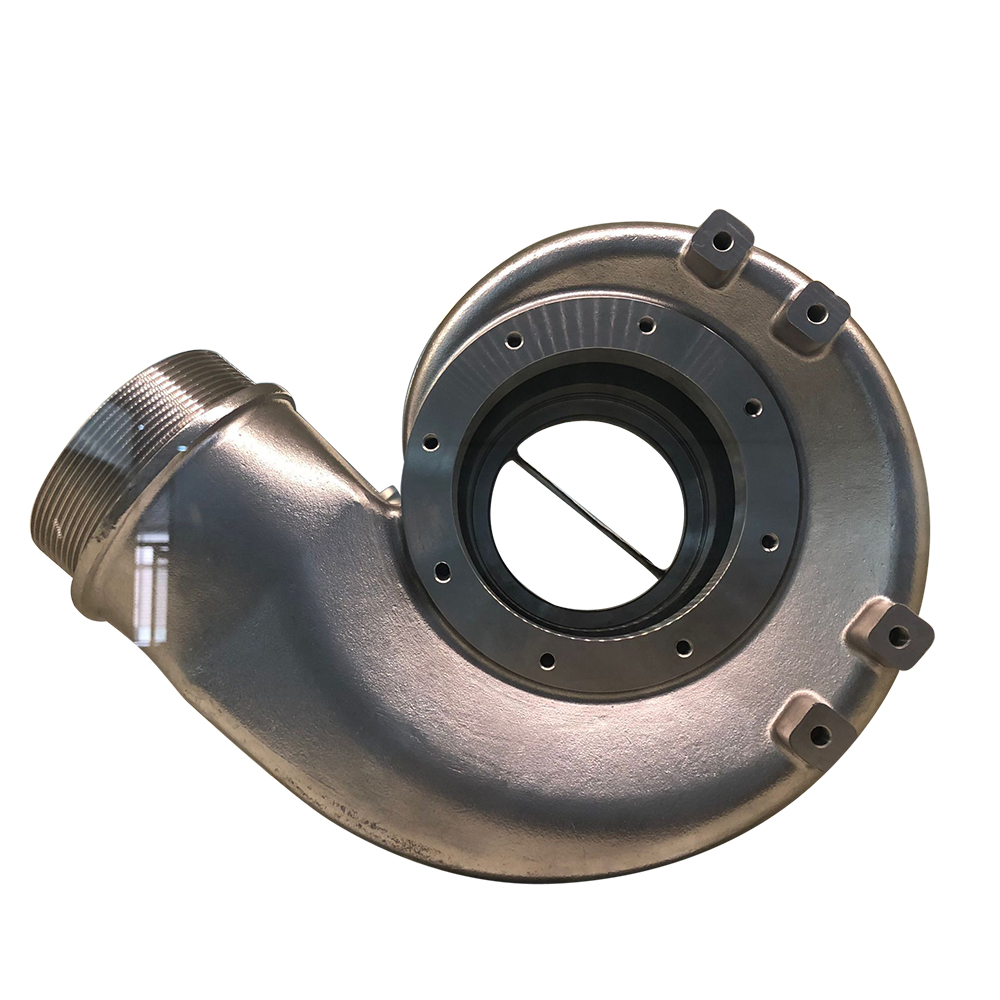
When components are heat-treated to high hardness (typically above 45 HRC), finishing them to precise dimensions and surface finish presents a choice: hard turning or grinding. Each method offers distinct advantages. At Juize Machinery, we employ both, selecting the optimal process based on component geometry, tolerance requirements, and production volume. As a Gold Verified Supplier on Alibaba, our finishing […]
Deep Hole Drilling: Techniques for High Aspect Ratio Holes
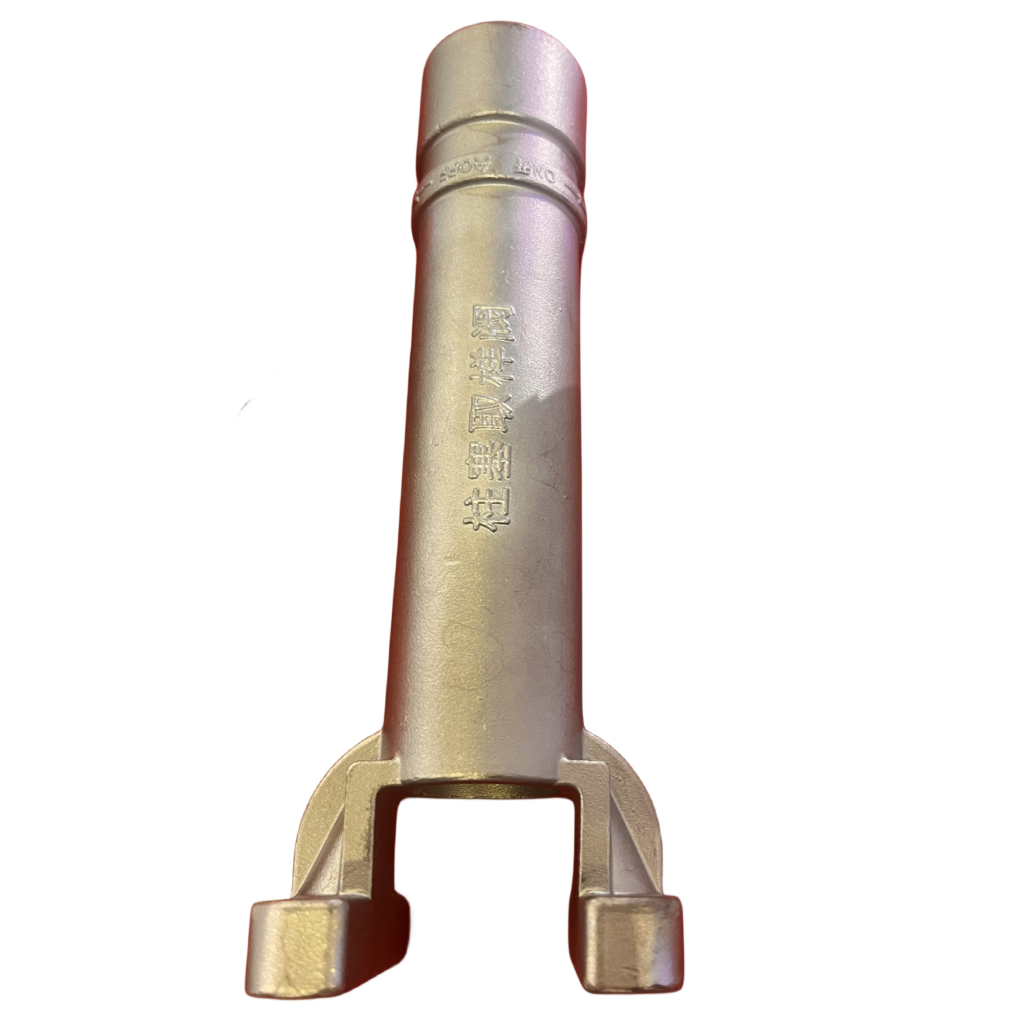
Deep hole drilling is one of machining’s most demanding operations. When hole depth exceeds 5–10 times the diameter, standard drilling methods often fail due to chip evacuation, coolant delivery, and tool deflection. At Juize Machinery, we have mastered deep hole drilling techniques that produce straight, dimensionally accurate holes even at extreme depths. As a Gold Verified […]