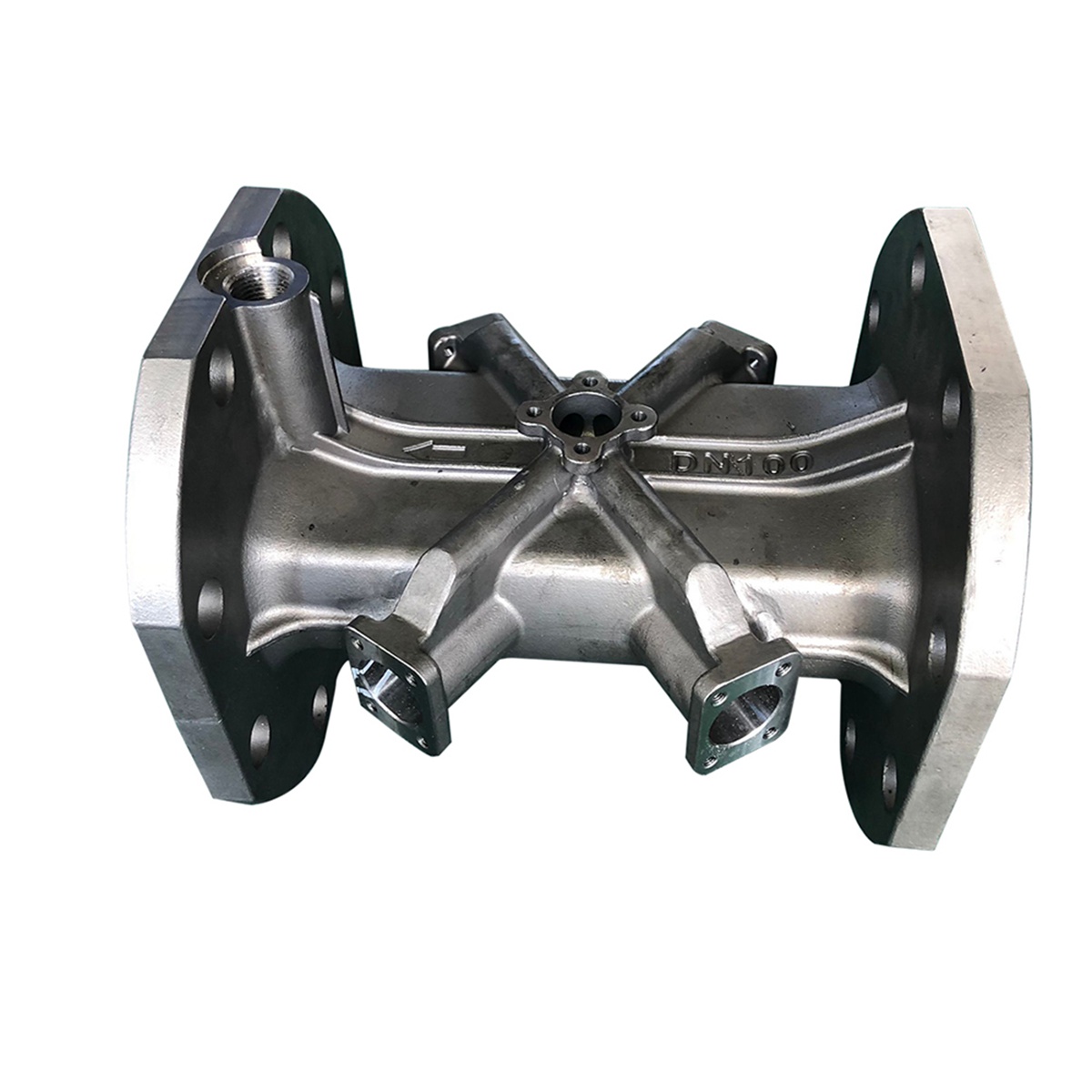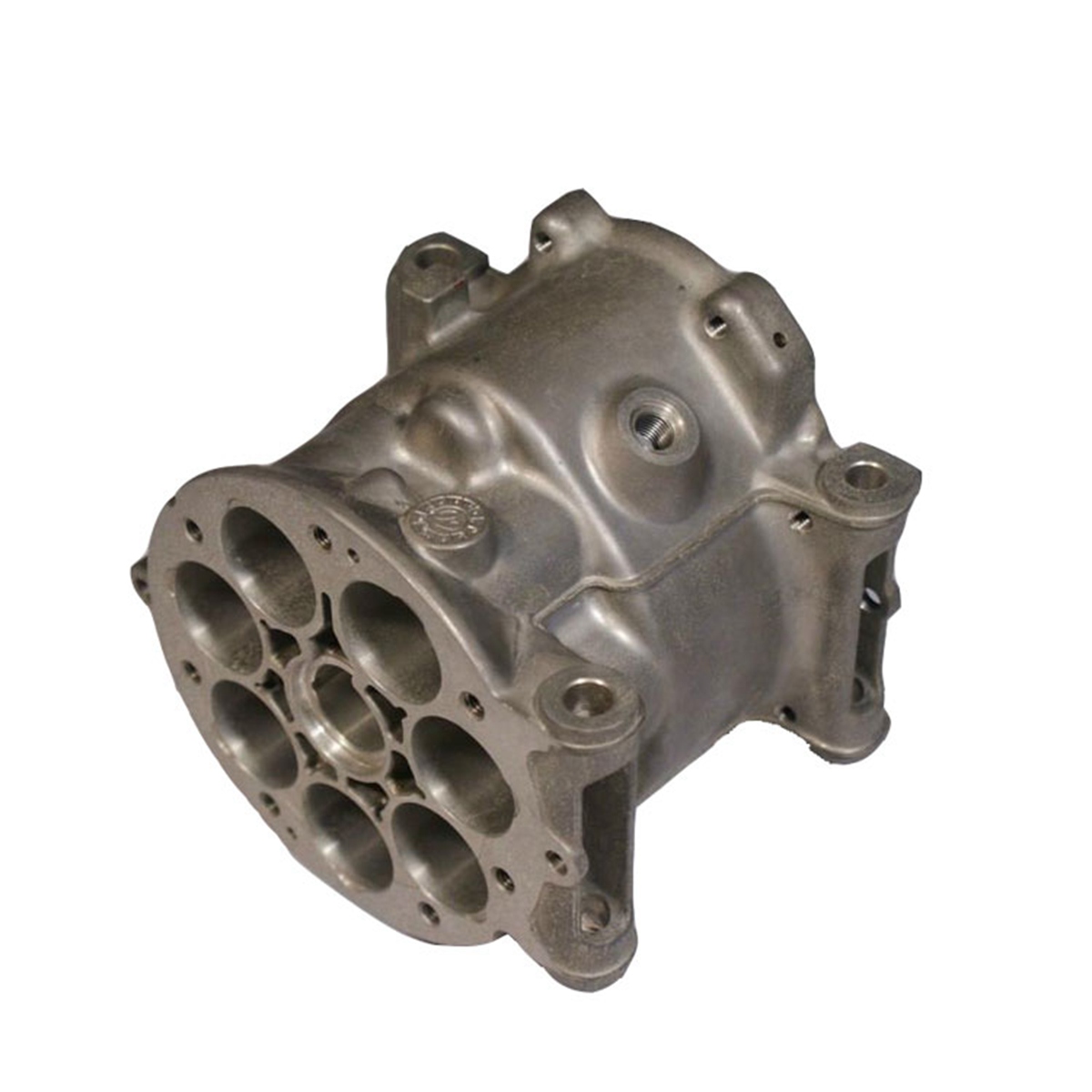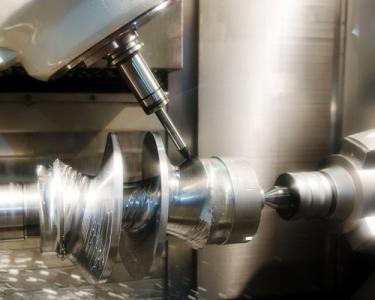
Not all metals cut easily. Materials like duplex stainless steel, titanium, and high-temperature alloys present unique challenges—work hardening, poor thermal conductivity, and high cutting forces. At Juize Machinery, we have developed proven strategies to machine these difficult materials efficiently and accurately. As a Gold Verified Supplier on Alibaba, our expertise extends to the alloys that others avoid.
Why Duplex Stainless Steel Is Difficult
Duplex stainless steel (e.g., 2205, 2507, 1.4462) combines austenitic and ferritic microstructures. This delivers excellent strength and corrosion resistance, but at a cost to machinability:
Rapid work hardening: The surface hardens immediately under the cutting tool, making subsequent passes difficult.
High cutting forces: Requires rigid machines and tooling.
Poor chip control: Tough, stringy chips that can clog flutes.
Heat concentration: Low thermal conductivity concentrates heat at the cutting edge.
Our Machining Strategies for Duplex Materials
- Tool Selection
Use sharp, positive-rake geometry to cut rather than push material
Choose carbide grades with high toughness (e.g., micro-grain or coated with AlTiN or TiAlN)
Avoid ceramic or CBN tools that are too brittle for interrupted cuts
- Cutting Parameters
Moderate surface speed: 80–120 m/min for turning; lower for milling
Aggressive feed rate: Prevents rubbing that causes work hardening (0.1–0.3 mm/rev typical)
Consistent depth of cut: Avoid light cuts that skid over hardened surfaces
Keep the tool engaged: Retract only when necessary; re-entry into hardened surface dulls tools
- Coolant Strategy
High-pressure coolant (300–1000 psi) directed precisely to the cutting zone
Flood coolant alone is insufficient for deep cuts
Coolant breaks chips and flushes them away, preventing recutting
- Rigid Setup
Short tool overhang to minimize deflection
Rigid workholding to absorb high cutting forces
Machine with sufficient power and torque at lower speeds
Comparison with Other Difficult Materials
| Material | Key Challenge | Our Strategy |
| Duplex SS | Work hardening + heat | High-pressure coolant, positive rake, aggressive feed |
| Titanium | Heat concentration + chemical reactivity | Sharp tools, low speed, high feed, avoid chlorine coolants |
| Inconel | Extreme hardness + work hardening | Ceramic tools at high speed (forced chip thinning), rigid setup |
| Hardened steel (>50 HRC) | Brittle + abrasive | CBN tools, light finishing cuts, dry or minimal coolant |
Quality Verification for Difficult Materials
After machining, we verify:
No work-hardened surface layer (microhardness testing)
No microcracking or burning (dye penetrant, metallographic inspection)
Dimensional stability (CMM measurement at controlled temperature)
Design Considerations for Difficult-to-Machine Materials
To reduce machining challenges:
Avoid deep, small-diameter holes that require specialized tooling
Provide generous radii to allow larger cutting tools
Specify as-machined surfaces rather than grinding where possible
Consider near-net processes (casting, forging) to minimize material removal