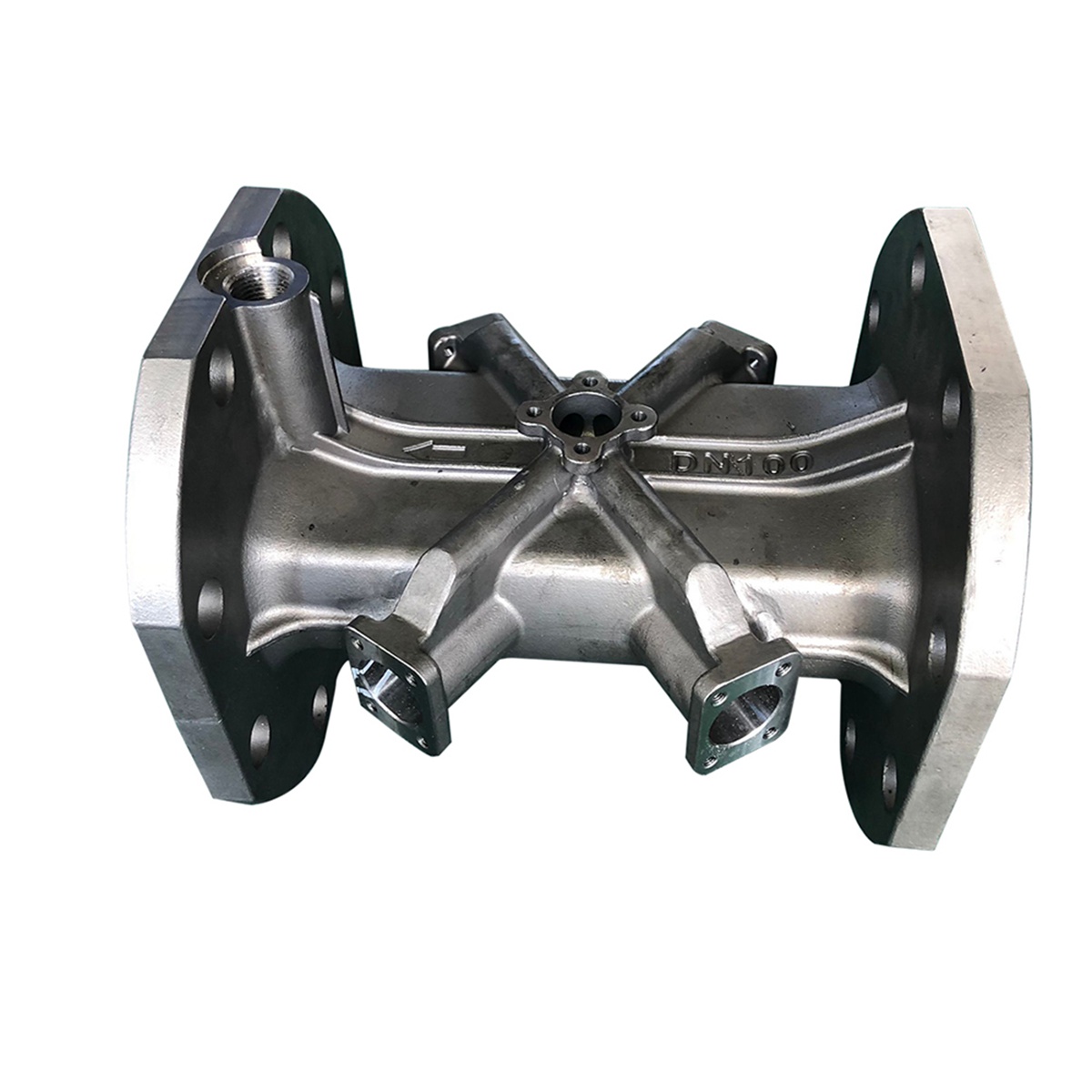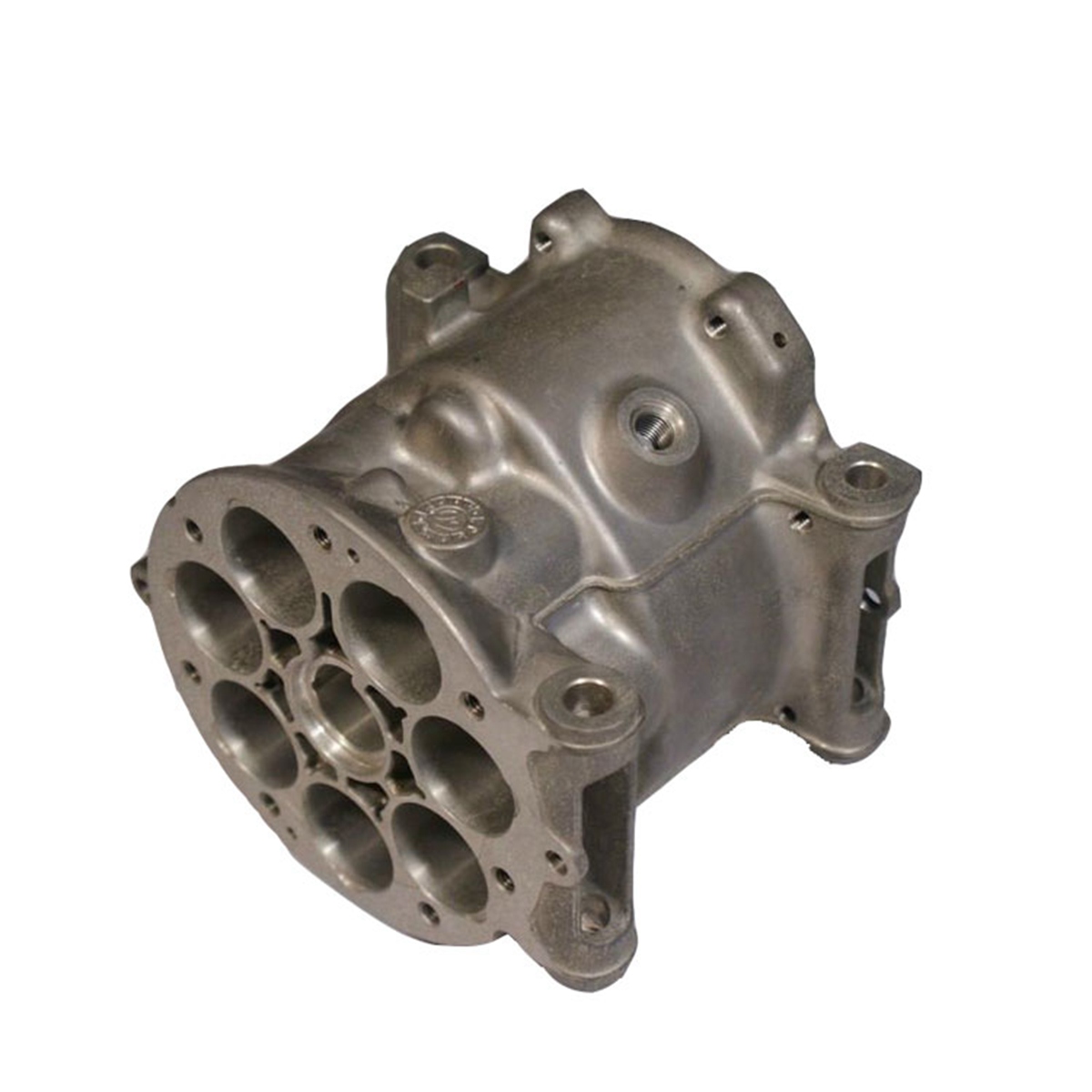
In heavy manufacturing, components occasionally require localized material addition—whether to repair defects, restore worn surfaces, or add wear-resistant layers. This process is called build-up welding. At Juize Machinery, we perform build-up welding to specification, ensuring the added material integrates fully with the base metal. As a Gold Verified Supplier on Alibaba, our welding capabilities include both structural joining and surface build-up.
What Is Build-Up Welding?
Build-up welding deposits additional metal onto a component’s surface. Unlike joining two parts, build-up adds material to an existing surface. Common applications include:
Repairing casting defects (porosity, cavities, or underfill)
Restoring worn dimensions on shafts, rolls, or housings
Applying wear-resistant layers (hardfacing)
Adding corrosion-resistant cladding to carbon steel bases
The Build-Up Process
Preparation: The area is cleaned and machined or ground to sound metal. Cracks are ground out completely.
Preheat: Depending on base material and thickness, preheating prevents cracking during cooling.
Welding: Multiple passes build up material to required thickness. Technique matters:
Stringer beads rather than weaving for better fusion
Interpass cleaning to remove slag between passes
Controlled interpass temperature to prevent overheating
Post-Weld Treatment: Slow cooling or post-weld heat treatment relieves residual stresses.
Finishing: Machining or grinding restores final dimensions and surface finish.
Key Considerations
Material Compatibility: Filler metal must match or exceed base metal properties. For duplex stainless steel build-up (e.g., wire 1.4462 on S355 base), careful procedure qualification ensures corrosion resistance.
Dilution: Base metal mixes with filler metal. Multiple layers may be needed to achieve desired surface chemistry.
Distortion: Build-up welds shrink, potentially warping the component. Balanced welding sequences and fixturing minimize movement.
Quality Verification
We verify build-up welds through:
Visual and dimensional inspection before and after finishing
Dye penetrant (PT) to detect surface cracks
Hardness testing for wear-resistant layers
Radiography (X-ray) for critical applications