Limitations of Alloys in Manufacturing
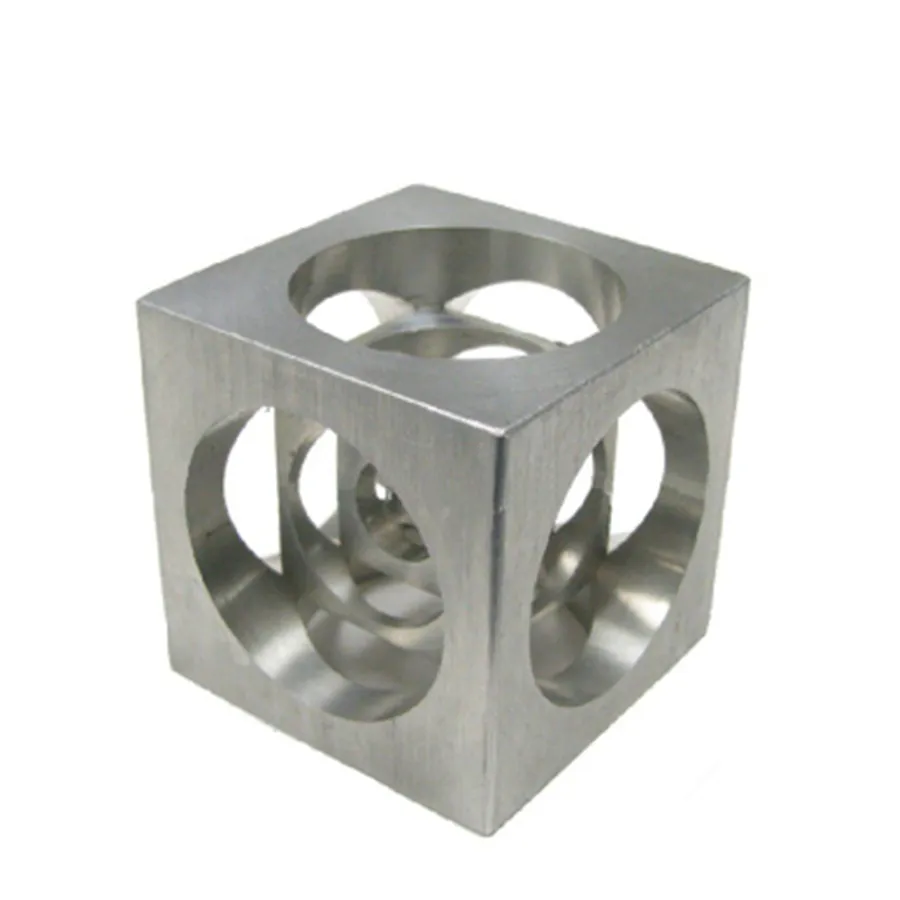
The limitations of alloys compared to pure metals are listed below: Less Ductile:Alloys are typically less ductile than their pure metal constituents. While this can be a functional benefit in a finished part, it increases processing costs. Keep this in mind during the design process. Difficult to Weld: Alloys have lower melting points than their pure […]
Advantages & Disadvantages of Die-Casting
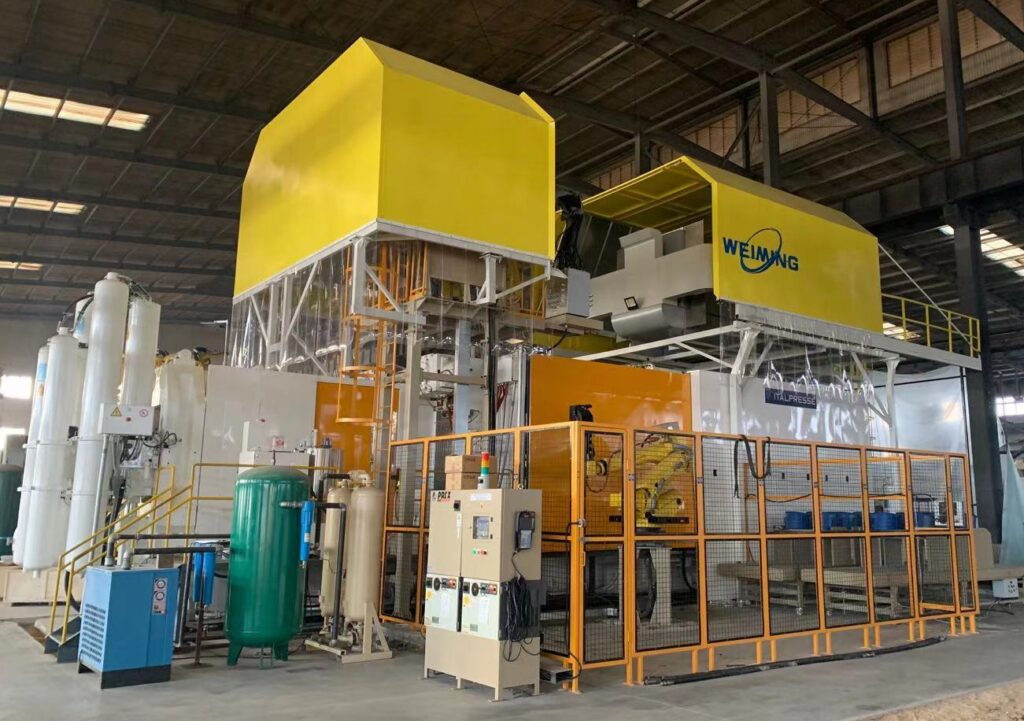
Advantages of Die-Casting High Precision This process can produce elements with excellent dimensional accuracy and smooth finishes, which are essential for quality and consistency. Short Production Time Due to its quick cycle times, it enhances overall productivity, making it ideal for mass-producing parts. Extended Tool Life Durable mods and furnace locations are critical elements of […]
Differences Between Tapped Holes and Threaded Holes
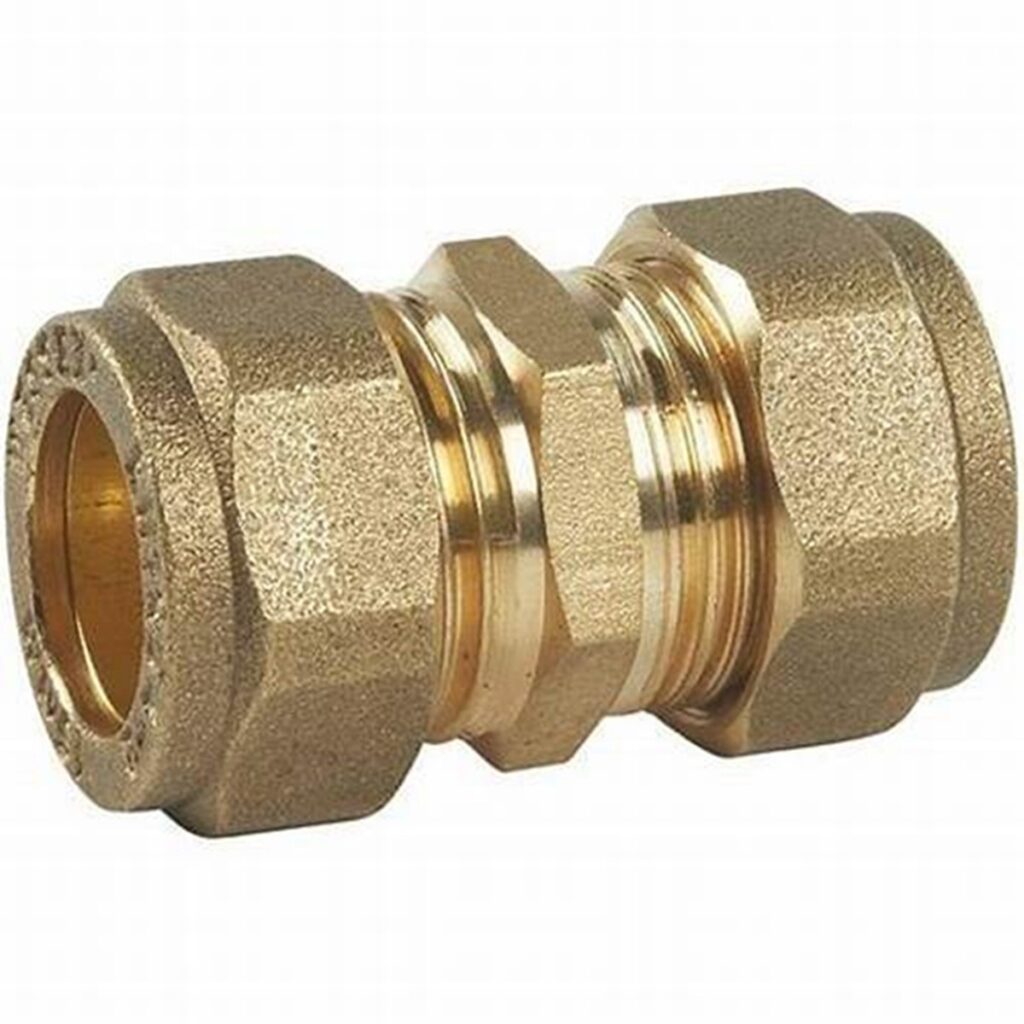
Process Differences The processes of creating tapped and threaded holes differ significantly: Tapping Process: Tapped holes are made by drilling a hole and then using a tap to cut internal threads. The various types of taps include cutting taps, forming taps, taper taps and plug taps, which are suitable for different materials and thread […]
Other Benefits of Alloyed Materials in Manufacturing
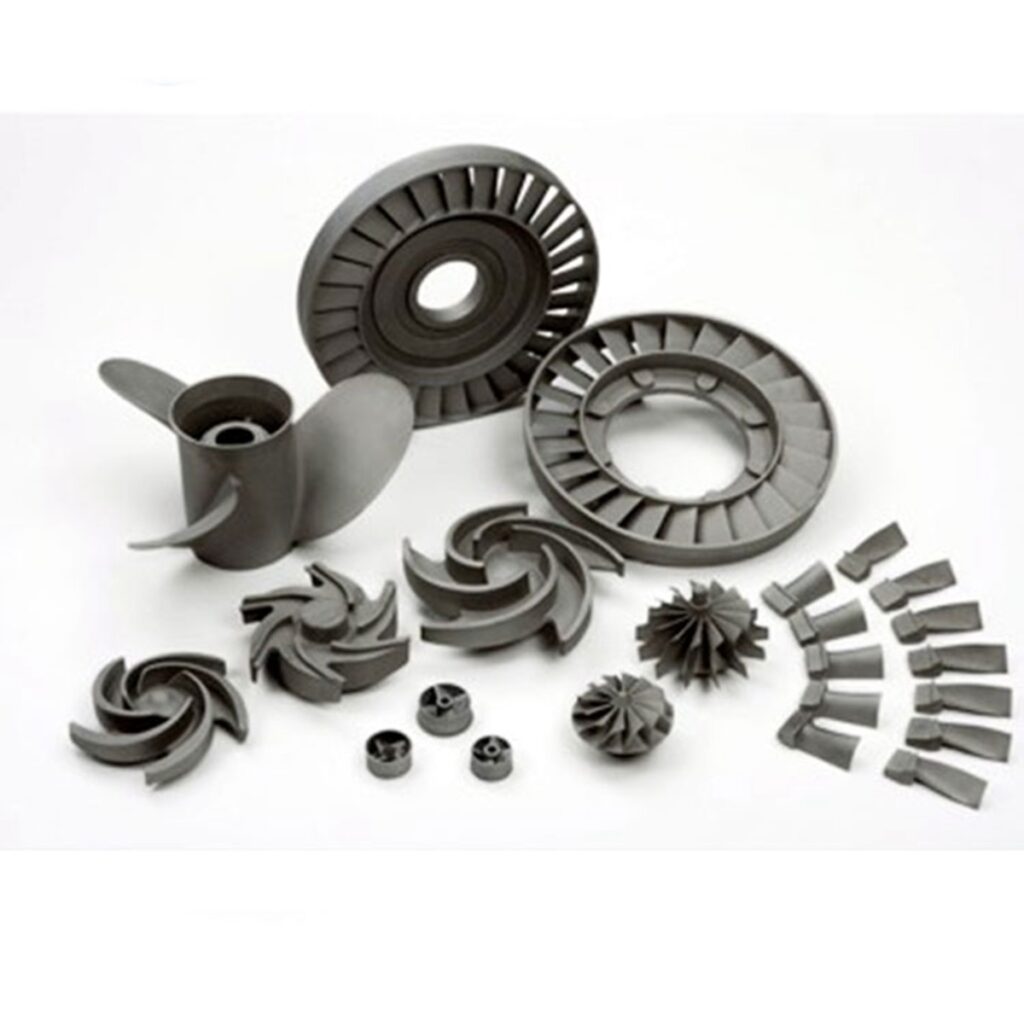
You already experience the benefits of alloys over pure metals in every interaction with technology or the built environment. Here are some benefits of alloyed materials: Increased Strength:Alloys offer considerably higher strength than pure metals because of the intentional and tuned lattice disruptions that make it more difficult for atoms to migrate and crystal planes […]
ZAMAK Die Casting Process
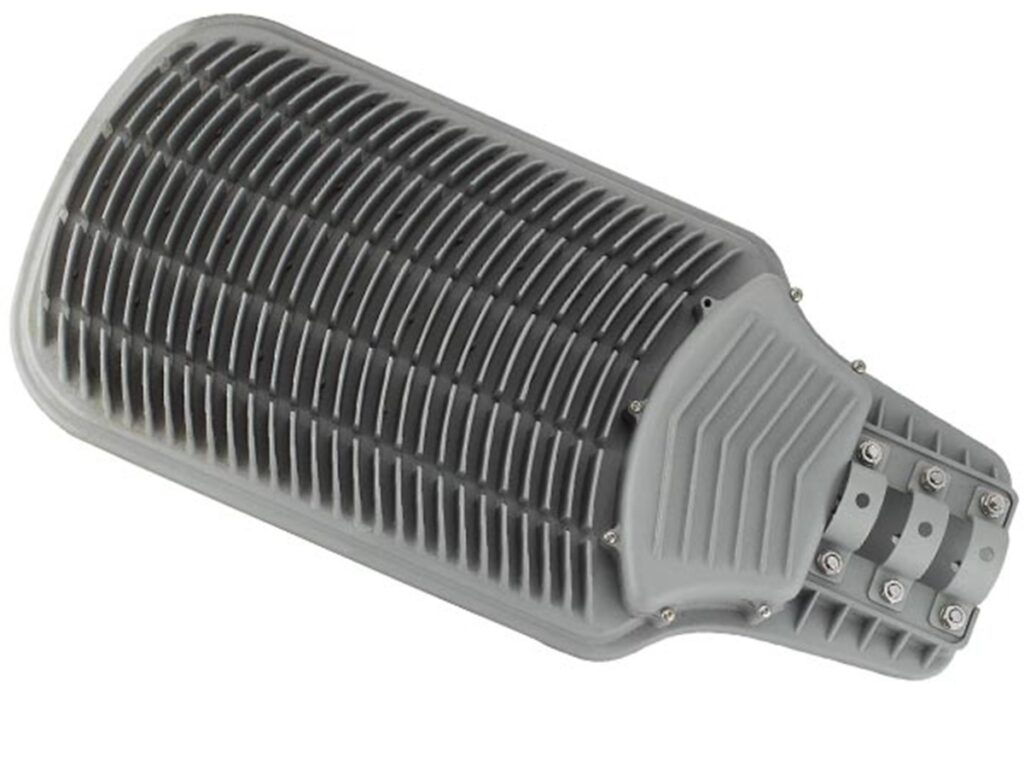
ZAMAK die casting, or zinc die casting is also a process similar to that of other materials. Foundries must ensure precise and efficient production to ensure high-quality outcomes. Starting from designing to surface treatment, each step needs professional work. Here is a step-by-step guide to the ZAMAK die-casting process. Step #1 Design and Making of Die ZAMAK […]
Industries that Use Alloys
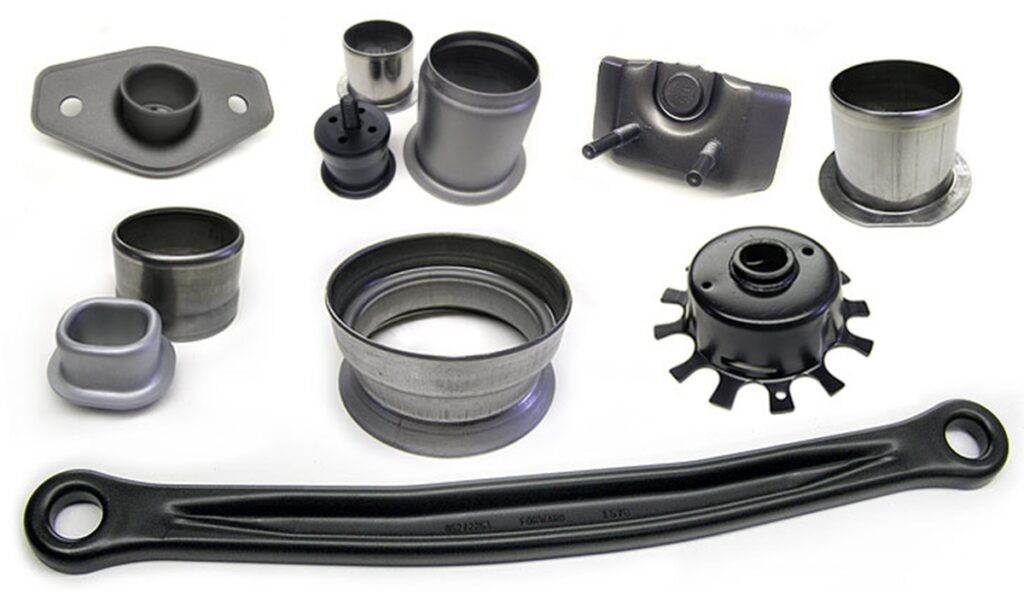
Alloys appear everywhere – any metal parts you encounter in your day, from a bicycle frame to a spoon, from a crane to a car, are made from alloys, as we rarely use pure metals. Some typical applications of the common alloy groups are: 1. Construction We see Steel and Aluminum alloys used often in […]
What Are the Different Types of Alloy?
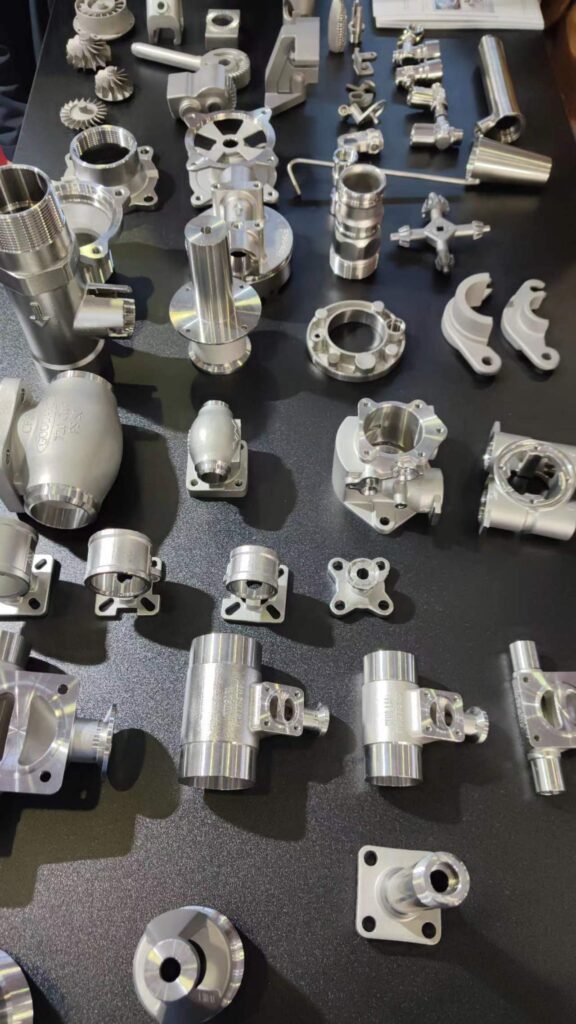
The most common classes of alloys that you are likely familiar with are described here: 1. Steel You see it everywhere you look, from Superman to the supermarket. Steel is ubiquitous and key to most industries. They are based on elemental Iron with a small amount (<2%) of Carbon added. Other intentional alloying elements added […]
Why Use Die Casting ZAMAK Alloys?
There are many reasons why you should use ZAMAK alloys. Because of their benefits, ZAMAK alloys sometimes replace aluminum casting. This section mainly talks about the benefits of die-casting ZAMAK alloys. Reason #1 High-Fluidity Fluidity refers to how easily molten metal flows into molds during casting. High fluidity means that the ZAMAC alloy can easily […]
Die Casting ZAMAK Alloy
ZAMAK stands for Zinc, Aluminum, Magnesium, and Copper (Kupfer). It is a German metal alloy name. Zinc is the base material, ranging from 94% to 96%. ZAMAK alloys offer benefits that make these alloys suitable for die-casting. In short, they provide low melting point, high fluidity, and strength-to-weight ratio. They also have other benefits that […]
What Is the Color or Appearance of Alloys?
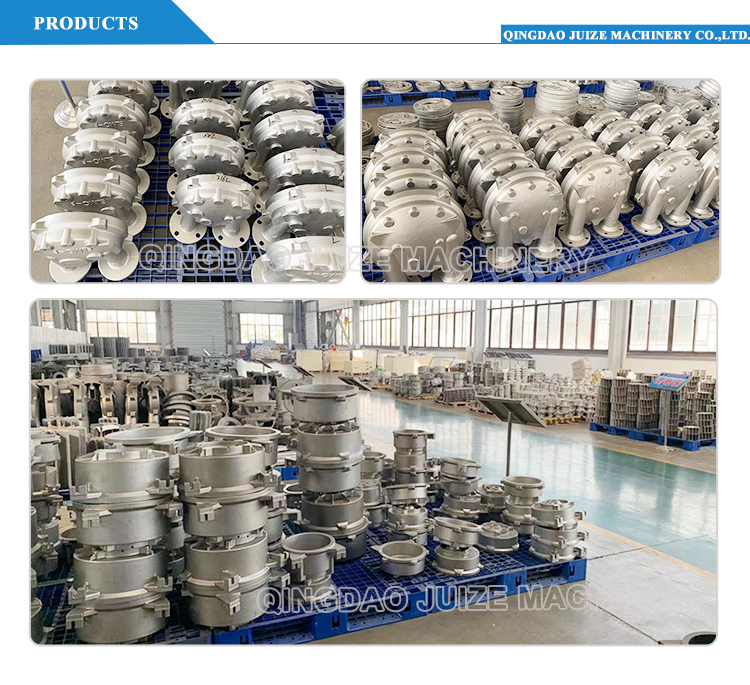
The colors of alloys vary based on their composition and base element. Copper alloys, such as bronze, brass, etc., are typically shades of yellow, orange, and red, depending on their copper content. An exception is cupro-nickel, used for coins and decorative purposes, which is bright silver when polished. Steel alloys are bright or dull silver […]