Most Commonly Used Plastics in CNC Machining: ABS (Acrylonitrile Butadiene Styrene)
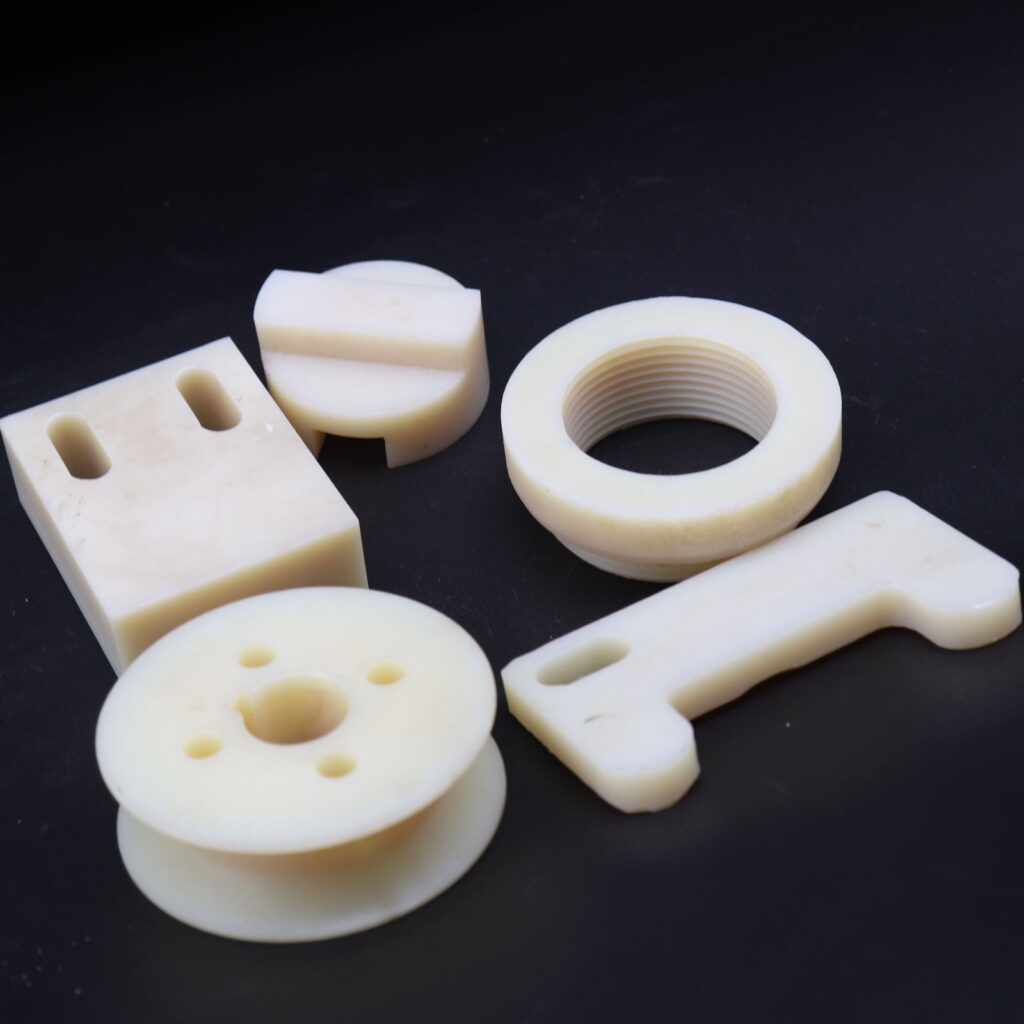
ABS (Acrylonitrile Butadiene Styrene) is a versatile plastic known for its strength and impact resistance. It’s tough enough to handle heavy use, yet easy to machine, making it a favorite for both prototypes and production parts. Found in everything from automotive components to electronic housings, ABS strikes a sweet spot between durability and affordability. That […]
Sand Casting vs. Die Casting?
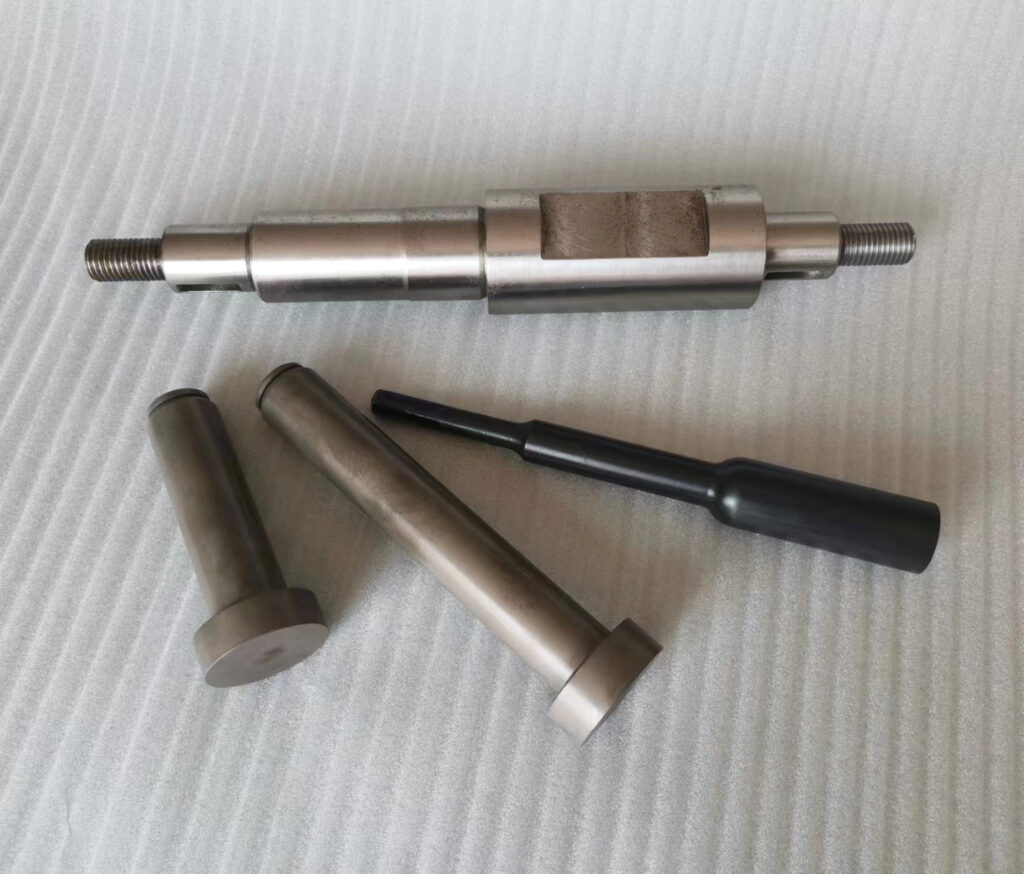
Functionally, the differences between sand casting and die casting are extensive. Die casting uses steel cavities, while sand casting uses sand molds. Die-cast tools offer higher dimensional accuracy/repeatability than sand casts. They also have high durability, often allowing thousands of casts before reconditioning—whereas, sand casts are not reusable. Die-cast tools and equipment are very costly, […]
Why Plastics are Important in CNC Machining
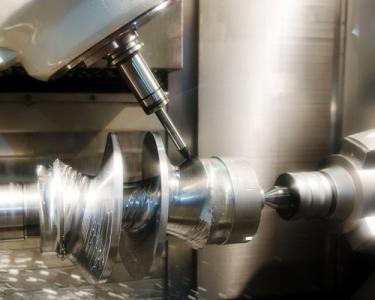
Plastics are increasingly used in CNC plastic machining because they offer several advantages over metals. First, plastics are lightweight and more flexible, making them suitable for components that require movement or weight reduction. In high-volume production, plastics are far more cost-effective than metals due to lower material costs and shorter machining times. Additionally, plastics provide […]
Examples of Sand Casting Products

Examples of sand cast products abound in almost all market sectors, particularly in low-cost products and in heavy industries are listed below: Medium-speed marine diesel flywheels—can be several tons in weight. Through-hull nickel-aluminum bronze skin fittings in boat/ship hulls. Barbecue grills and burner components. ICE engine blocks. Vehicle brake discs. Door furniture. Decorative end pieces […]
The Factors Influencing the Cost of Investment Casting
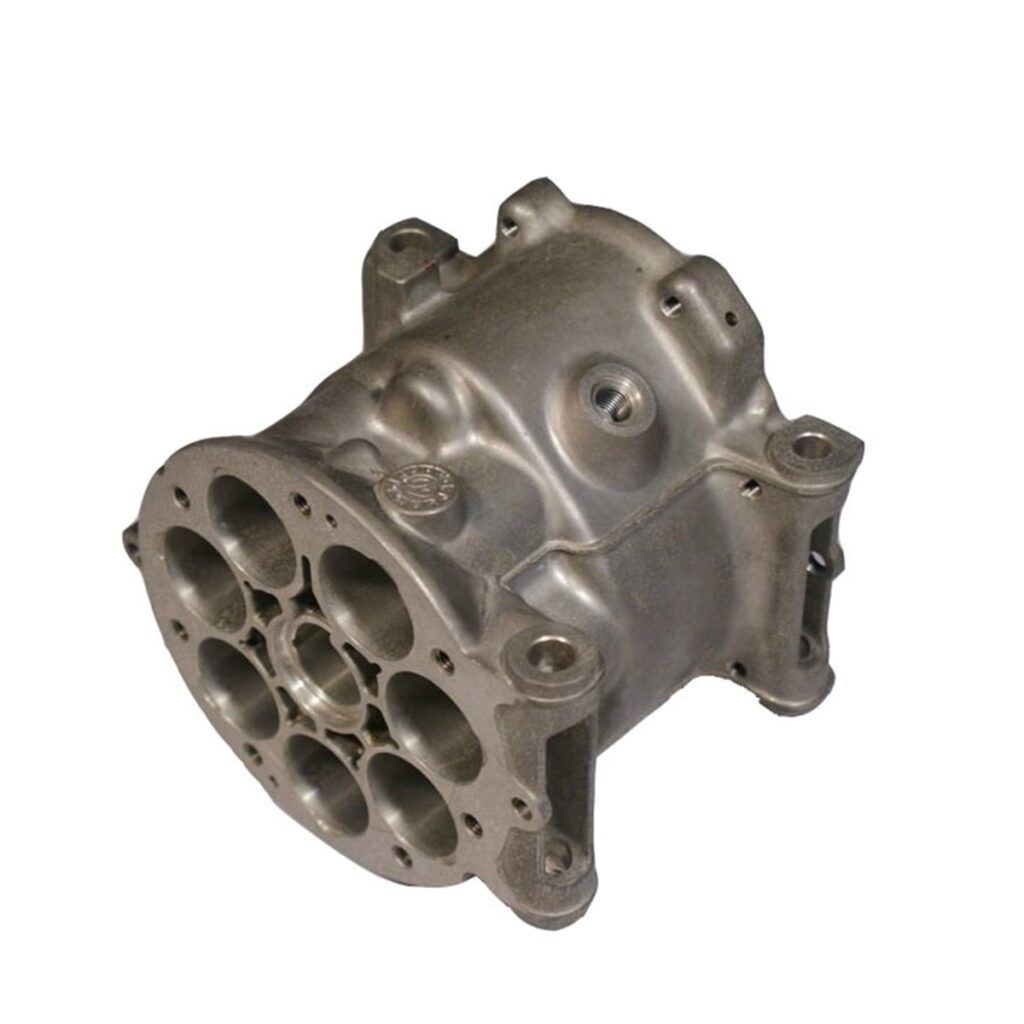
The cost of investment casting is influenced by various factors. Material selection, complexity of design, size, and weight of the part all play significant roles. Production quantity affects economies of scale, impacting per-unit costs. Tight tolerances, high-quality standards, and specific surface finish requirements contribute to expenses. Upfront costs, including tooling, molds, and post-processing requirements, influence […]
Disadvantages of Sand Casting
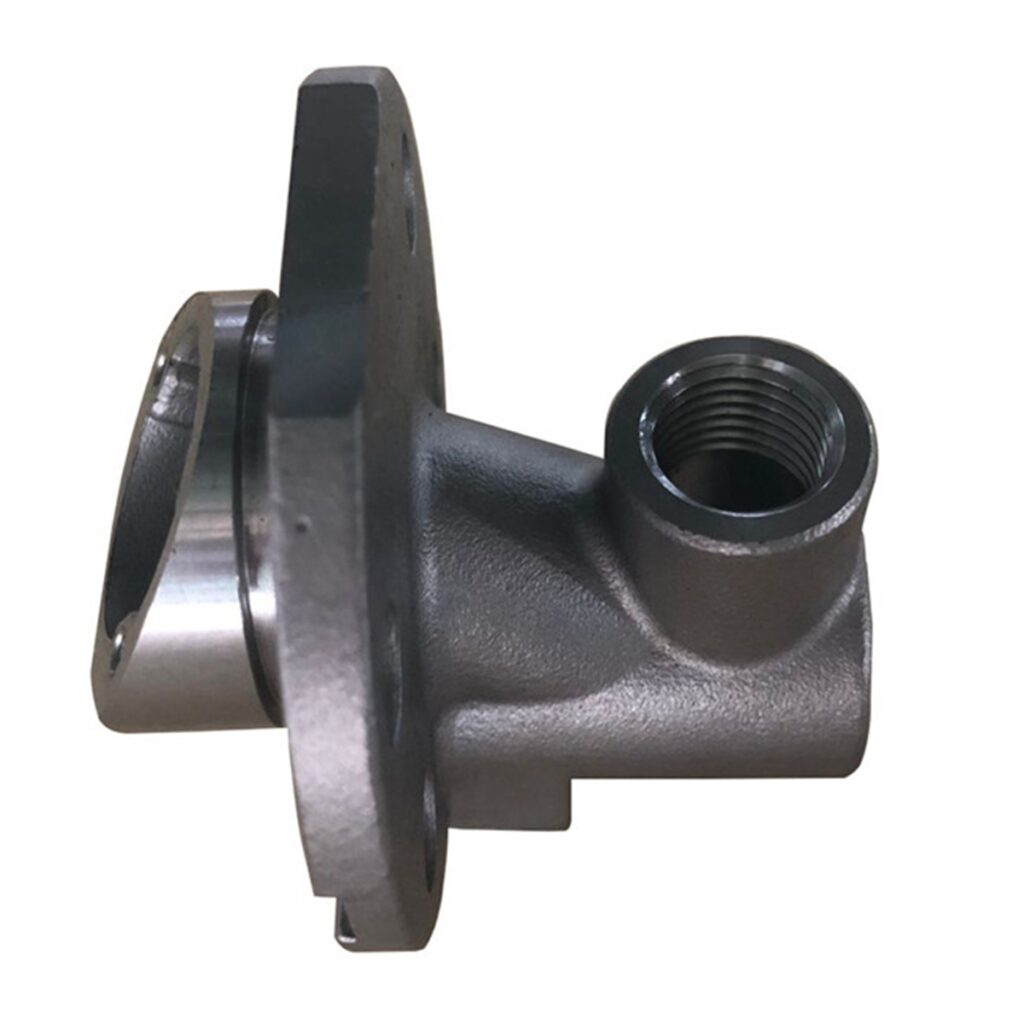
There are various disadvantages and limitations to this casting method. These are: The surface finish cannot be particularly fine. Dimensional accuracy and repeatability can be variable. Contaminated sand waste represents a disposal issue. Patterns can degrade as production scales. Cooling rates are uncontrolled, so there is often variability in microstructure anisotropy. Complex sand cores for […]
Advantages of Sand Casting

Sand casting, despite being an ancient process, offers advantages that render it highly relevant in high-technology production. Such benefits are: Low cost. Simple tooling. Easy scale-up, but great for prototyping. Fast turnaround. Few design limitations, shape complexity. Extremely wide range of materials with few/no process changes. A wide spectrum of part sizes from grams to […]
Post Process for Investment Casting Parts
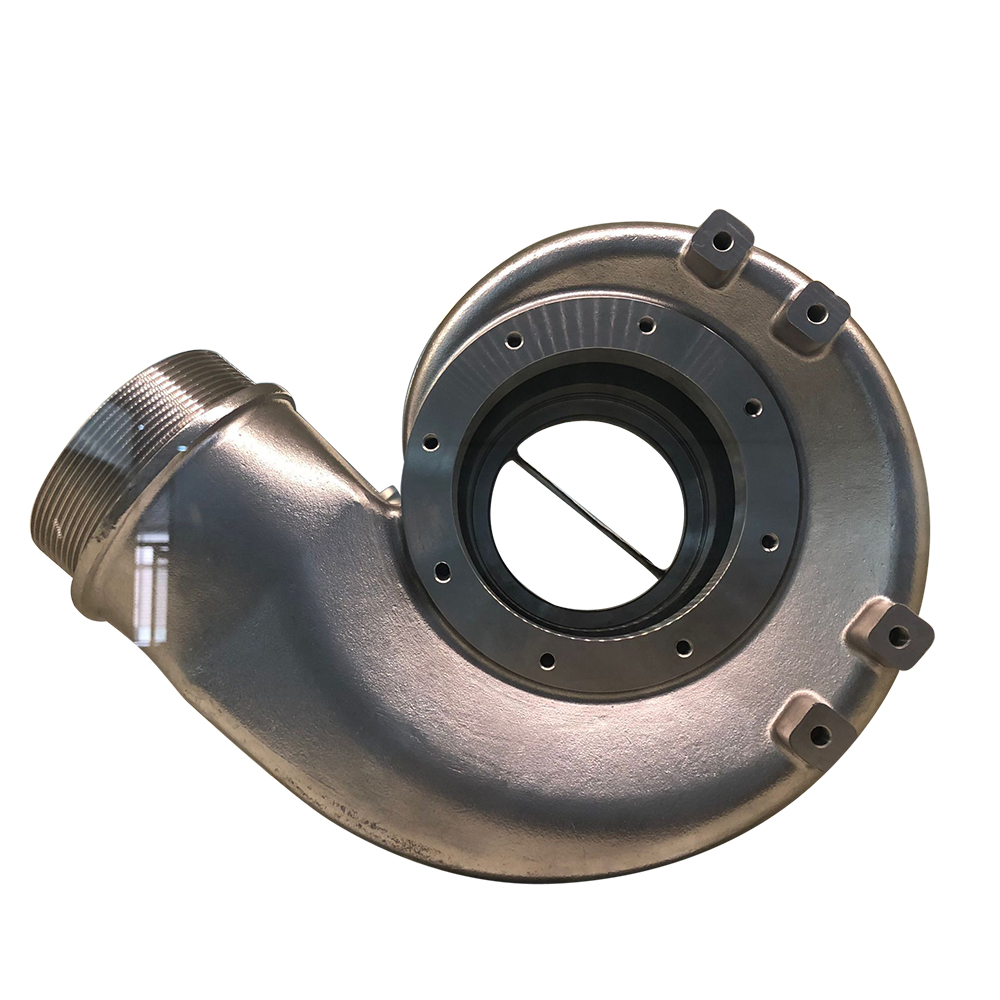
The post-processing stage is crucial in refining investment casting parts to meet specific design and quality standards. After the casting process, several steps are typically undertaken: 1. Cutting and Removal: Remove excess material, like gates and sprues, to separate the cast part. 2. Surface Cleaning:Thoroughly clean to ensure a smooth surface, removing ceramic shell remnants […]
Types of Metals Used in Sand Casting
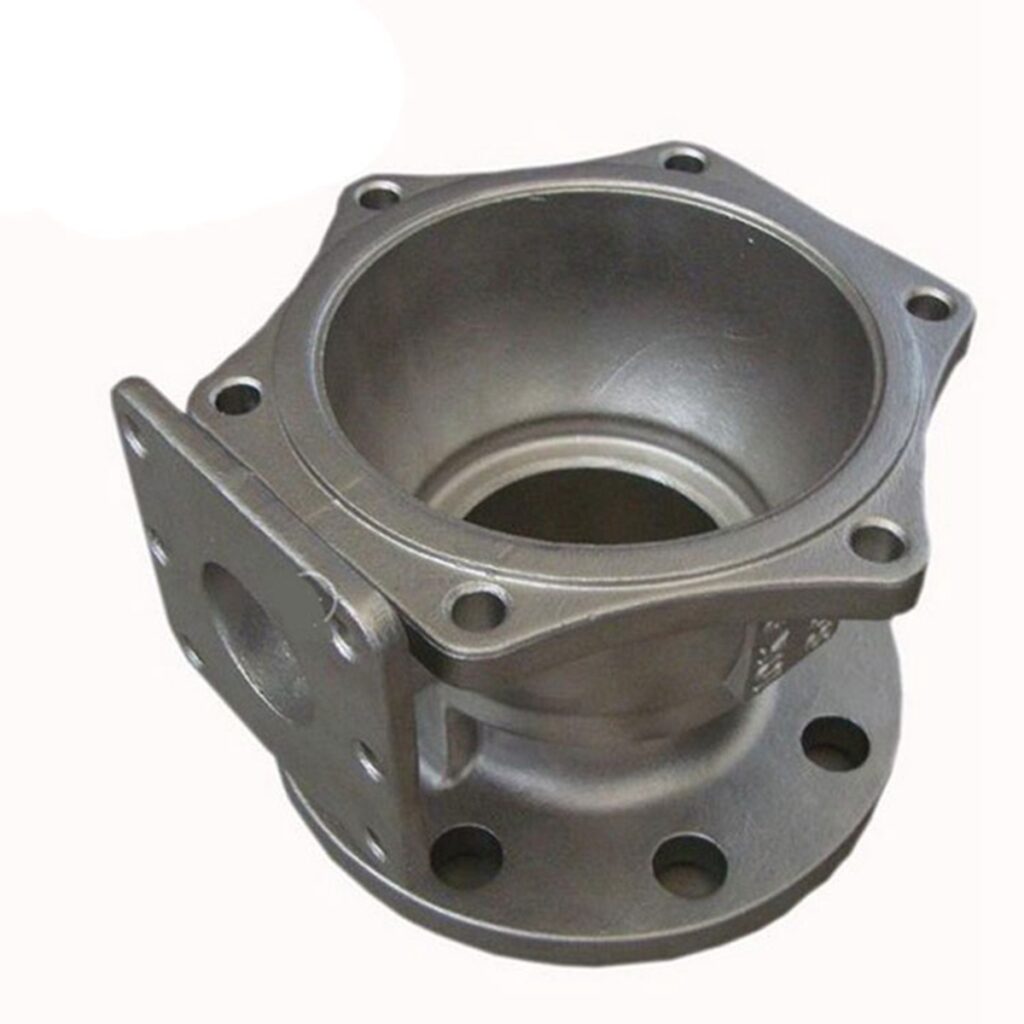
Sand casting is applicable to all metals other than exotics such as mercury and gallium. It is particularly well suited to high-cost/high-temperature materials such as titanium and nickel. It is most practical in the manufacture of relatively low cost and larger parts, often including some post machining to impose dimensional precision in the areas that […]
Materials Used in Investment Casting
Investment casting employs a diverse range of materials to meet specific performance requirements in various industries. Common metals and alloys used in investment casting include stainless steel, carbon steel, aluminum, bronze, and nickel-based alloys. Every material possesses unique characteristics, including but not limited to corrosion resistance, strength, and heat resistance. These properties render them well-suited […]