Benefits of Utilizing CNC Machining for Steel
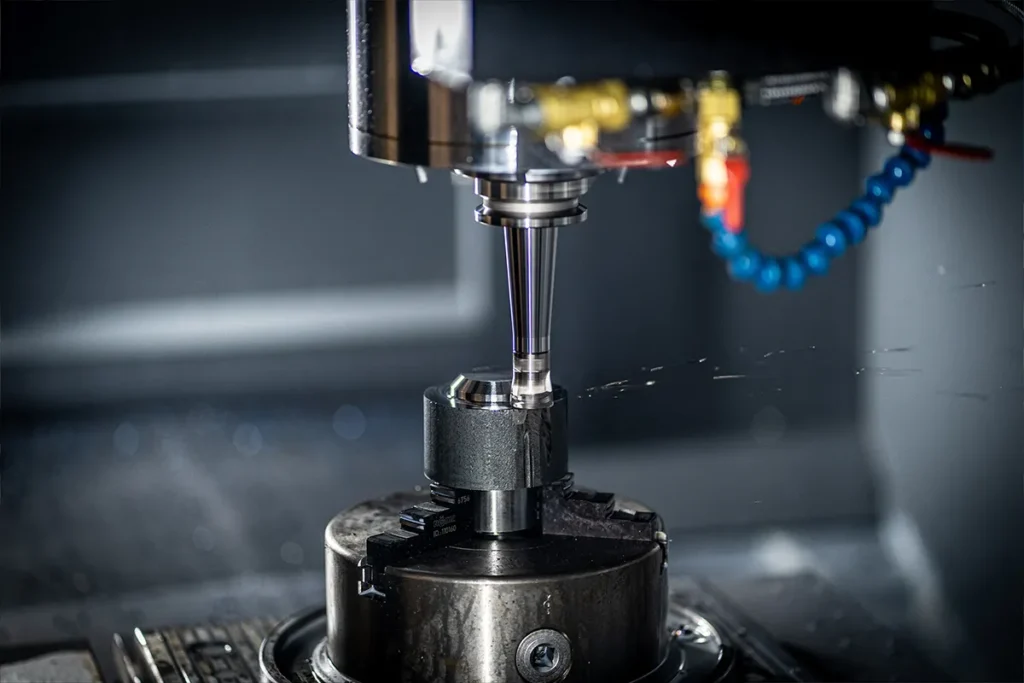
CNC machining offers several advantages when working with steel. Precision is a key benefit, as computer-controlled machining ensures accuracy in intricate designs and tight tolerances. This results in high-quality, consistent components. The versatility of CNC machining allows for the production of complex and customized steel parts, meeting diverse industrial requirements. Efficiency is another notable advantage, […]
Advantages and Disadvantages of 316 Stainless Steel
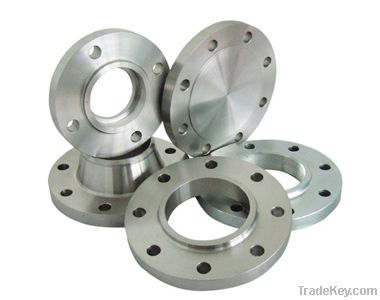
There are a handful of perks that 316 stainless steel brings to the table, including: It has the best corrosion resistance in comparison to 18/8 and 304 stainless steel thanks to its molybdenum, meaning it can handle marine environments. It can hold its own in high temperatures without corroding or breaking. It’s strong and durable […]
Key Factors in Choosing the Right Plastic for CNC Machining
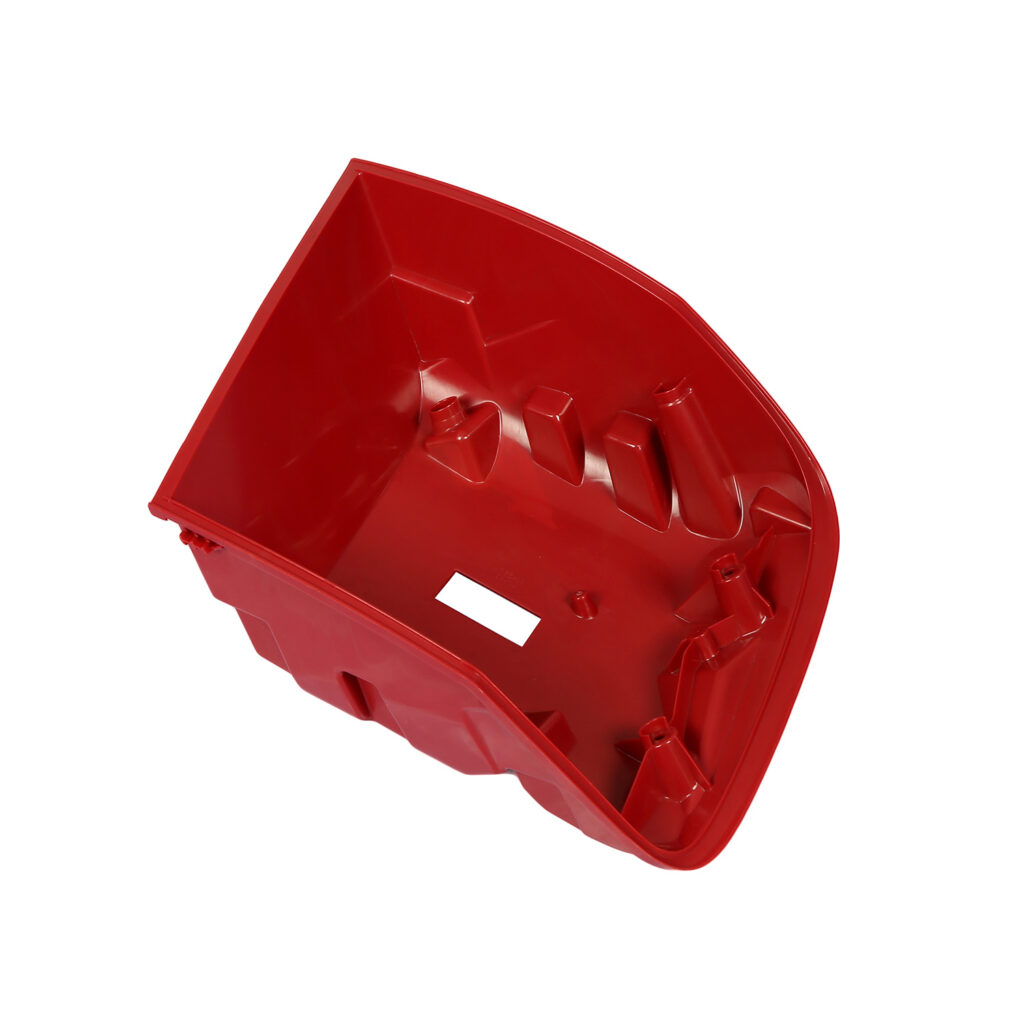
When selecting the right machinable plastic for CNC machining, several factors come into play: Strength and durability are crucial—if the part needs to handle high loads or frequent impact, opt for a material that can stand up to the wear and tear. Consider the chemical and thermal resistance. Will the part be exposed to harsh […]
What is 316 Stainless Steel?
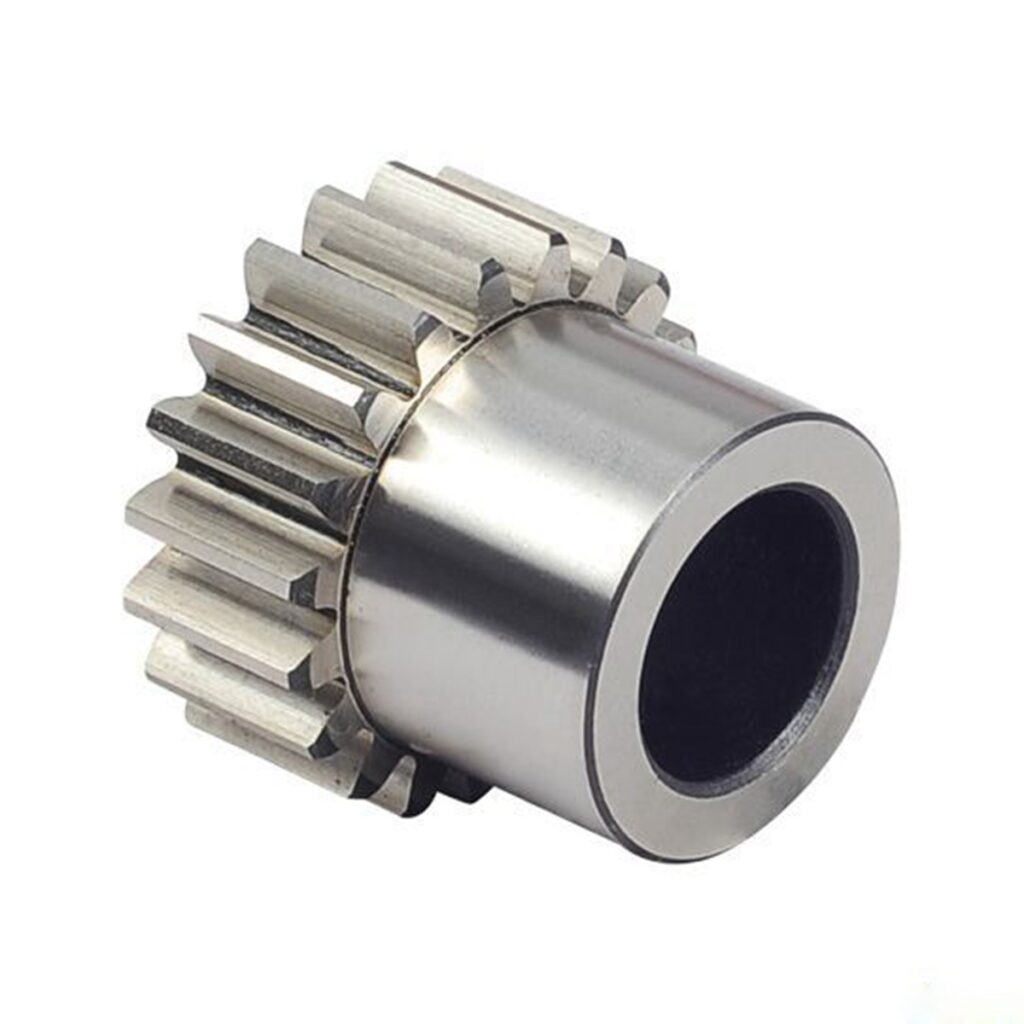
After 304, 316 is the most popular, and it stands out from the crowd because of its top-notch corrosion resistance. This gives it a one-up over the previously mentioned stainless steel types, whether you’re using it in a building or subjecting it to marine environments. It has the expected mixture of 16–18% chromium, 10–14% nickel, […]
PVC (Polyvinyl Chloride) in CNC Machining
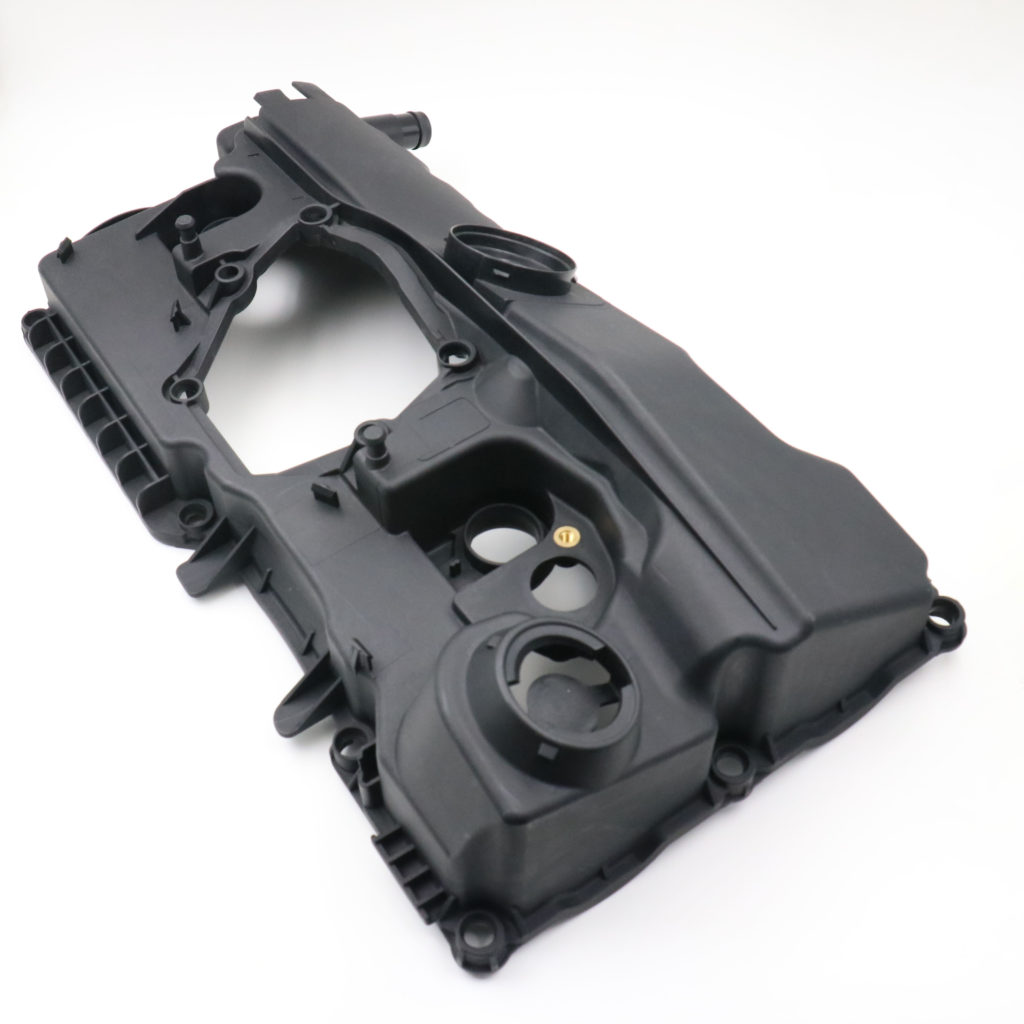
PVC (Polyvinyl Chloride) is one of the world’s most widely produced synthetic plastics, with global production exceeding 40 million tons annually. Known for its low cost—approximately $0.50 to $0.80 per pound—it offers excellent chemical resistance and rigidity. This makes it a top choice in construction, where PVC pipes account for about 66% of plastic piping […]
Advantages and Disadvantages of 304 Stainless Steel
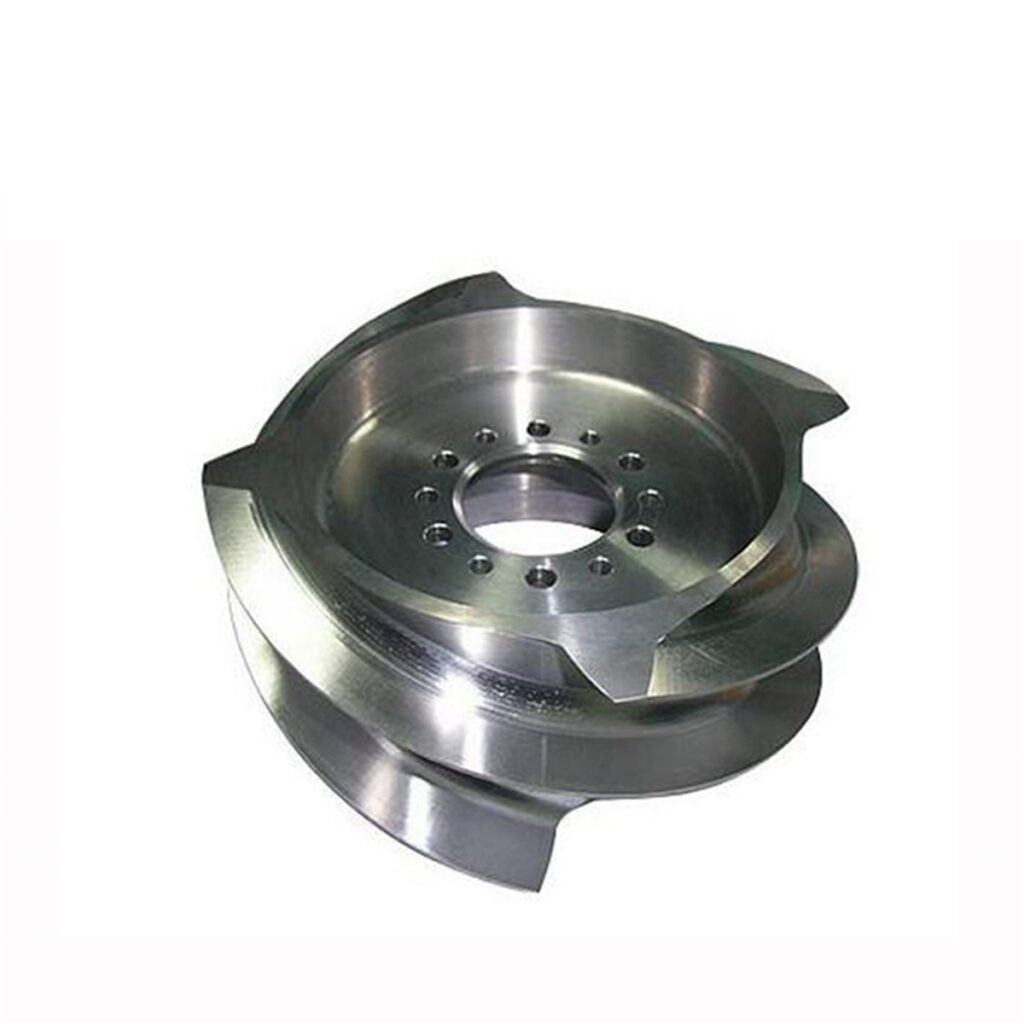
Below, we’ve listed some of the benefits that come with using 304 stainless steel: It has a higher tensile strength than 316. It can be used for everything from cookware and water piping to medical devices. Its cost is lower, especially if corrosion resistance isn’t a top priority for you. There are also a […]
What is 304 Stainless Steel?
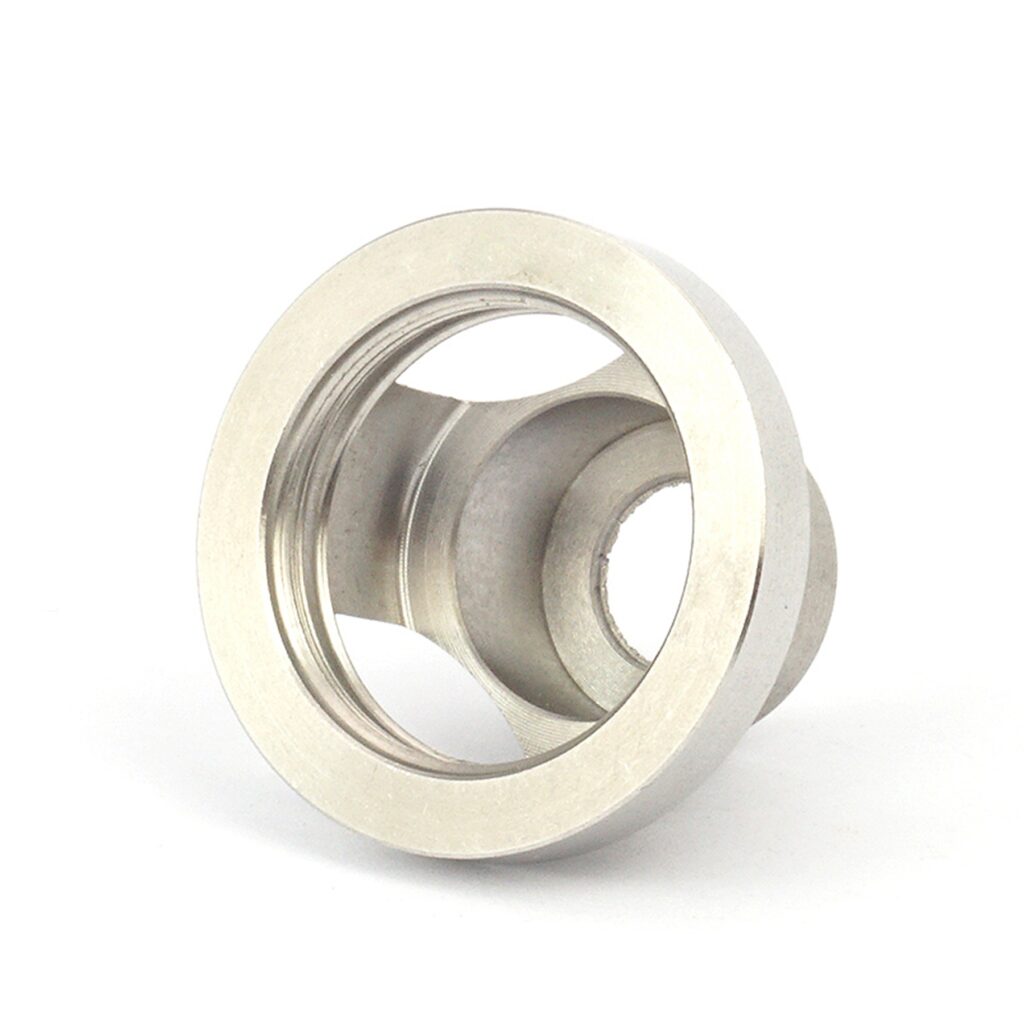
304 stainless steel can hold the official title for the most popular grade overall and is certainly a hit with our customers. That’s thanks to its corrosion resistance and ability to handle high temperatures and corrosive chemicals. Whether it’s used in sheet form or molded into a fuel tank for a car, it’s a very versatile version […]
POM (Polyoxymethylene, Acetal) in CNC Machining
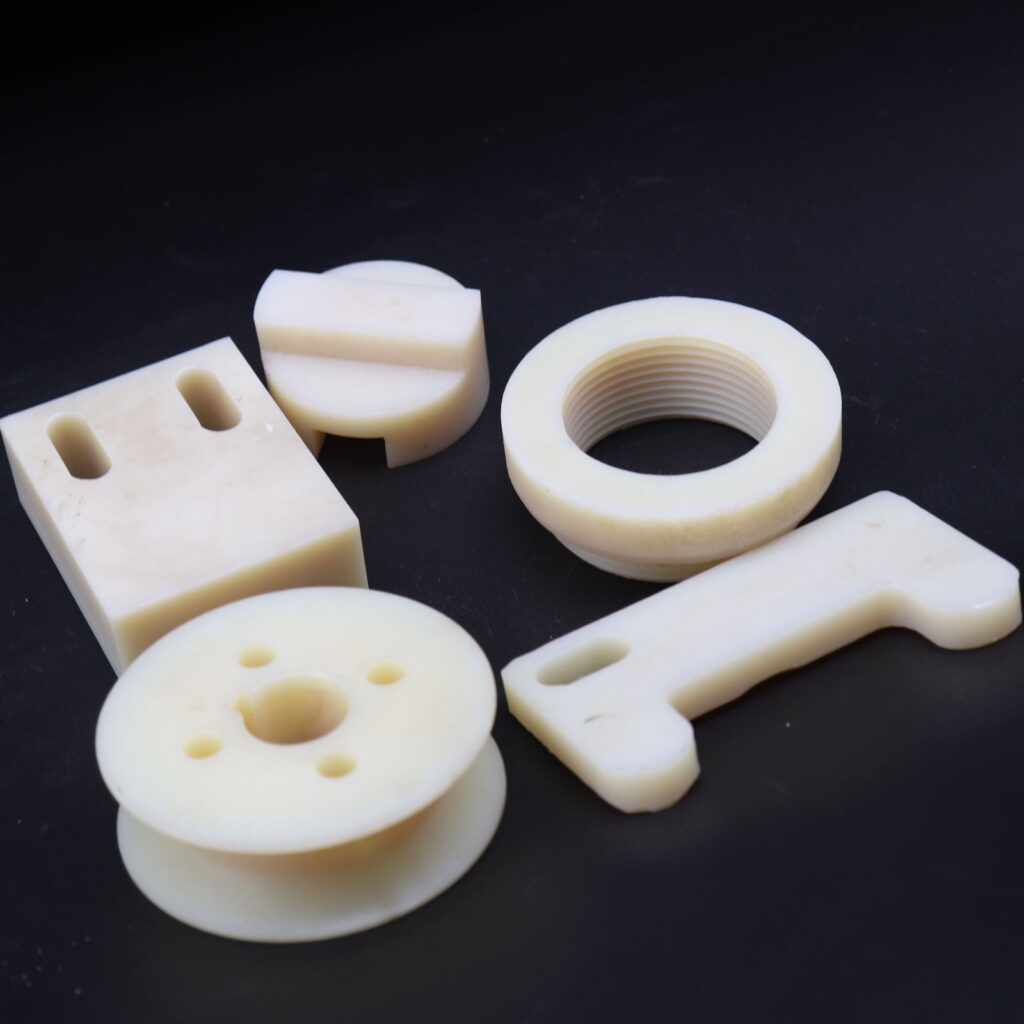
Polyoxymethylene (POM), also known as acetal, is valued for its high stiffness, low friction, and excellent dimensional stability. These traits make it a top choice for precision parts in industries like automotive, medical, and electronics. Whether it’s a gear or a valve, POM holds up under demanding conditions, maintaining its shape and function over time. […]
Nylon (Polyamide, PA) in CNC Machining
Nylon (Polyamide, PA) stands out for its high strength, flexibility, and impressive wear resistance. This makes it ideal for gears, bearings, and bushings, where reducing friction is key. Its ability to handle repeated stress and resist abrasion ensures long-lasting performance in mechanical parts. Nylon’s flexibility also means it can absorb shock, a valuable trait in […]
What is Laser Cutting?
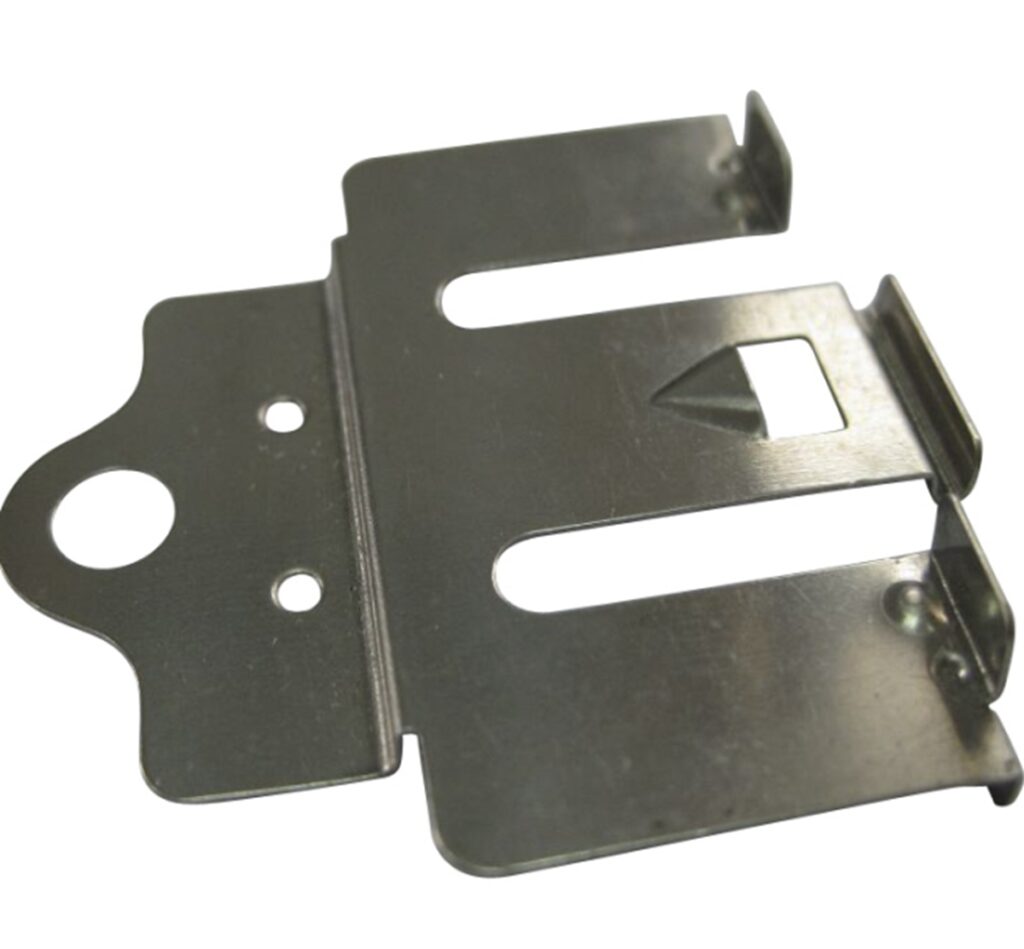
Laser cutting allows cuts through a material with a concentrated laser beam that melts and separates a local part of it. In most cases, the process will be accompanied by a gas that blows the melted material out of the way, or the freshly cut material will be turned from a solid to a gas […]