Every metal component carries an invisible burden: residual stress. These internal forces—locked into the material during casting, welding, machining, or heat treatment—can cause unexpected distortion, cracking, or premature failure. At Juize Machinery, we identify and mitigate residual stress before it affects your components. As a Gold Verified Supplier on Alibaba, our process planning includes stress management as a standard practice.
Where Residual Stress Comes From
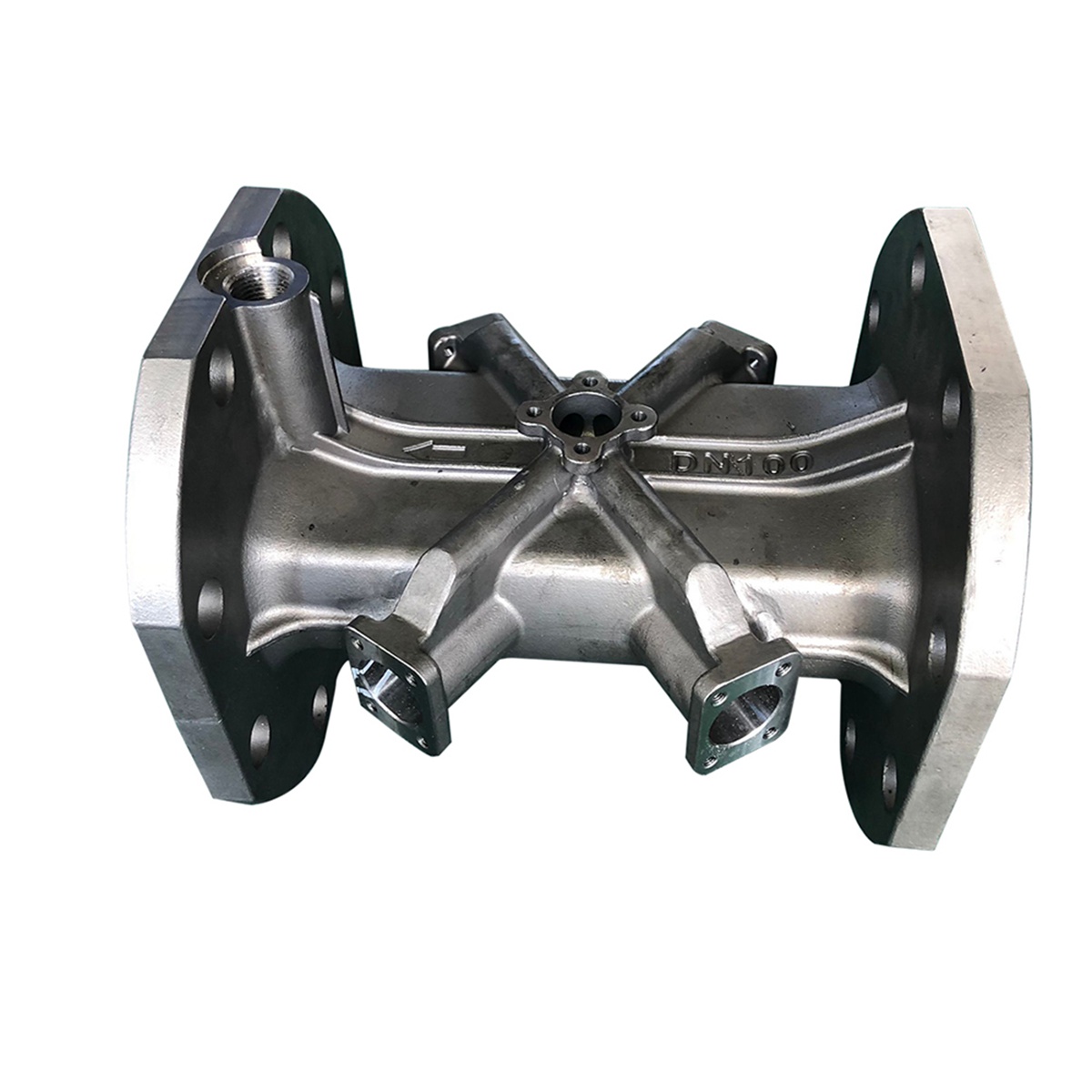
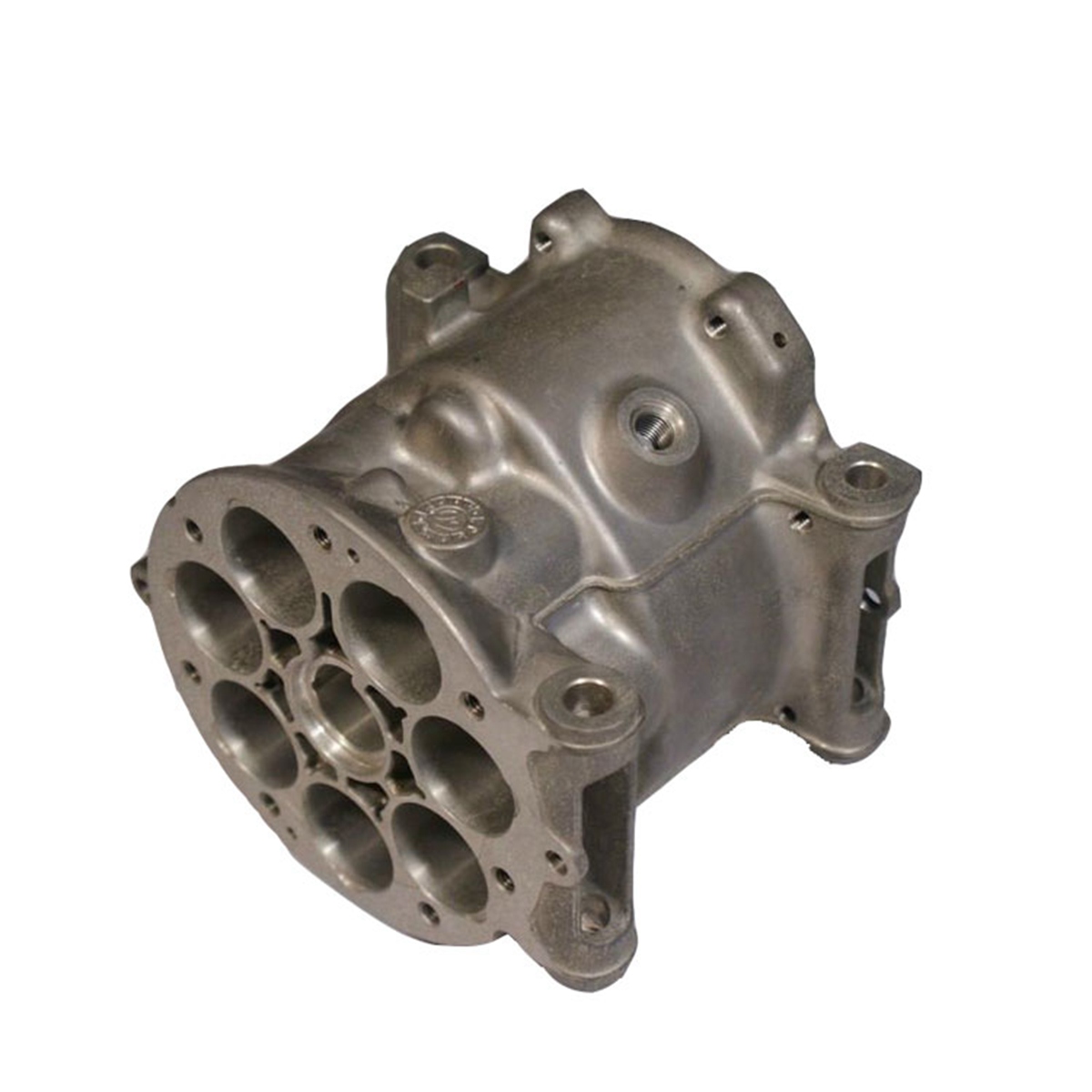
Casting: Uneven cooling creates thermal stresses locked into the structure
Welding: Localized melting and solidification generate intense residual stress
Machining: Surface compression from cutting operations
Cold Working: Bending, rolling, or forming leaves permanent internal forces
The Problems Stress Creates
Residual stress doesn’t always cause immediate failure, but its effects emerge over time:
Machining Distortion: Stress releases during cutting, causing parts to warp off the machine
Dimensional Instability: Stored stress slowly relaxes, changing critical dimensions weeks after production
Stress Corrosion Cracking: Combined with corrosive environments, residual stress accelerates crack growth
Reduced Fatigue Life: Tensile residual stress lowers resistance to cyclic loading
Our Stress Management Strategies
- Stress Relieving (Thermal)
The most common method: heating components to a specific temperature (typically 500-650°C for steels), holding to allow stress relaxation, then cooling uniformly. This reduces residual stress by 50-90% without significantly altering hardness. - Vibratory Stress Relief
Mechanical vibration at controlled frequencies redistributes internal stresses. Effective for welded fabrications and large components where furnace treatment is impractical. - Process Sequencing
We plan operations to minimize stress buildup:
Rough machining before stress relief, finish machining after
Balanced weld sequences to counteract contraction forces
Gradual cooling rather than quenching where properties permit
- Cryogenic Treatment
Extreme cold (-190°C) completes phase transformations, stabilizing dimensions for precision components.
Verification
We verify stress relief effectiveness through:
Dimensional monitoring before and after treatment
Residual stress measurement (X-ray diffraction or hole-drilling method)
Long-term stability testing for critical components