What Products Can/Can’t Be Powder Coated?
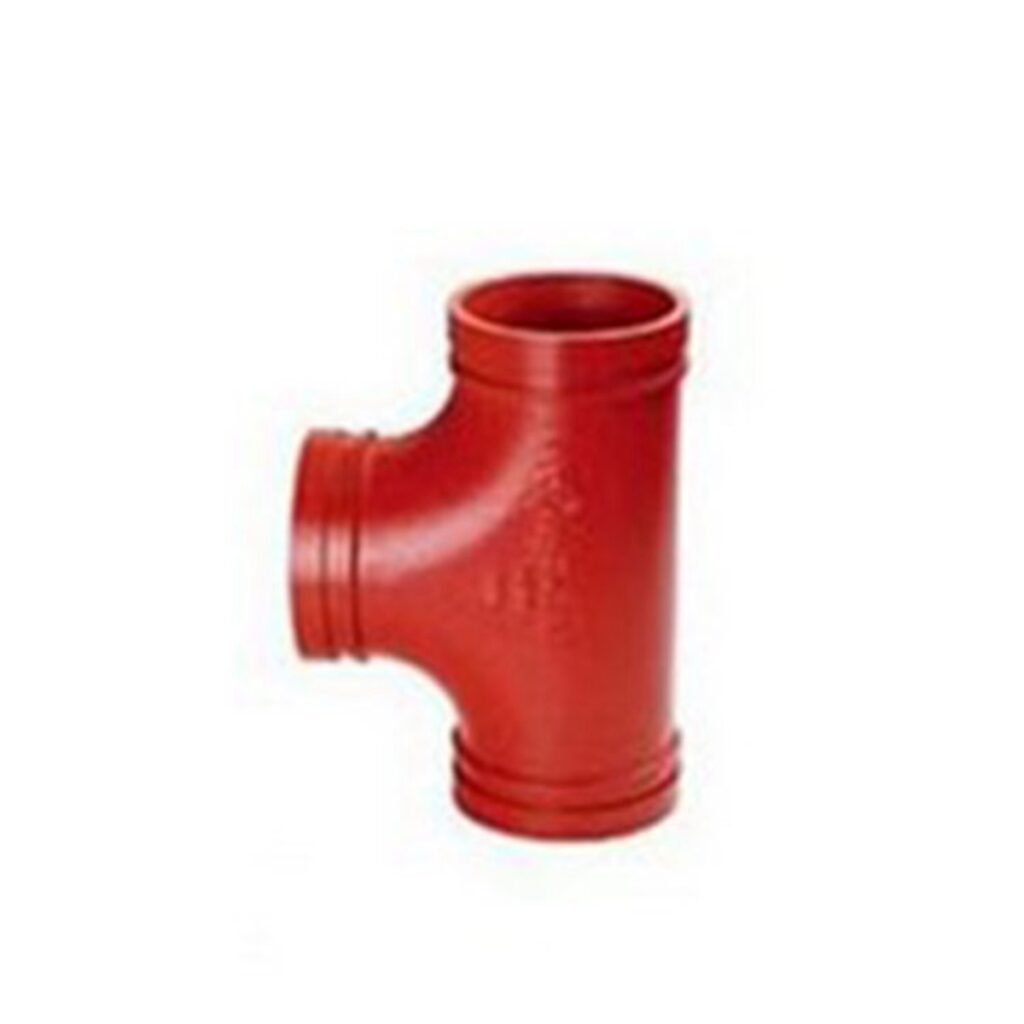
What Products Can Be Powder Coated? Powder coating can be applied to a wide variety of products, and is only held back by how evenly the dry particles adhere to a given surface. Some examples of products that are regularly powder coated include: Automotive parts like car and truck wheels, bumpers, internals, and other components […]
Milling
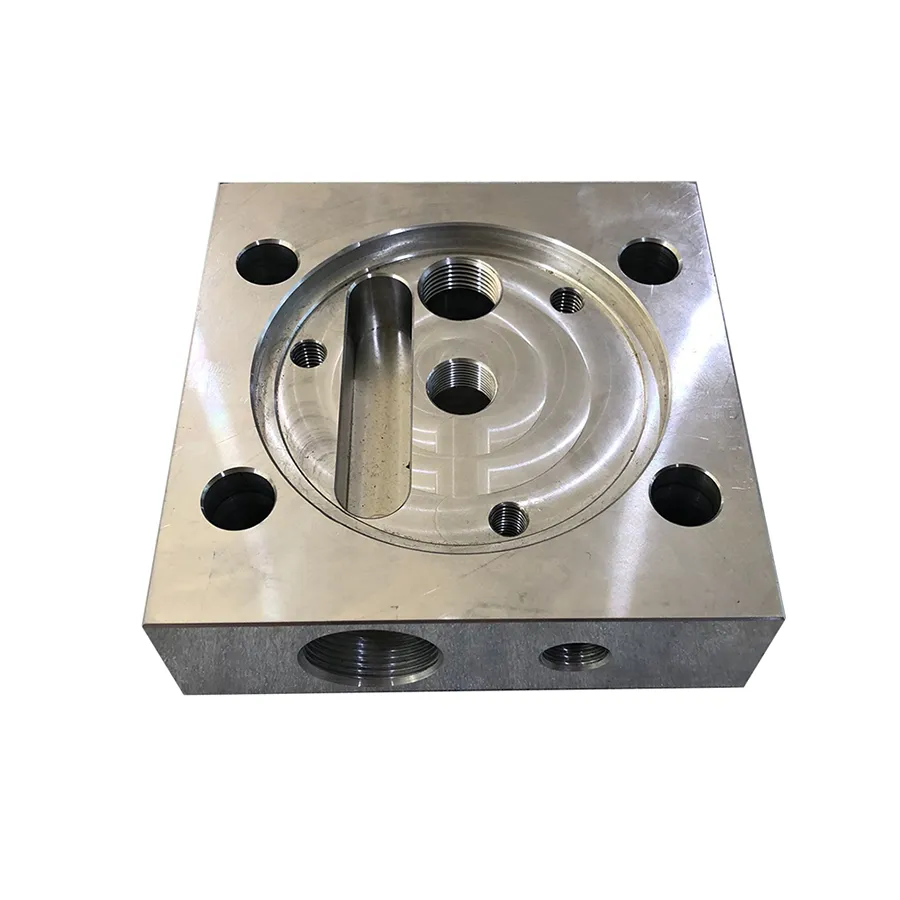
Milling is fixing the blank, and using a high-speed rotating milling cutter to move on the blank to cut out the required shapes and features. Conventional milling is used more for simple shapes/features such as contours and slots. CNC milling machines can process complex shapes and features. The milling and boring machining center can perform […]
Turning
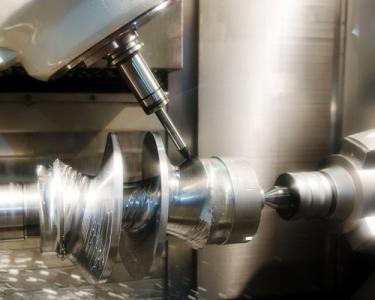
Refers to lathe machining as part of mechanical machining. Lathe machining mainly uses turning tools to turn the rotating workpiece. Lathes are mainly used to process shafts, discs, sleeves, and other workpieces with revolving surfaces, and are the most widely used type of machine tool in machinery manufacturing and repair factories. Turning is a method […]
Benefits of Powder Coating
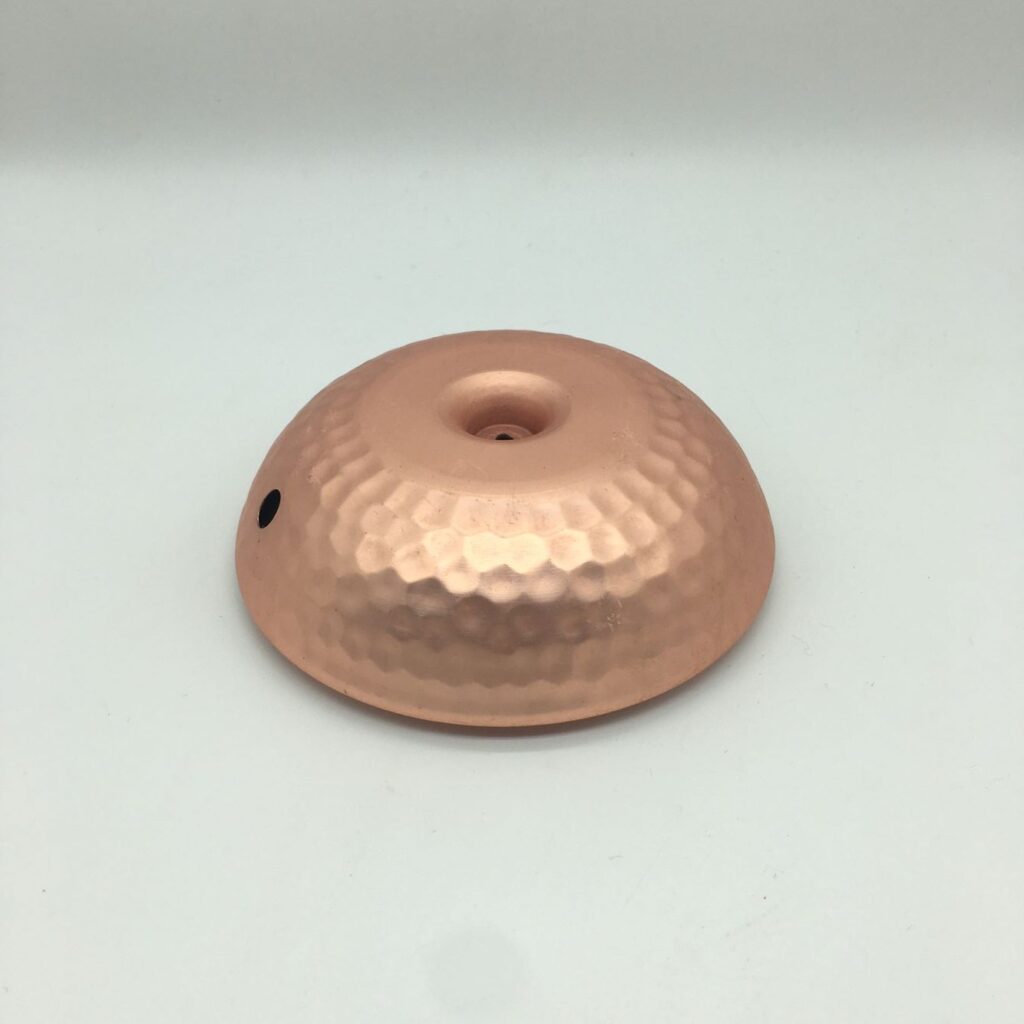
Some benefits of powder coating include: Improved Durability & Lifespan Enhanced Aesthetics Environmental Friendliness Cost-Effectiveness Improved Durability & Lifespan Powder coating provides a protective layer on the surface of the material that is more durable and resistant to wear, abrasion, and corrosion than liquid coatings. Powder coating can also extend the lifespan of the […]
Powder Coating Process – How Does Powder Coating Work?
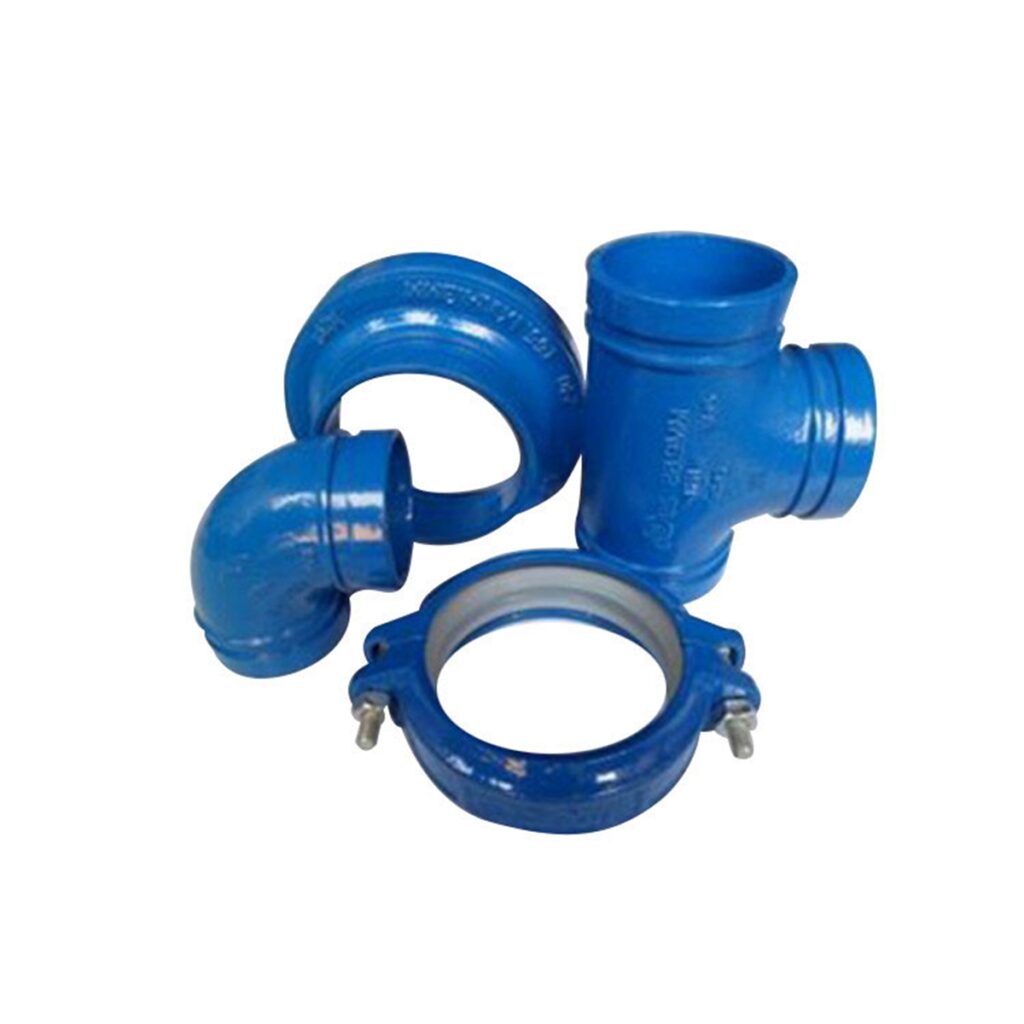
Powder coat application, as opposed to traditional liquid coating, is achieved through a multi-step process. The steps of the powder coating process typically include: Powder Preparation The polymer, hardneners, colorants, and other additives are blended together in a mixer. This mixture is then extruded, hardened, and then converted into small pieces, which are then milled […]
Sand casting
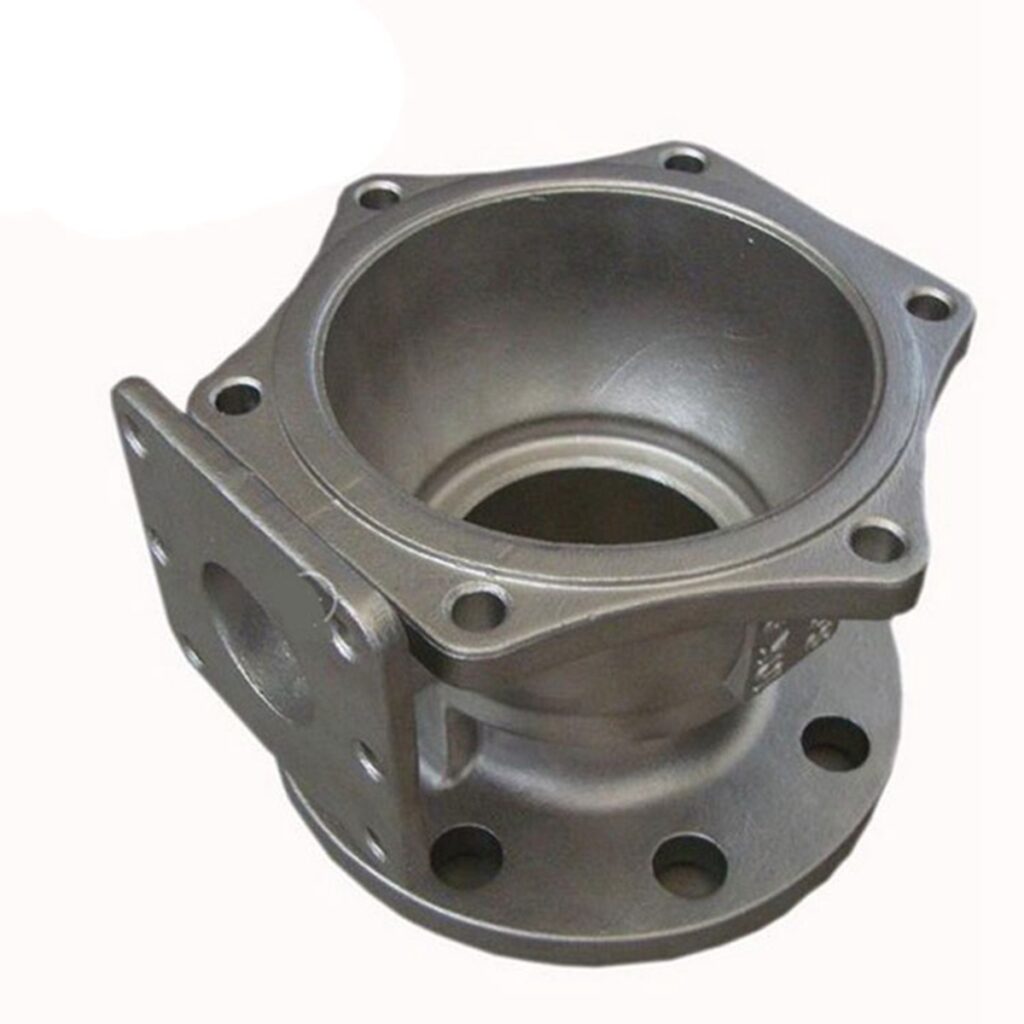
It is the use of sand to make molds. Sand casting involves placing a finished part model or a wooden model (pattern) in the sand, then filling the pattern with sand over the weekend, and unpacking the pattern to form a mold. To take out the model before pouring the metal, the mold should be […]
What is Powder Coating?
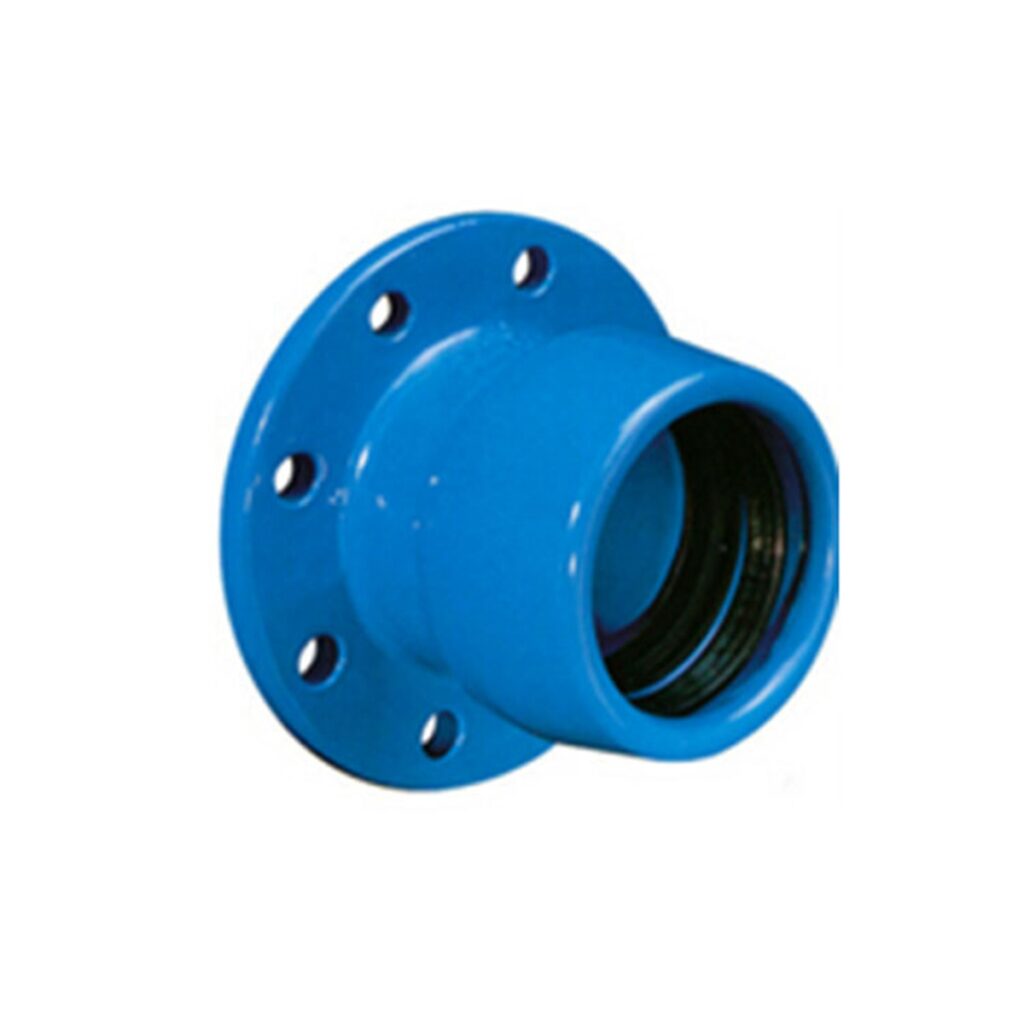
Powder coating is the process of applying protective coatings to surfaces by applying dry, electrostastically charged powders of typically thermoset or thermoplastic polymer onto a grounded surface using a specialized spray gun, forming a thin and even coat. Once applied, the coated surface is heated and/or cured to fuse the powder into a durable finish. […]
Forging
It is a processing method that uses a forging machine to apply pressure to a metal blank to plastically deform it to obtain a forging with certain mechanical properties, certain shape and size, and one of the two major components of forging (forging and stamping). Through forging, defects such as as-cast looseness produced by the […]
Metal Stamping by Industry

We offer metal stamping services that cater to a variety of different industries and applications. Our metal stamping industries include, but aren’t limited to: Automotive, Aerospace, and Medical. See more information below: Automotive Metal Stamping – Metal stamping can be used to create hundreds of different automotive parts, from the chassis, to the door panels, […]
Die casting

It is a metal casting process characterized by the use of a mold cavity to apply high pressure to molten metal. Molds are usually machined from stronger alloys, a process somewhat similar to injection molding. Its essence is a method of filling the cavity of a die-casting mold (die-casting mold) at a high speed […]