The Process of Sand Casting
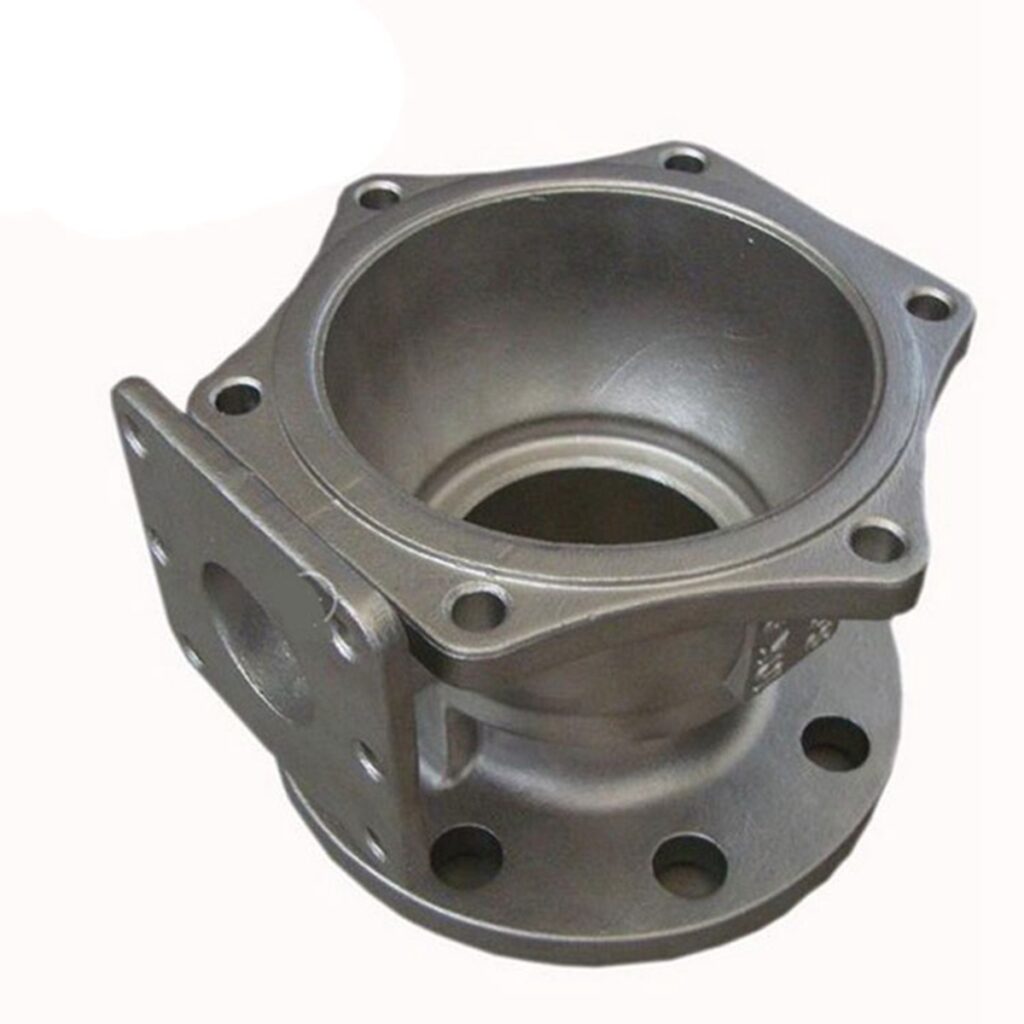
How Does Sand Casting Work? Sand casting works by generating a mold by forming a packed sand body around a wooden or rapid prototype master/pattern (or a part to be copied/reproduced). This mold requires features related to gas venting, fill and thermal compensation volumes, and core support, and it can then be filled with molten […]
Stainless steel for investment casting
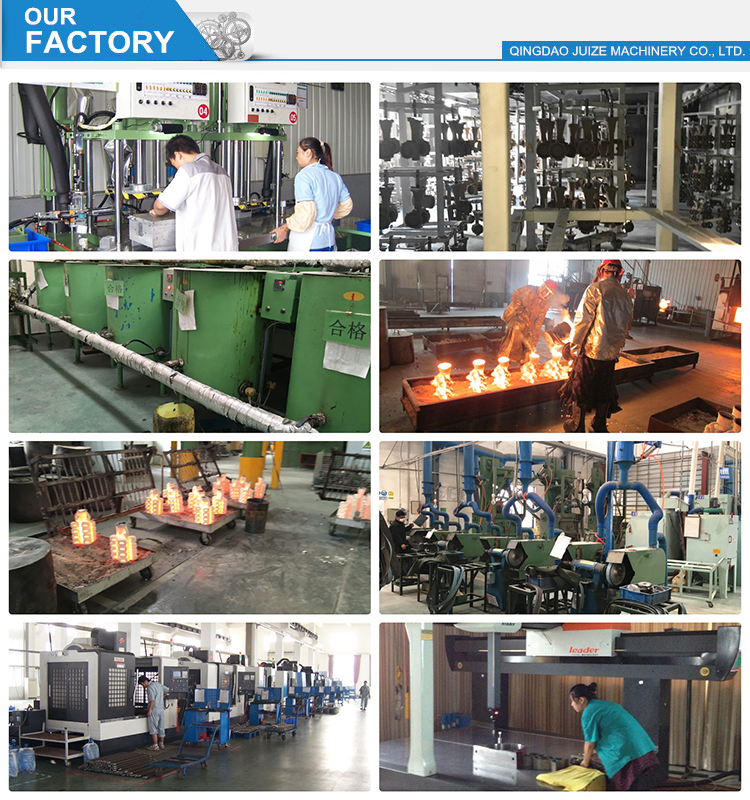
Stainless acid-resistant steel is referred to as stainless steel. It is composed of stainless steel and acid-resistant steel. In short, steel that can resist atmospheric corrosion is called stainless steel, while steel that can resist corrosion by chemical media (such as acids) is called acid-resistant steel. Generally speaking, steel with a chromium content of more […]
What Is Sand Casting?
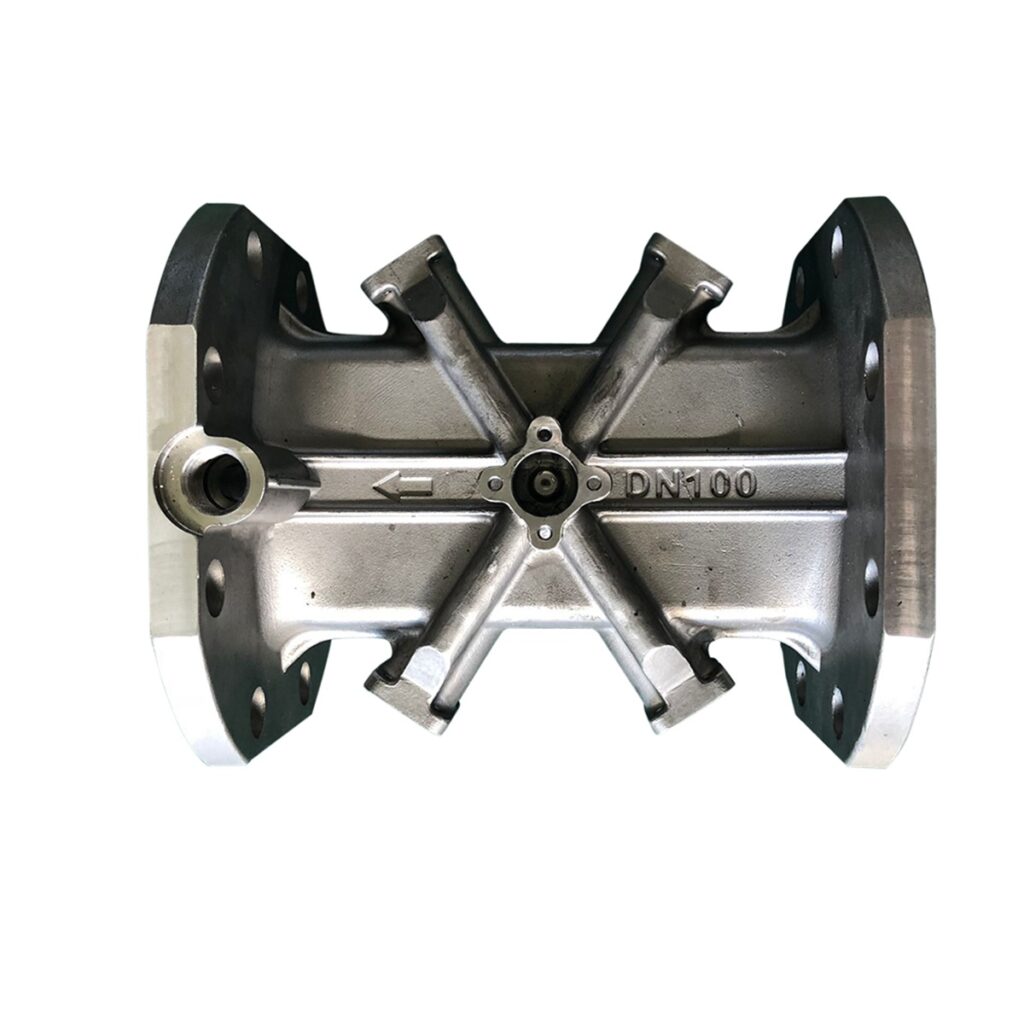
Sand casting is a commonly employed and very ancient metal casting technique. It involves forming cavities within packed and bonded sand that is then charged with molten metal. The chosen metal solidifies to reproduce the cavity shape in fine detail. The most common technique uses a pair of boxes into which is packed […]
The process of Intercooler
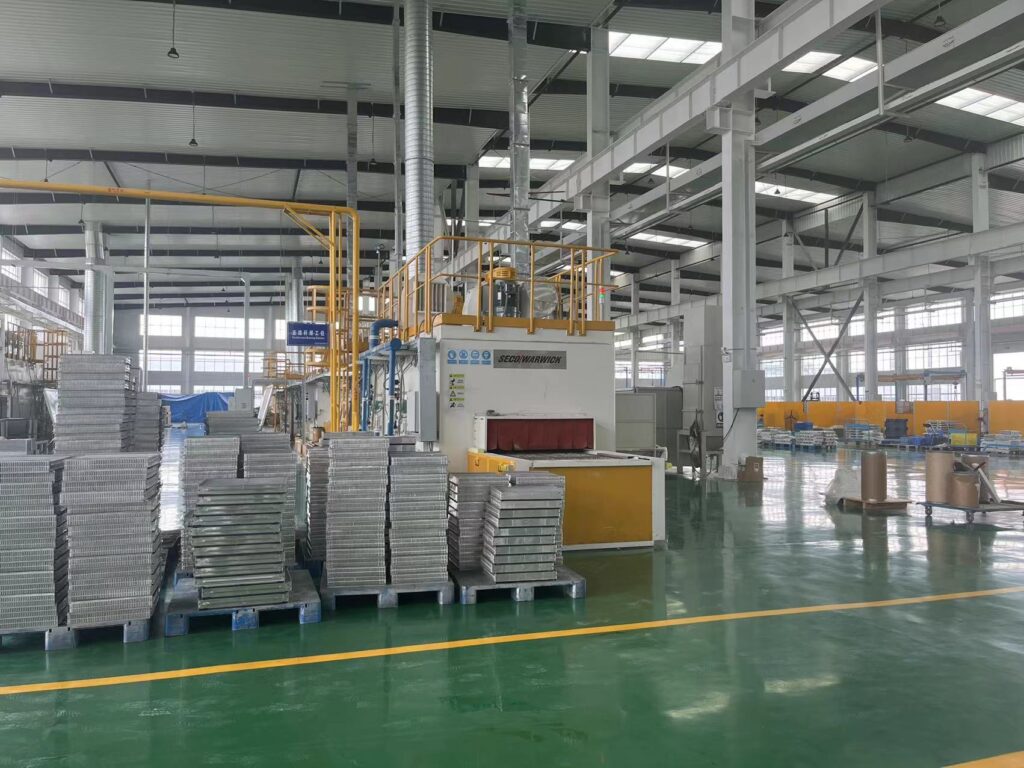
An intercooler is a heat exchanger that is used to cool the air that has been compressed by a turbocharger or supercharger before it enters the engine. This allows for a denser and cooler air charge to enter the engine, which can increase power and improve fuel efficiency. Intercoolers can come in various designs and […]
How To Choose Between Thread Milling and Tapping?
Selecting between thread milling and tapping depends on various factors. The decision should be based on the specific needs of your machining application. Generally, it is best to use tapping when you need to make multiple holes with little variations in size. Some key considerations to help you weigh the two options are: speed, power, […]
Alloy tool steel for mold
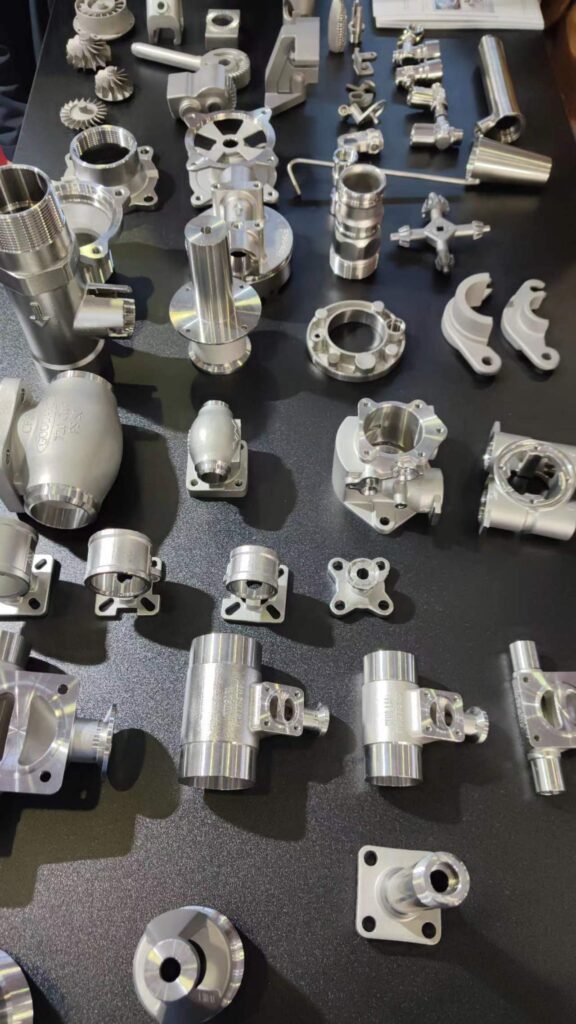
Alloy tool steel is medium and high carbon steel containing a variety of alloying elements, such as silicon, chromium, tungsten, molybdenum, vanadium, etc. Alloy tool steel is easy to harden and is not prone to deformation and cracks. It is suitable for manufacturing cutting tools, molds, and measuring tools with large sizes and complex shapes. […]
Alloy structural steel for forging

The carbon content of alloy structural steel is lower than that of carbon structural steel, generally in the range of 0.15%-0.50%. In addition to carbon, it also contains one or several alloying elements, such as silicon, manganese, vanadium, titanium, boron and nickel, chromium, molybdenum, etc. Alloy structural steel is easy to harden and not easy […]
What Is Tapping?
Tapping is a process used to create threads, typically internal threads, in a hole or opening in a workpiece. It involves the use of a tap, which is a dedicated cutting tool for threads. The tool essentially functions similarly to an ordinary drill. The cutting element of a tap is its thread, while the indented […]
Low alloy steel for CNC machining
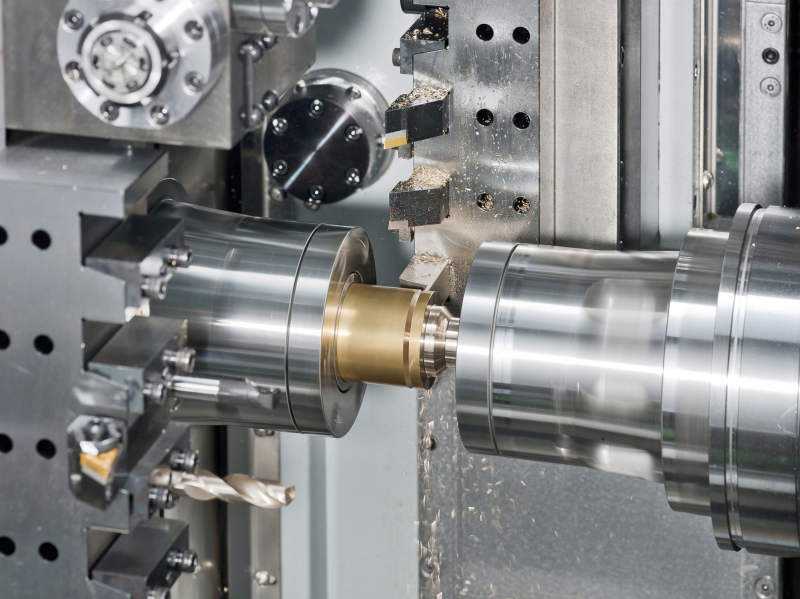
Ordinary low alloy steel is a common alloy steel containing a small amount of alloying elements (the total amount does not exceed 3% in most cases). This kind of steel has relatively high strength, relatively good comprehensive properties, corrosion resistance, wear resistance, low-temperature resistance, good cutting performance, welding performance, etc. Under the condition of saving […]
Thread Milling
Thread milling is a machining process that involves using a specialized cutting tool called a thread mill to create internal or external threads in a workpiece. It involves cutting threads, whether they are internal threads within a hole or external threads encircling a workpiece, through the controlled circular movement of a rotating tool. The key […]