Laser Engraving Applications
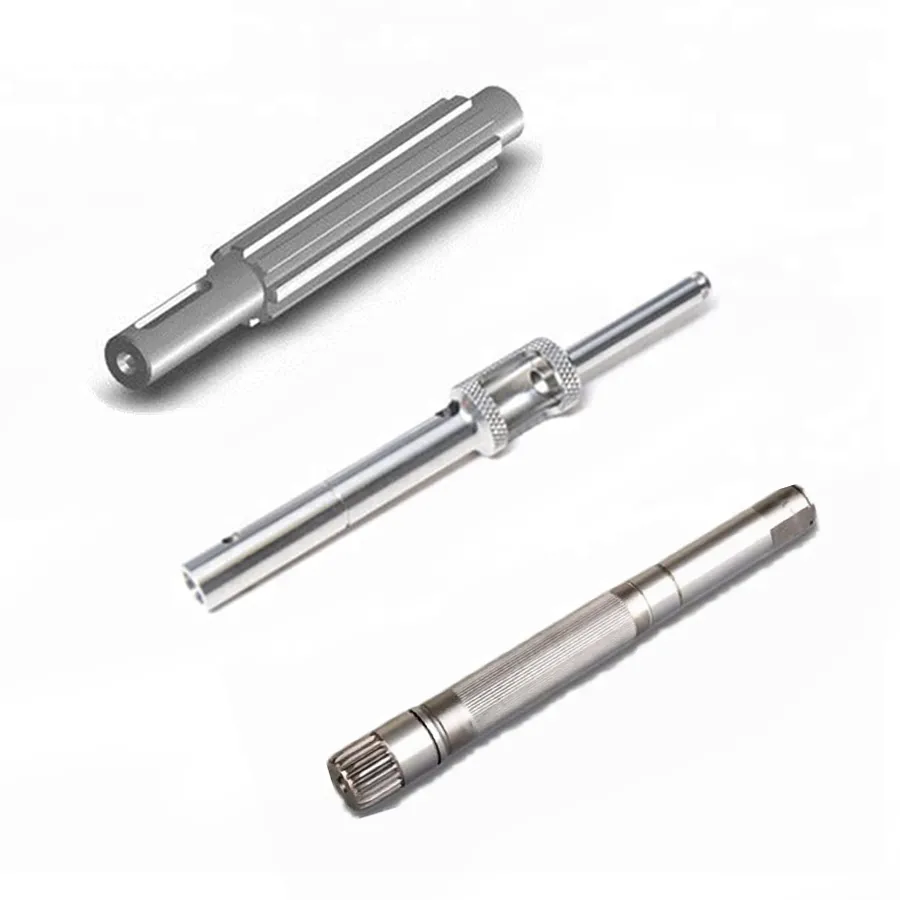
Despite its limitations in terms of versatility, laser engraving remains a highly adaptable technology with extensive applications. Here are a few typical applications for laser engraving, along with some examples of industries that profit from them: Awards and Trophies Barcode Creation Decorative or Commemorative Annotations Medical and Electronic Components Signage Awards and Trophies Many people […]
The role of carbon in steel
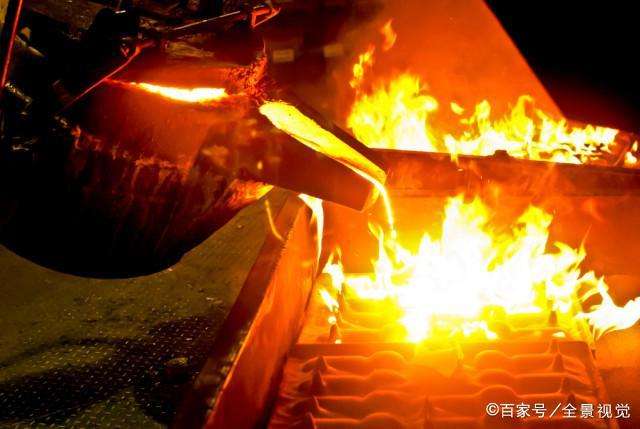
Carbon is the main alloying element of steel materials, so steel materials can also be called iron-carbon alloys. The main functions of carbon in steel are: 1) Form a solid solution structure to improve the strength of steel, such as ferrite and austenite structures, both of which contain dissolved carbon elements; 2) The […]
Laser Engraving Advantages
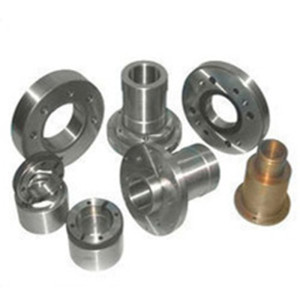
Laser engraving is a popular option in many industries because it has several benefits over conventional engraving techniques. Here are some of the main benefits of laser engraving, as well as instances where these benefits are especially helpful: Accuracy Fast Fulfillment Flexibility Tactile Markings Wear and Tear Resistant Accuracy Intricate designs and minute details are […]
Investment casting VS Die casting
Should you choose investment casting or die casting to manufacture your product? Through this article, I hope you can see the answer you want! What is Investment Casting? Investment casting, also known as lost wax casting, or lost wax casting, making a part using investment casting is usually a more time-consuming process in […]
What Is Laser Engraving?
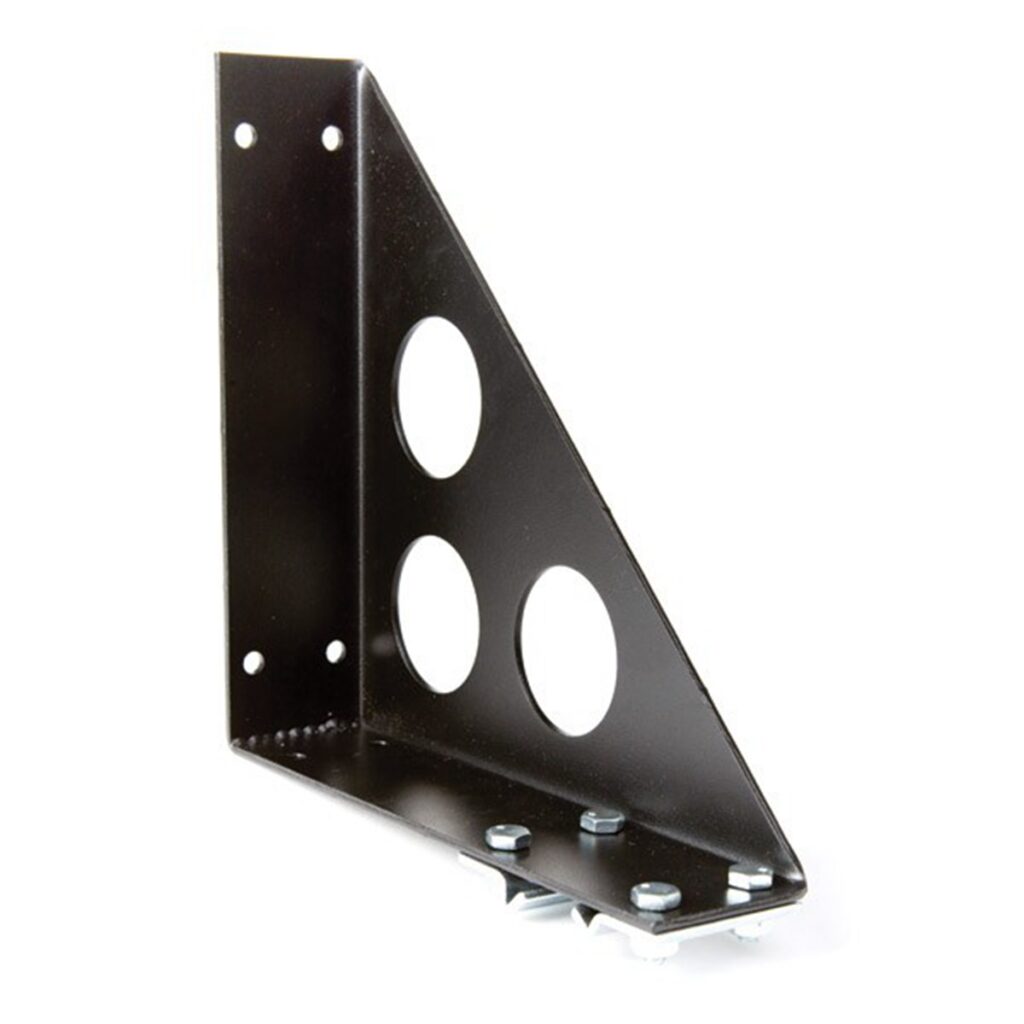
Laser engraving involves marking a surface with a laser beam to produce text and graphics. By focusing the laser beam on the material’s surface, it heats and vaporizes the material in a controlled manner to produce exact and long-lasting markings. Metal Laser Engraving Using a laser, metal surfaces can be etched or marked with […]
The impact of mold wear and failure on castings
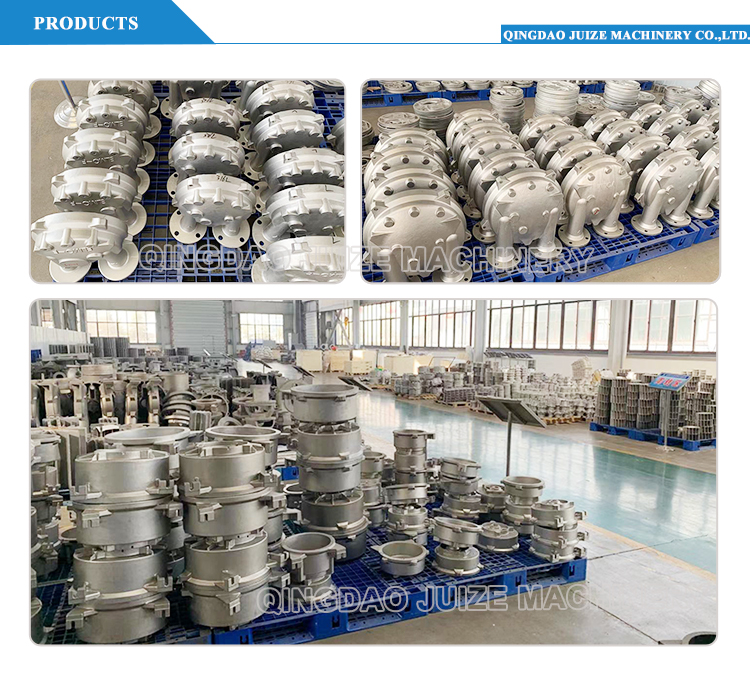
The phenomenon that the contact surface of the mold gradually loses material due to the relative movement of the mold surface is called wear. When the mold is working, it will come into contact with the forming surface of the blank, causing relative motion and causing wear. When this wear changes the mold’s size or […]
Morphological classification of stainless steel
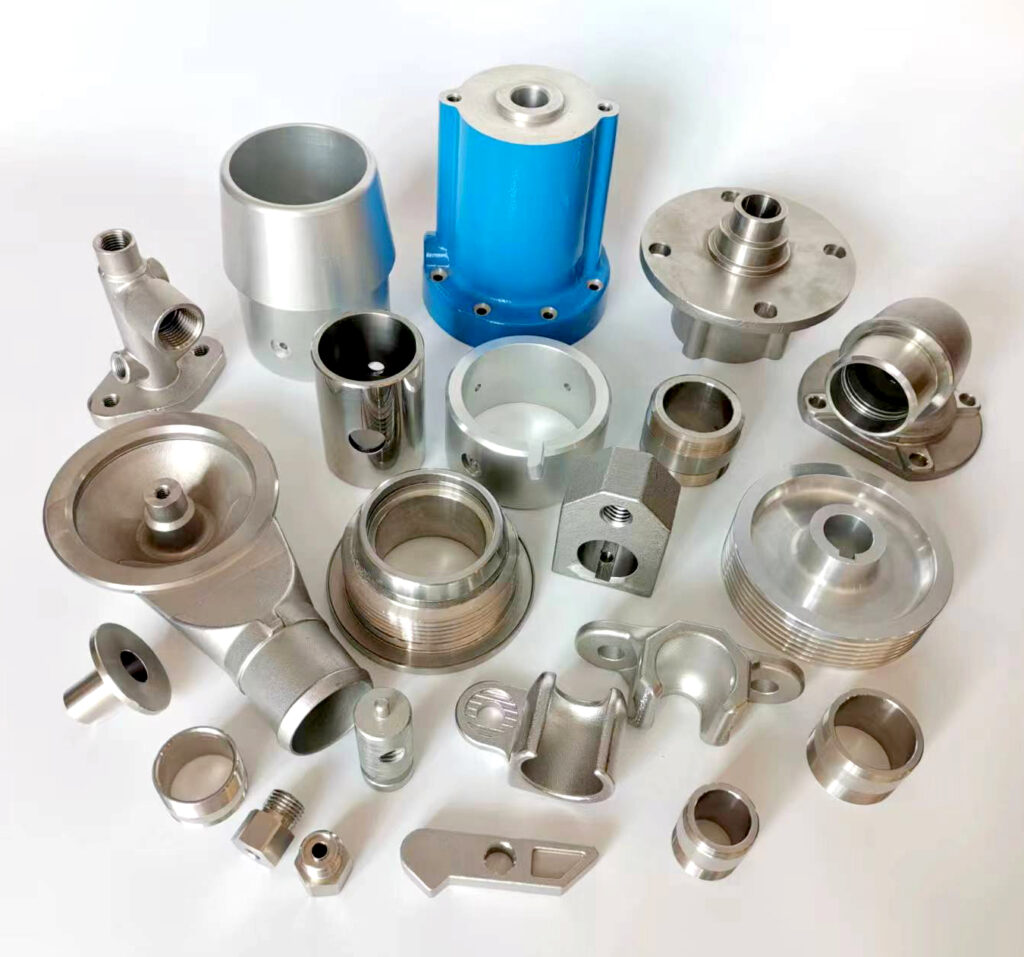
Stainless steel can be divided into five categories: coils, plates, profiles, steel pipes, and parts, the most important being coils and plates. Profiles are materials of various shapes made of plates, including angle steel, flat steel, I-beam, and channel steel. Steel pipe mainly refers to seamless steel pipe, and the opposite of seamless steel pipe […]
Applications of Metal 3D Printing in Various Industries
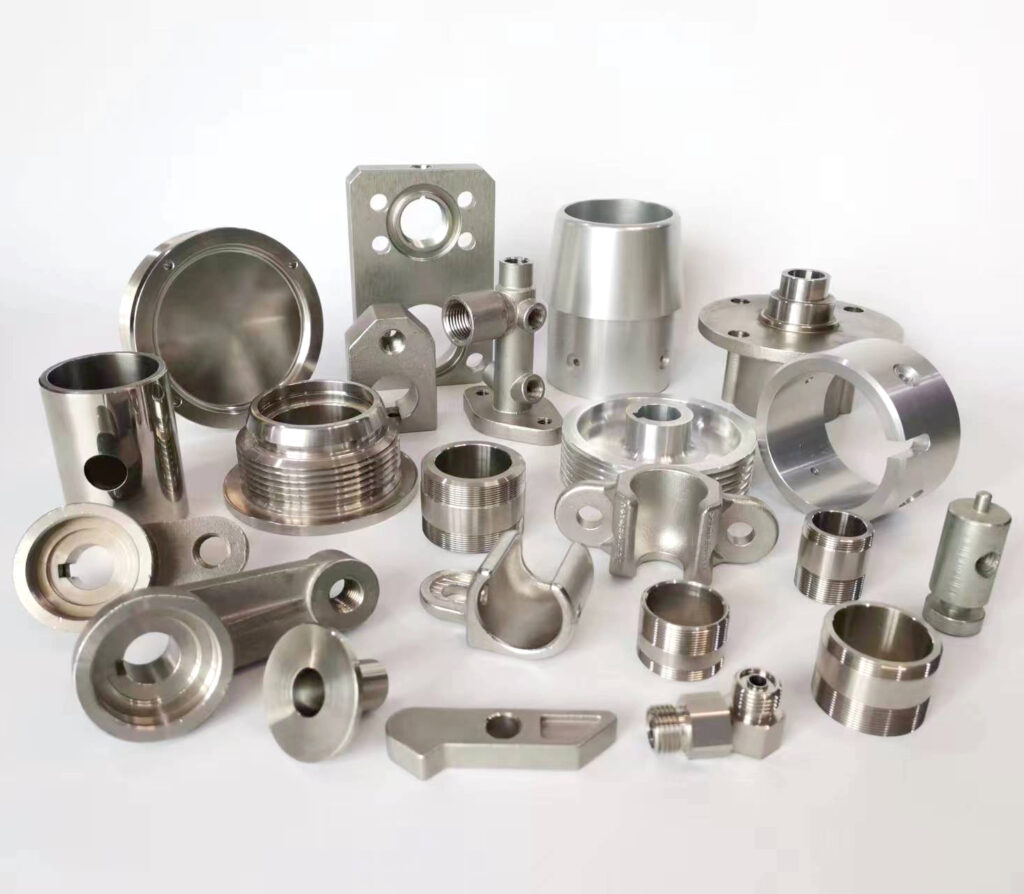
Metal 3D printing can be used for rapid industrial tooling, where the metal 3D print can be used for parts with complex curvatures and small, thin-walled parts like conformal jigs and fixtures, stamps, dies, and cutting inserts. For other industries like consumer products, robotics, aerospace, and defense, metal 3D printing can be used for integrated […]
The role of carbon in steel casting
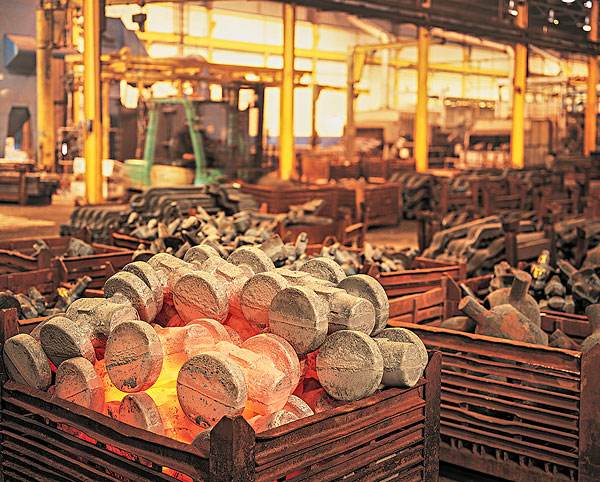
Carbon is the main alloying element of steel materials, so steel materials can also be called iron-carbon alloys. The main functions of carbon in steel are: 1) Form a solid solution structure to improve the strength of steel, such as ferrite and austenite structures, both of which contain dissolved carbon elements; 2) The […]
Advantages of Metal 3D Printing
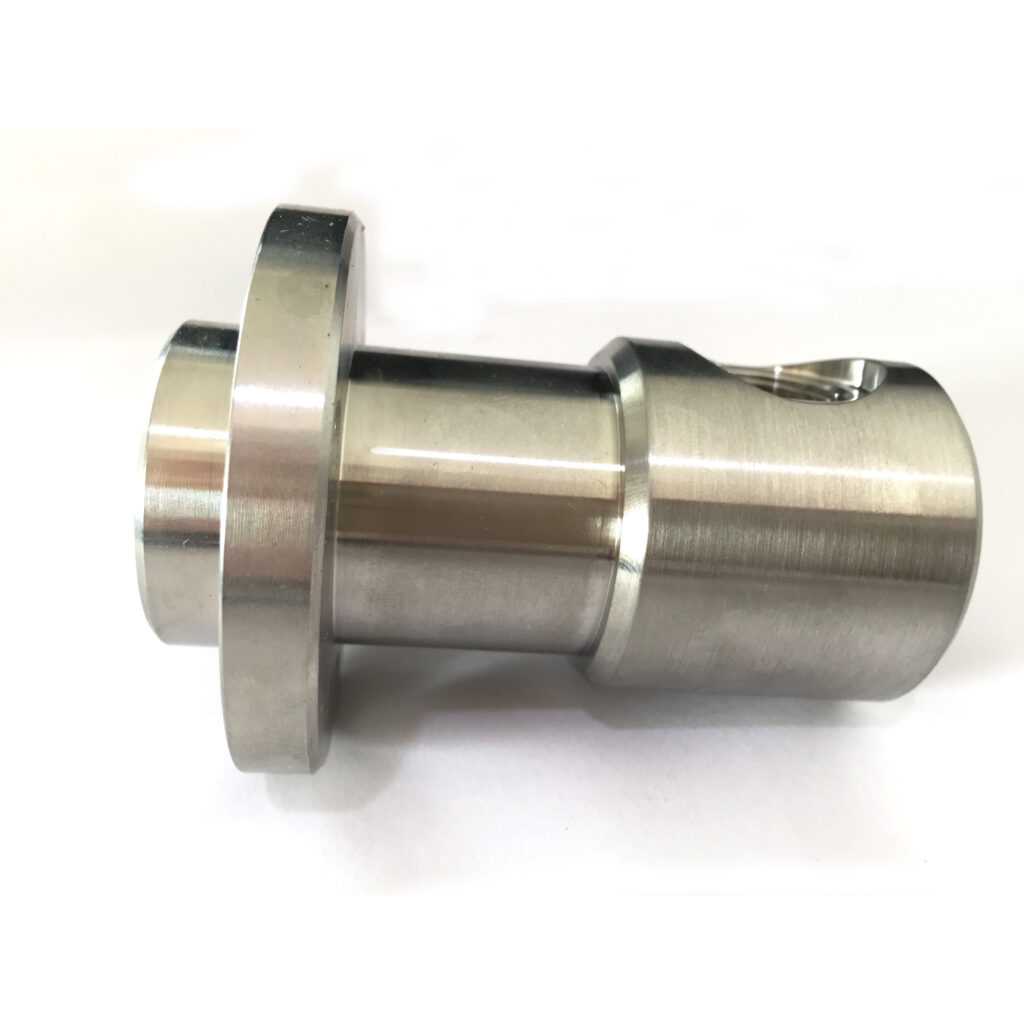
Metal 3D printing is advantageous because it can produce high-performance, complex metal parts that are suited for a range of end environments. Metal 3D printed parts are isotropic, meaning they have even, multi-directional strength, and have the superior mechanical properties of metals like aluminum, stainless steel, titanium, Inconel, tool steel, and stainless steel-bronze composites. 3D […]