Available Die Casting Finishes
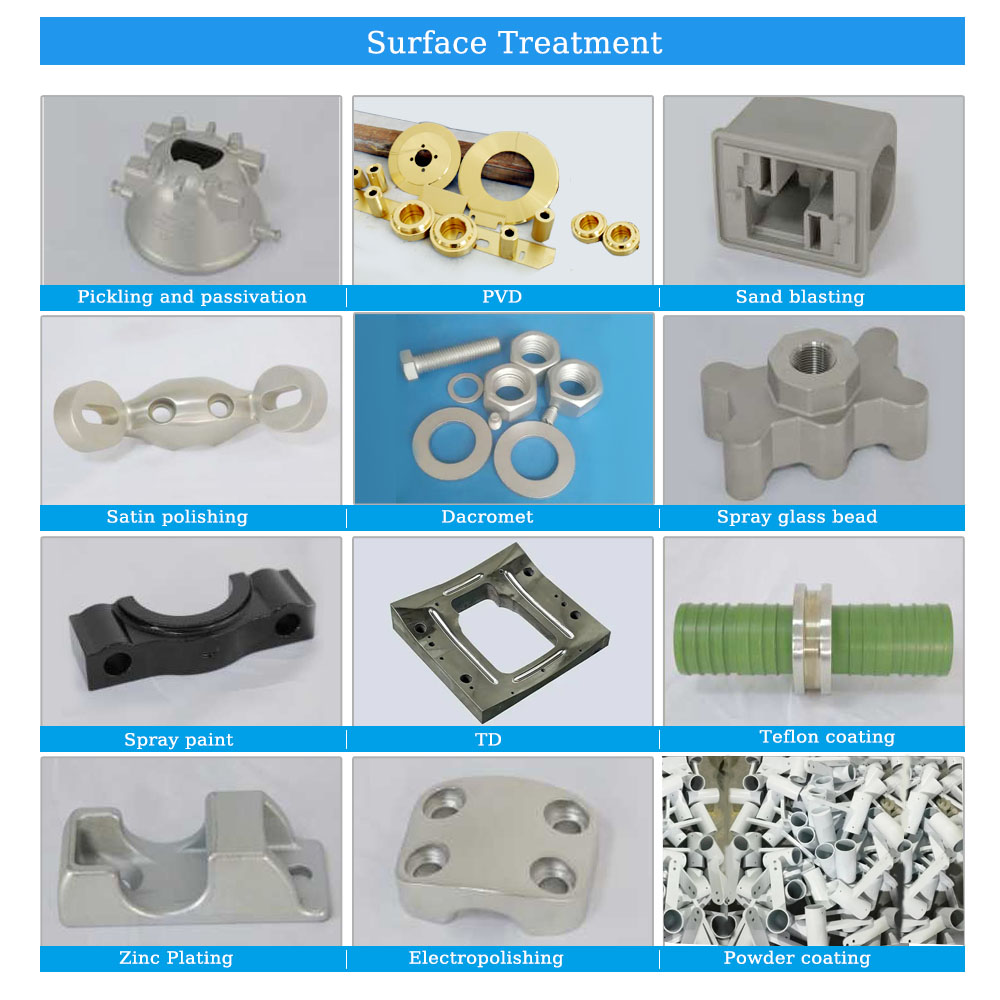
Standard (As-Cast) Zinc and aluminum zinc parts can be left as-cast and retain reasonable corrosion resistance. Aluminum parts must be coated to achieve corrosion resistance. Cast parts are typically broken away from the casting sprue, leaving rough marks at the gate locations. Most castings will also have visible marks left by the ejector pins. The […]
What is Forging?
Forging is a manufacturing process that involves shaping metal using localized compressive forces. Historically, forging dates back to ancient times when blacksmiths hammered heated metal to create tools and weapons. Over time, forging techniques have evolved, incorporating advanced machinery and precision control to produce high-strength components. Types of Forging There are a wide range of forging processes […]
Die Cast Metal Materials

Several different metal materials are available to choose from when manufacturing using die casting. The material you choose will depend on your intended use for the product. For instance, cast aluminum parts are common in aerospace or automotive applications where corrosion resistance and weight reduction are essential factors. You can learn more about the main […]
Molding Sand Properties
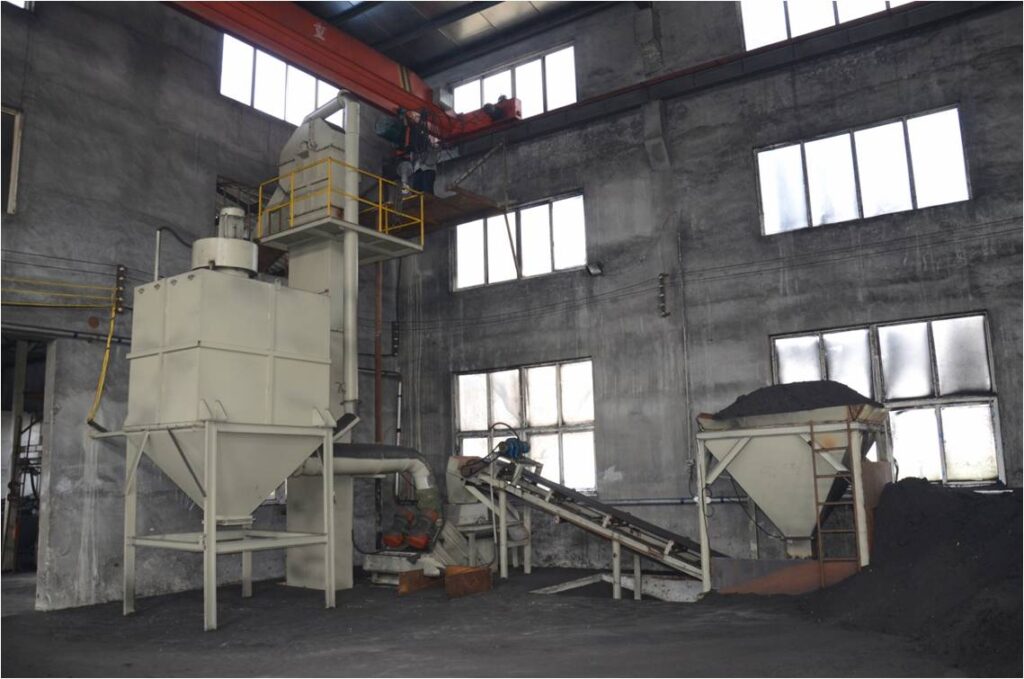
Strength The ability of the sand mold to hold its geometric shape under the conditions of mechanical stress. Permeability The ability of a sand mold to permit the escape of gases and steam during the casting process. Moisture Content Moisture content affects a mold’s strength and permeability: a mold with too little moisture may break […]
Cold Chamber Die Casting
With the cold chamber die casting process, the chamber remains at room temperature and does not have a holding pot of molten metal. Metal is melted in a separate furnace and deposited into the shot chamber through a pouring hole by hand with a ladle. In cold chamber die casting, the mold is connected […]
Common Applications of Iron Casting
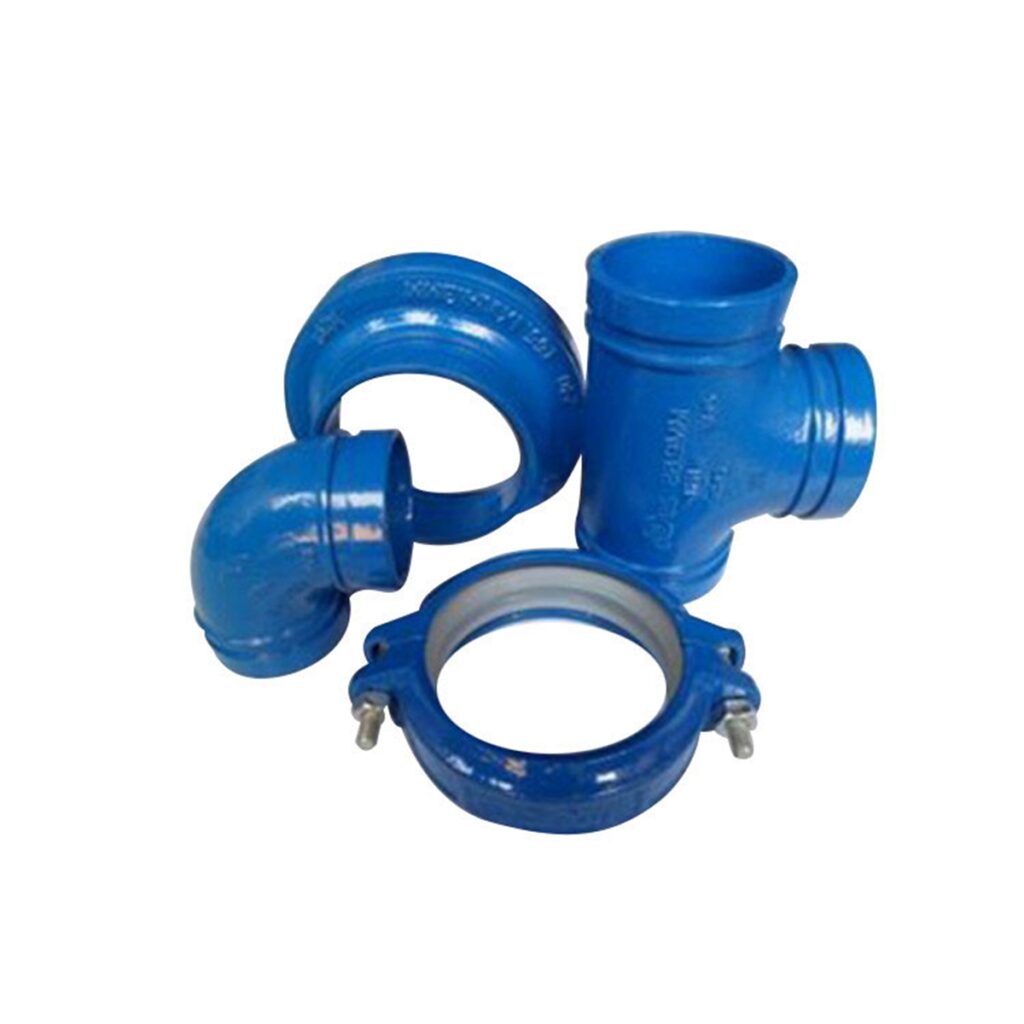
Gray Iron Applications One of the key characteristics of gray iron is its ability to resist wear even when lubrication supply is limited (e.g., the upper cylinder walls in engine blocks). Gray iron is used to make engine blocks and cylinder heads, manifolds, gas burners, gear blanks, enclosures, and housings. White Iron Applications The chilling […]
Hot Chamber Die Casting
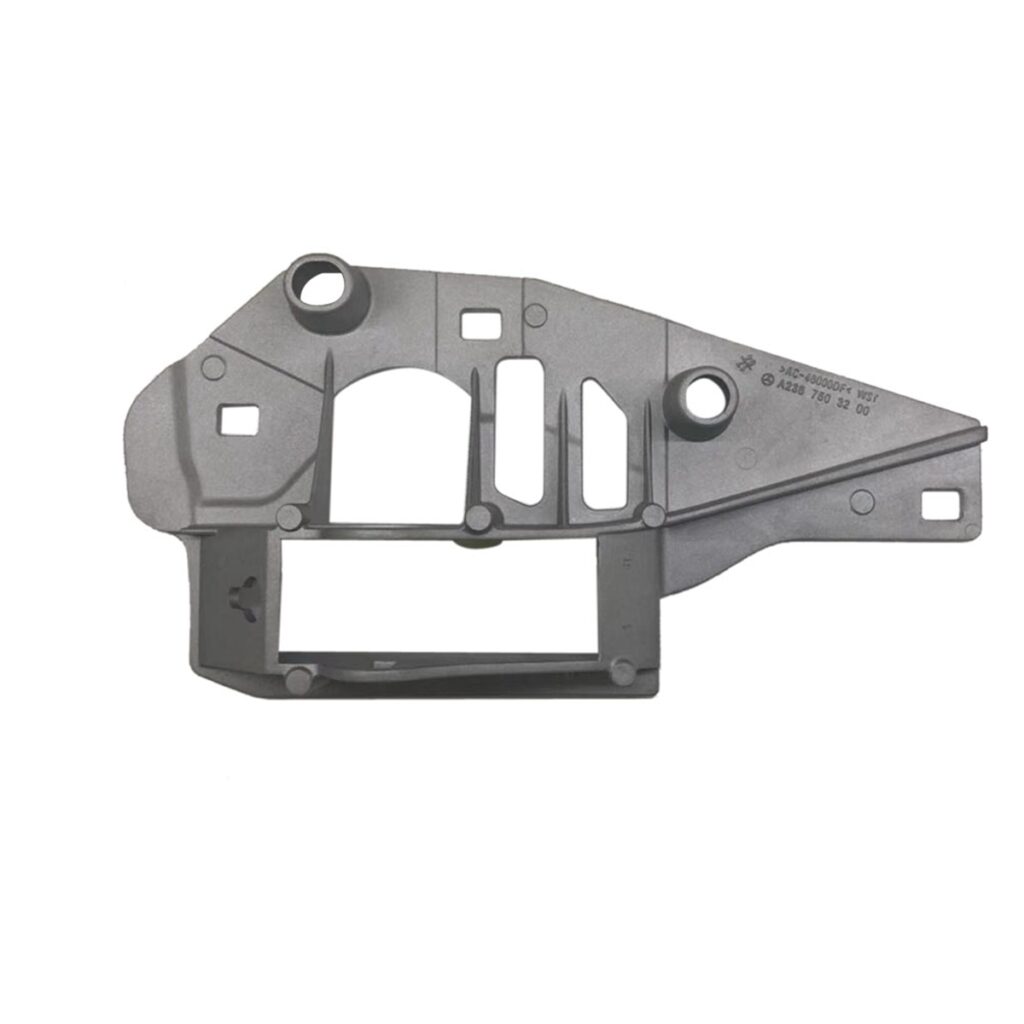
Also known as gooseneck casting, the hot chamber die casting process is the most popular die casting process. It is optimal for working with lower melting point alloys such as zinc, magnesium, and lead. A holding pot is filled with metal and heated with hot chamber die casting until molten by an attached or built-in […]
Mechanical Properties of Cast Iron
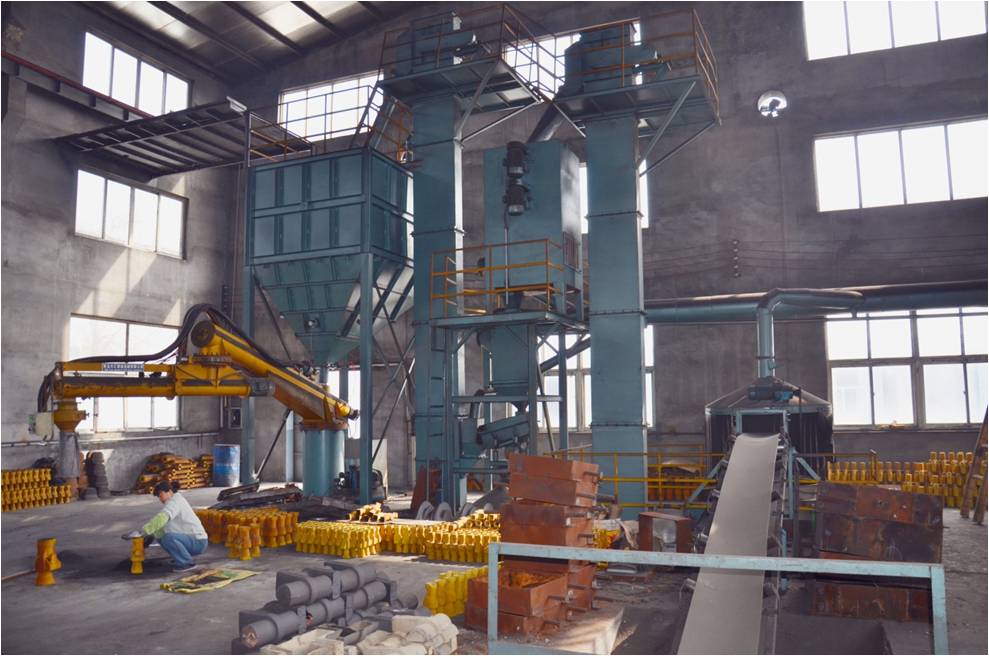
The mechanical properties of a material indicate how it responds under specific stresses, which helps to determine its suitability for different applications. Specifications are set by organizations such as the American Society for Testing and Materials (ASTM) so that users can purchase materials with confidence that they meet the requirements for their application. The most commonly used […]
Die Casting Process
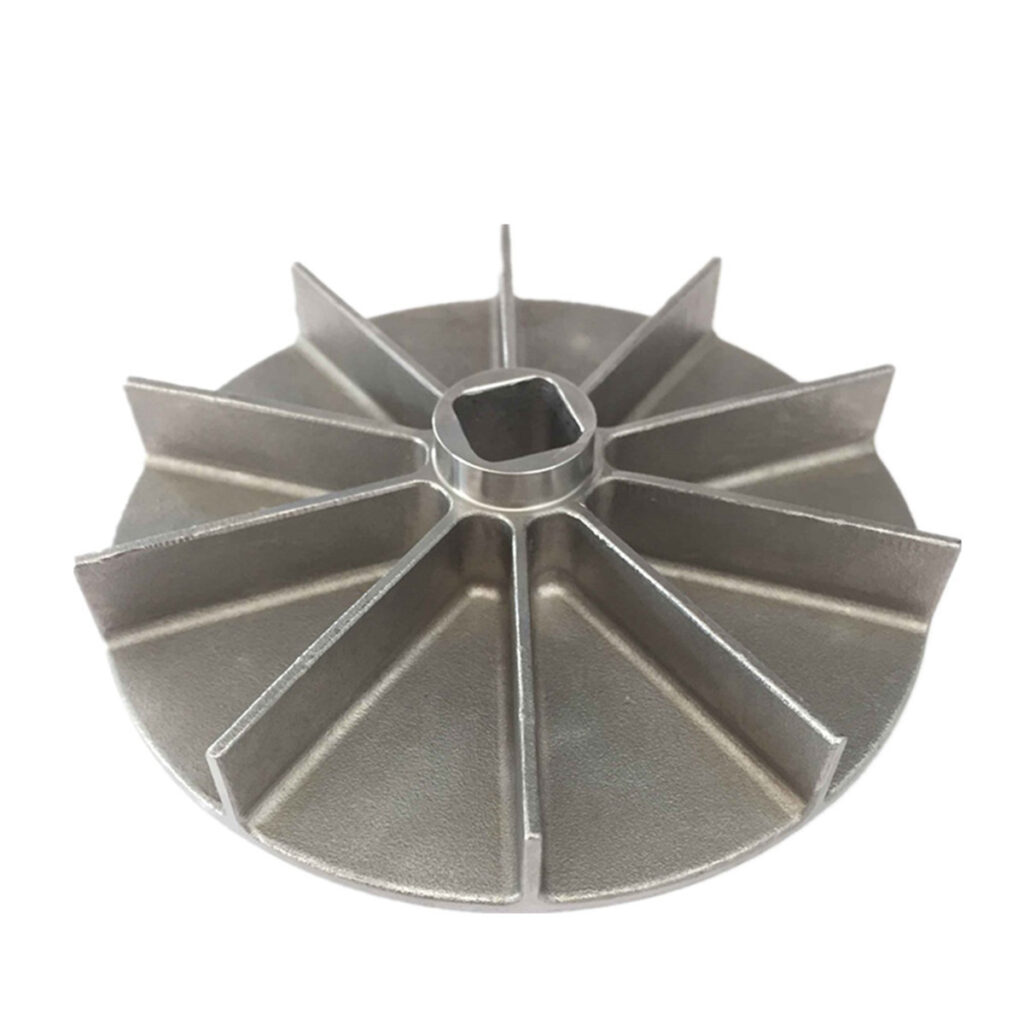
Die casting is the manufacturing process of choice when producing high volumes of relatively complex metal parts and is widely used due to its versatility, reliability, and accuracy. Die casting eliminates all or most secondary operations needed to make a metal part; however, post-machining is common to meet tighter critical-to-function tolerances. Die casting parts can […]
Types of Iron in sand casting
Wrought Iron The first type of iron produced and worked by blacksmiths was wrought iron. It is virtually pure elemental iron (Fe) that is heated in a furnace before being wrought (worked) with hammers on an anvil. Hammering iron expels most of the slag from the material and bonds the iron particles together. During the […]