Cost of Aluminum CNC Machining
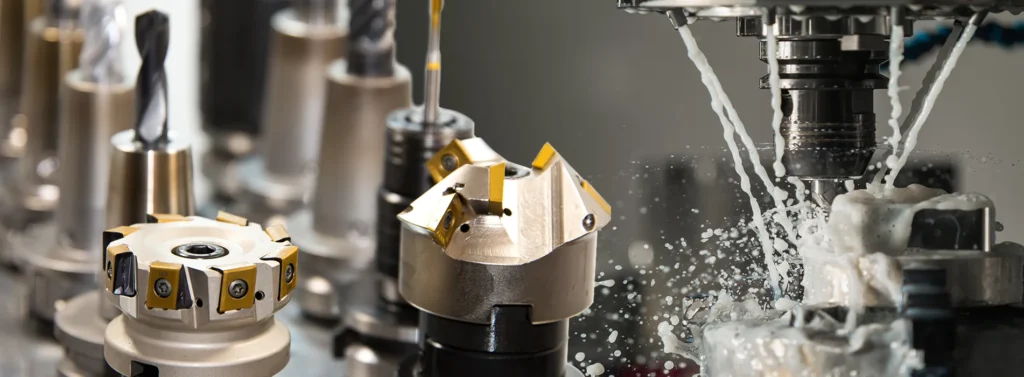
When considering aluminum CNC machining, various factors influence the overall cost. Understanding these can help manage budgets and optimize production processes. Factors Affecting Costs Raw Material Prices Machining Hours Labor Costs Tool Wear and Tear Product Complexity Raw Material Prices The cost of aluminum can vary based on market conditions. Specialized alloys or higher-purity aluminum […]
What Are the Characteristics of Alloys?
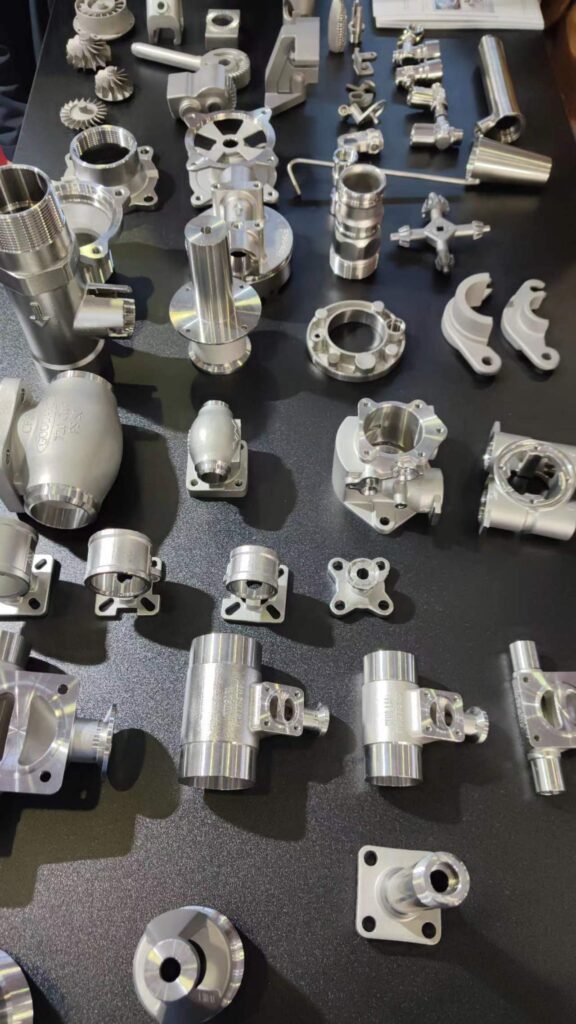
From your own experience, you probably know that characteristics will vary widely between types of alloy, but in general, alloys have benefits like those below: Improved Properties:You can find alloys that have better properties than metals alone. Alloy materials aim to deliver improved properties, compared with the constituents. Steel is stronger and more durable than […]
How Are Alloys Made?
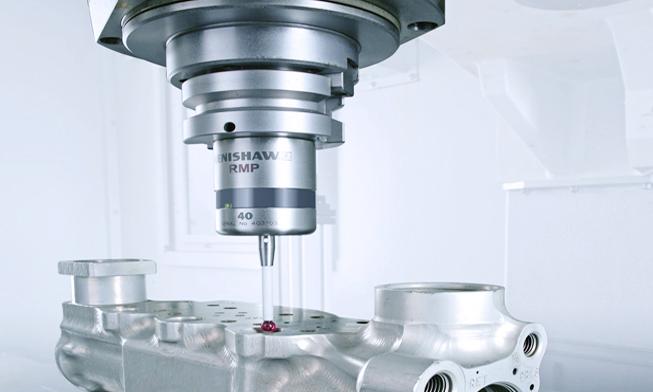
Alloys are made by smelting and blending the base metal and additional elements (metals and/or non-metals) and allowing them to cool. The admixing is often performed in the melt, but many non-metallic additives can be worked in after initial solidification, by various methods. Two primary types of alloys are used; substitutional and interstitial alloys. In […]
Turning Machining
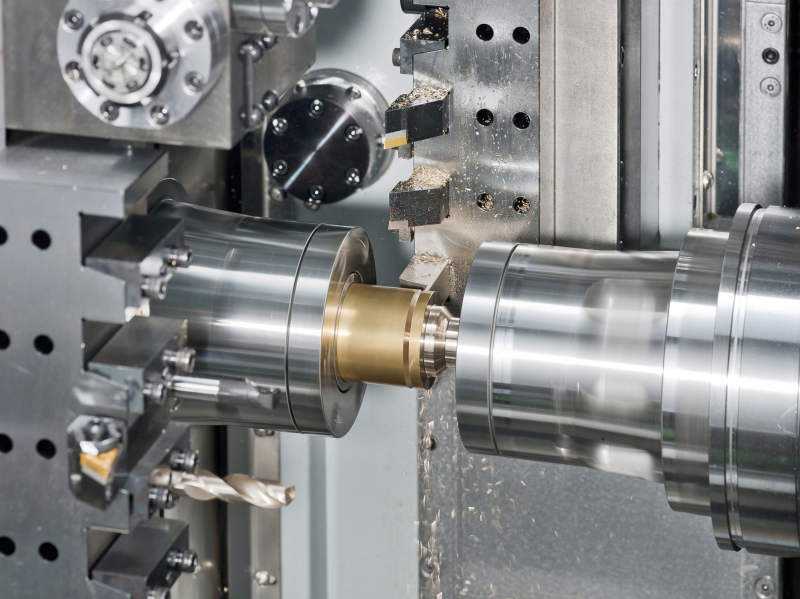
Turning machining is cutting metal into shapes. Lathes are used for turning. A lathe spins the metal fast. The tool cuts the metal. Speed can be 1200 RPM. Depth of cut is 0.1 mm. Cutting tools are HSS or carbide. Lathe beds hold everything steady. CNC lathes use computers to guide. G-code tells the CNC lathe what […]
Surface Finish Options for the Aluminum Gravity Die Casting
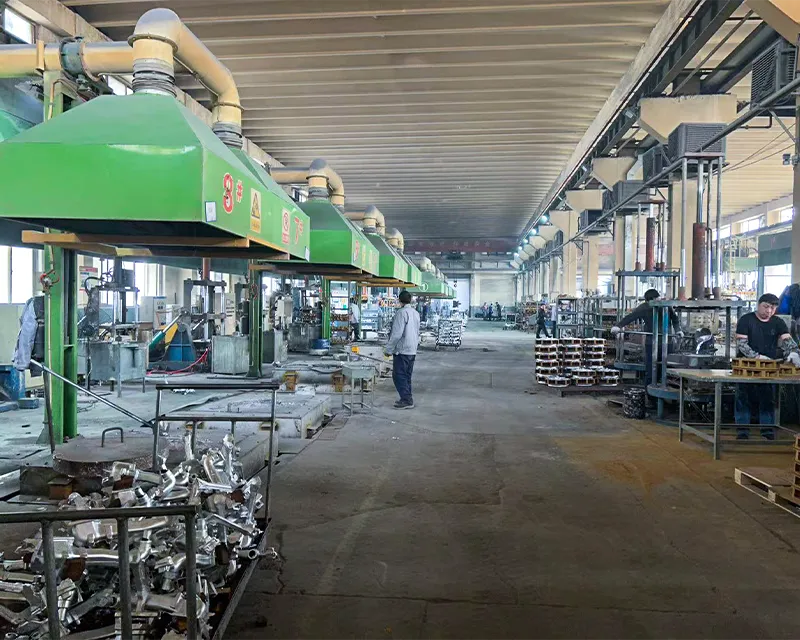
Finish Type Process Description Advantages Shot Blasted Finish Propelling high-speed steel shots at the surface to remove imperfections and improve surface quality. – High rate of material removal – Uniform surface finish – Prepares surface for further finishing or painting Powder Coated Finish Applying dry powder electrostatically to the surface, then curing it under heat […]
What Are Alloys Made Of?
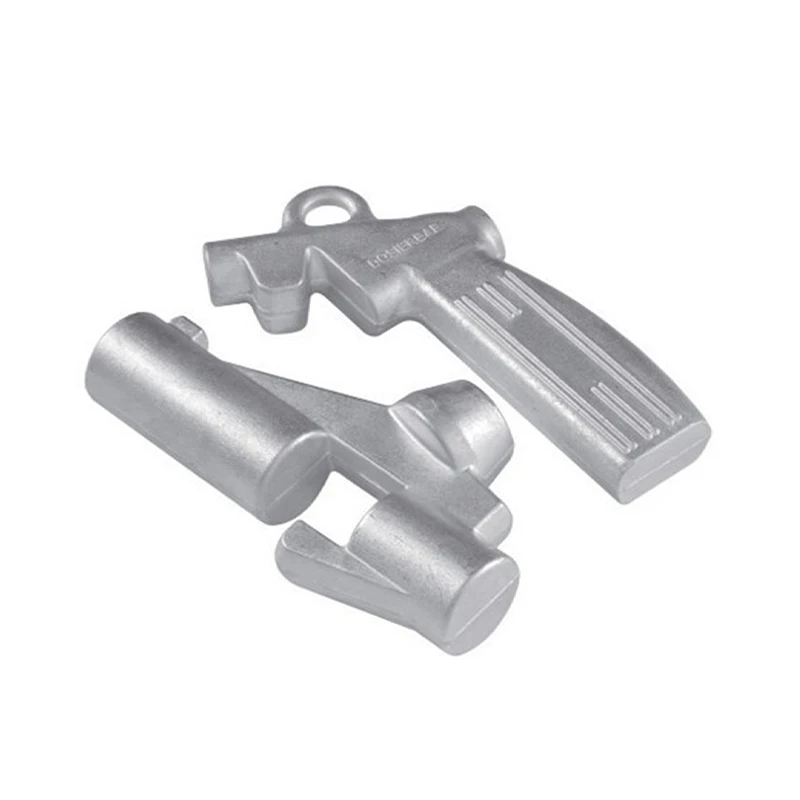
Alloys are merged materials composed of a primary base element combined with various secondary elements. The base element provides the fundamental structure and typically the solubility medium that disperses the other components uniformly, while the secondary elements are added in specific proportions to adjust and bequeath desirable properties of the final material. The resulting alloy […]
Different alloys of aluminum used in aluminum Gravity Casting
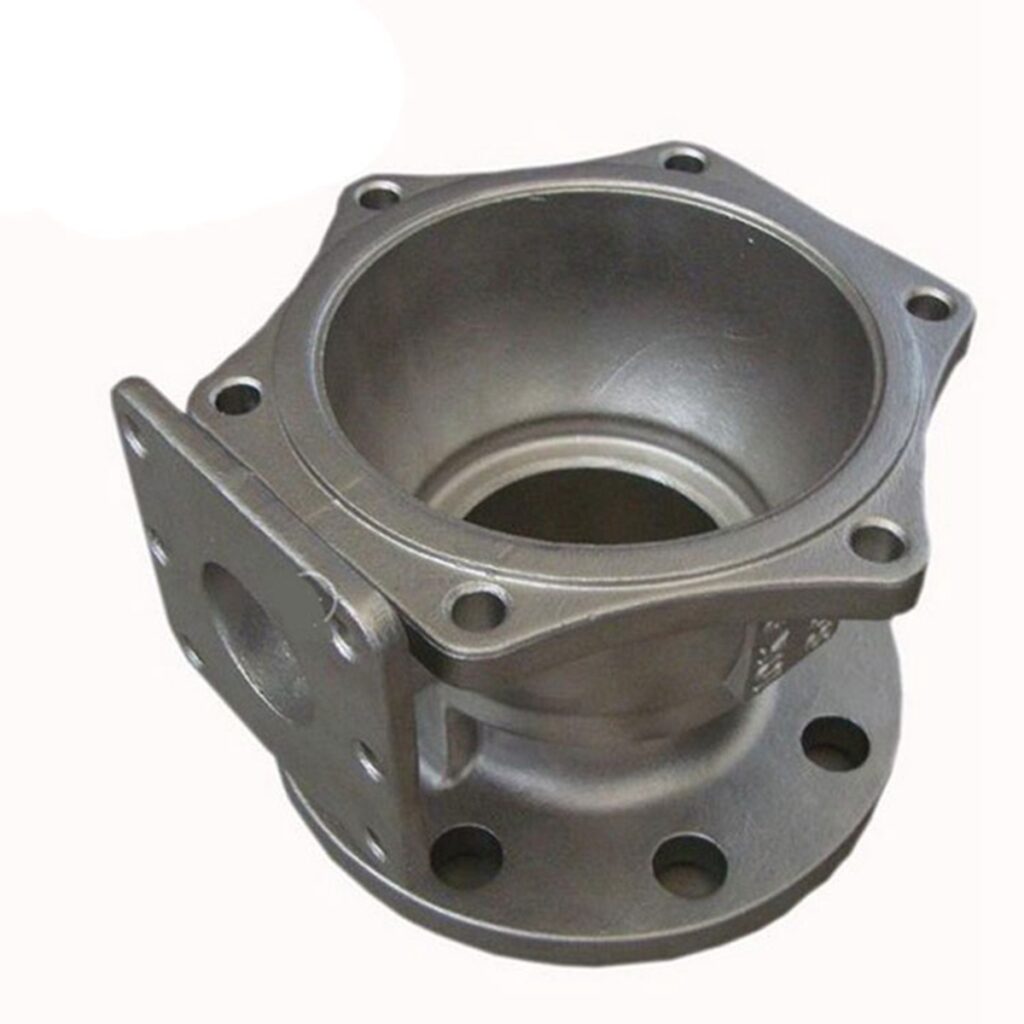
Alloy Composition Key Properties Typical Applications A356 Al-Si Good strength, ductility, and machinability; moderate corrosion resistance Engine blocks, housings, brackets A380 Al-Si Excellent fluidity, pressure tightness, moderate strength Engine blocks, housings, transmission components A413 Al-Si High-pressure tightness, good machinability, moderate strength Hydraulic cylinders, valves, pumps B390 Al-Cu Very high strength and hardness, moderate ductility Pistons, […]
Aluminum Gravity Die Casting vs. Aluminum Sand Casting

Feature Aluminum Gravity Die Casting Aluminum Sand Casting Mold Material Permanent mold made of metal (typically steel or cast iron) Temporary mold made of sand and binder Initial Tooling Cost High (due to the durable metal mold) Low to moderate (sand molds are less expensive to produce) Lead Time Longer (due to the time needed […]
What Is the History of Alloys?
Alloys have been used since as early as 3000 BCE. The first known alloys were brass (Copper and Zinc) and bronze (Copper and Tin). Both of these likely originated from early metallurgical learning, where two ores of different compositions were smelted together. We will never know if the first alloys were the result of brilliance […]
Benefits of Gravity Casting Aluminum
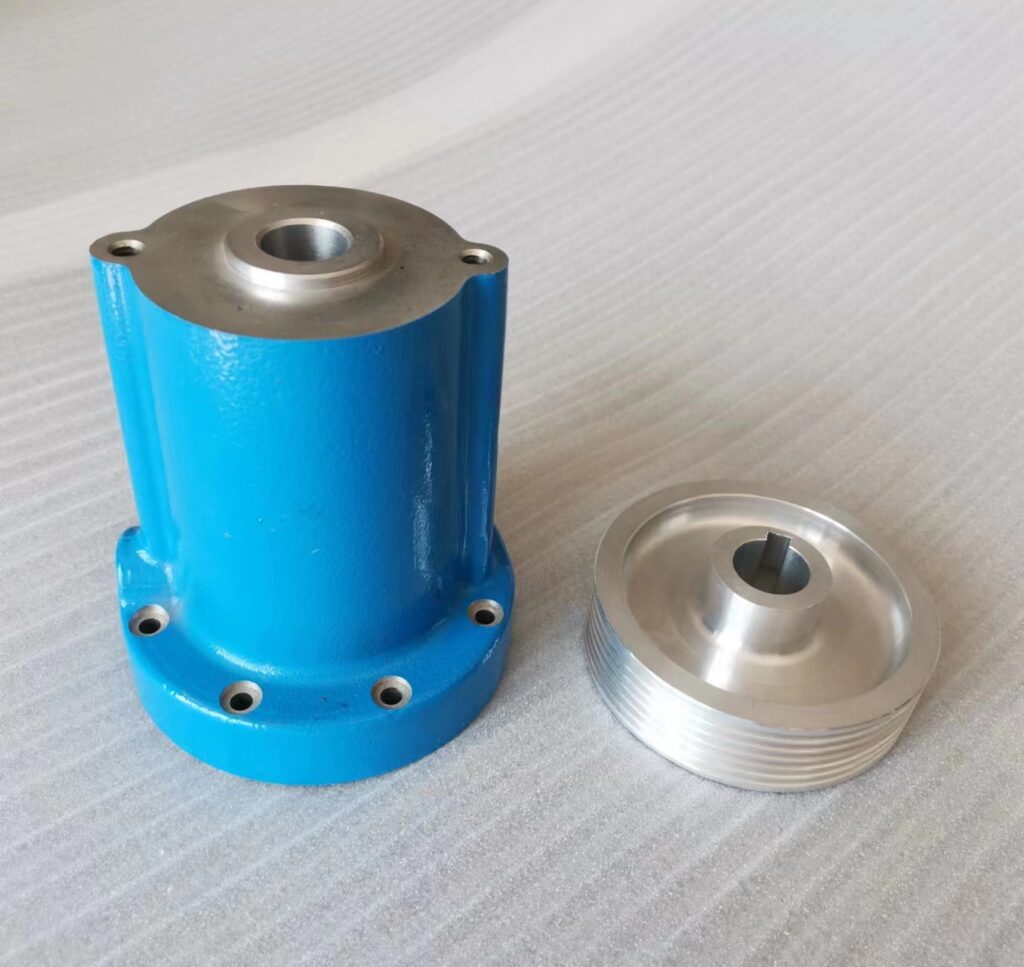
High Precision and Consistency:It is used to make the parts have complex geometry. Besides this, it gives high-dimensional accuracy to gravity-cast aluminum parts. It shows consistency throughout the large production runs. Improved Mechanical Properties: Gravity casting aluminum helps give denser and stronger metal structures. Besides this, it improves the mechanical properties, like tensile strength and hardness […]