Why Metals Are Prone to Rust
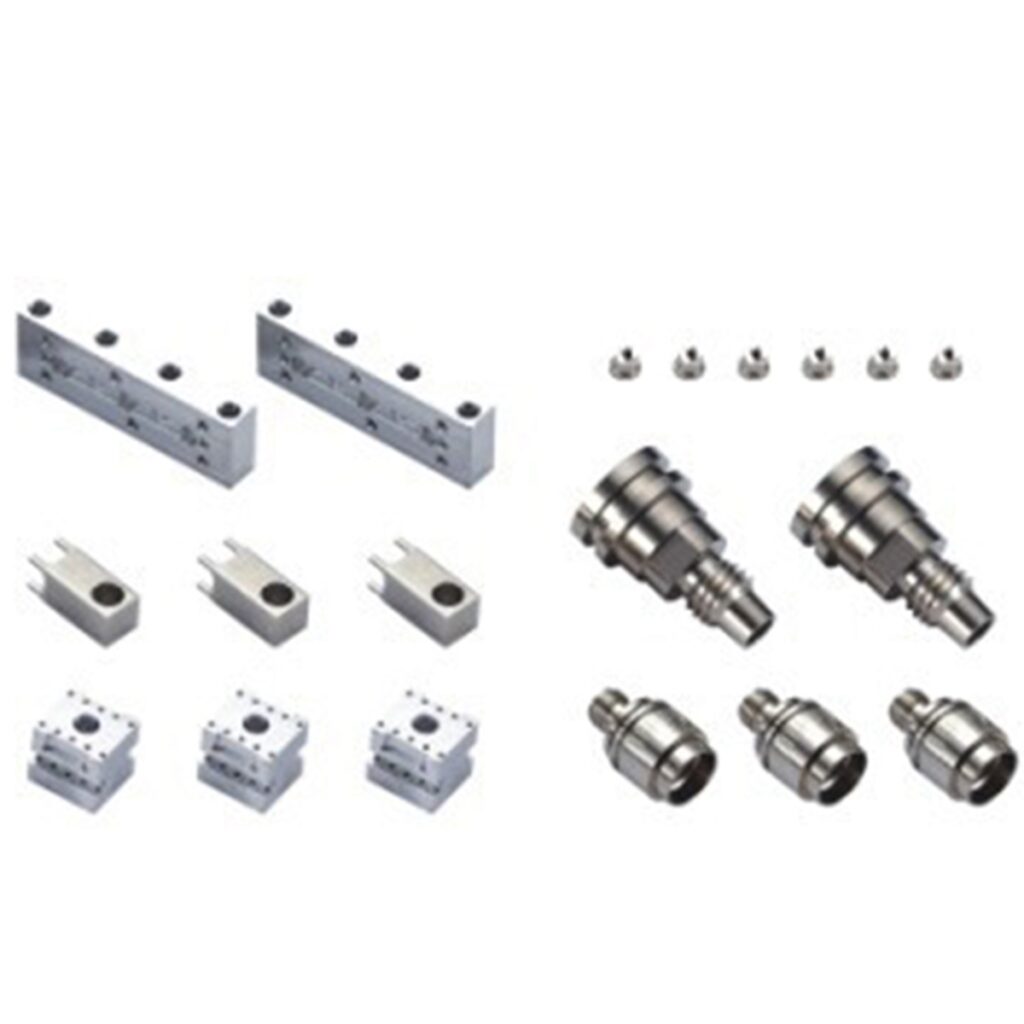
Metals can be made from a variety of materials including steel, iron, and aluminum. Rust is an iron oxide corrosion that causes damage to these materials. It forms when the metal comes in contact with oxygen and water or moisture. Metal is especially susceptible to rust in environments with increased amounts of acidity or saltiness, […]
Industries Benefiting from OEM CNC Machining
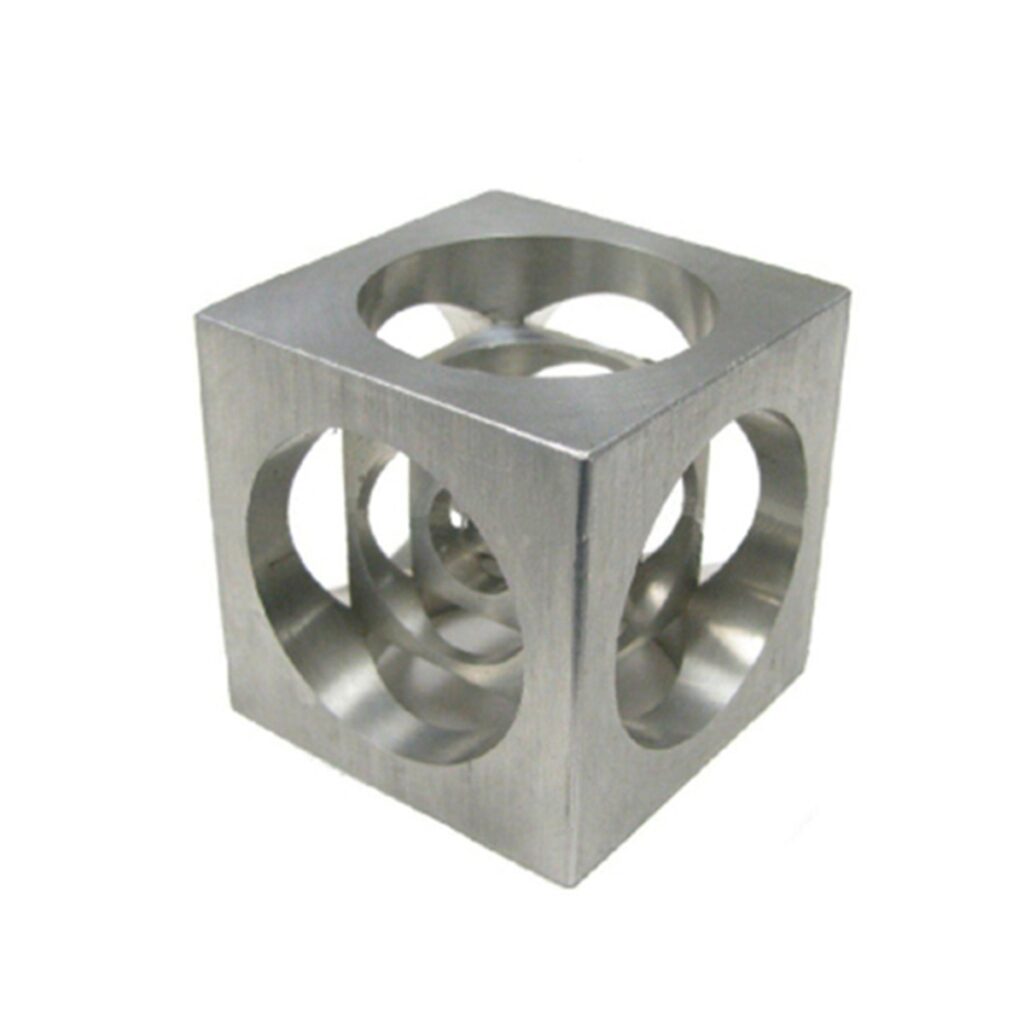
OEM CNC Machining proves indispensable across diverse industries. In aerospace, it ensures the precision of critical components for aircraft safety. Automotive manufacturers rely on it for enhanced vehicle performance, while the medical field benefits from intricate and customized components for devices. The electronics industry utilizes OEM CNC machining to manufacture precise components for electronic devices, […]
Standard Process of OEM CNC Machining Service
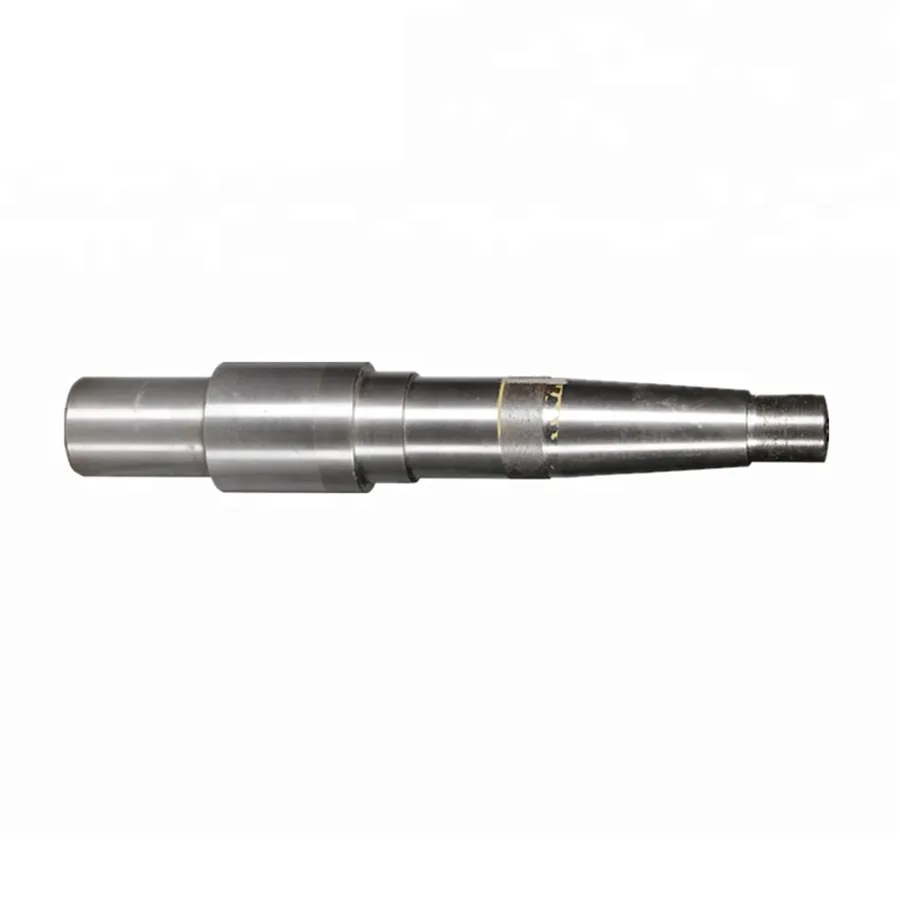
The standard process of OEM CNC Machining Service follows a systematic and precise approach, ensuring the production of high-quality components. Let’s break down the key stages of this process: Design Analysis: Thoroughly analyze component design requirements. Computer-Aided Design (CAD): Translate the design into a digital format using CAD software. Material Selection: Choose the appropriate material […]
Charpy Impact Testing and 3D Printing
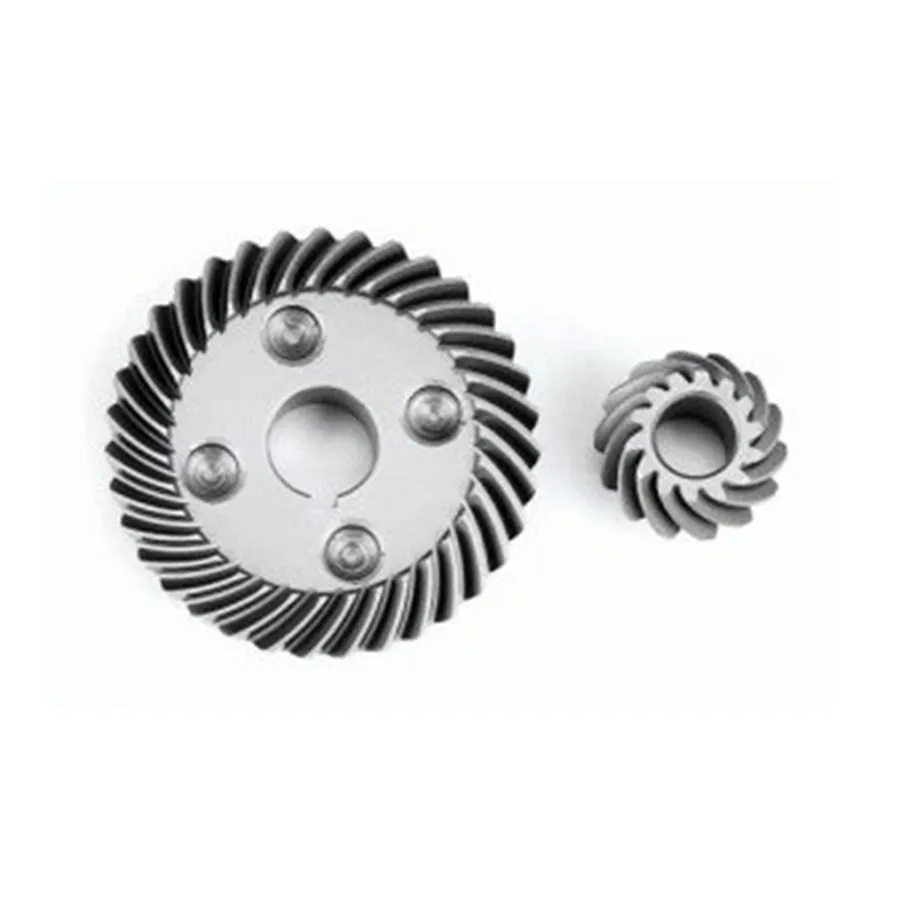
Performing Charpy impact tests on 3D printed samples can help engineers determine the impact strength of various 3D printing materials, especially considering that some technologies print parts with anisotropic properties. Testing samples with different print geometries can help engineers understand how to optimize their designs for impact strength. Juize provides a wide range of manufacturing capabilities […]
Factors Than Can Affect a Charpy Impact Test
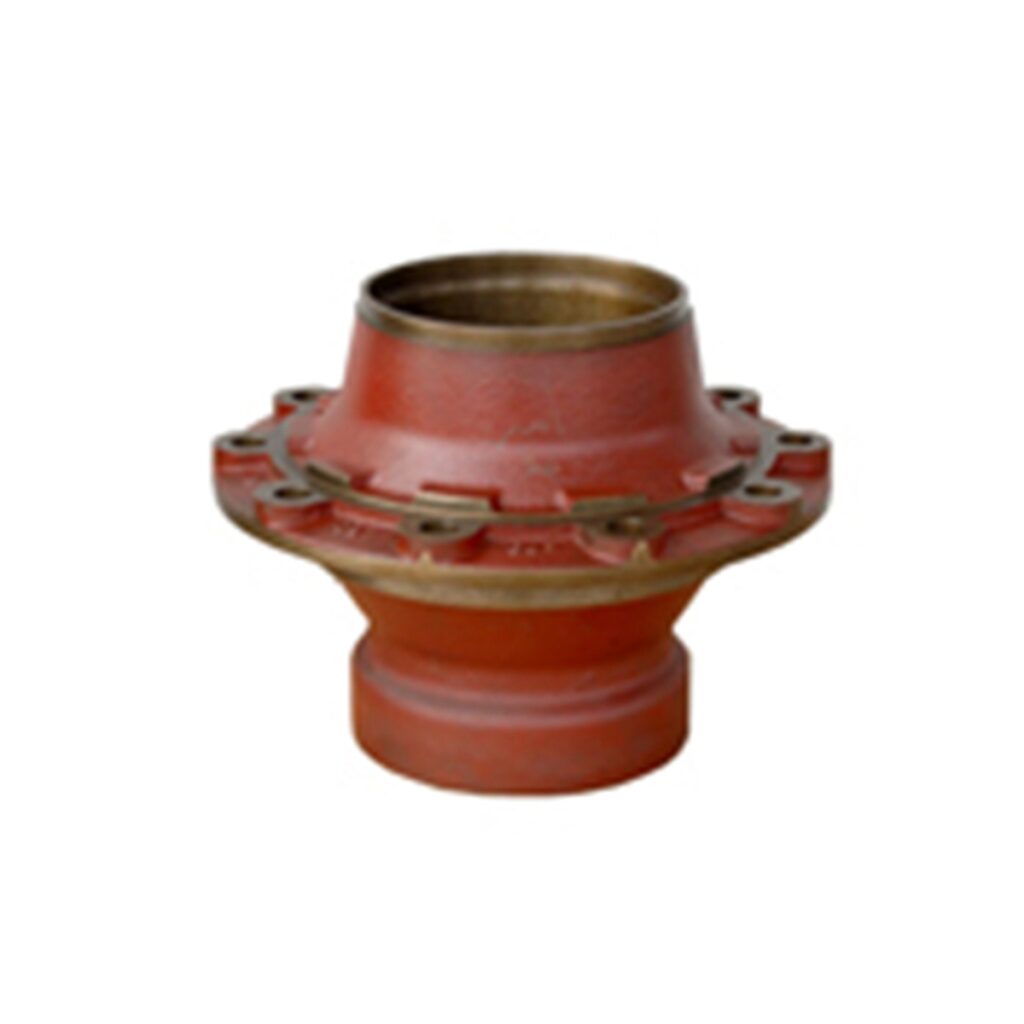
1. Yield Strength In general, as a material’s yield strength increases, its impact energy will decrease. In other words, materials with higher yield strength will generally have lower toughness. Materials that can plastically deform before ultimate failure are considered to be tougher. 2. Notch The V-notch specimen is used when the material is brittle and a U-notch […]
Advantages of OEM CNC Machining Service
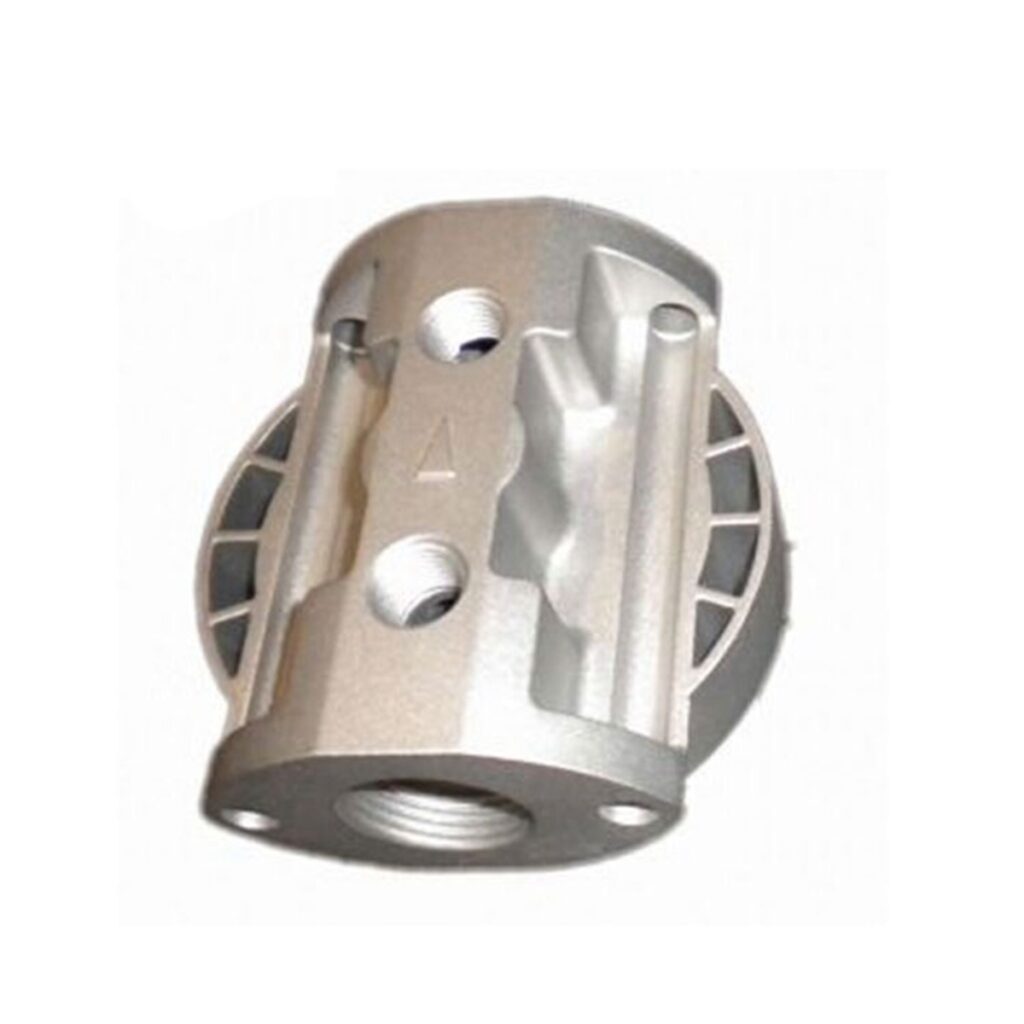
OEM CNC Machining Service offers a multitude of advantages that make it a preferred choice for many industries seeking precision and efficiency in manufacturing processes. Let’s explore some key benefits: Precision Excellence: Leveraging CNC technology, OEM CNC machining ensures meticulous accuracy, meeting exact specifications for components. Cost-Efficiency: Outsourcing to OEM services provides cost savings, as […]
The Two Types of Charpy Impact Test Results
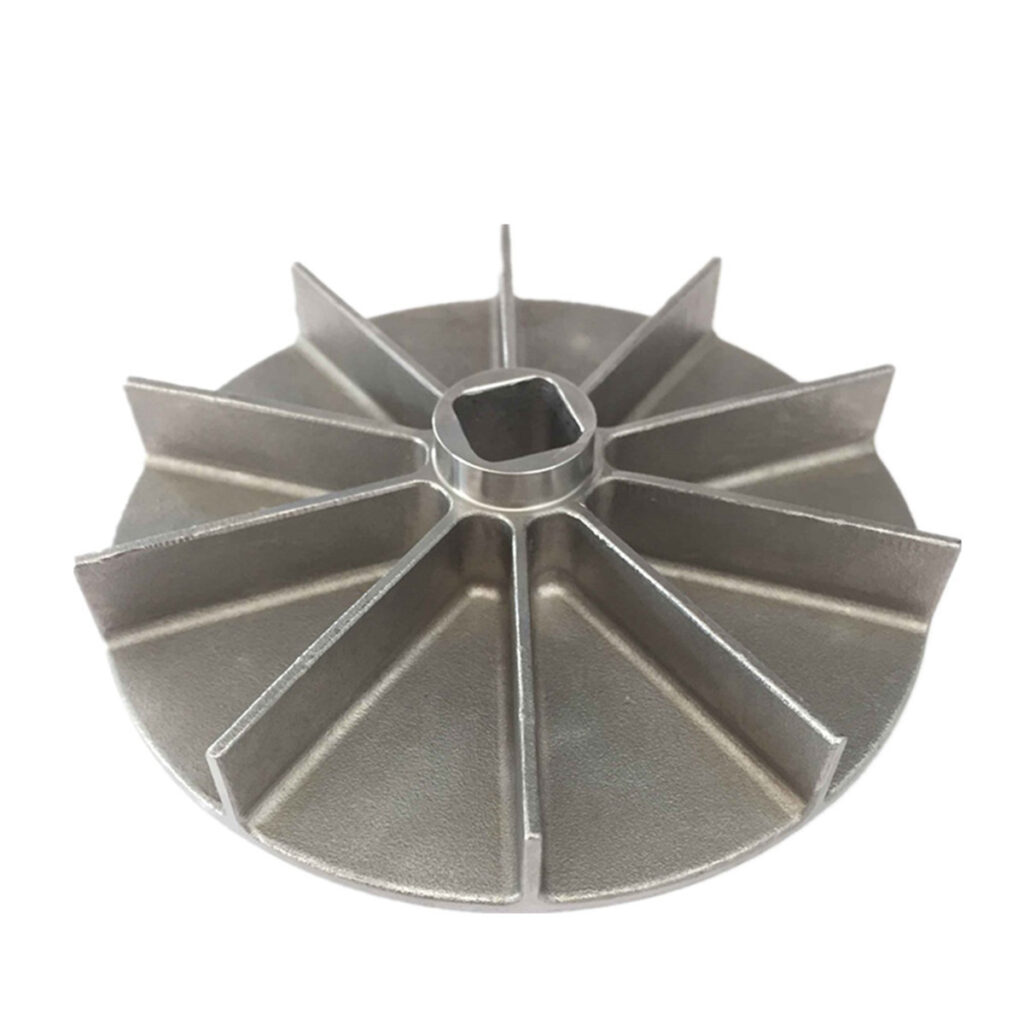
1. Quantitative Results Quantitative data is data based on numerical values. In the Charpy impact test, this quantitative data is normally the energy absorbed during the fracture of the sample. The DBTT (Ductile-to-Brittle Transition Temperature) can also be estimated by testing the multiple samples at multiple temperatures to see where there is a drastic increase […]
Meaning of OEM
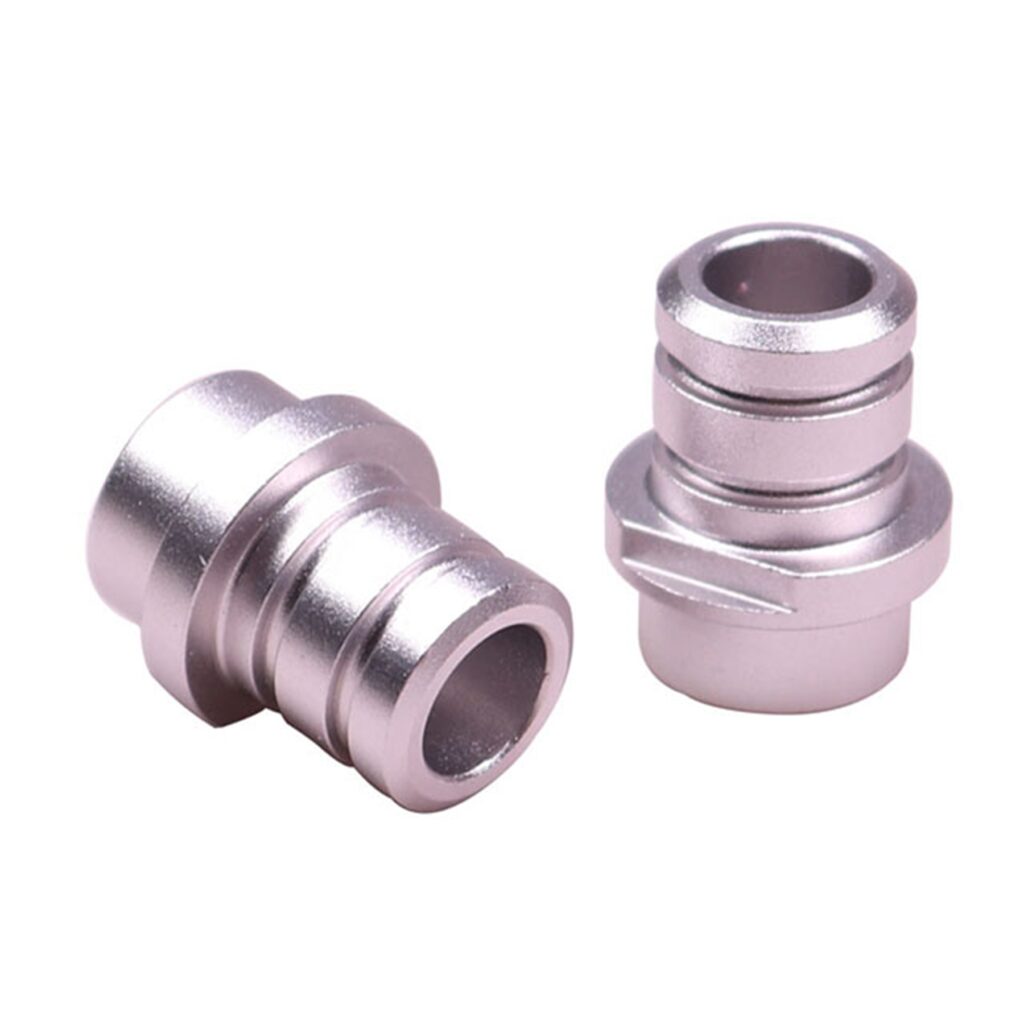
OEM, an acronym for Original Equipment Manufacturer, refers to companies that design and produce components or products that are then sold and used by another company. In this context, the manufacturer creating the original product is referred to as the OEM. These components or products are often integrated into the end product of the second […]
Custom CNC Machining Parts From Manufacturers
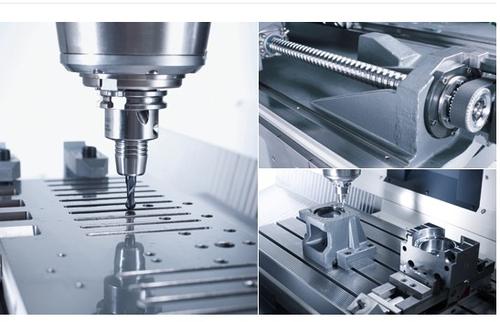
When one needs some parts to be custom CNC machined and produced by manufacturers, several factors need consideration. Define Specifications: State the cut material, tolerances and quantity needed for CNC machining parts. Research Manufacturers: Search and find a high-quality CNC machining manufacturer with a record of accuracy and dependability. Communication: It is also crucial that […]
Charpy Impact Testing: The Step-by-Step Process
Prepare Samples: The samples must be prepared with dimensions according to the relevant standard. There are multiple standards used. However, in general, the sample size is 55 x 10 x 10 mm with a V-notch machined in the middle of the sample. The exact shape of the notch is also indicated in the relevant standard. The […]