The Charpy Impact Test Formula
Most Charpy impact testing machines are graduated to directly indicate the energies involved. As such, equations are generally not needed. However, the formula used to determine the impact energy – if you need it someday – is as follows: KV = mgH1 – mgH2 – Ef Where: KV– Impact energy m – Pendulum mass g– Gravitational […]
Working Principle of CNC Machining
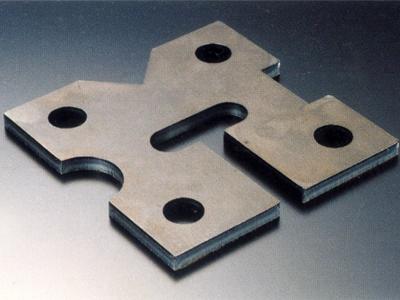
CNC machining is a manufacturing process that is typically categorized as a subtractive process or a process that’s primary goal is to remove material from a workpiece to achieve the desired form and measurement. There are many different categories of CNC machining but the most common are laser cutting, CNC turning and milling, CNC grinding, […]
Pros and Cons of CNC Machining
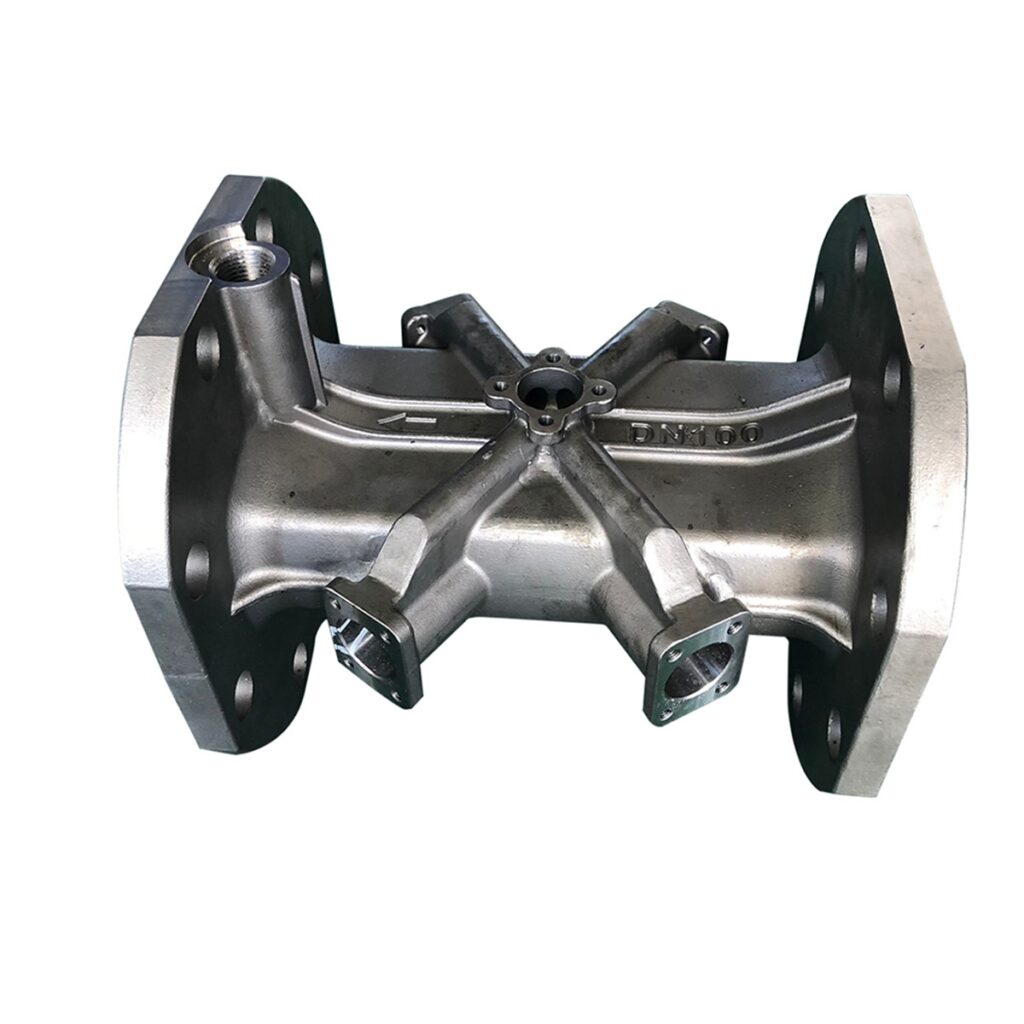
Speaking of advantages, let us give you a brief list of the common advantages and pros of CNC machining. Continuity Usually, CNC machines are designed and engineered to run more than 18 hours per day. The longer they run, the better. The only time you have to shut them off would be during maintenance. Consistency […]
Materials Used in CNC Machining
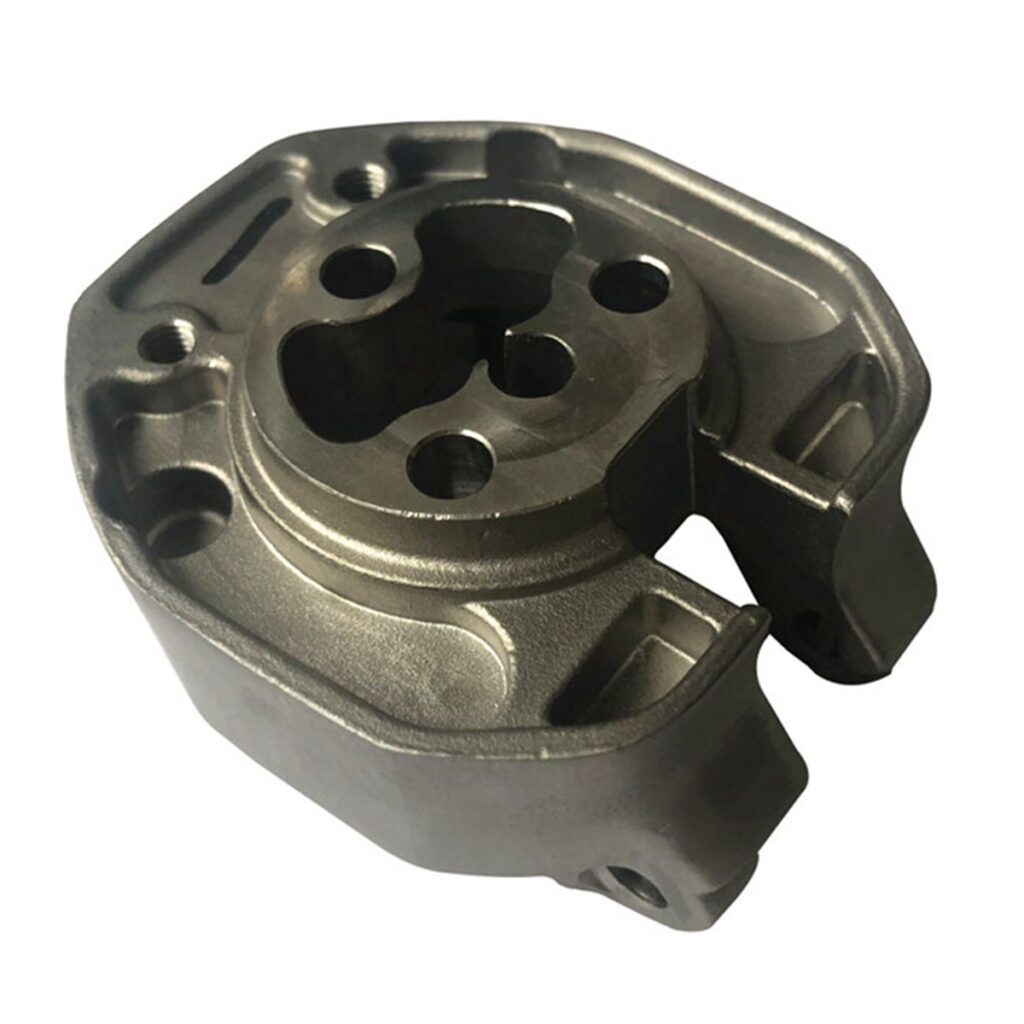
CNC machining involves the use of various materials to manufacture high precision components. Usual metals include aluminium, stainless steel and alloys as well as plastics like ABS or polycarbonate. Further wood, composites including carbon fiber among others, ceramics foam rubber and specialist materials such as glass stone are used. The selection of an appropriate material […]
Types of CNC Machining Technology
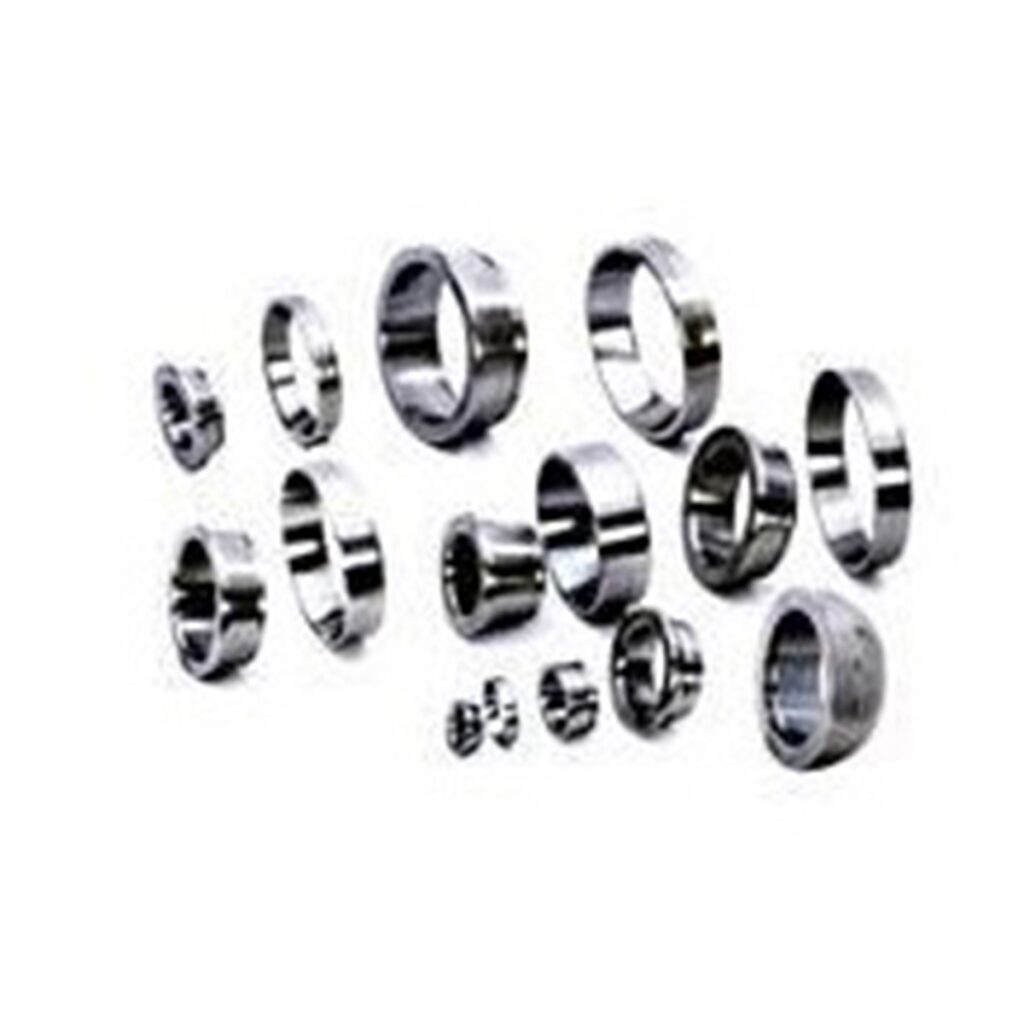
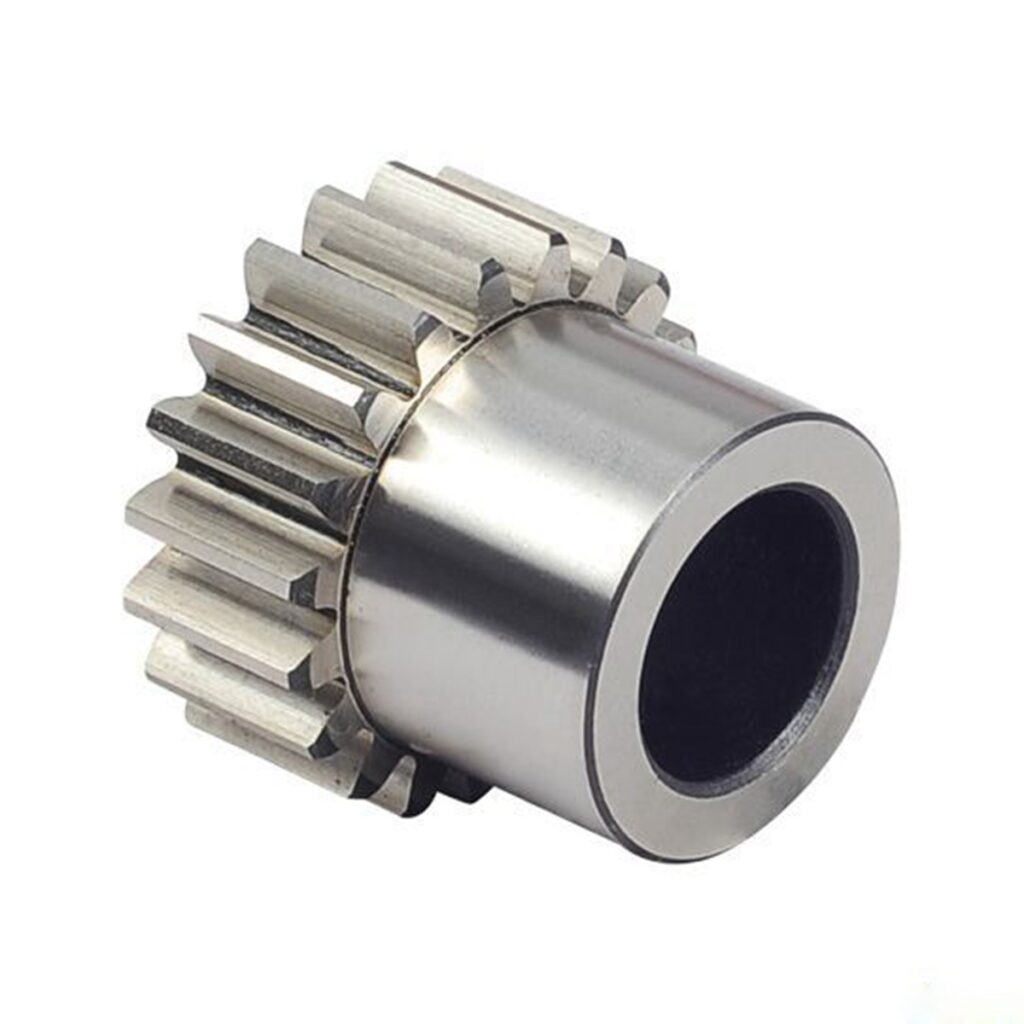
Several types of CNC machining technologies exist. Here are some common ones: Milling: Includes cutting material out of a workpiece with rotating knives. Turning: Turns the workpiece as a cutting tool forms it. Drilling: It uses a rotating drill bit to make holes in the workpiece. Electrical Discharge Machining (EDM): Cuts through the material with […]
What Is the Charpy Impact Test?
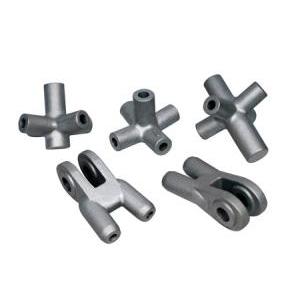
The Charpy impact test, sometimes called a V-notch test, is a comparative-style test used to define a material’s impact strength by determining how much energy is required to fracture a pre-prepared and standardized sample with a V-notch machined into it. A pendulum is released to strike the specimen. The height of the pendulum before and […]
Importance of CNC Machining
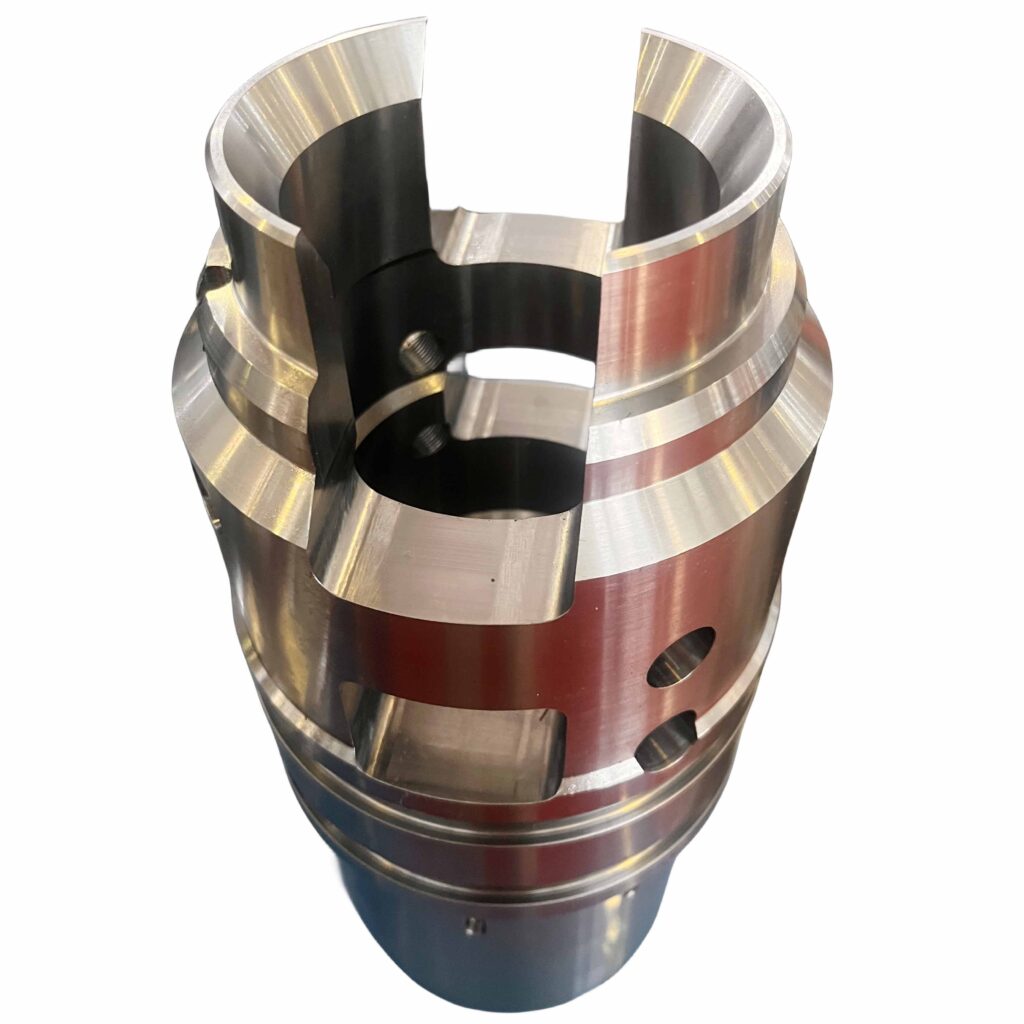
Besides the fact that CNC is high-tech and advanced, there are a ton of important benefits and factors that make it extraordinary. One of the best factors would be the accuracy and precision of the products manufactured. Since it’s run by software, errors are minimal, and a lot of times, there’s no need for further […]
Electro Chemical Machining
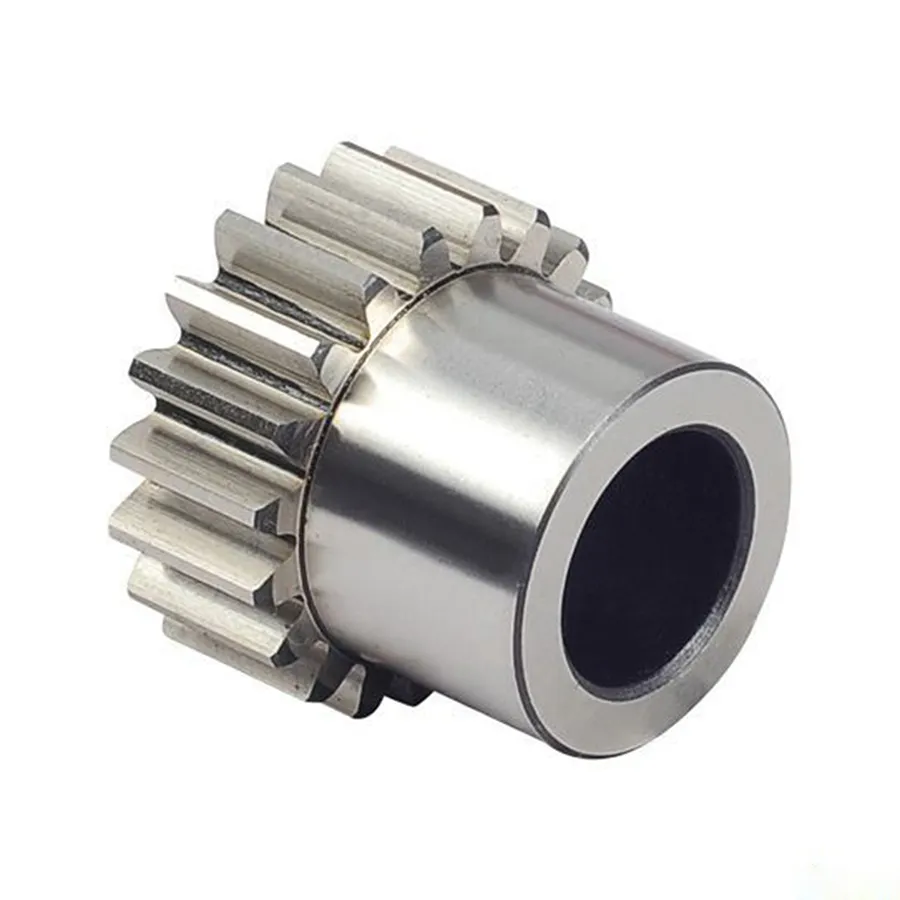
This is another style of machining that uses electricity to make cuts—more specifically, holes. You’d want to opt for this when you’re set on creating a smooth, aesthetically pleasing surface finish, free of flaws. This happens through reverse electroplating (and it’s capable of cutting unique shapes and angles that other machines can’t. It’s a cold […]
Broaching
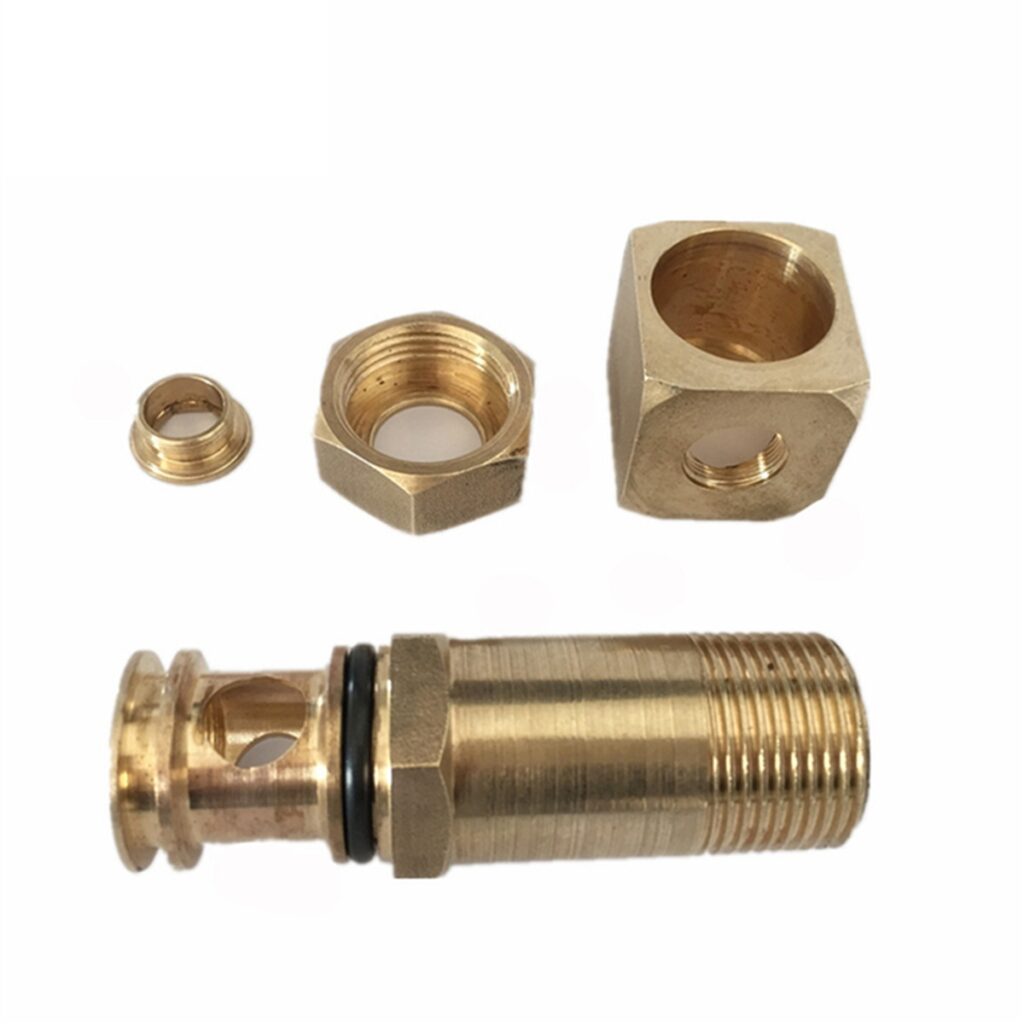
In this kind of machining, you’re working with a tool called a broach, that’s essentially a cylindrical tool with teeth that are in increasingly larger sizes down the length of the tool. It cuts through material in two kinds of methods, push or pull. The former uses a vertical press-type machine, and the latter can […]
Working Principle of CNC Machining
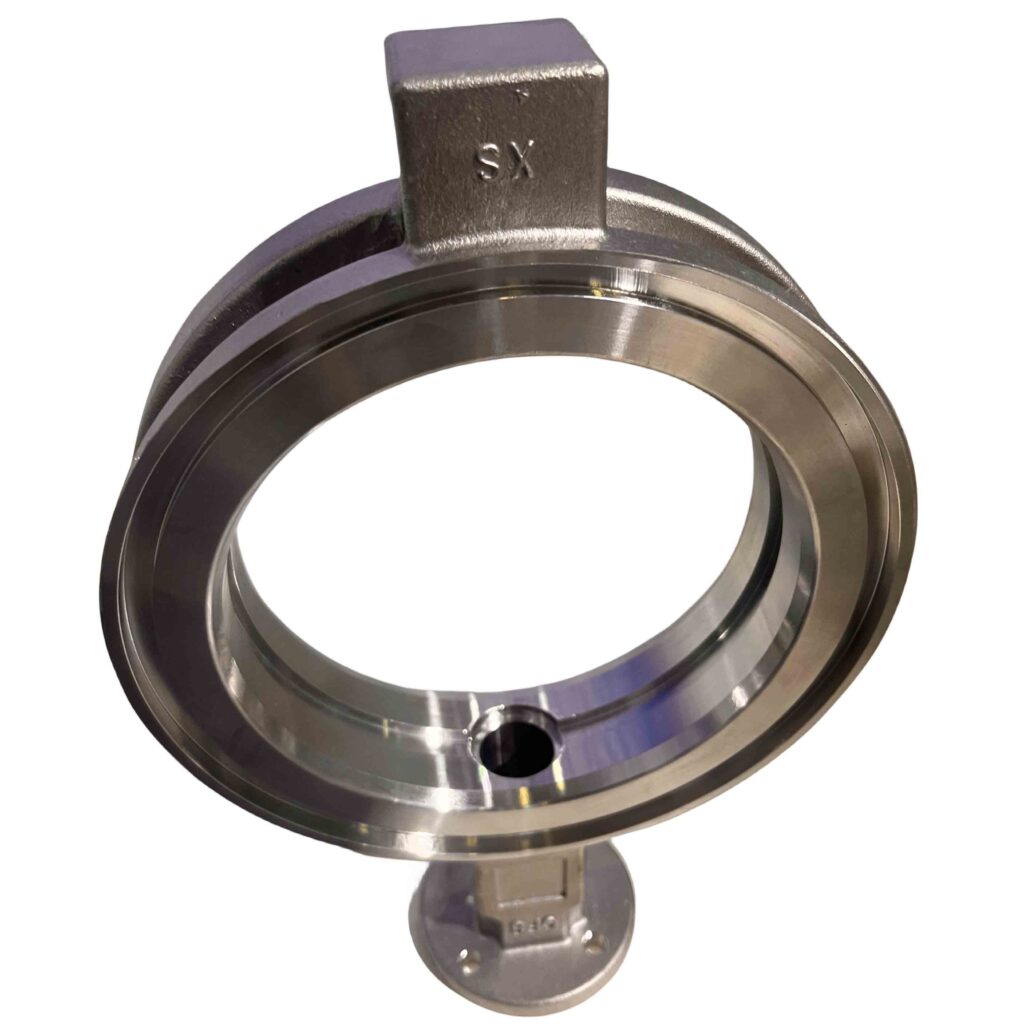
CNC machining is a manufacturing process that is typically categorized as a subtractive process or a process that’s primary goal is to remove material from a workpiece to achieve the desired form and measurement. There are many different categories of CNC machining but the most common are laser cutting, CNC turning and milling, CNC grinding, […]