The Advantages of Gravity Casting
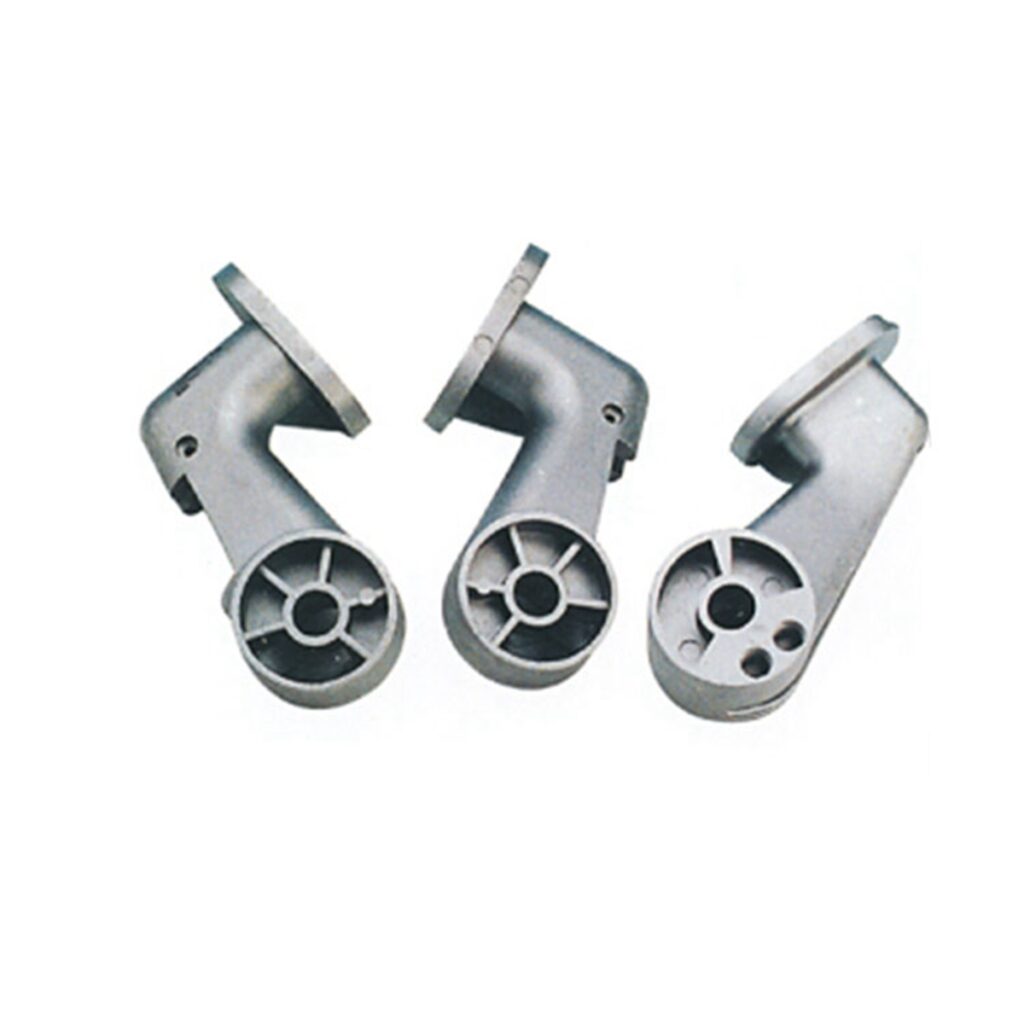
Gravity casting, also known as permanent mold casting, is a metal casting process where molten metal is poured into a reusable mold under the force of gravity—without additional pressure. This method is widely used in industries such as automotive, aerospace, and machinery manufacturing due to its numerous advantages. Below are the key benefits of gravity […]
Meaning of 3-Axis, 4-Axis, And 5-Axis CNC Machining
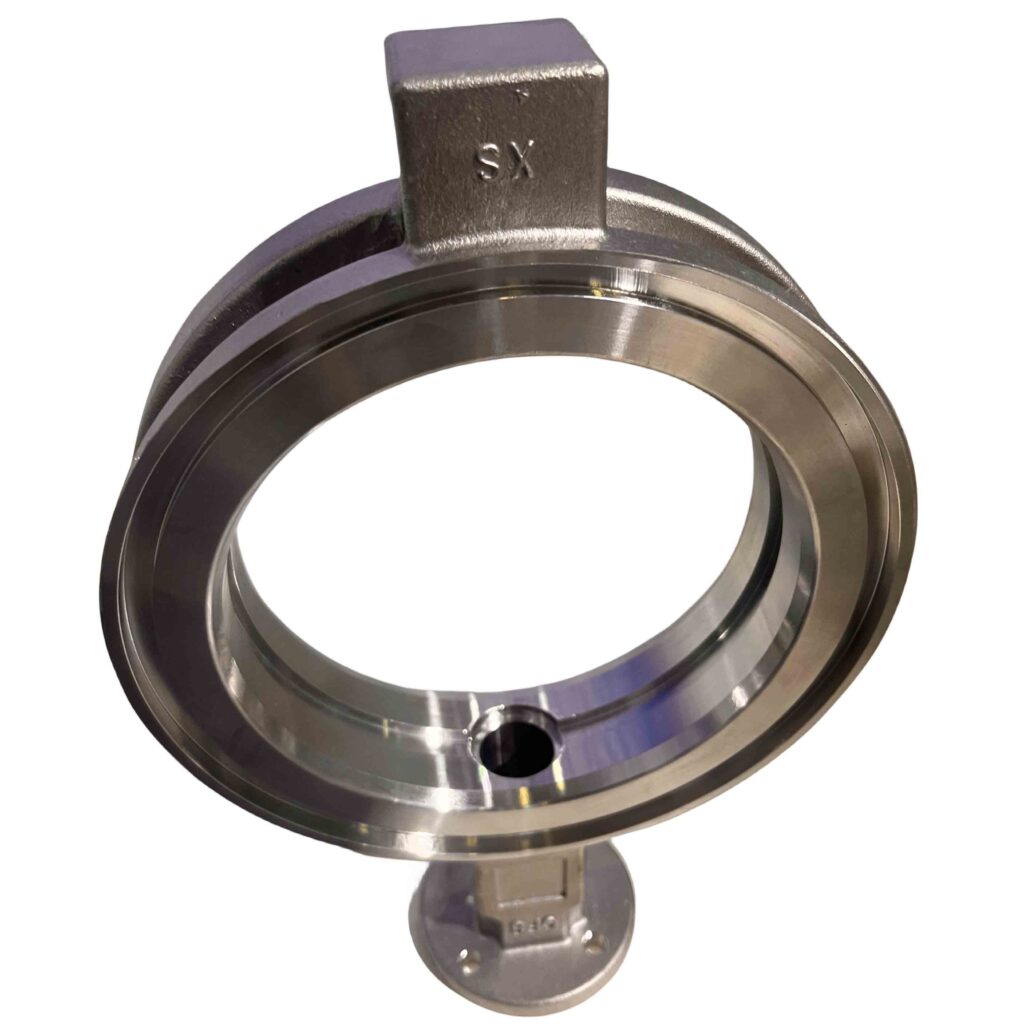
Milling is an essential CNC machine operation. The operating process of a milling machine determines the operational capability of that machine. According to those capabilities, there are 3 types of CNC milling machines. They are 3-Axis, 4-Axis, And 5-Axis CNC milling machines. The main difference between these 3 CNC machining is the movement of the […]
Gravity Casting: Suitable Shapes and Weights of Metal Parts

Gravity casting (also known as permanent mold casting) is a metal casting process where molten metal is poured into a reusable metal mold under the influence of gravity. It is widely used for producing medium-to-high-volume parts with good dimensional accuracy and surface finish. Below is a detailed analysis of the shapes and weights suitable for […]
Types Of CNC Machining
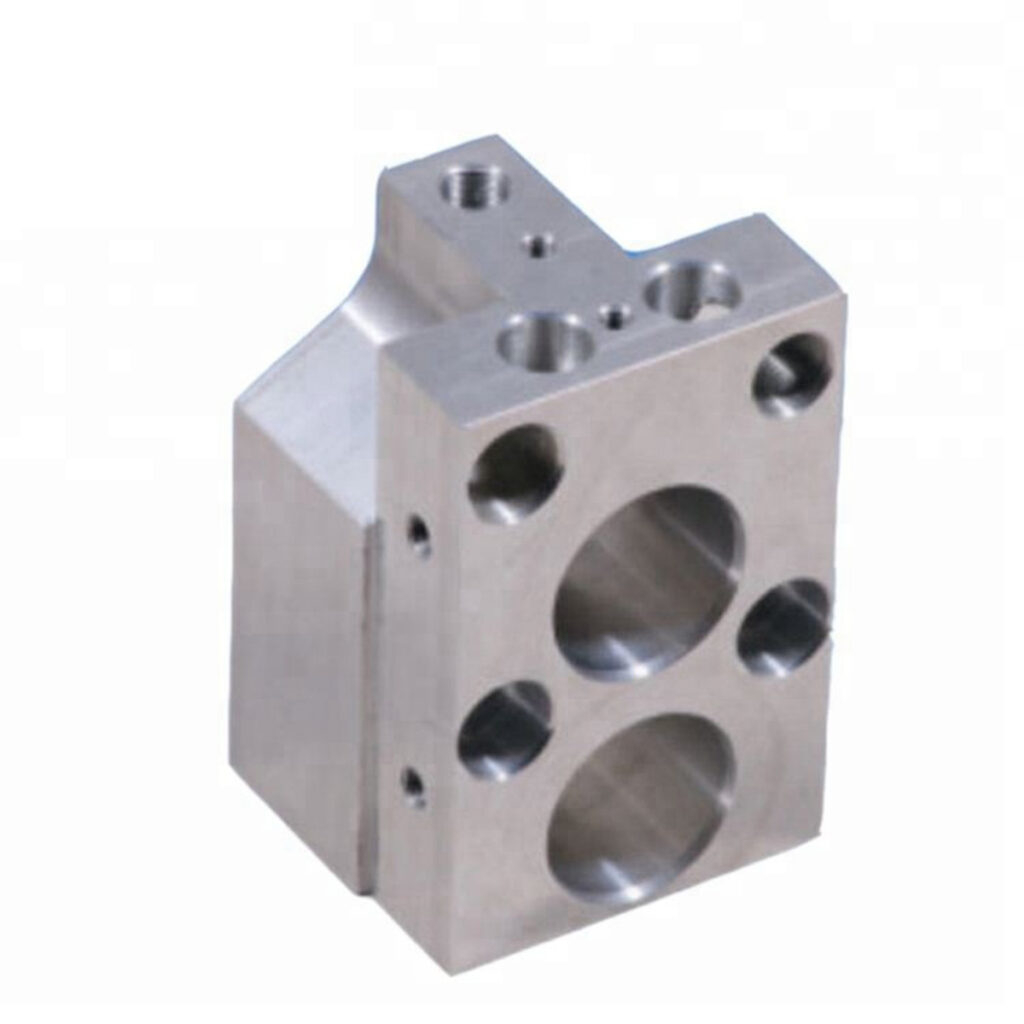
CNC machining can operate many complex functions with minimal human effort. It offers multiple advantages over machining that does not have the power of the CNC program. CNC machining significantly reduces cycle times and delivers highly optimized finished products. Here are the types of CNC machining you will see in many industries. CNC Lathes and […]
Materials Suitable for Gravity Casting
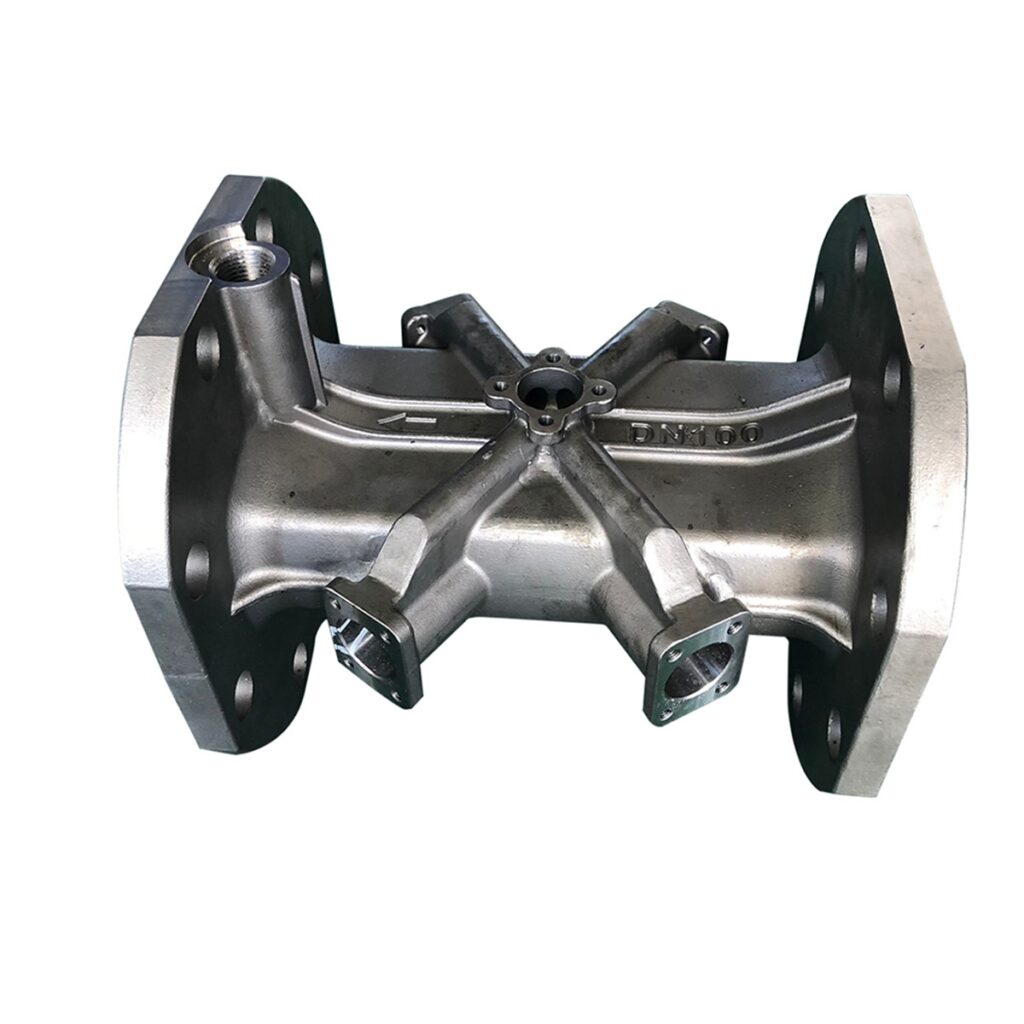
Aluminum Alloys: Widely used due to their lightweight, corrosion resistance, and good mechanical properties. Zinc Alloys: Known for their excellent fluidity, making them ideal for intricate designs. Magnesium Alloys: Lightweight and strong, often used in aerospace and automotive industries. Copper Alloys: Such as bronze and brass, valued for their durability and corrosion resistance. Cast Iron: […]
Understanding CNC Machining
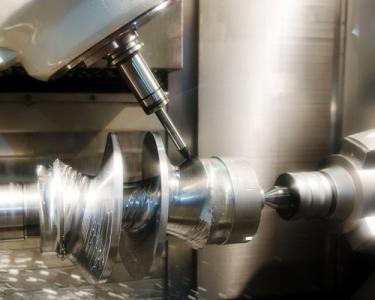
CNC stands for Computer Numerical Control, and CNC machining is a computerized manufacturing process. You can make your industrial manufacturing process fully automated and more efficient with CNC machining. CNC machining uses CNC software to operate all the motions and movements of production equipment. It can handle various types of sophisticated machinery such as grinders, […]
Gravity Casting Process: Key Considerations
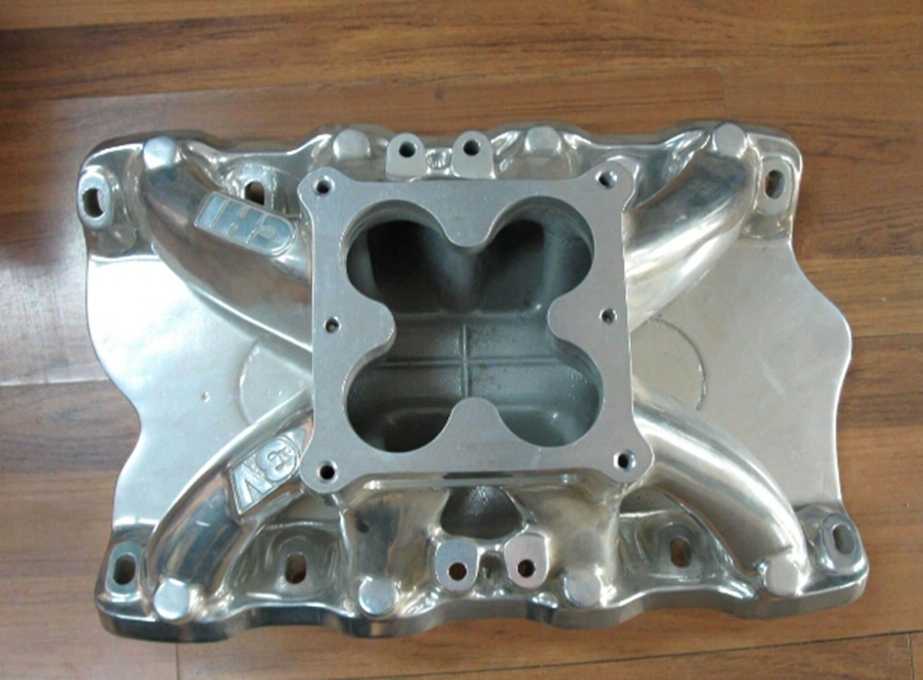
While gravity casting offers numerous advantages, achieving high-quality castings requires careful attention to several critical factors: Mold Design and Preparation: Mold Material Selection: Choose mold materials (typically metal or sand) with appropriate thermal conductivity, strength, and resistance to thermal fatigue based on the casting metal and desired cooling rates. Mold Surface Finish: Ensure a smooth mold surface […]
Gravity Casting Process
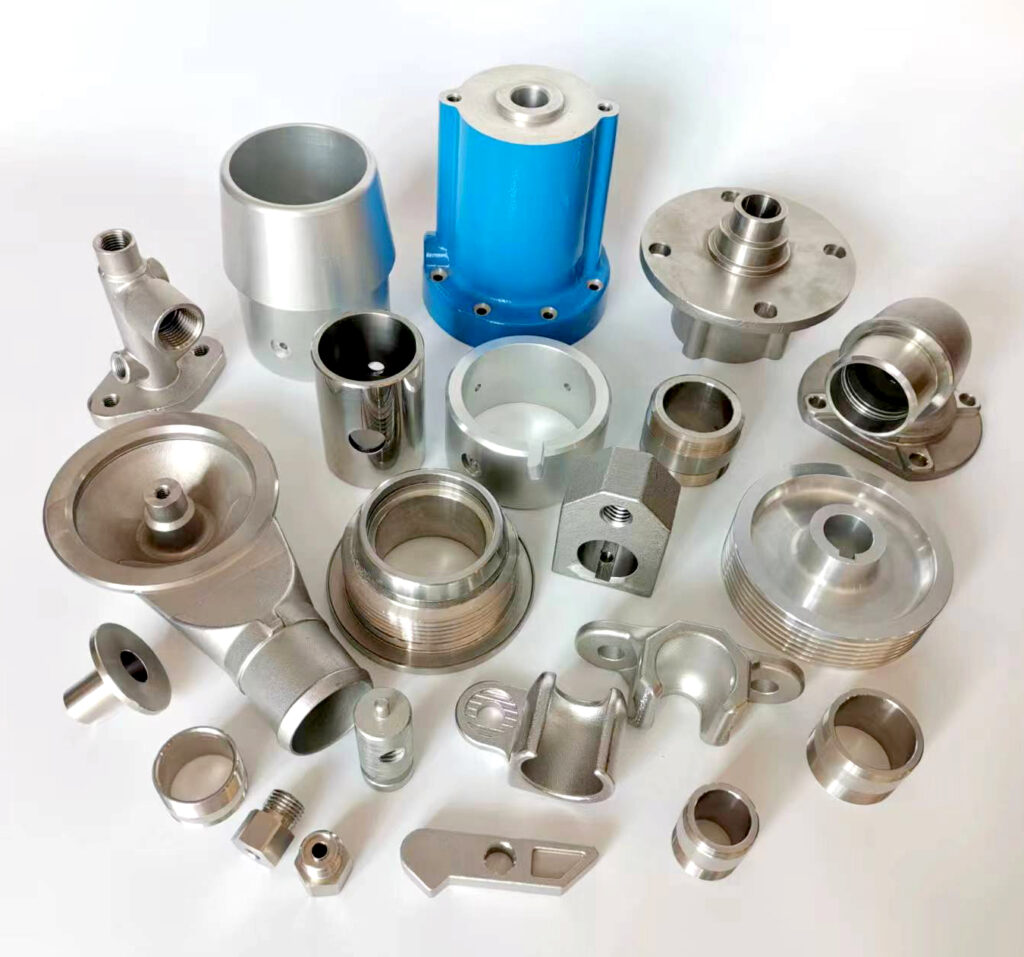
Gravity casting, also known as permanent mold casting, is a widely used manufacturing process in the mechanical industry. It involves pouring molten metal into a reusable mold under the force of gravity, without the use of external pressure. This method is particularly suitable for producing high-quality, complex metal parts with excellent surface finish and dimensional […]
Calculation Method for CNC Machining Pricing
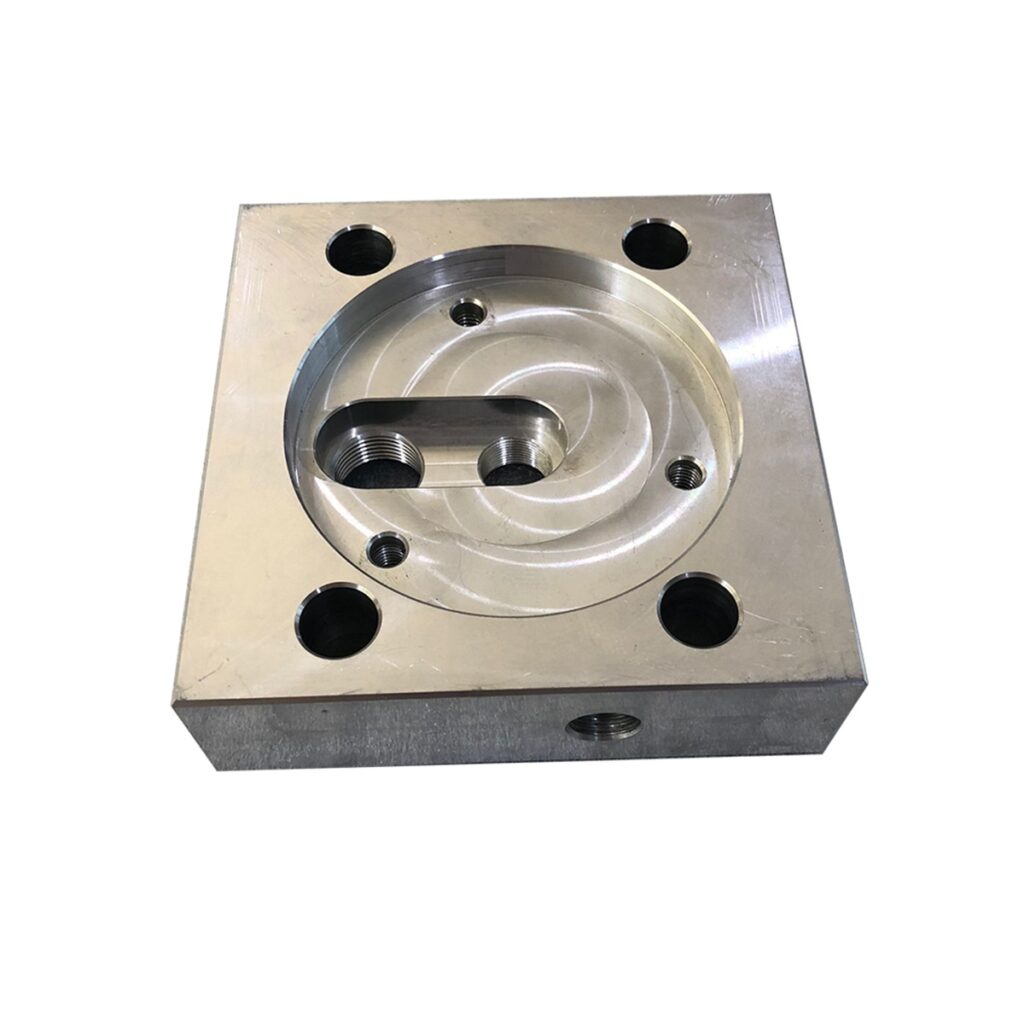
I’m certain that you know CNC machining is the most cost-effective technique suitable for low or high production. You can’t underrate its functionality in constructing materials like metals. If you are wondering, I’ll show you some of the factors that determine CNC machining costs. -Materials (metal/plastic) -Machine cost (3-axis and multi-axis machines) -Labor (Programming, Set […]
The Cost of CNC Machining Per Hour
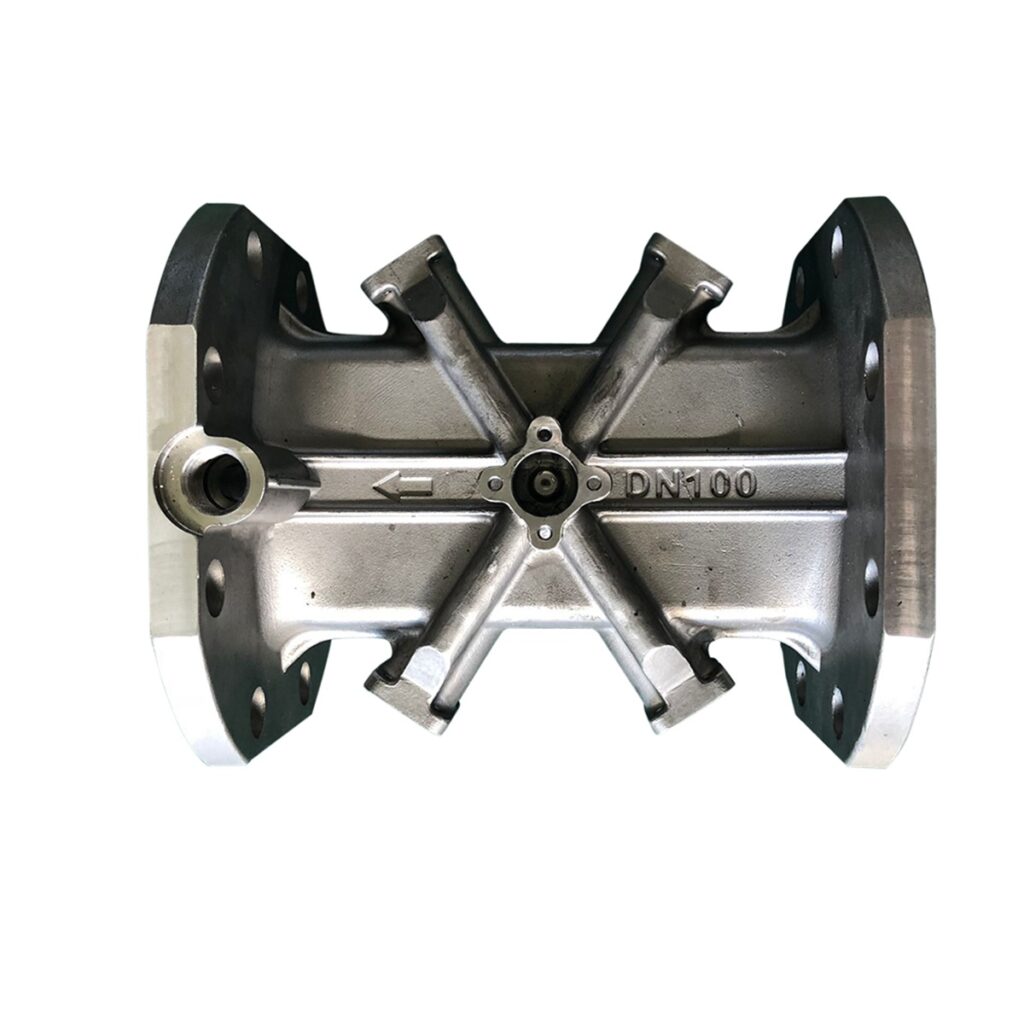
CNC machining approaches are expensive by the reason of having a high degree of mechanical ability and the amount of sophistication needed. In spite of the fact that CNC machining is pricey, you’ll find it really worth the cost. Computer numerical control or CNC machining manufacturing is priced between $75 to $200 per hour. There […]