What is Metal Bending

Metal bending is the process of deforming metal into a specific shape or angle by applying force without cutting the material. This technique alters the metal’s geometry, which can be achieved through various methods such as pressing, hammering, or folding, often using specialized tools and machinery. The origins of metal bending trace back to […]
Guidance for Custom CNC Machining Plastic Parts
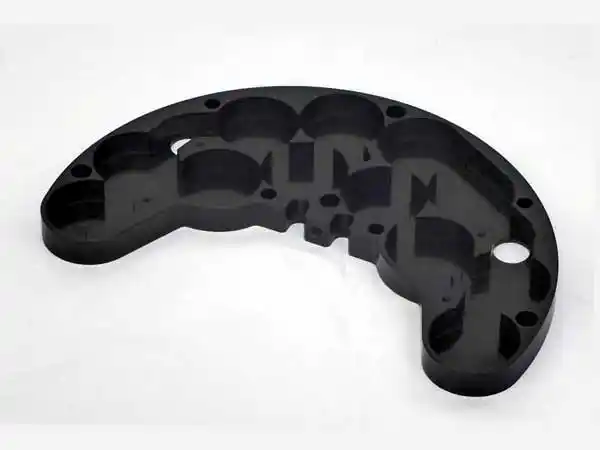
When engaging a manufacturer for custom CNC machining of plastic parts, follow these concise guidelines: Research and Repute: Choose a reliable supplier with the right background to manufacture plastic parts on CNC machining. Material Expertise: Select a firm that has history in serving the plastic material of your parts. Design Collaboration: Create a strong partnership […]
Zinc Plating Process
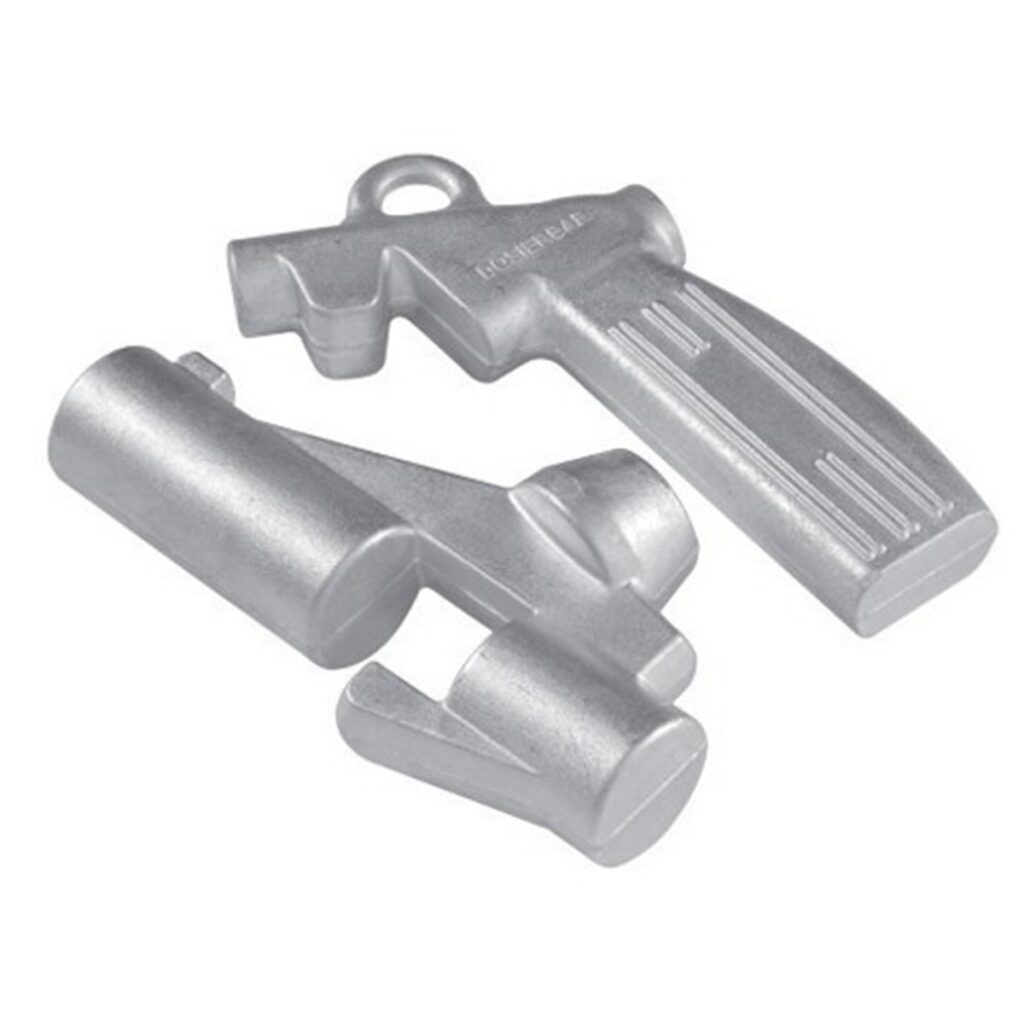
Zinc plating, also known as electrogalvanizing, is an electrochemical process used to deposit a thin layer of zinc onto the surface of metal substrates (primarily steel or iron) to protect against corrosion, improve aesthetics, and enhance durability. Below is a detailed breakdown of the process: 1. Purpose of Zinc Plating Corrosion Resistance: Zinc acts as […]
Acid Pickling Concentration in Hot-dip Galvanizing
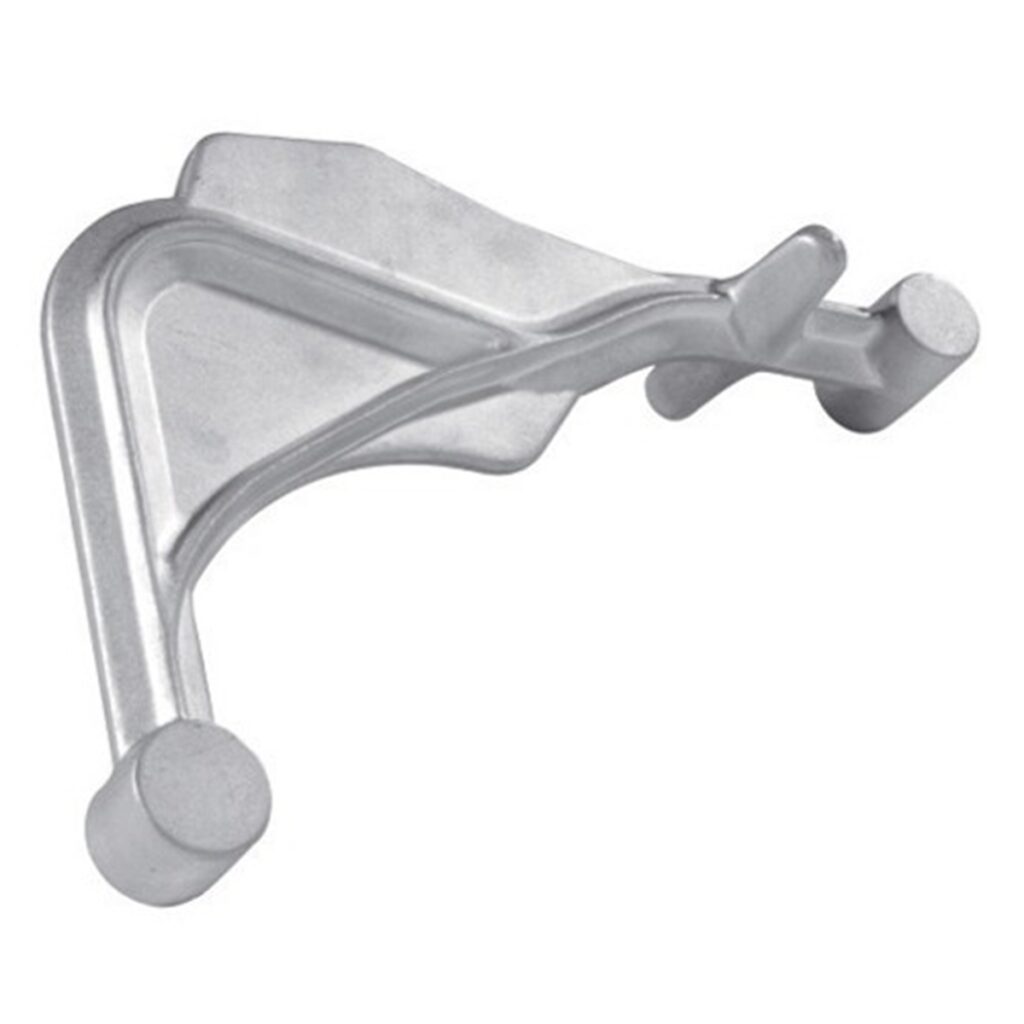
The acid pickling concentration in hot-dip galvanizing is carefully controlled based on multiple technical and operational factors. 1. Acid Type and Typical Concentration Ranges Hydrochloric Acid (HCl): Most commonly used in modern galvanizing due to faster reaction rates and reduced iron oxide sludge. Concentration range: 10–20% (by weight) in water. Operating temperature: 20–30°C (ambient to […]
Compare Plastic Injection Molding With CNC Plastic Machining
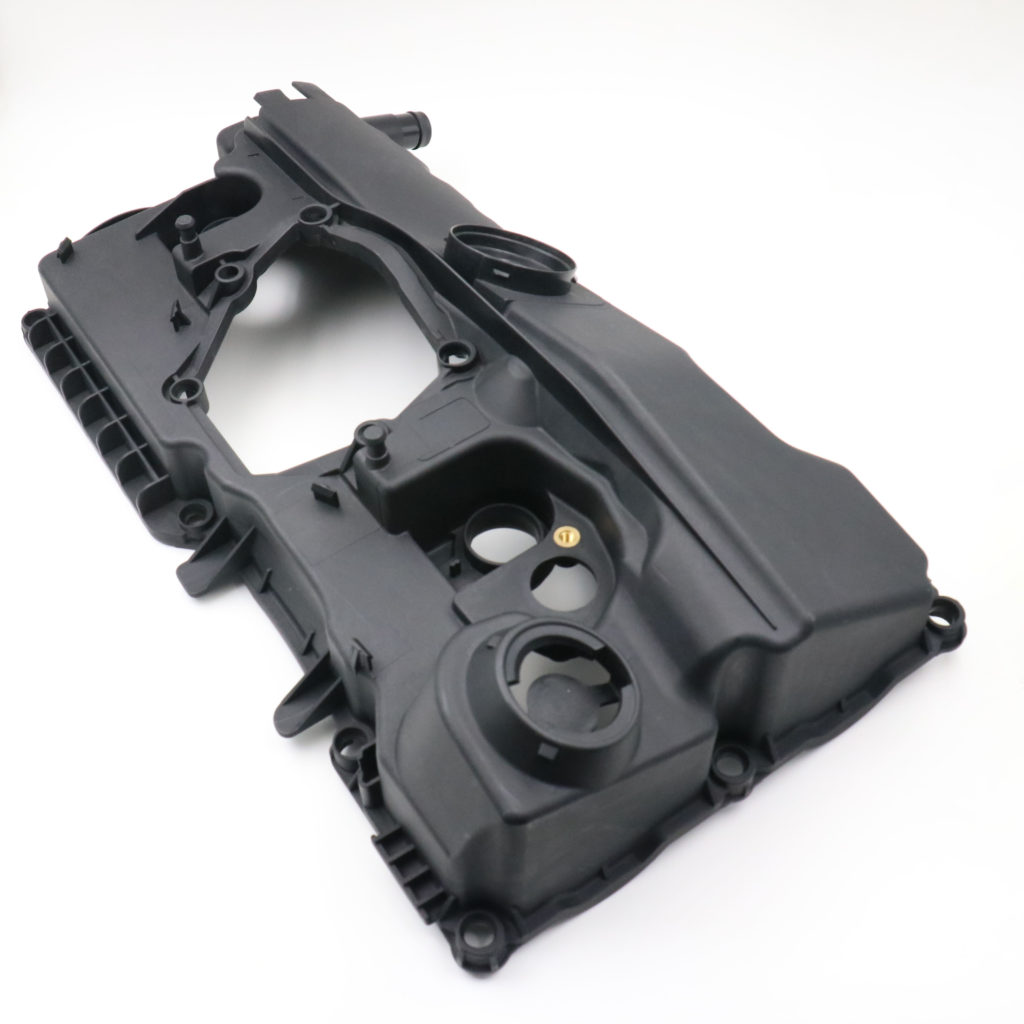
Plastic Injection Molding and CNC Plastic Machining are two separate processes that possess different benefits. Plastic Injection Molding produces molded plastic components from plastic pellets that are melted and injected into molds, allowing for high-volume production with complex shapes. Though upfront capital costs and mold creating time may be substantial, the process is cost-effective with […]
Acid Pickling in Hot-dip Galvanizing Processes
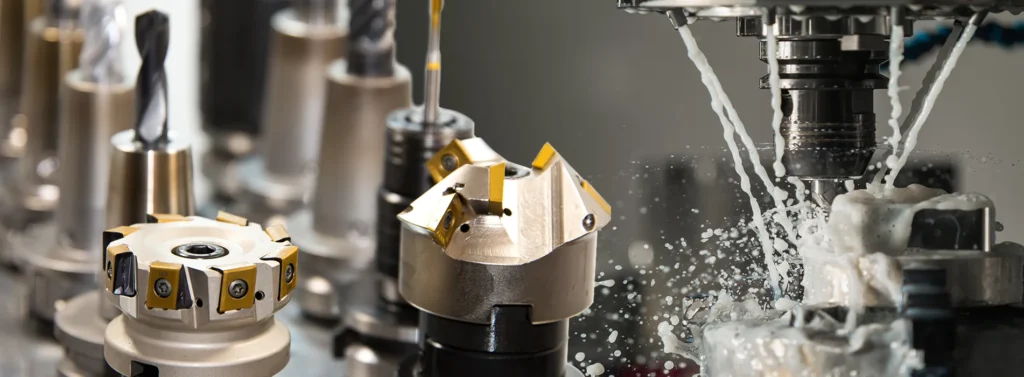
1. Acid Solution Control Concentration: Maintain hydrochloric acid (HCl) concentration between 10–20% (or sulfuric acid at 5–15%). Excessively high concentrations accelerate corrosion, while low concentrations prolong pickling time and risk incomplete oxide removal. Temperature: Keep temperature within 20–50°C (ambient to mildly heated). Avoid overheating, as it accelerates acid consumption and hydrogen embrittlement risks. Contamination: Regularly monitor for iron salt […]
Challenges of CNC Custom Plastic Machined Parts
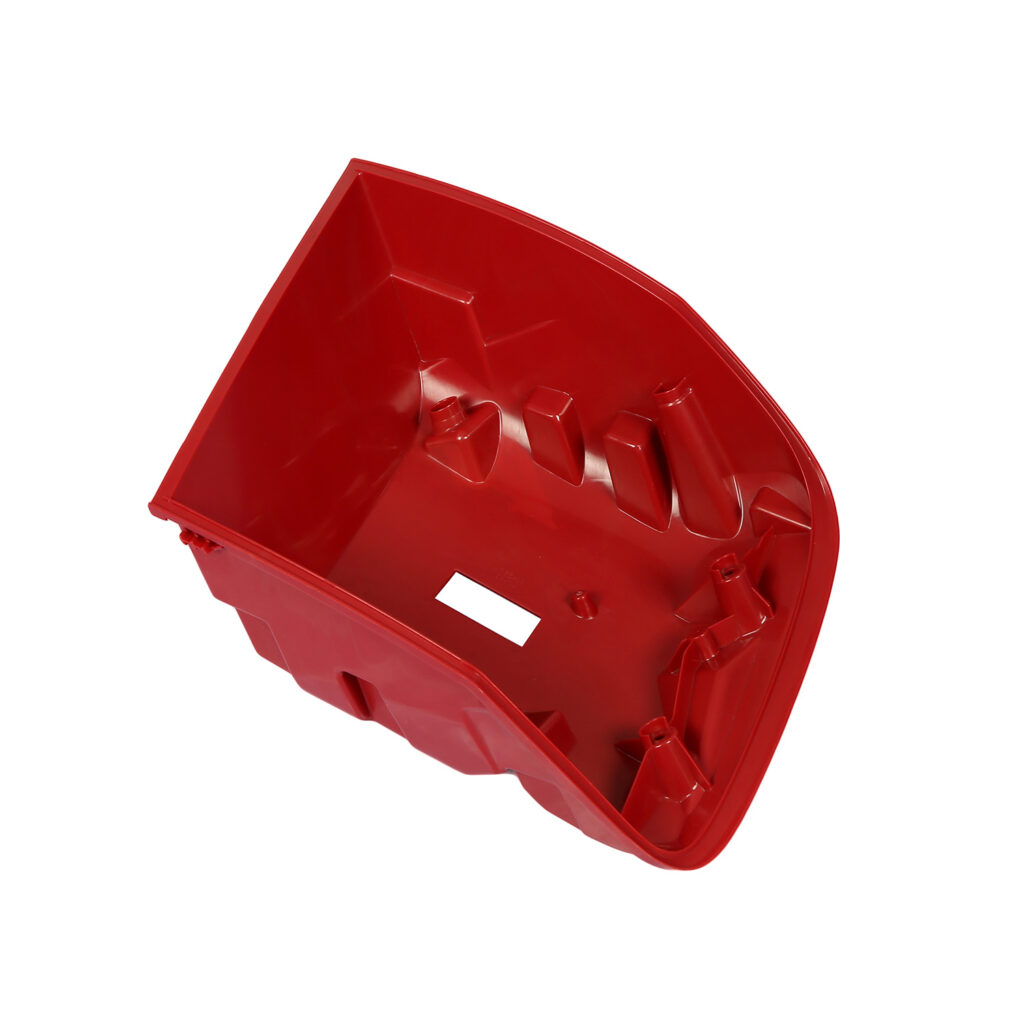
If you think CNC custom plastic machined parts always offered rainbows and butterflies, that’s not the case. In fact, there are a couple of considerations before you go with CNC custom plastic machined parts – and these include, but are not limited to: Warping and Tooling The most common challenge or drawback to it […]
Pros of CNC Custom Plastic Machined Parts
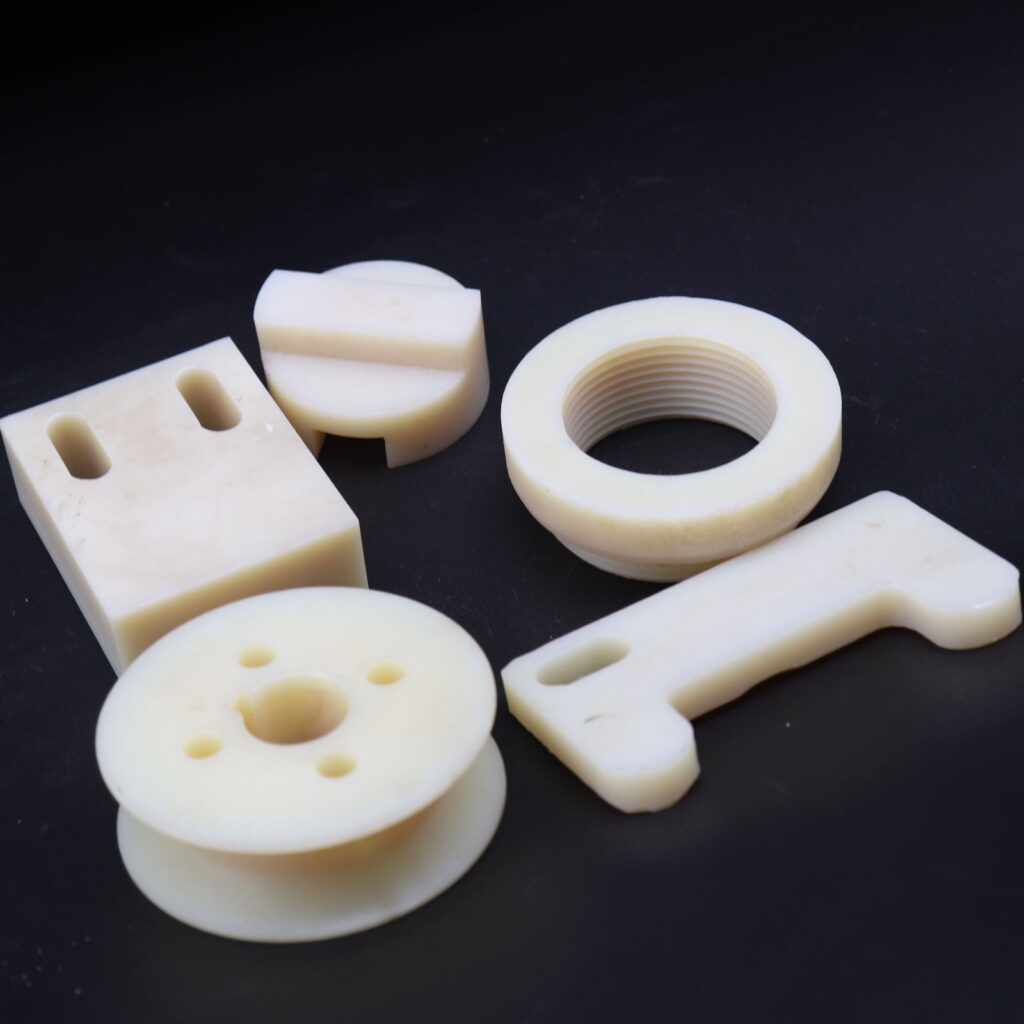
In CNC machining alone, you’ll be able to find multiple benefits and advantages – what more if we combine CNC machining and thermoplastics? These are the pros and advantages of using plastic CNC machining for the production of the parts you need: Fast Turnaround Plastic CNC products are the best when it comes to prototyping […]
Differences Between Hot Dip Galvanizing and Zinc Plating
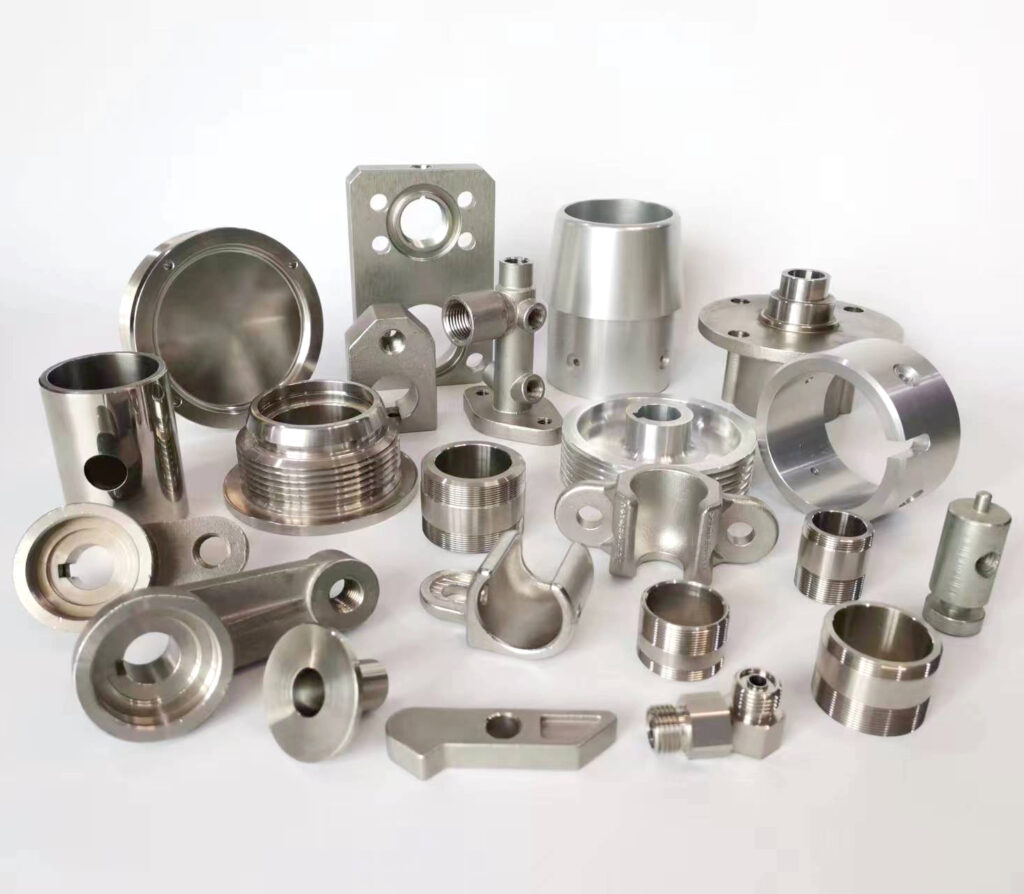
Process: Hot Dip Galvanizing (HDG): Involves immersing steel in molten zinc (typically at 440–450°C). A metallurgical bond forms, creating zinc-iron alloy layers. Zinc Plating (Electroplating): Uses an electrical current to deposit zinc ions onto the steel surface from an electrolyte solution, operating at room temperature. Coating Characteristics: Thickness: HDG coatings are thicker (50–150 µm) and uneven due to […]
Hot Dip Galvanizing Process

The hot dip galvanizing (HDG) process is a widely used industrial method to apply a protective zinc coating to steel or iron components, preventing corrosion and extending their service life. It involves immersing the prepared metal into molten zinc, creating a metallurgical bond between the zinc and the base metal. Here’s a detailed breakdown of the process: […]