Tempering
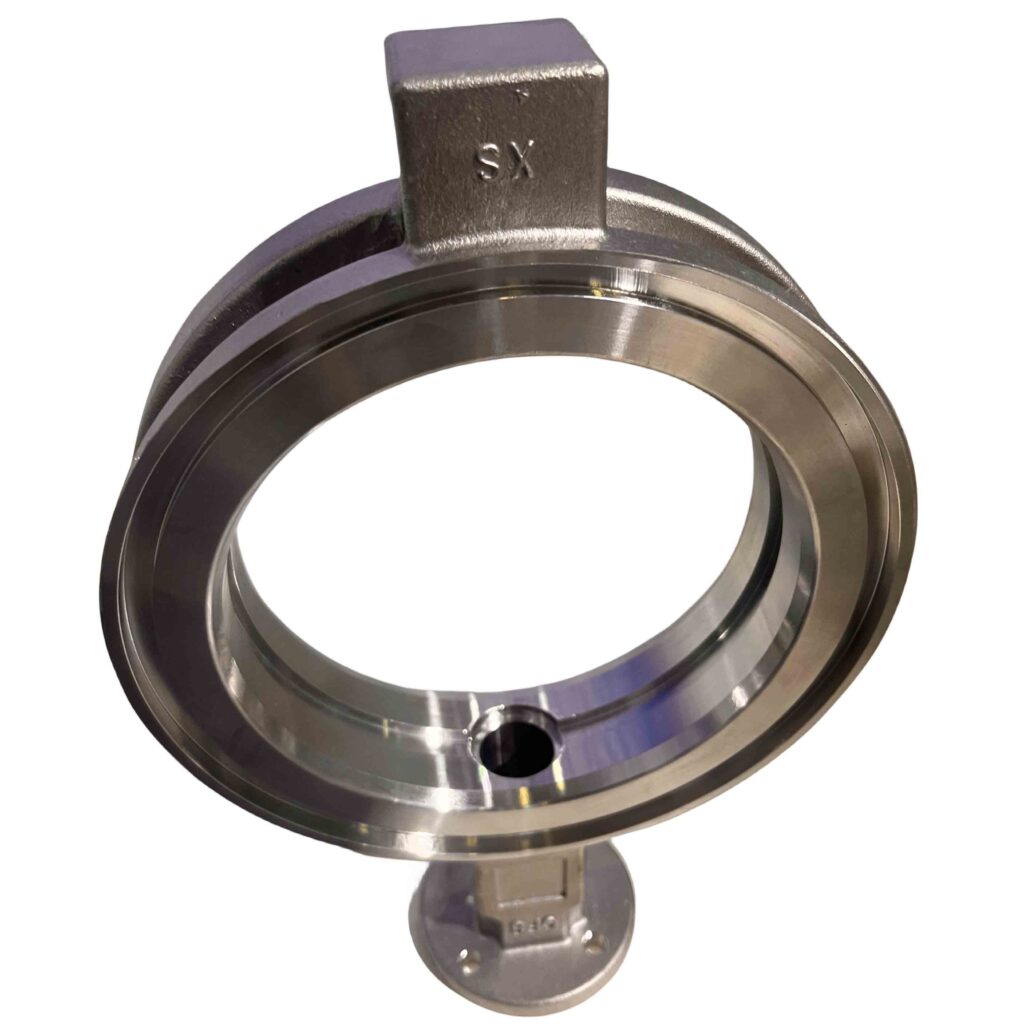
The brittleness of the workpiece is reduced, and the toughness is also improved. The part is reheated to a lower temperature and held for a while to balance its strength and flexibility.
Annealing
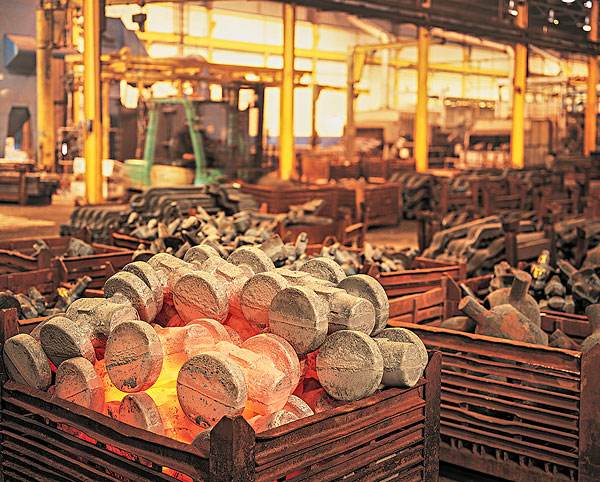
The term “annealing” fundamentally refers to a process of heating and controlled cooling applied to a material or a system to alter its physical and sometimes chemical properties, with the primary goals of reducing hardness, increasing ductility, and eliminating internal stresses. This core concept has been extended metaphorically to the field of computer science, specifically in optimization […]
Hardening
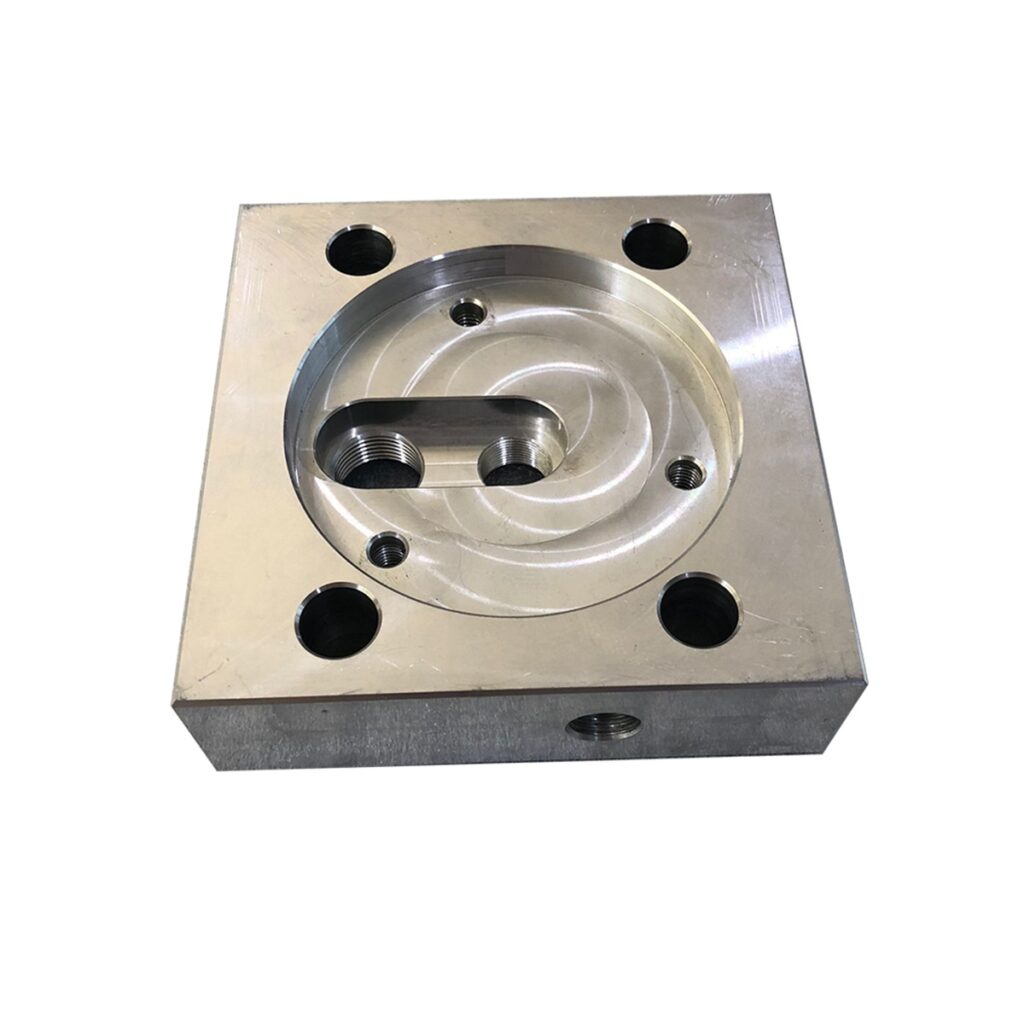
Hardening is used to improve the surface hardness of the metal. The part is heated up and cooled down quickly, forming a hard structure inside it called martensite. This structure is usually brittle, so the process is followed by tempering.
Cooling Methods for Forgings
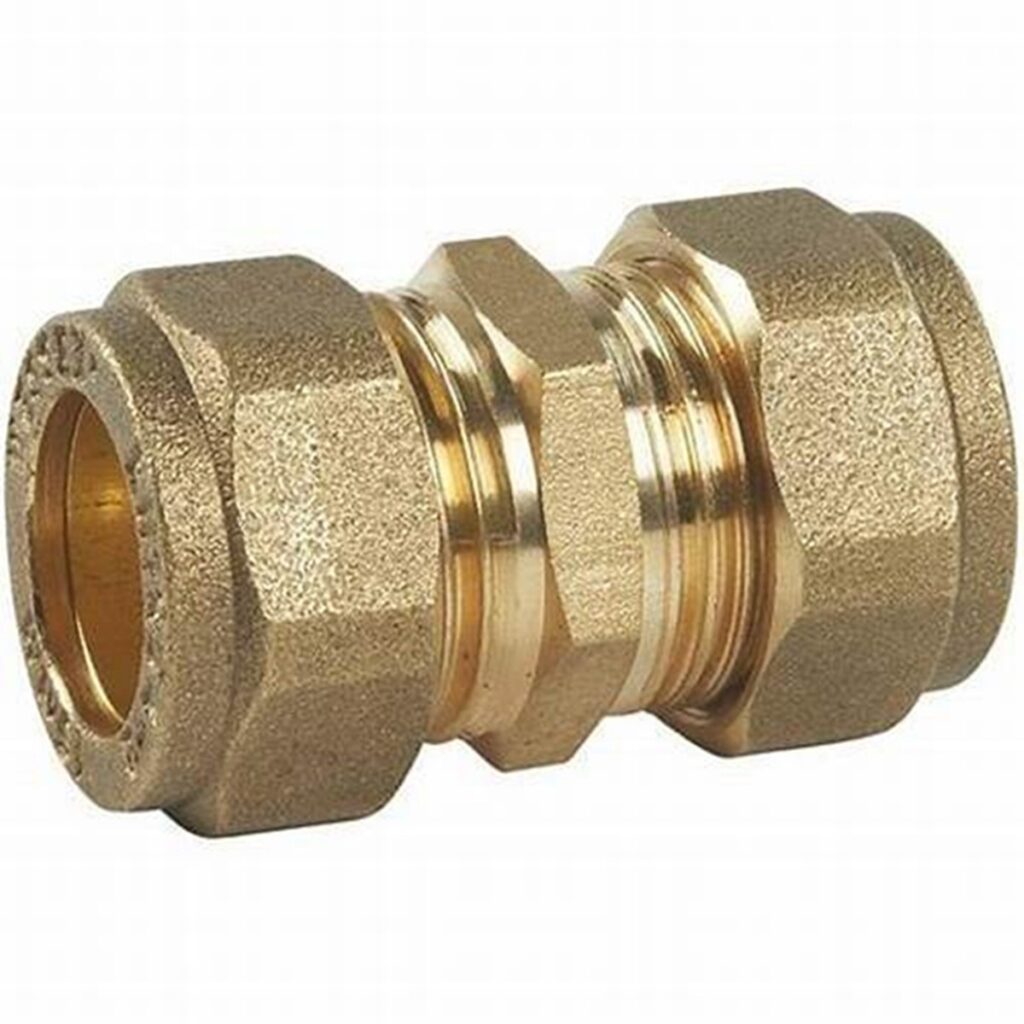
The cooling process after forging is a critical step that directly determines the final microstructure, mechanical properties, and residual stress of the metal part. Selecting the appropriate cooling method is essential to meet the specified material properties and performance requirements. Here are the primary cooling methods employed in the forging industry: 1. Still Air Cooling […]
Normalizing
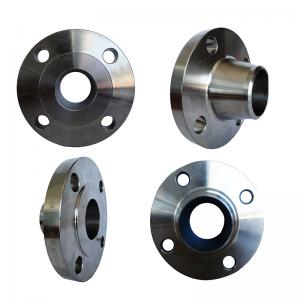
This is a process that’s usually used on forged or cast steel. It gives the metal a uniform grain structure, improving its toughness and making the metal more stable.
Annealing
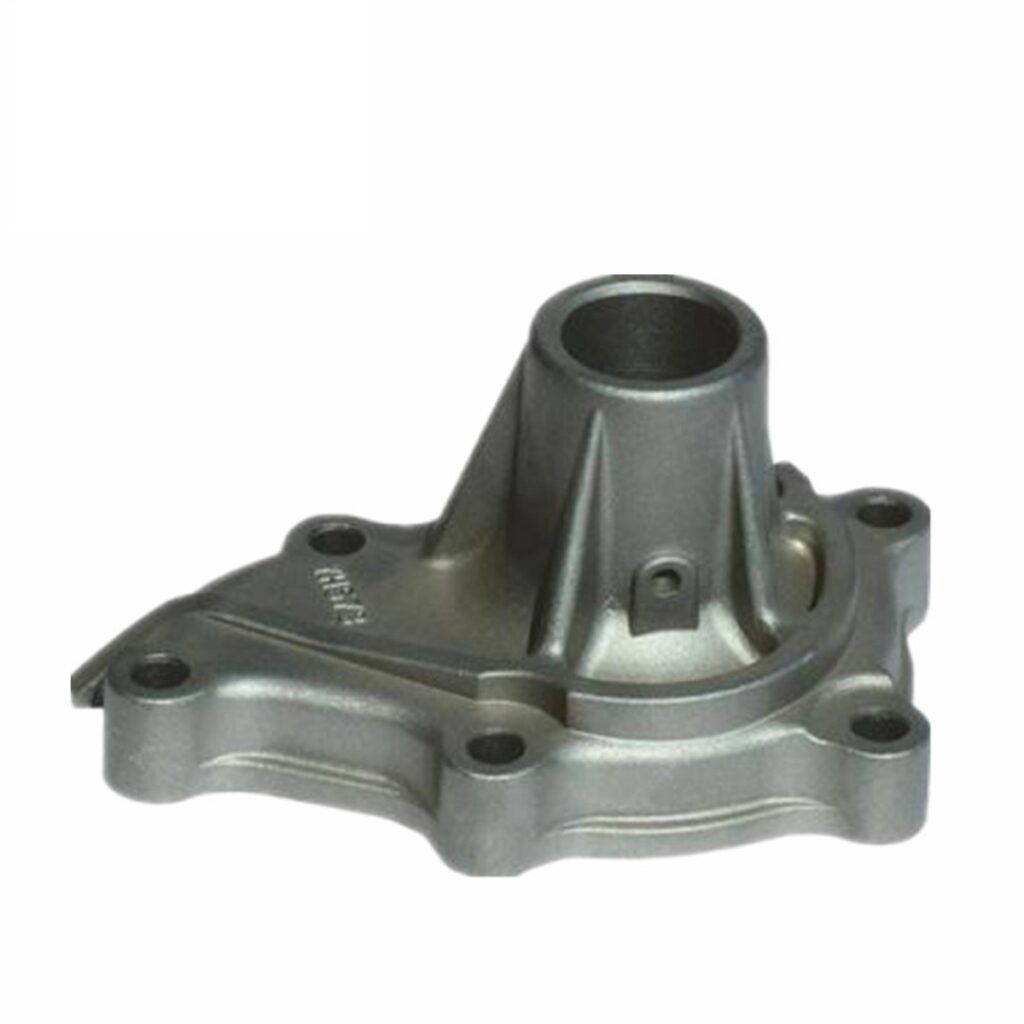
This process is used to soften metals, making them more ductile and easier to work with. It also removes stress from the shaping or cutting processes. It is commonly used for making sheet metal and tools.
Does Stainless Steel Rust?
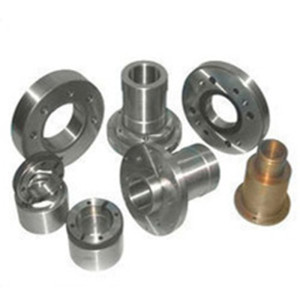
The short answer is: Yes, stainless steel can rust under specific conditions, but it is highly resistant to it compared to ordinary carbon steel. The term “stainless” is not absolute. Think of it as “stain-less” or “highly stain-resistant,” not “stain-proof.” Its renowned resistance to corrosion is due to its specific chemical composition. The Science Behind the […]
How Heat Treatment Works: The Basic Process
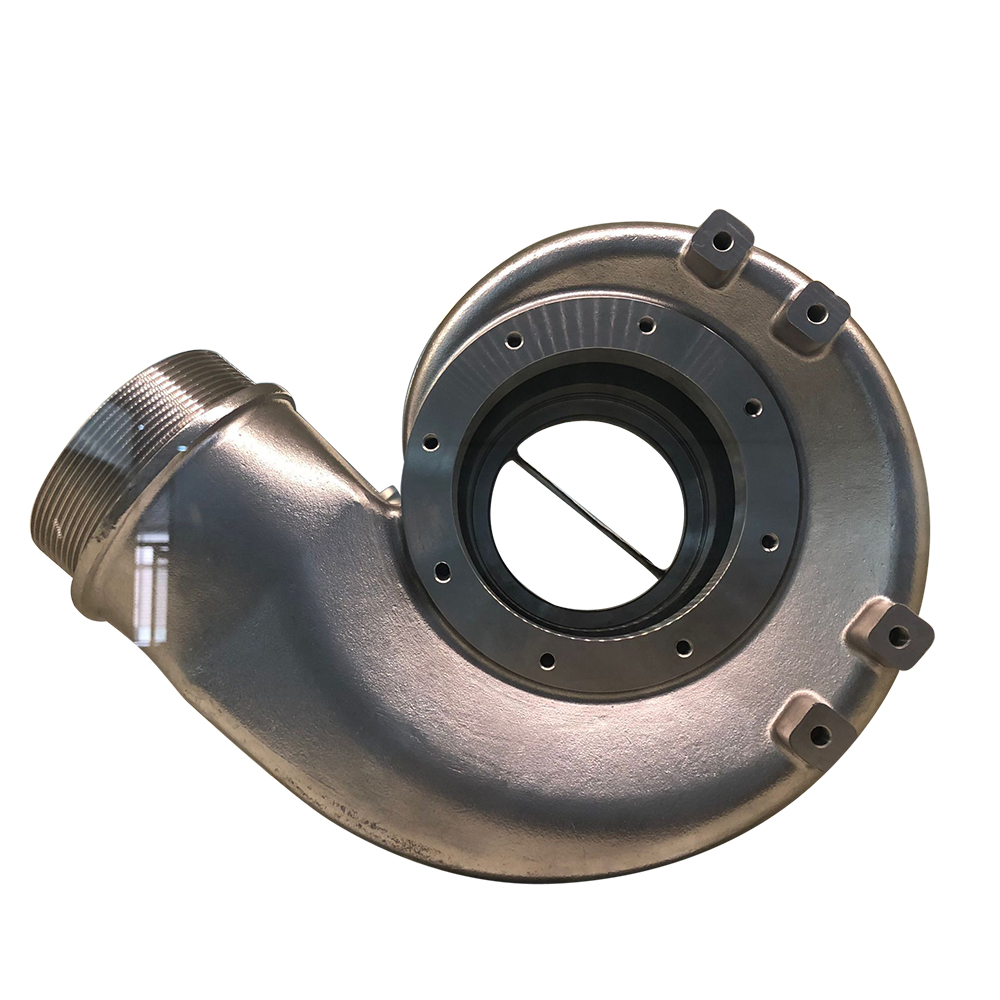
This process follows three main steps, and each must be followed correctly for the best outcome: Heating: Here, the metal you’re working with is heated to a certain temperature. The temperature used depends on the metal. Holding: This is when the workpiece is kept at the set temperature for a while, allowing it to […]
Essential Vernier Caliper Maintenance
Here’s a comprehensive guide to maintaining your vernier caliper for optimal accuracy and longevity: Essential Vernier Caliper Maintenance Daily Cleaning: Wipe Down After Every Use: Use a clean, soft, lint-free cloth (microfiber is ideal) to remove dust, coolant, metal chips, oil, fingerprints, and moisture. Pay special attention to the jaws, depth rod, and rack. Gentle Debris […]
What Is Heat Treatment?
Heat treatment is a method of changing a metal’s internal structure through precise heating and cooling cycles. This either makes the metal stronger or softer and easier to shape. The main aim of heat treatment is to improve the metal’s hardness and strength. Not only that, but it also improves its ductility and resistance […]