What Is Plastic Fabrication?
“Plastic fabrication” is the step in the design and manufacturing process when a selected shaping or molding method turns raw polymer materials into finished products.

“Plastic fabrication” is the step in the design and manufacturing process when a selected shaping or molding method turns raw polymer materials into finished products.
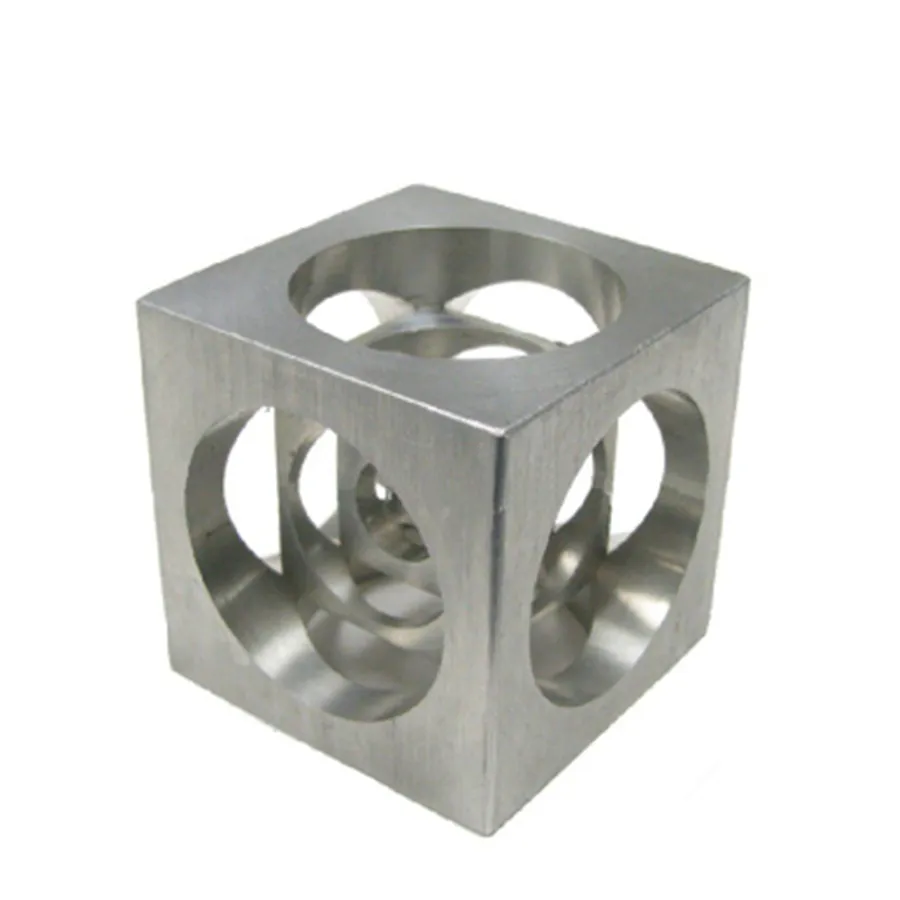
The limitations of alloys compared to pure metals are listed below: Less Ductile:Alloys are typically less ductile than their pure metal constituents. While this can
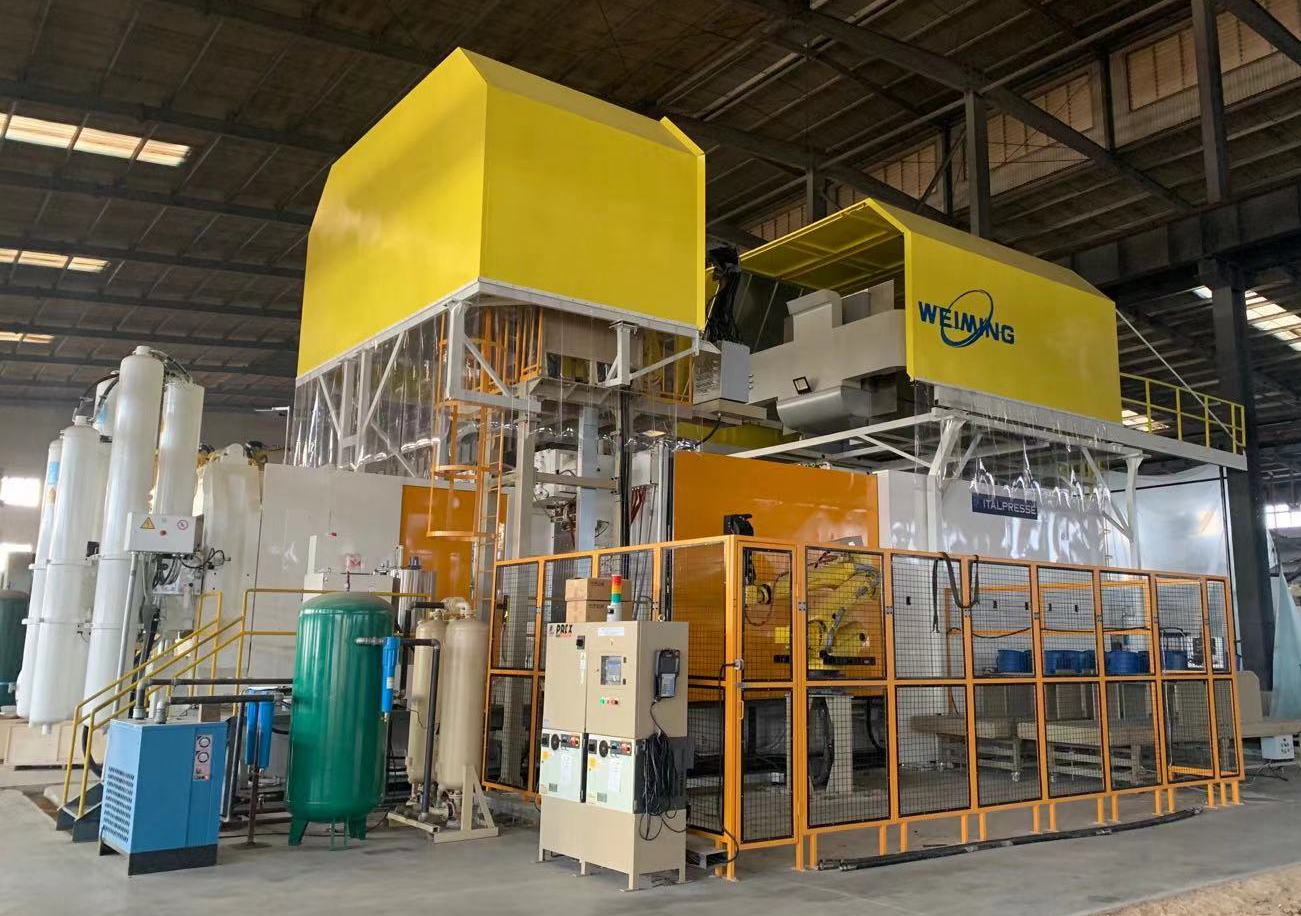
Advantages of Die-Casting High Precision This process can produce elements with excellent dimensional accuracy and smooth finishes, which are essential for quality and consistency. Short
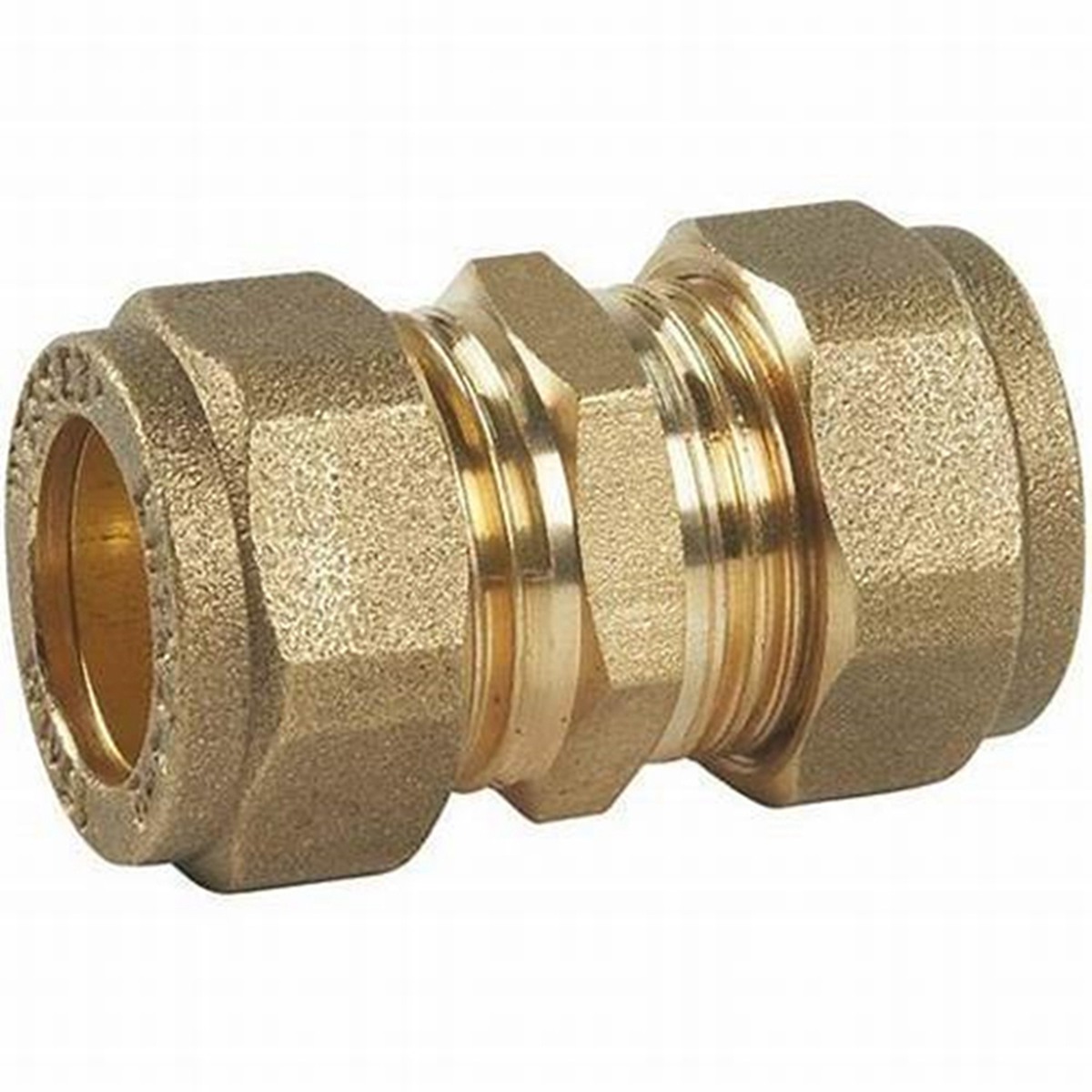
Process Differences The processes of creating tapped and threaded holes differ significantly: Tapping Process: Tapped holes are made by drilling a hole and then
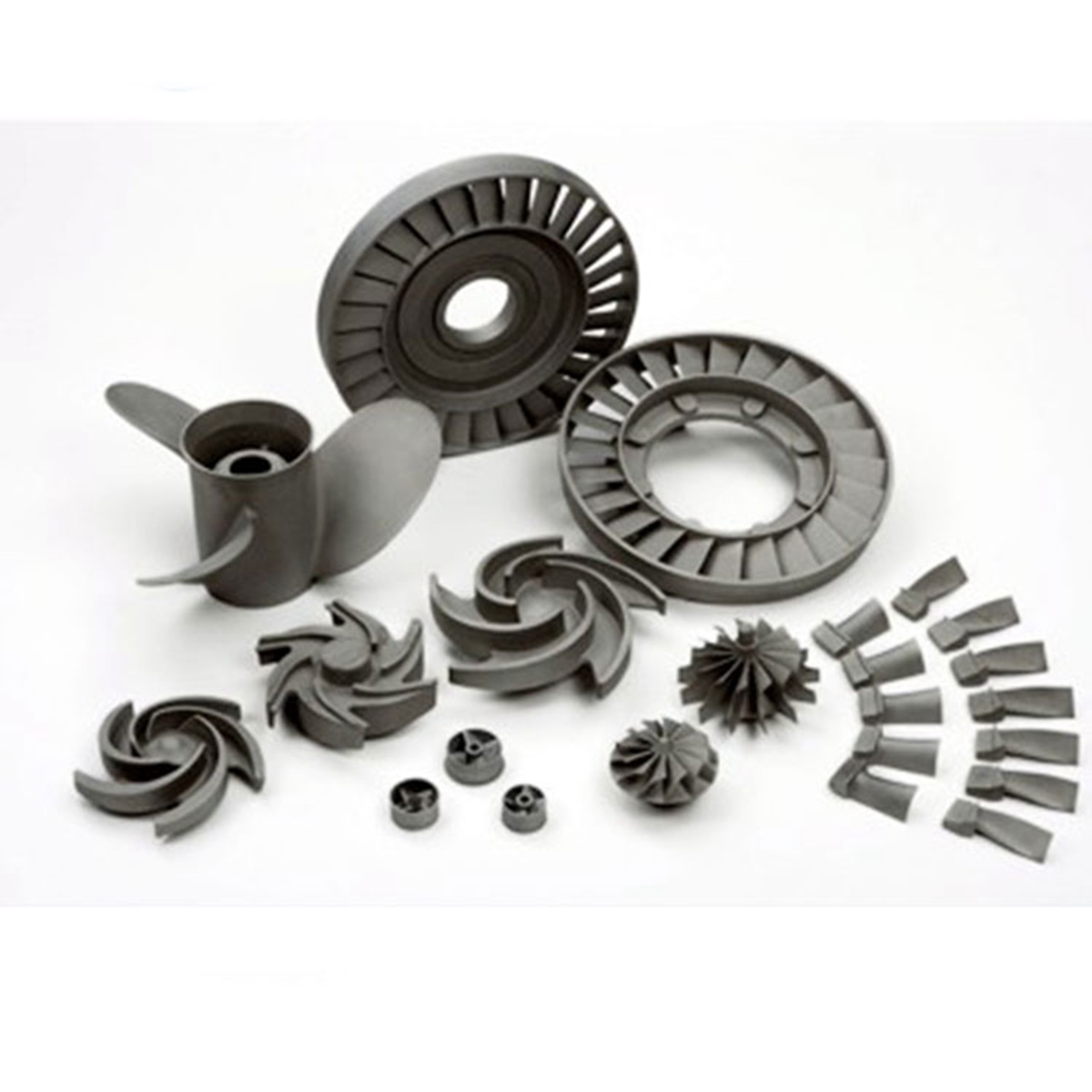
You already experience the benefits of alloys over pure metals in every interaction with technology or the built environment. Here are some benefits of alloyed
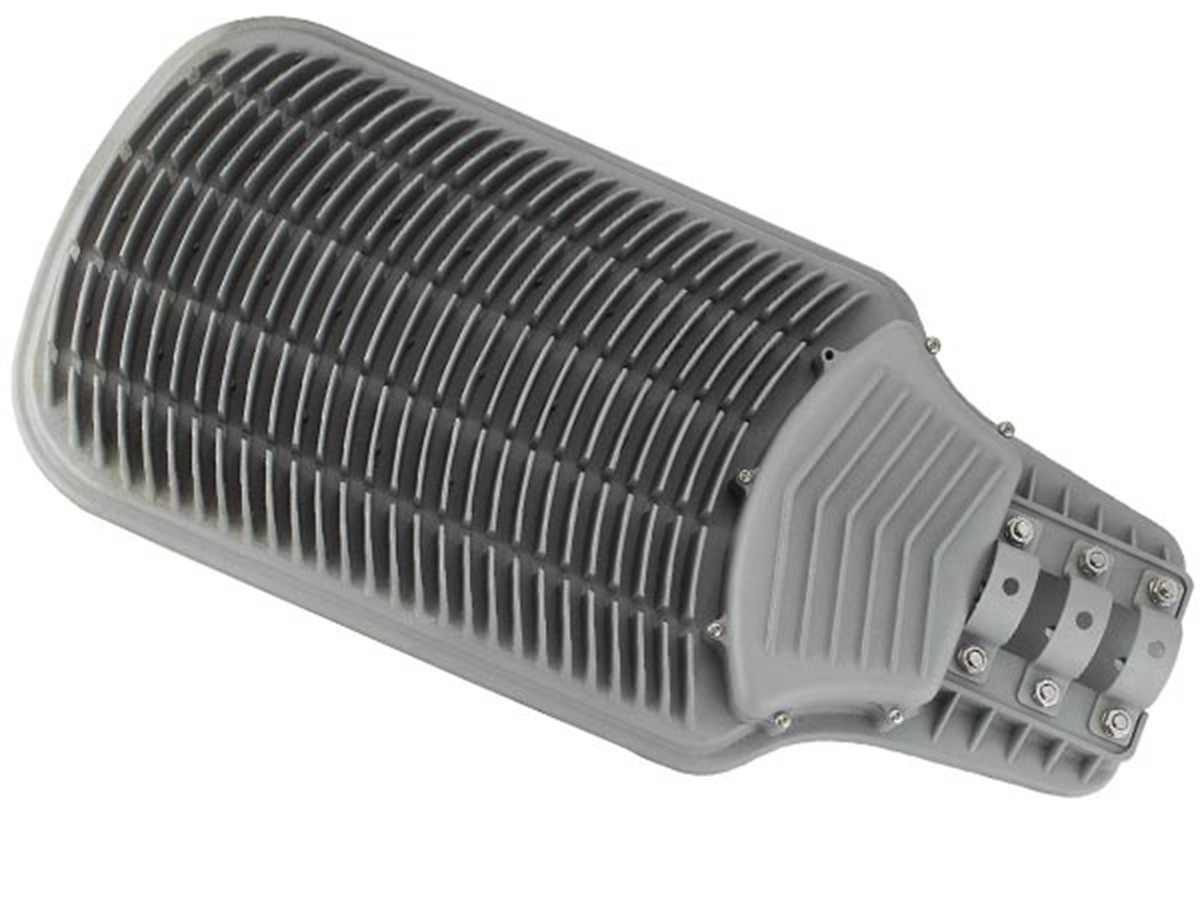
ZAMAK die casting, or zinc die casting is also a process similar to that of other materials. Foundries must ensure precise and efficient production to ensure high-quality
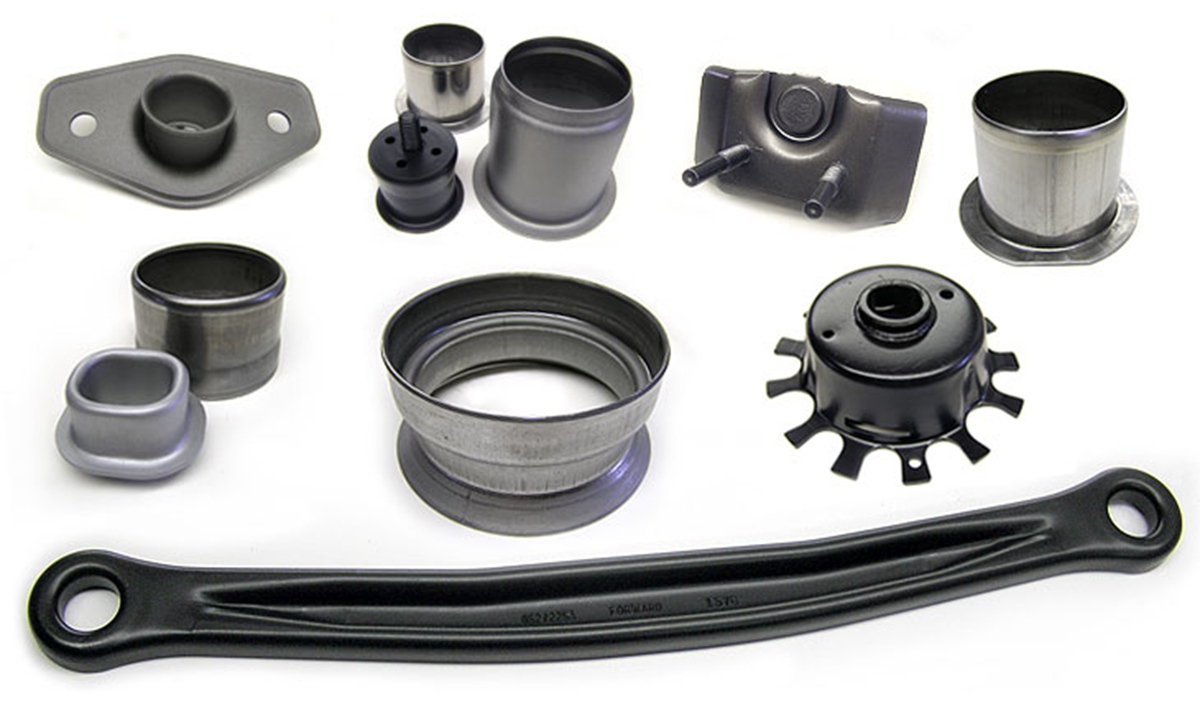
Alloys appear everywhere – any metal parts you encounter in your day, from a bicycle frame to a spoon, from a crane to a car,

The most common classes of alloys that you are likely familiar with are described here: 1. Steel You see it everywhere you look, from Superman
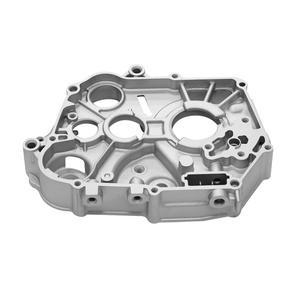
There are many reasons why you should use ZAMAK alloys. Because of their benefits, ZAMAK alloys sometimes replace aluminum casting. This section mainly talks about
ZAMAK stands for Zinc, Aluminum, Magnesium, and Copper (Kupfer). It is a German metal alloy name. Zinc is the base material, ranging from 94% to