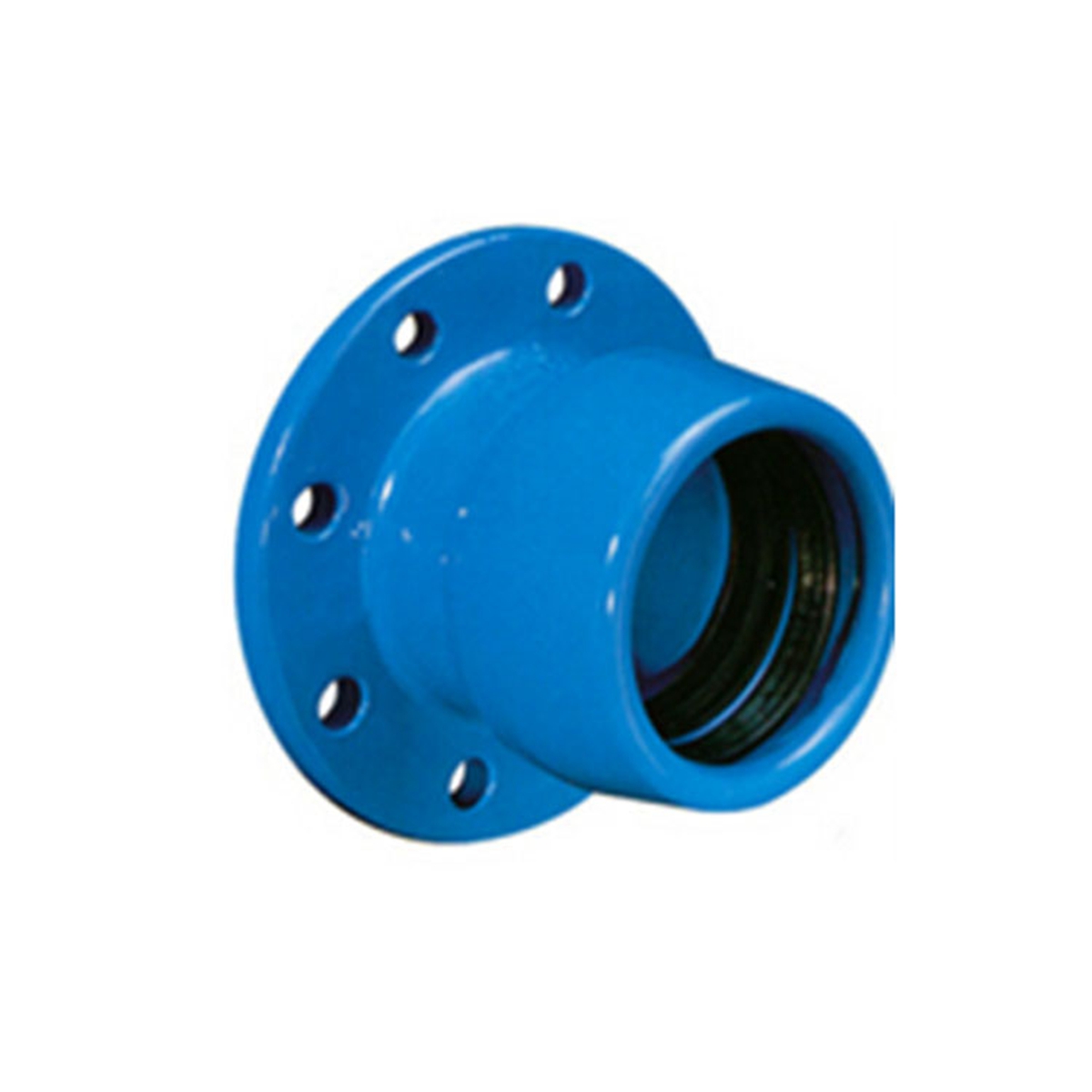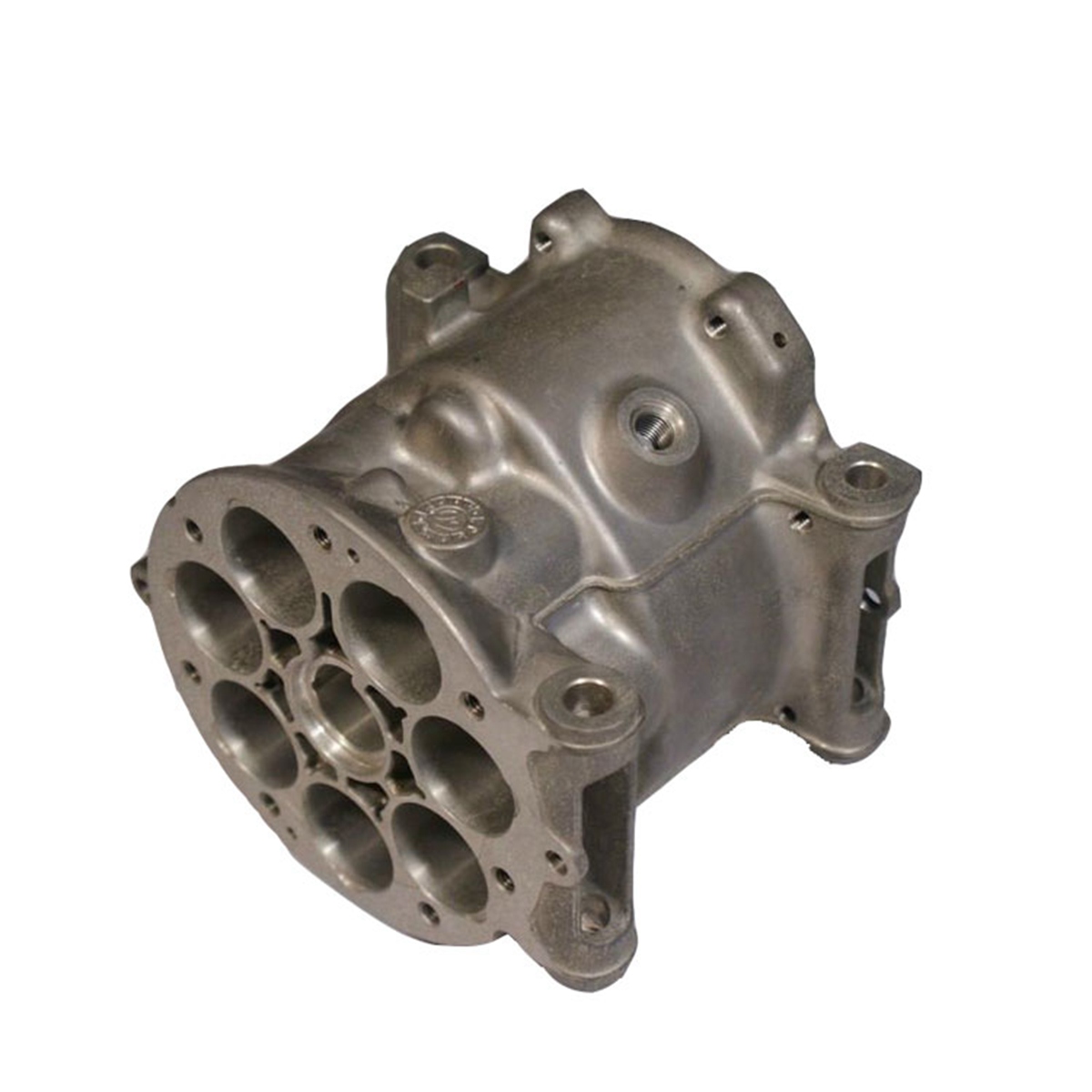
Rapid prototyping for steel castings is widely used across industries where companies need to develop, test, and improve metal components before full-scale manufacturing. Steel castings are often selected for applications that require high strength, impact resistance, durability, and reliable performance under demanding conditions.
By using rapid prototyping for steel castings, manufacturers and engineers can evaluate real metal components at an early development stage instead of relying only on digital models or simulations. This approach helps verify product designs, improve manufacturing processes, and accelerate the transition from concept development to final production.
Automotive Components
The automotive industry frequently requires customized steel components that must provide excellent mechanical performance and long service life. Before mass production, manufacturers often need to verify component structures, assembly accuracy, and material performance.
Rapid prototyping for steel castings allows automotive engineers to test prototype components before investing in large-scale production. This is especially valuable for newly developed vehicle systems or customized parts that require design optimization.
Common automotive steel casting prototypes include:
Structural components
Transmission parts
Brackets and supports
Heavy-duty mechanical components
By producing and evaluating prototypes earlier, automotive manufacturers can identify potential design issues and improve component reliability before production begins.
Industrial Equipment Components
Industrial machinery often relies on steel components that must operate continuously under heavy loads and challenging environments. Equipment manufacturers frequently require customized parts that are not available as standard products.
Rapid prototyping for steel castings provides an efficient solution for developing these specialized components. Engineers can test prototype parts, verify installation requirements, and optimize designs before moving into larger production quantities.
Typical industrial applications include:
Machine frames
Mechanical housings
Connecting components
Wear-resistant parts
Custom equipment components
For industrial equipment manufacturers, rapid prototyping reduces development risks and helps create components that better match specific operating requirements.
Valve and Pump Components
Valve and pump systems require components with excellent dimensional accuracy, pressure resistance, and structural reliability. Any design issues may affect sealing performance, fluid control efficiency, and operational safety.
Rapid prototyping for steel castings is valuable for developing customized valve and pump components because it allows engineers to evaluate actual steel parts before final production.
Common prototype components include:
Valve bodies
Pump housings
Impellers
Flow control components
Connection parts
Through prototype testing, manufacturers can verify component geometry, improve flow performance, and confirm whether the selected steel material meets application requirements.
Mining and Construction Equipment
Mining and construction industries operate in some of the most demanding environments. Equipment components must withstand impact, vibration, abrasion, and heavy mechanical loads.
Rapid prototyping for steel castings helps manufacturers develop stronger and more reliable components for heavy-duty equipment. Before committing to production, engineers can test prototype parts and make improvements based on actual performance feedback.
Applications include:
Excavator components
Mining machinery parts
Heavy equipment brackets
Wear-resistant steel components
This development approach helps reduce equipment downtime and improves the service life of critical components.
Energy and Industrial Processing Equipment
Energy and industrial processing applications often require steel castings that can withstand high temperatures, pressure, and corrosive environments. Developing these components requires careful validation of material selection and structural design.
Rapid prototyping for steel castings allows engineers to evaluate new component designs and confirm their suitability before entering production.
Typical applications include:
Power generation equipment
Chemical processing components
Petrochemical machinery
Industrial control systems
By supporting faster testing and design improvements, rapid prototyping helps manufacturers create steel components that meet demanding performance requirements.
Supporting Customized Product Development
One of the greatest advantages of rapid prototyping for steel castings is its ability to support customized manufacturing. Many industrial customers require unique components based on specific equipment designs, operating conditions, or performance requirements.
Instead of developing expensive tooling immediately, companies can use prototype production to verify their designs first. This makes the development process more flexible and reduces the risks associated with new steel casting projects.
Through applications across automotive, industrial equipment, energy, mining, and other sectors, rapid prototyping for steel castings has become an effective method for accelerating innovation and improving the reliability of customized steel components.