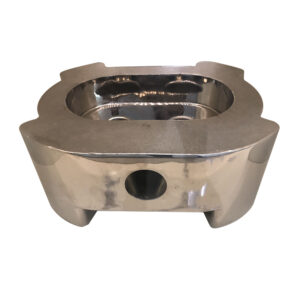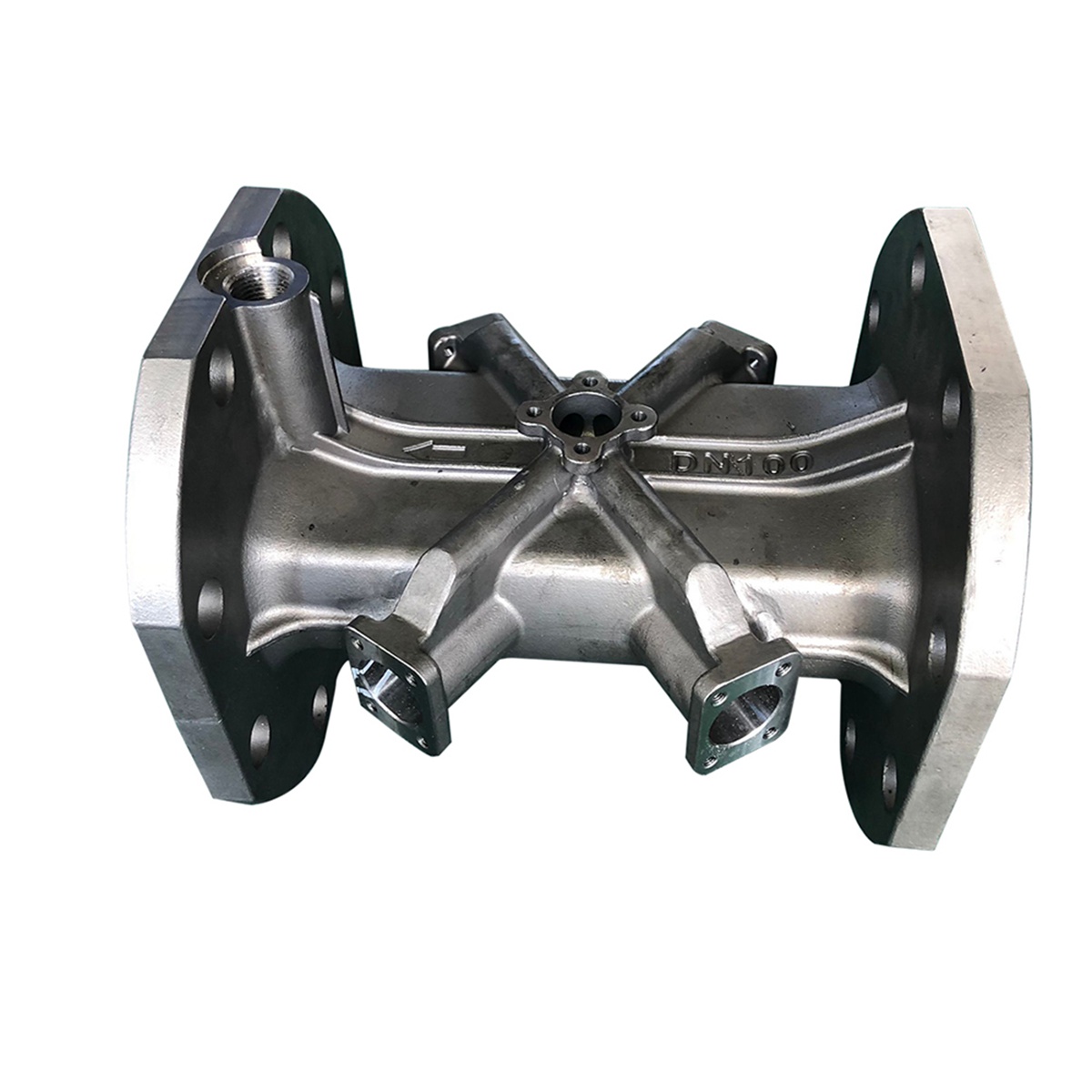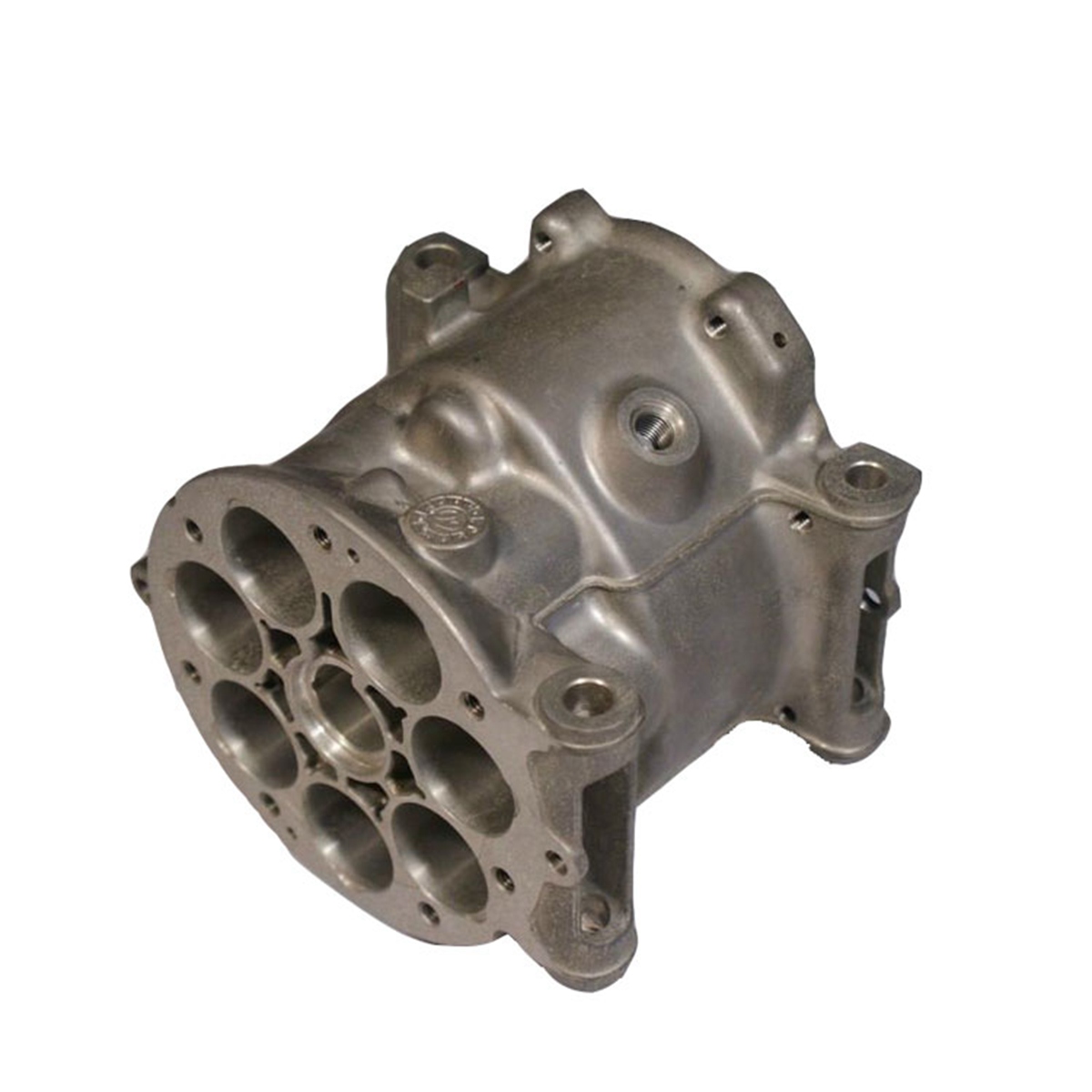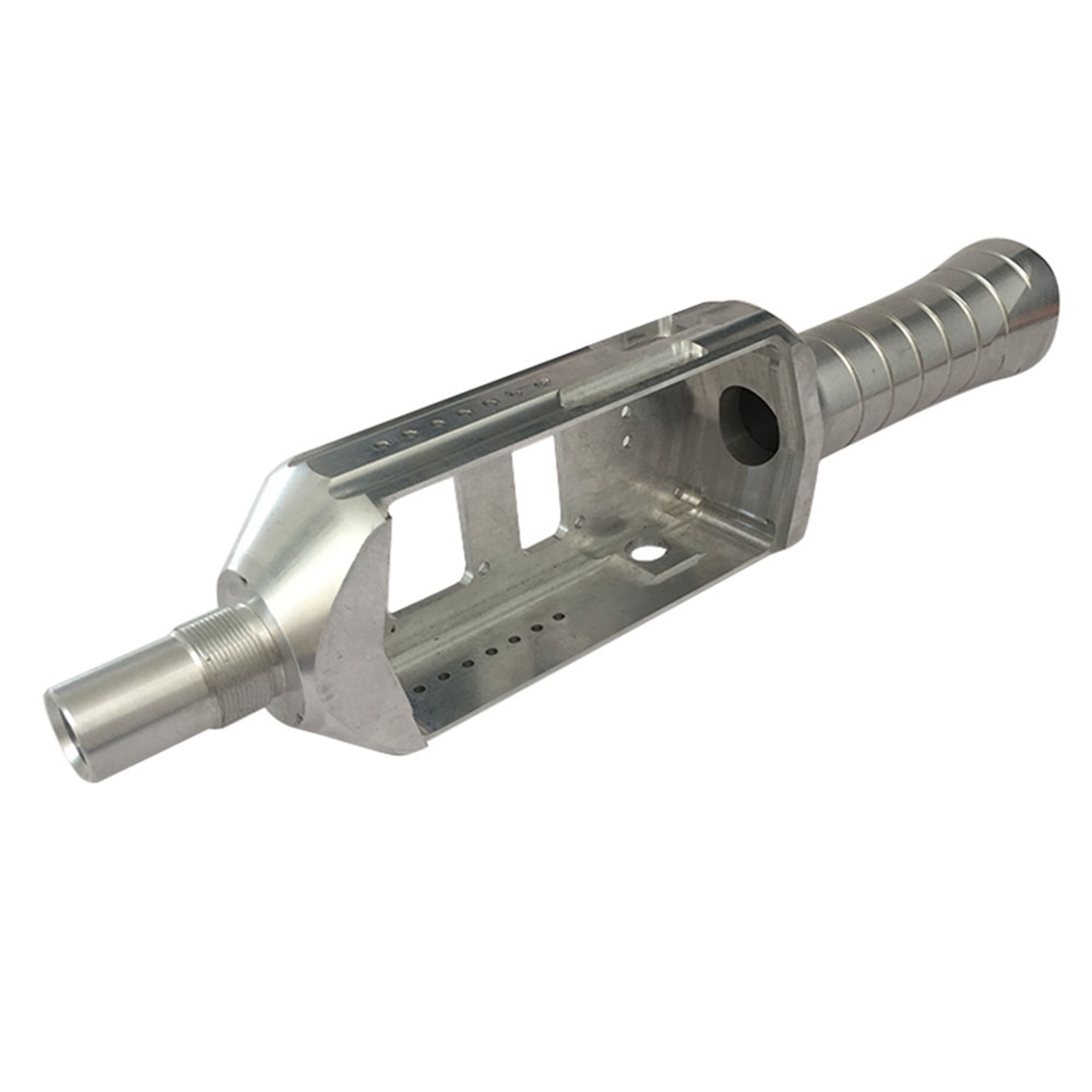
Quality control is a critical stage in rapid prototyping for steel castings because prototype components are not only used to verify appearance and dimensions but also to evaluate whether the final production design can meet performance requirements.
Unlike simple prototype models made from plastic or other materials, steel casting prototypes need to represent the actual characteristics of the final metal component. Therefore, inspection and testing procedures are essential to confirm material properties, structural integrity, dimensional accuracy, and manufacturing feasibility before moving into mass production.
Dimensional Inspection
Dimensional accuracy is one of the most important quality requirements in rapid prototyping for steel castings. Prototype components must match engineering drawings and CAD models to ensure that design concepts can be successfully transferred into final production.
During dimensional inspection, manufacturers verify:
Overall component dimensions
Critical tolerances
Machining allowances
Assembly features
Geometric accuracy
Advanced measuring equipment, such as Coordinate Measuring Machines (CMM), can be used to inspect complex steel casting prototypes with high precision.
Accurate dimensional verification helps engineers identify design deviations at an early stage and make necessary adjustments before production tooling or large-scale manufacturing begins.
Material Testing and Verification
Material performance is a key factor in steel casting applications. A prototype made from the wrong material may provide inaccurate testing results and lead to incorrect production decisions.
Therefore, material verification is an important part of rapid prototyping for steel castings. Manufacturers may perform tests to confirm:
Chemical composition
Mechanical properties
Hardness levels
Heat treatment results
For example, stainless steel, carbon steel, and alloy steel prototypes may require different testing procedures to ensure they achieve the expected strength, corrosion resistance, and durability.
By verifying material properties during the prototype stage, manufacturers can reduce the risk of material-related problems in final production.
Non-Destructive Testing (NDT)
Non-destructive testing is commonly applied in rapid prototyping for steel castings to evaluate internal and surface quality without damaging the prototype component.
Depending on project requirements, inspection methods may include:
Dye Penetrant Testing (PT)
Magnetic Particle Testing (MT)
Radiographic Testing (RT)
Ultrasonic Testing (UT)
These methods help identify potential defects such as:
Surface cracks
Internal porosity
Shrinkage cavities
Inclusions
NDT provides valuable information about casting quality and helps engineers determine whether the prototype manufacturing process is suitable for future production.
Surface Quality Inspection
Surface condition is another important aspect of rapid prototyping for steel castings. The surface quality of a prototype can affect machining requirements, assembly performance, and final product appearance.
Surface inspection focuses on identifying:
Surface cracks
Rough areas
Casting marks
Incomplete filling
Other visible defects
A high-quality prototype should not only demonstrate the correct design but also provide information about the expected surface condition of future production components.
Prototype Evaluation Before Mass Production
The ultimate purpose of quality control in rapid prototyping for steel castings is to provide reliable information before full production begins.
Through dimensional inspection, material verification, and defect detection, engineers can evaluate whether:
The design is manufacturable
The selected material is suitable
The casting process is stable
The component meets application requirements
This evaluation process helps companies make informed decisions and reduces the risks associated with developing new steel casting products.
By combining rapid manufacturing methods with strict inspection procedures, rapid prototyping for steel castings becomes more than a sample production process. It becomes an effective engineering tool for improving product reliability, optimizing designs, and achieving successful transition from prototype development to final production.