Different foundries use different casting methods depending on the material, product complexity, production volume, and performance requirements. Each casting process has its own advantages and is suited to specific types of components. Selecting the appropriate process is an important step in achieving the desired quality, dimensional accuracy, and production efficiency.
Investment Casting
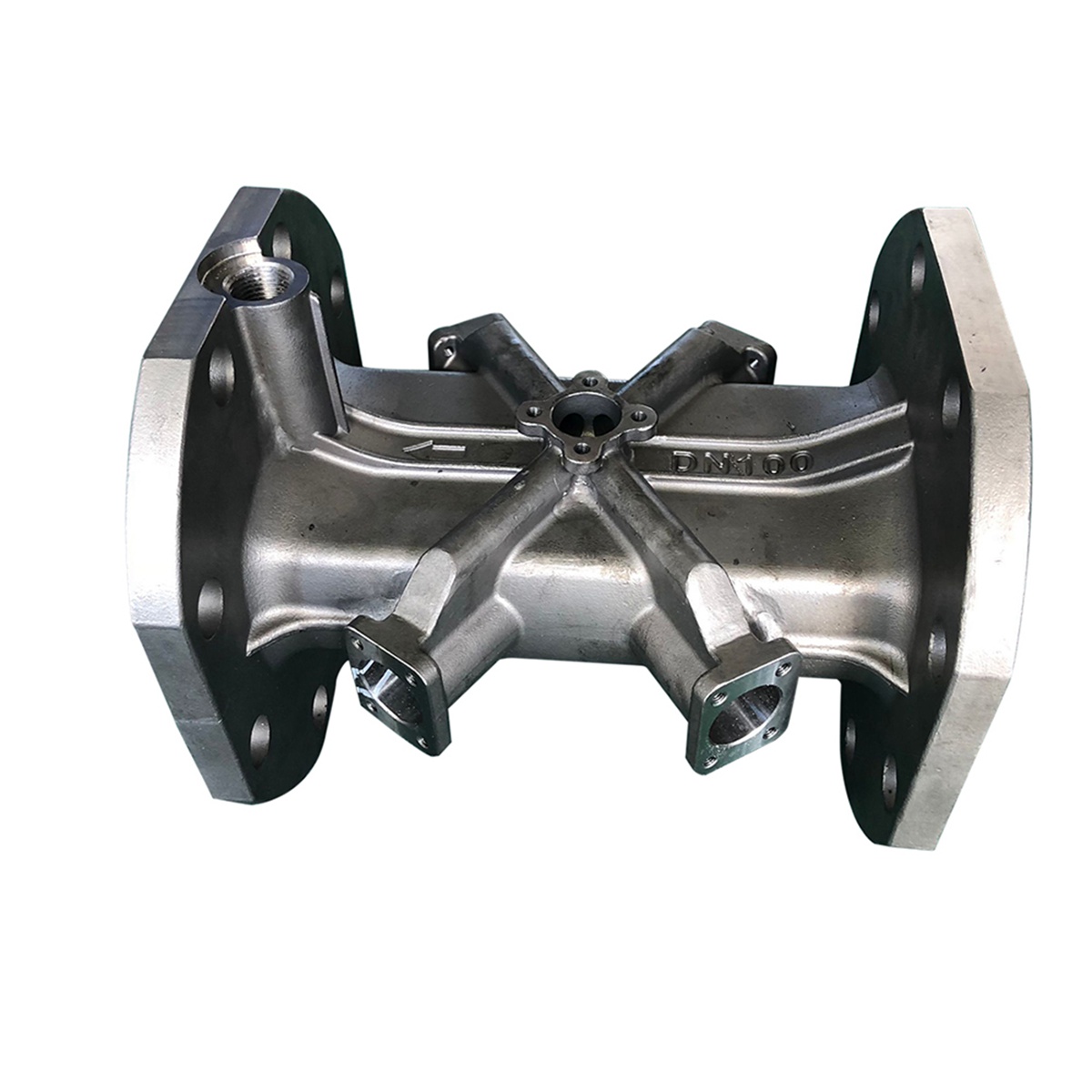
Investment casting, also known as lost wax casting, is one of the most precise casting methods available. It uses wax patterns and ceramic molds to produce metal components with complex geometries, fine details, and excellent surface finishes. Because of its high dimensional accuracy, investment casting is widely used for manufacturing stainless steel, carbon steel, and alloy steel parts that require minimal machining.
Sand Casting
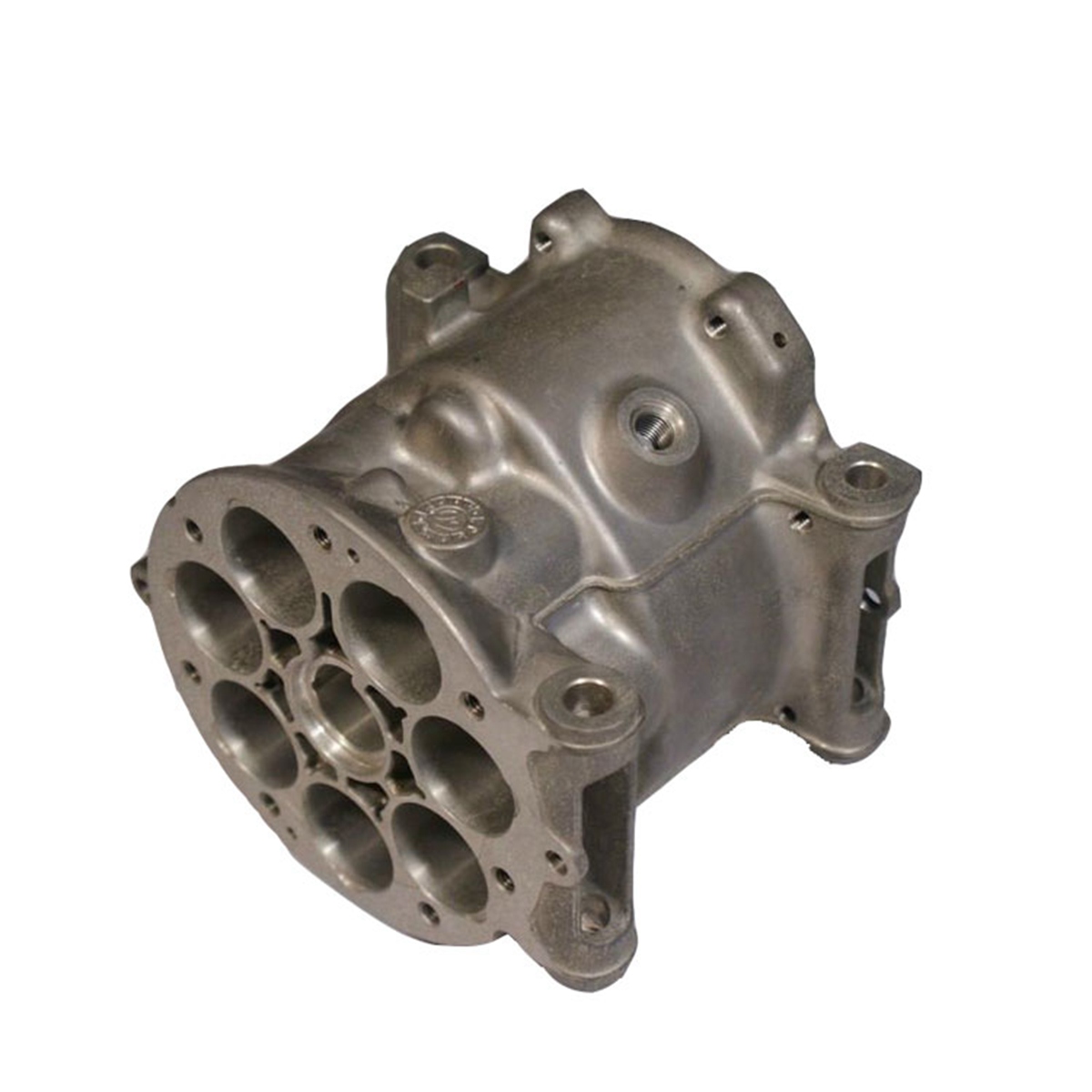
Sand casting is one of the oldest and most widely used casting processes. It creates molds using specially prepared sand, making it suitable for producing both simple and large metal components. The process is highly flexible and supports a wide range of metal materials. Sand casting is often selected for low-volume production and heavy industrial parts where extremely high dimensional precision is not the primary requirement.
Die Casting
Die casting uses reusable steel molds and high-pressure injection to produce metal components with consistent dimensions and smooth surfaces. This process is commonly used for non-ferrous metals such as aluminum and zinc. Due to its fast production speed, die casting is well suited for high-volume manufacturing.
Lost Foam Casting
Lost foam casting replaces traditional patterns with expandable foam models that vaporize when molten metal is poured into the mold. This process allows manufacturers to produce complex castings with fewer mold assembly steps and is commonly used for components with intricate shapes.
Permanent Mold Casting
Permanent mold casting utilizes reusable metal molds instead of disposable sand molds. Molten metal is poured into the metal mold and allowed to solidify before the casting is removed. Compared with sand casting, this process generally produces improved dimensional consistency and surface quality while supporting repeated production cycles.