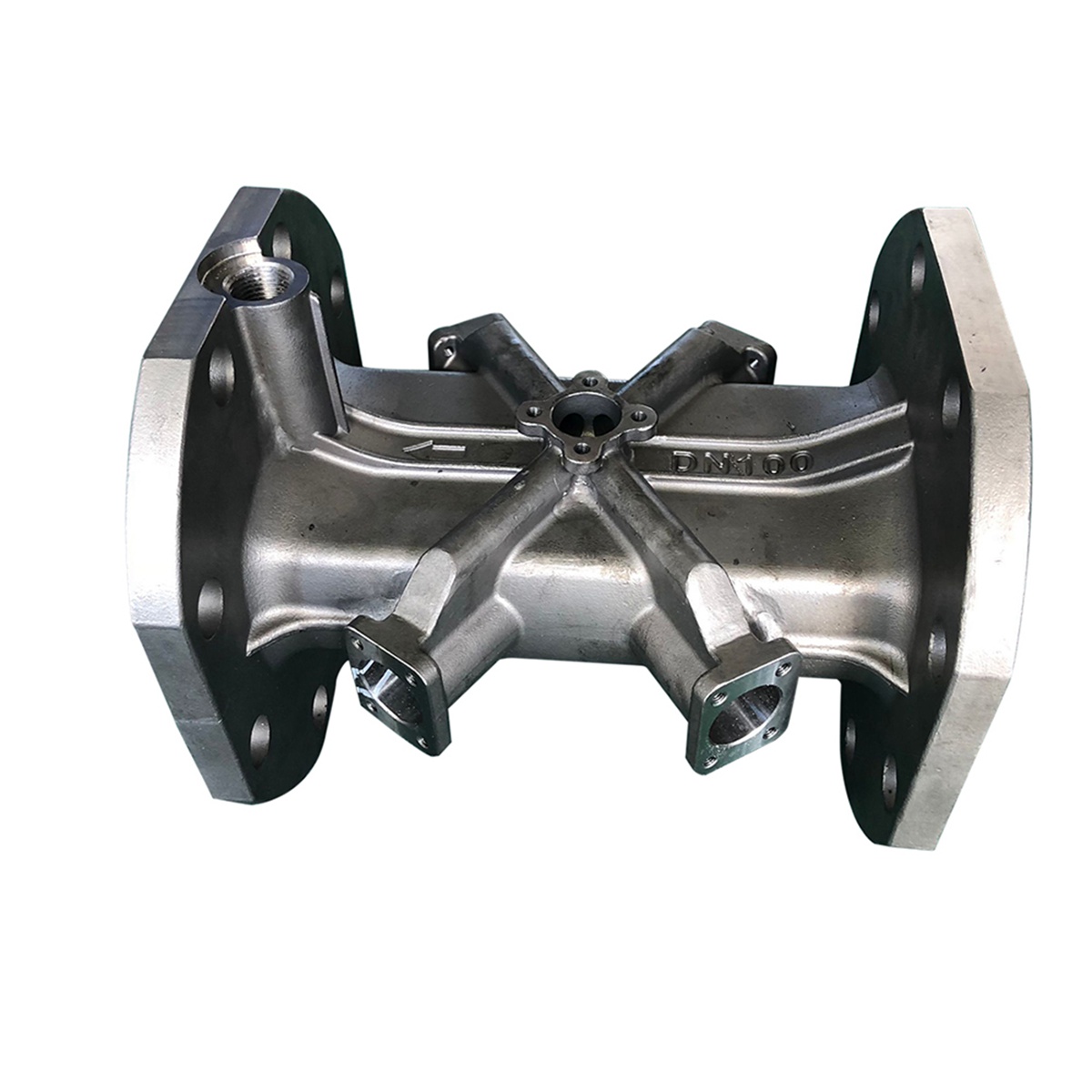
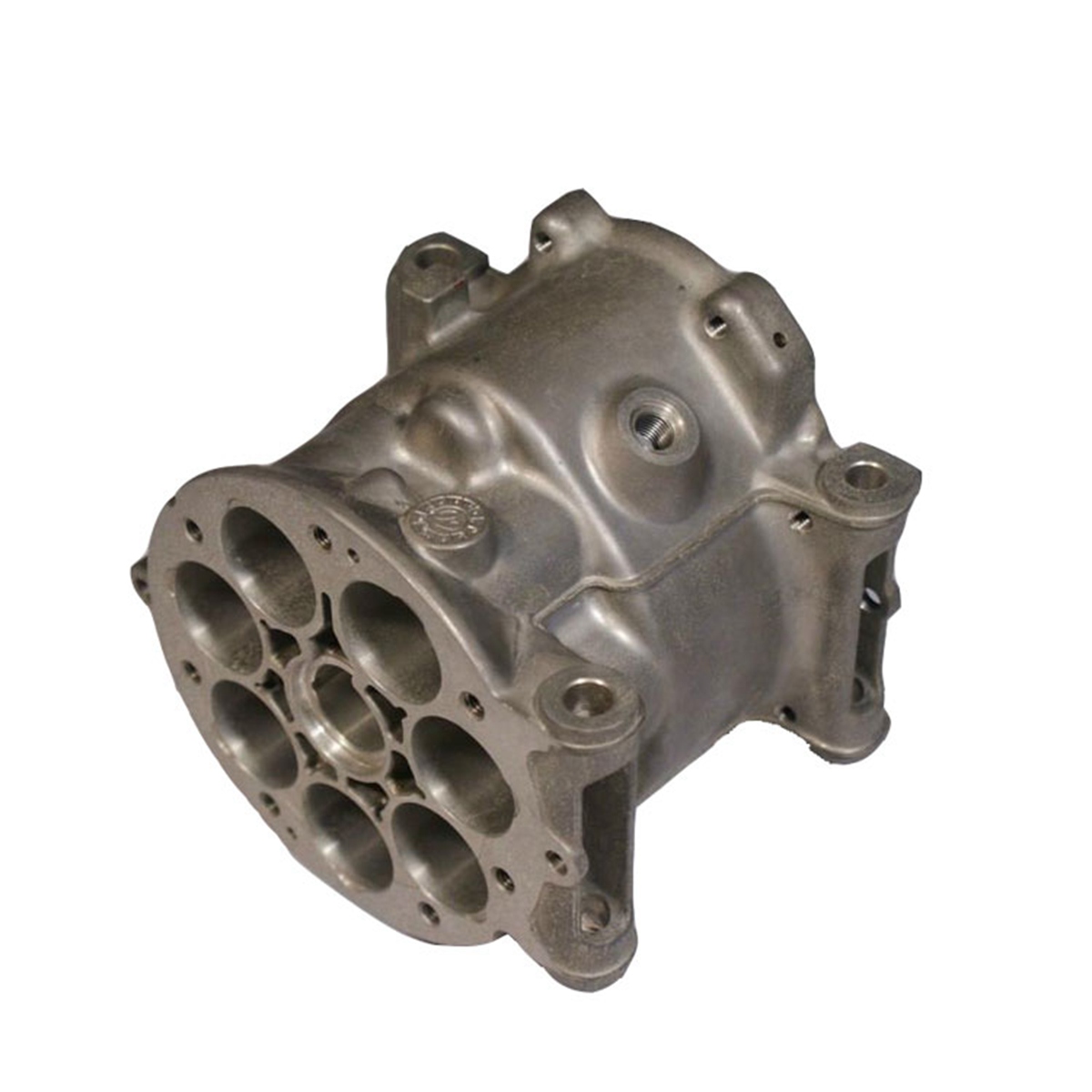
One of the key differences in the debate of investment casting vs die casting is how each method handles complex part designs. While both are used to shape metal components, their capabilities vary significantly when it comes to geometry.
Investment Casting:
Superior design freedom: Ideal for parts with intricate features, thin walls, sharp corners, and internal cavities.
Supports complex tooling: Wax patterning allows virtually any 3D design that can be printed or molded.
Undercuts and logos are easy: No need for complicated tooling to handle custom detailing.
Perfect for artistic or precision-critical components in industries like aerospace, medical, and petrochemical.
Die Casting:
Better for simpler shapes: Straightforward geometries and uniform wall thickness ensure efficient mold filling.
Tooling constraints limit complexity: Undercuts and recesses often require costly core slides or moving mold components.
Designs must be optimized for fast cycle times and material flow at high pressure.
Summary:
When evaluating investment casting vs die casting, geometric complexity plays a key role. If your part requires intricate details and complex shapes, investment casting is the better option. For simpler designs and high-volume efficiency, die casting is often the more economical choice.