The tolerances that can be achieved by Machining
In mechanical machining, tolerances refer to the allowable deviation from a specified dimension in a part or component. These tolerances are essential for ensuring the proper fit, function, and interchangeability of parts in various mechanical systems. Machining processes such as milling, turning, drilling, and grinding can achieve different levels of tolerance, typically specified in units […]
Selection and Control of Pouring Speed for Steel Castings

The pouring speed of steel castings shall be determined according to the specific conditions of castings. For thin-walled castings and castings with complex structures, rapid pouring should be adopted to avoid failure of pouring. When the mold has a large upper plane, it is also advisable to adopt rapid pouring to prevent the upper plane […]
Selection of pouring temperature for steel castings
The pouring temperature has a great influence on the quality of steel castings. When the pouring temperature is too high, the shrinkage of the molten steel increases, the gas content increases, and the thermal effect of the molten steel on the mold increases, making the steel castings prone to defects such as shrinkage cavity, air […]
Benefits of Precision Grinding
1. Cost-Effectiveness Precision grinding is a cost-effective process because of its ability to achieve precise dimensions in large volumes of parts. Not only is the process fast, but it’s also versatile and highly reliable. Precision grinding can be used on a wide array of materials, including hardened steel and non-ferrous metals, and seldom produces non-conforming […]
What Is Precision Grinding?
Precision grinding is a finishing process used in manufacturing to remove small amounts of material from a workpiece. An abrasive grinding tool, usually a rotating wheel or belt, contacts the workpiece and facilitates material removal. Grinding is typically used as a finishing process and is a cost-effective and reliable way to obtain precise tolerances and […]
Key points of steel casting operation
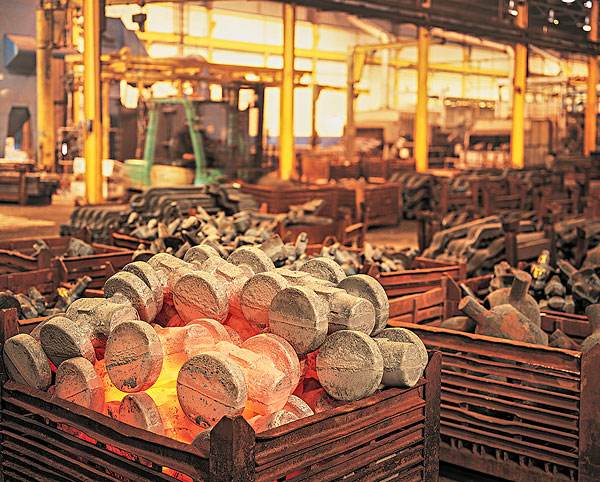
During pouring, the environment around the mold to be cast must be checked. Before pouring, the steel grades of castings shall be aligned, the sandboxes to be poured shall be arranged in order, and the gates shall be arranged in a straight line to facilitate crane operation and pouring. The medium and small mold or […]
The process of CNC Machining
Mechanical machining encompasses a variety of techniques used to shape and finish workpieces. One common method is milling, where a rotating cutter removes material from the workpiece’s surface to create complex shapes or features. Turning, another widely used technique, involves rotating the workpiece while a cutting tool removes material to achieve cylindrical shapes. Grinding utilizes […]
Surface Roughness
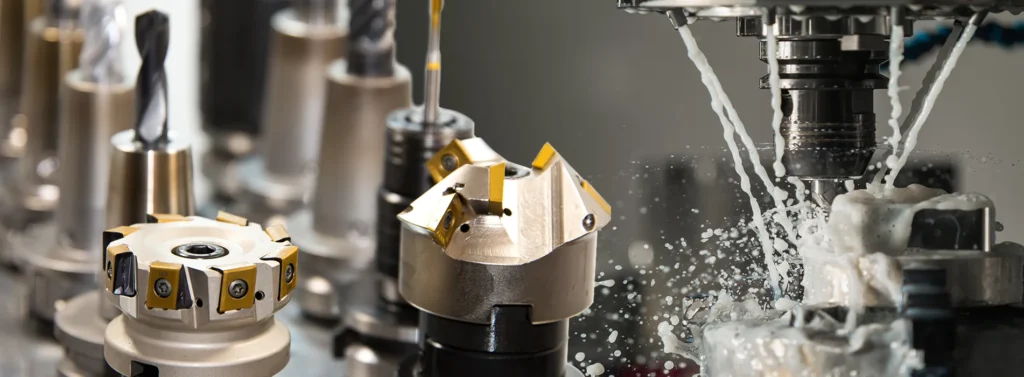
At work, we are all too familiar with surface roughness! However, do you know why the common surface roughness is 0.8, 1.6, 3.2, 6.3, and 12.5? Did this question confuse you? Let’s take it slow… 01 The concept of surface roughness During the machining process of the parts, due to the plastic deformation […]
Salt spray test
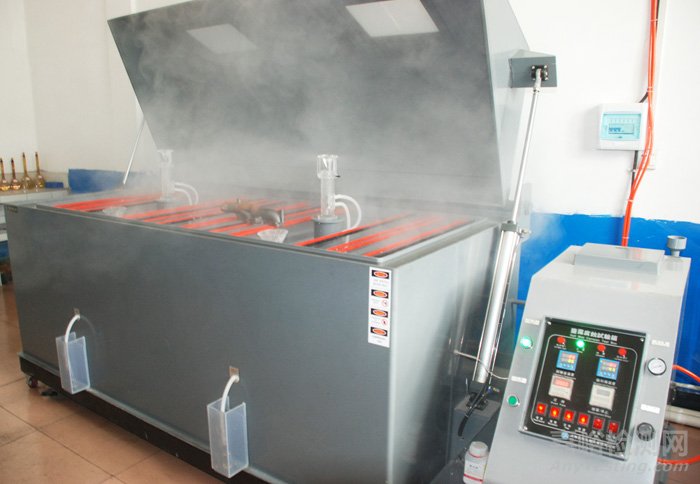
The salt spray test is an environmental test that mainly uses the artificial simulated salt spray environmental conditions created by the salt spray test equipment to evaluate the corrosion resistance of products or metal materials. The products that need to be subjected to salt spray test are mainly some metal products, and the corrosion resistance […]
What is Rapid Prototyping?
Rapid prototyping is a product development method that utilizes turnkey manufacturing technologies to quickly produce multiple iterations of a component for testing and evaluation. In other words, it is a method of making parts as quickly as possible for hands-on reviews. 3D printing is most often chosen for rapid prototyping because of its affordable price […]