What Is an Alloy?
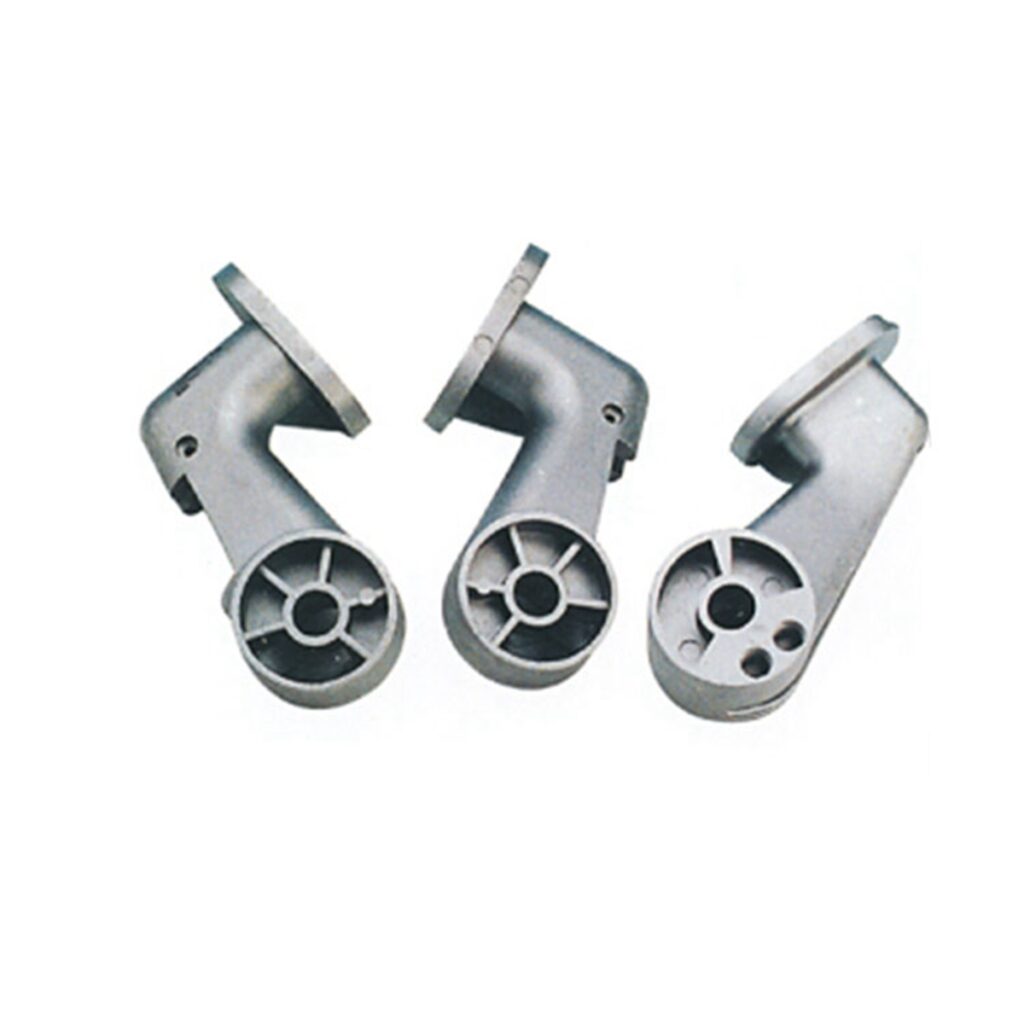
An alloy is a material composed of a metallic base, usually the large majority component, and additional metal or non-metal components that are added as property modifiers. Alloys are manufactured and carefully tuned by experiment to deliver desirable properties that are not present in the primary material. Many alloys are made purely of metals, but […]
What Are the Limitations of Copper?
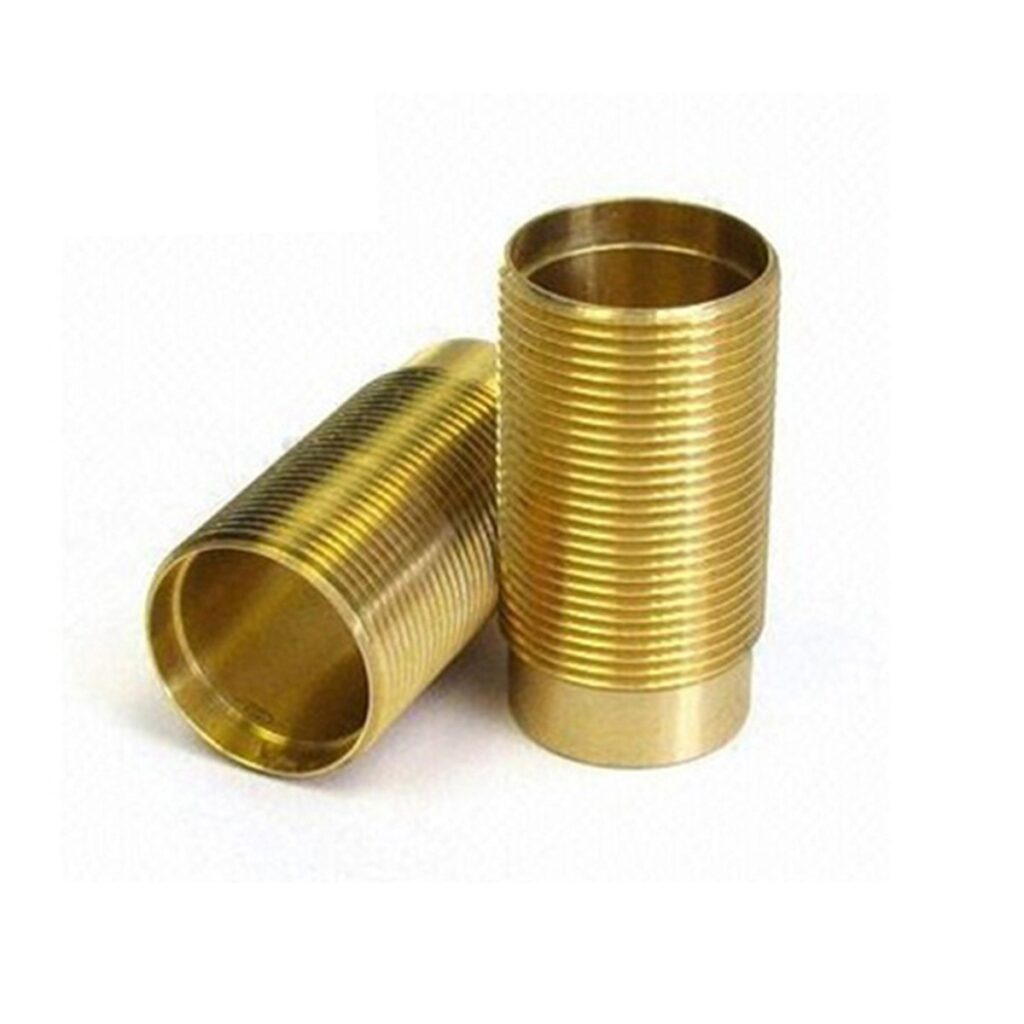
Copper has a number of limitations, some of which are listed below: Is relatively expensive compared to potential alternative materials such as: aluminum (electrical cabling) or plastics (water piping). Is relatively heavy compared to materials such as aluminum, so for overhead wires, it may not be practical. Oxidizes, particularly at high temperatures, and so has […]
Laser Cutting/Engraving
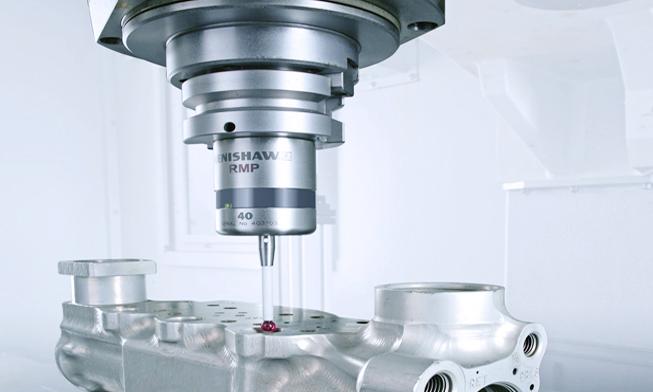
Laser engraving is another popular casting machining method in metal casting foundries. It uses a high-powered laser beam to cut/engrave materials and engrave marks or etch the surface. Both processes are precise, and computer software allows you to control them. In casting machining, a laser machine cuts through metal. The laser melts, burns, or vaporizes […]
EDM: Electrical Discharge Machining
As the name suggests, this casting machining method uses electrical discharges to shape metal. It is especially suitable for ultra-complex metal parts. EDM removes material using controlled electrical sparks. This technology is widely used in casting foundries. In this method, a dielectric fluid separates the workpiece and the electrode. Sparks generally erode the metal and […]
What Are the Health Benefits of Copper?
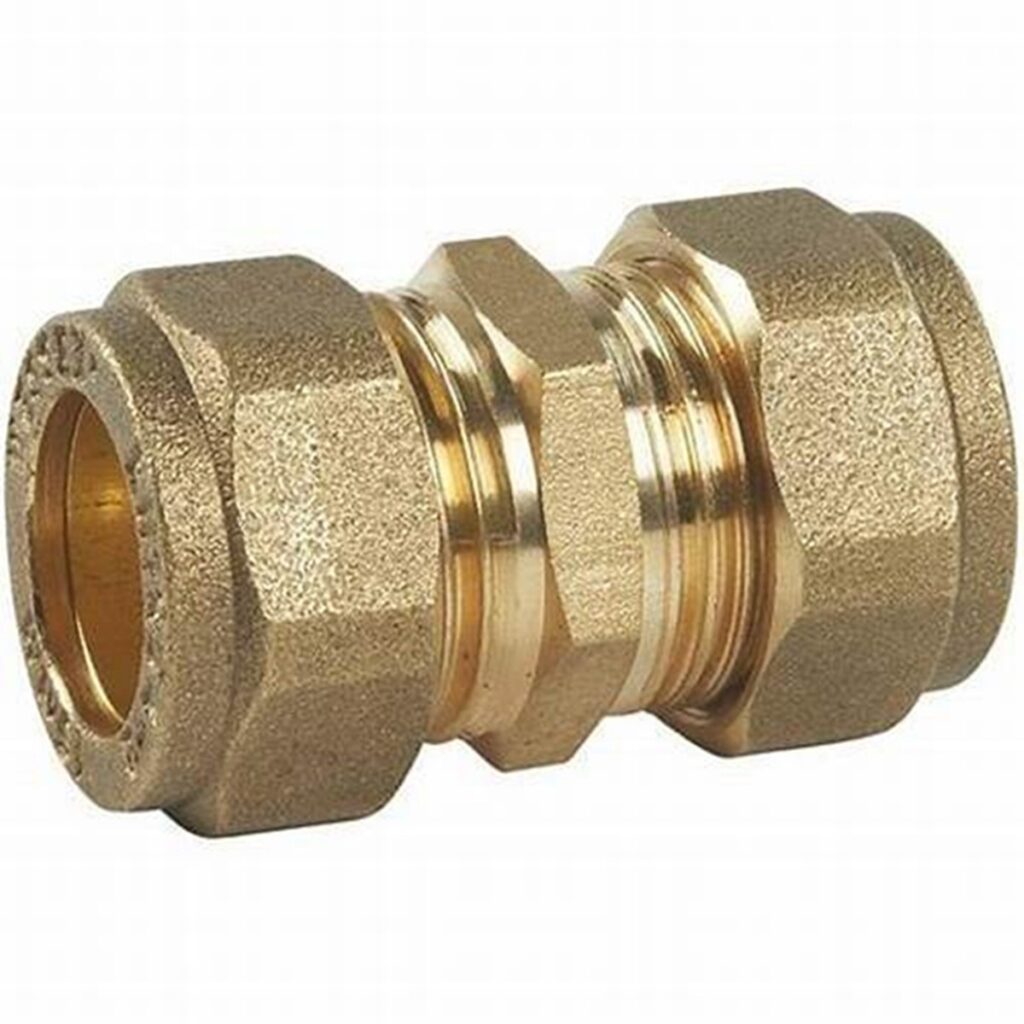
As a trace mineral, copper plays a part in the body by promoting the absorption of iron, participating in the production of red blood cells, as well as the production of collagen. Research has shown that it can help the immune system and overall human health, but in very small quantities. More research is needed, […]
What Are the Benefits of Copper?
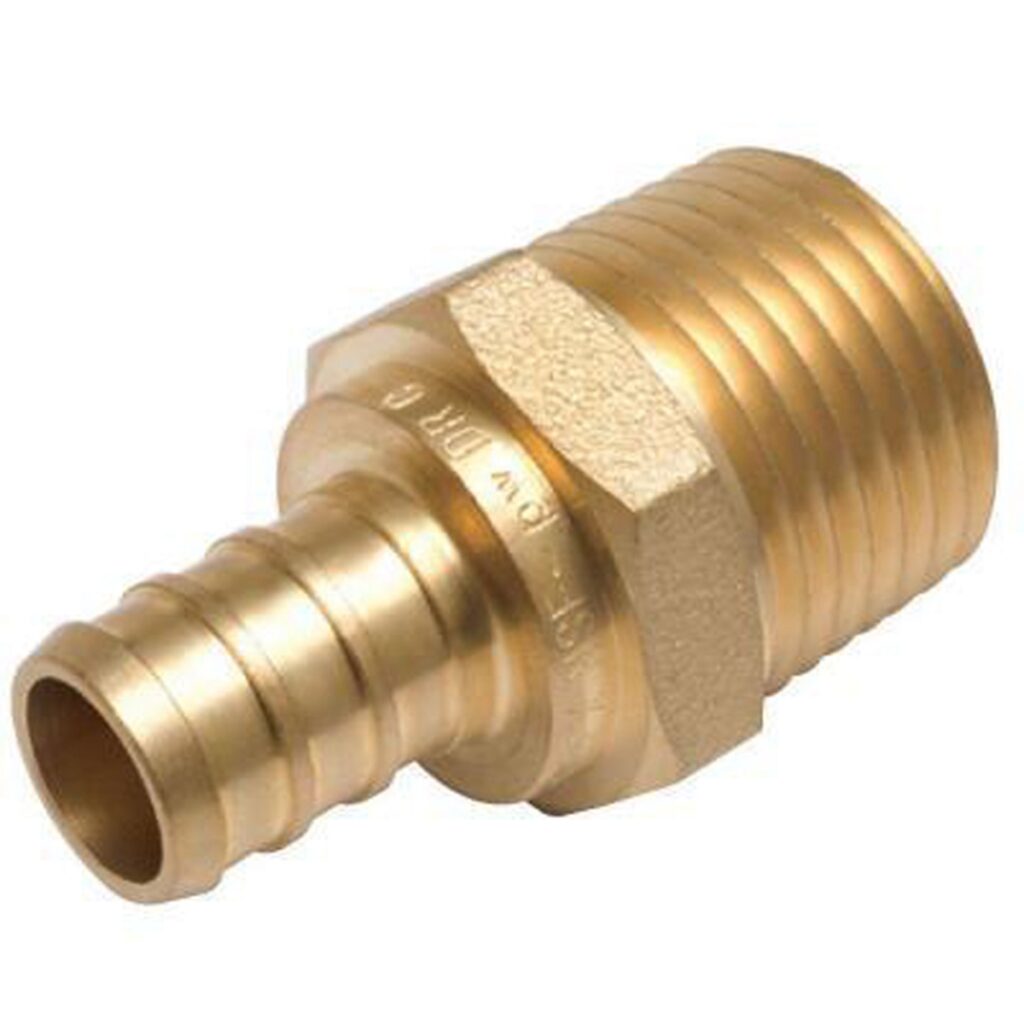
Copper has a number of clear benefits which are listed below: Has excellent electrical conductivity, second only to silver, making it the most widely used conductor for electrical and electronic components globally. Has very good thermal conductivity, and therefore is used in heat exchangers, such as condensers in refrigeration and air conditioning units. Is corrosion […]
Grinding
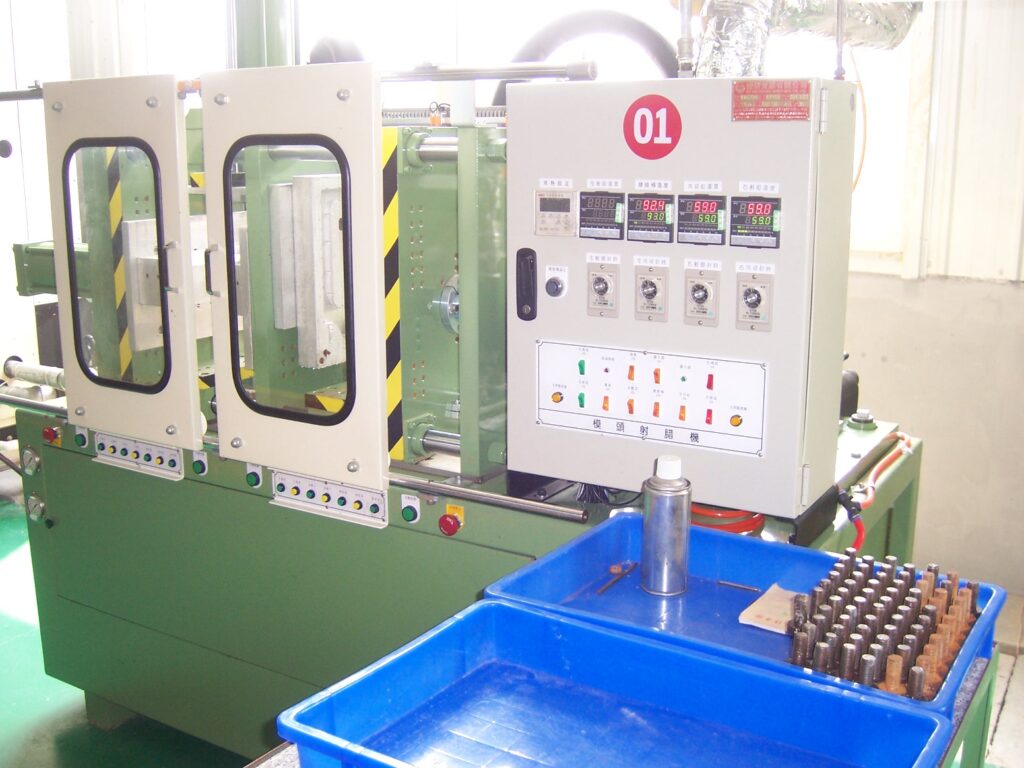
Grinding is a very famous casting machining process, especially in casting foundries. It typically uses an abrasive wheel to remove material from the workpiece’s surface. This casting machining is prevalent for the smoothening of casting parts. You can generally find four types of grinding machines. Surface grinders are suitable for flat surfaces. On the other […]
Drilling
Drilling is another casting machining type that only creates holes. It is commonly used in many applications, especially in manufacturing and construction. Casting drilling is widely used in foundries to make molds and finish the cast parts. The drilling machine has a rotating cutting tool called a drill bit. The object remains stationary. The cutting […]
What Are the Characteristics of Copper?
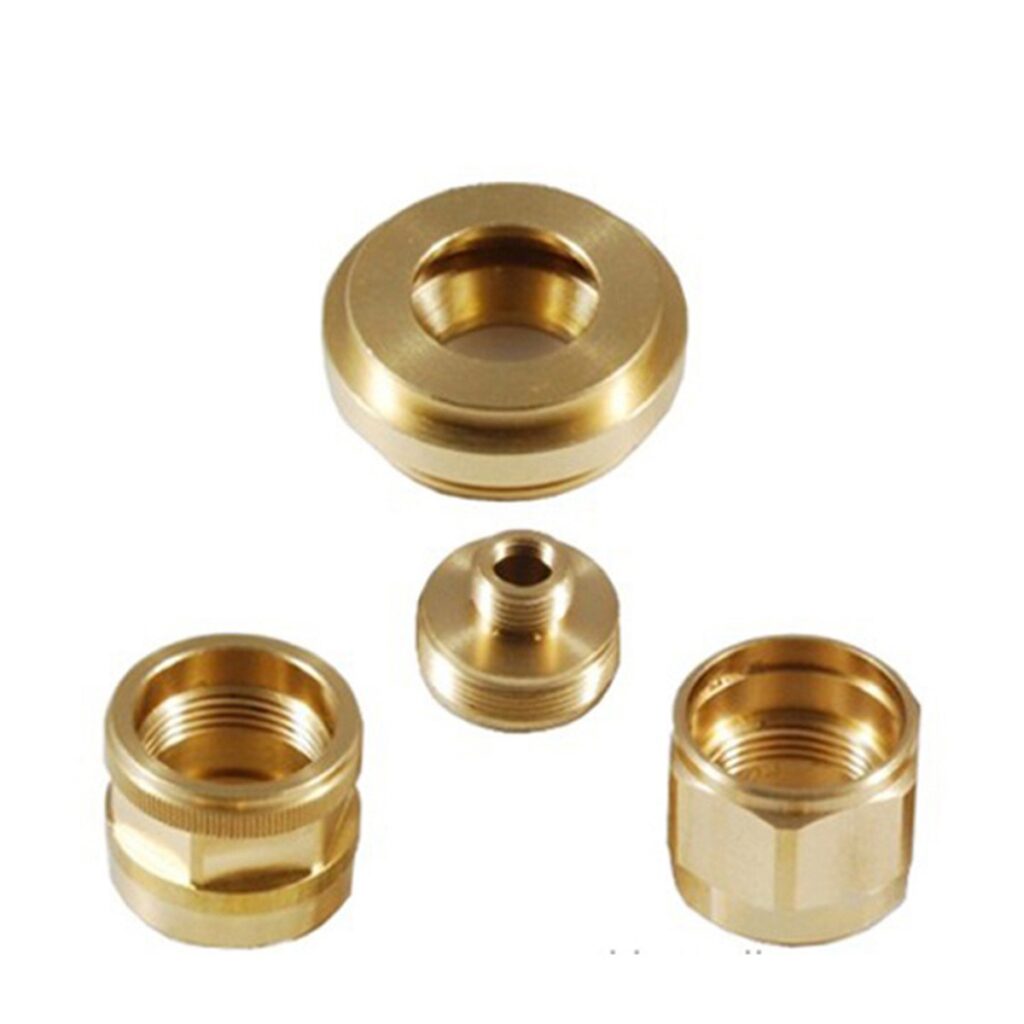
Copper metal has the primary characteristics of being an excellent electrical and thermal conductor. Since it’s a malleable and ductile material that can be bent relatively easily, it’s easy to work with and preferred for things like flexible cabling. It’s corrosion resistant, even in water and seawater environments, and more aesthetically appealing than other types […]
Milling
Milling is also a machining process in which the object remains stationary while the cutting tool spins and shapes it. This process creates more complex designs than cylindrical objects. Milling machines can typically be of two types. Vertical milling has a vertical spindle, hence the name. This spindle holds the cutting tool and can move […]