Zamak Die Casting vs Aluminum Die Casting

We summarize their characteristics in the following table, which can help you choose the suitable material for your project. Aspect ZAMAK die casting Aluminum Die Casting Material Zinc, aluminum, magnesium, and copper Mainly aluminum Melting Point 380°C to 1446°C 463°C to 671°C Fluidity Very high High Strength to Weight Ratio High Very high Corrosion resistance […]
What is Rapid Prototyping?
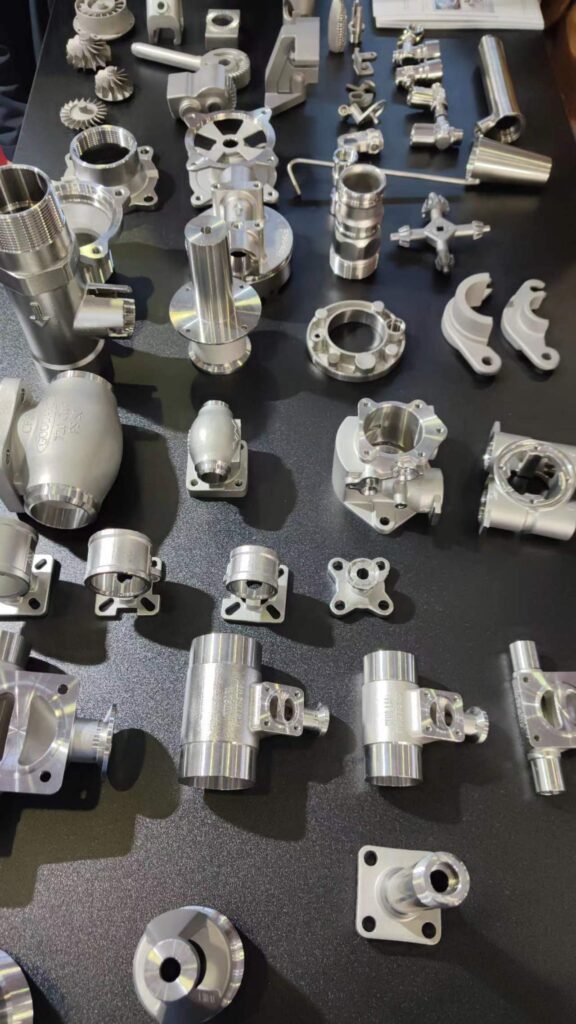
Rapid prototyping is a product development method that utilizes turnkey manufacturing technologies to quickly produce multiple iterations of a component for testing and evaluation. In other words, it is a method of making parts as quickly as possible for hands-on reviews. 3D printing is most often chosen for rapid prototyping because of its affordable […]
Applications of ZAMAK Die Casting Parts
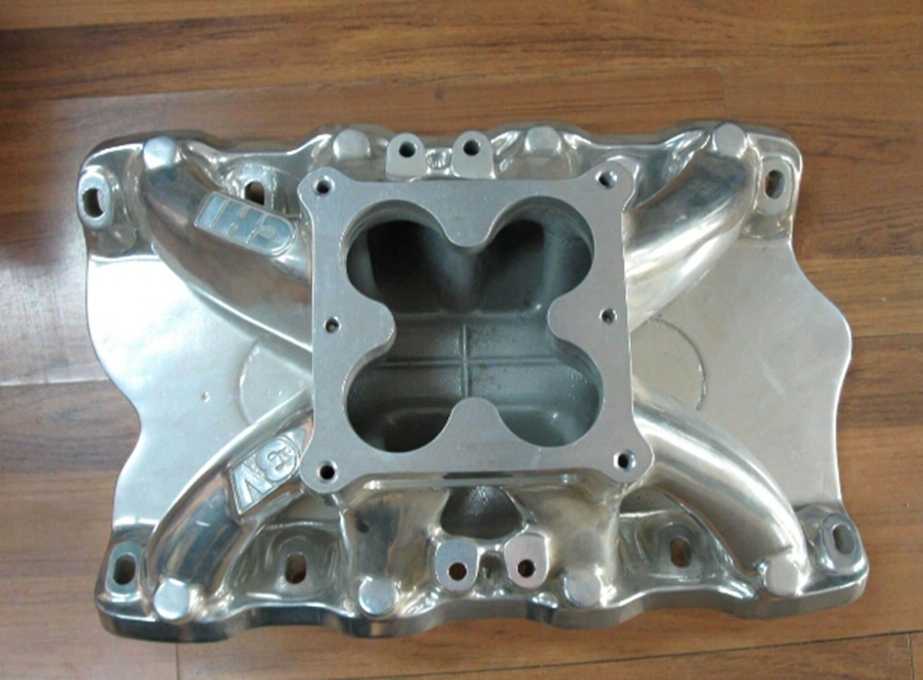
As you are already familiar with, ZAMAK die-casting parts offer many benefits. These pros make ZAMAK alloys perfect for many uses. This part will show some common ways ZAMAK die-casting parts are used. The following table highlights some common ZAMAK die-casting parts used in various industries. Industries Use Examples Car Parts Door handles, knobs, clusters, […]
Common Plastics That Can Be Fabricated

We do a lot of plastic fabrication using 3D printing, injection molding, laser cutting, and CNC machining. Here are some of the common types of materials that our customers choose or request: 1. Acrylic (PMMA) PMMA (polymethyl methacrylate, or simply acrylic) is a transparent thermoplastic that resists UV light and has excellent optical clarity. Its […]
The Step-by-Step Process of Plastic Fabrication
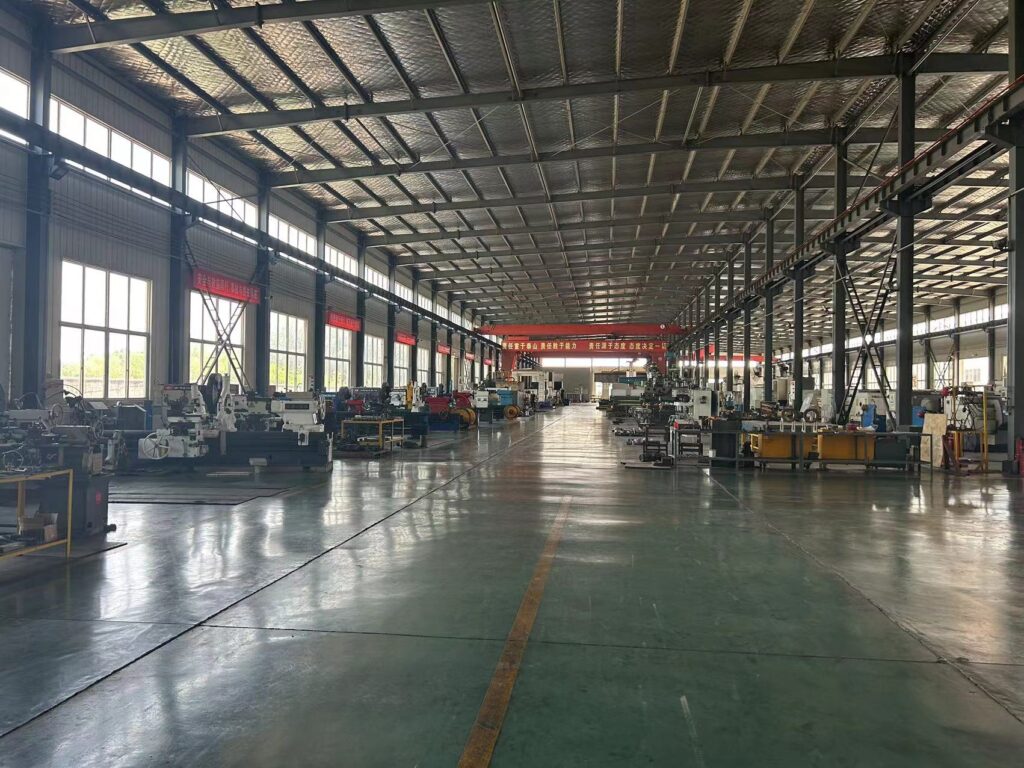
Each step of the plastic manufacturing process, from design to delivery, is essential for economically transforming raw polymeric materials into usable products. 1. Design and Planning The first step in manufacturing a successful product is to understand the product requirements, including (but not limited to) size, dimensional tolerances, mechanical properties, and chemical and temperature resistance. […]
Benefits of powder coated aluminum
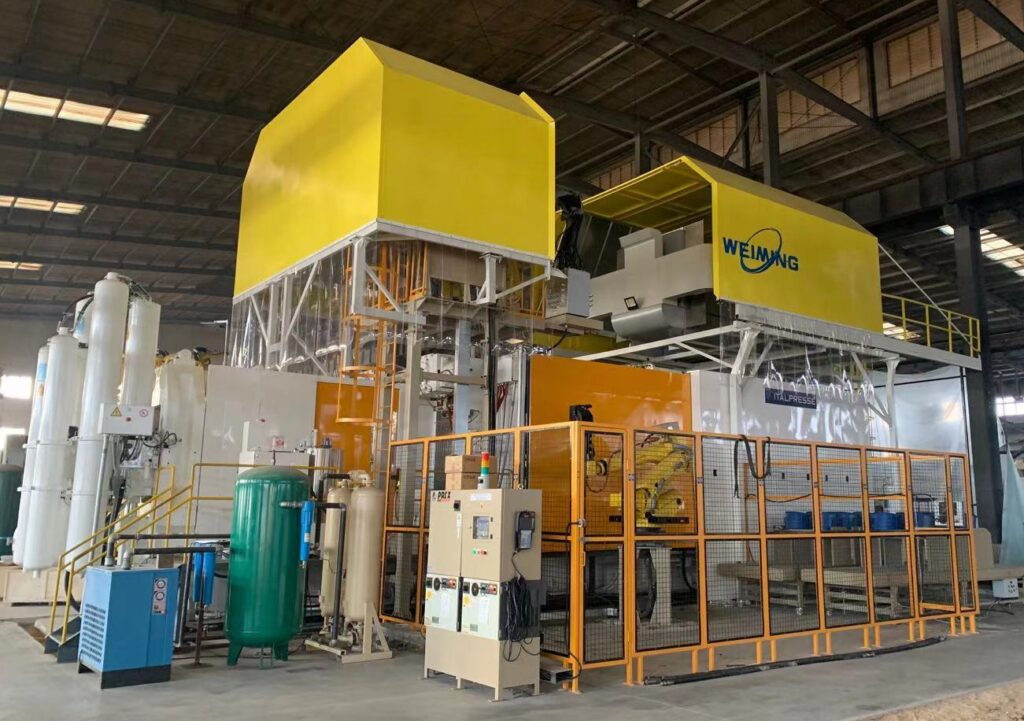
Powder coated aluminum surface has ended up being a powerful method for applying defensive and beautifying covering. This is on the grounds that it has many benefits, as follows: 1.Durability a) Enhanced Surface Protection: Powder coating gives a thick, defensive layer that safeguards aluminum parts from scratches, chipping, and different types of wear. b) Corrosion […]
Some Common Plastic Fabrication Processes
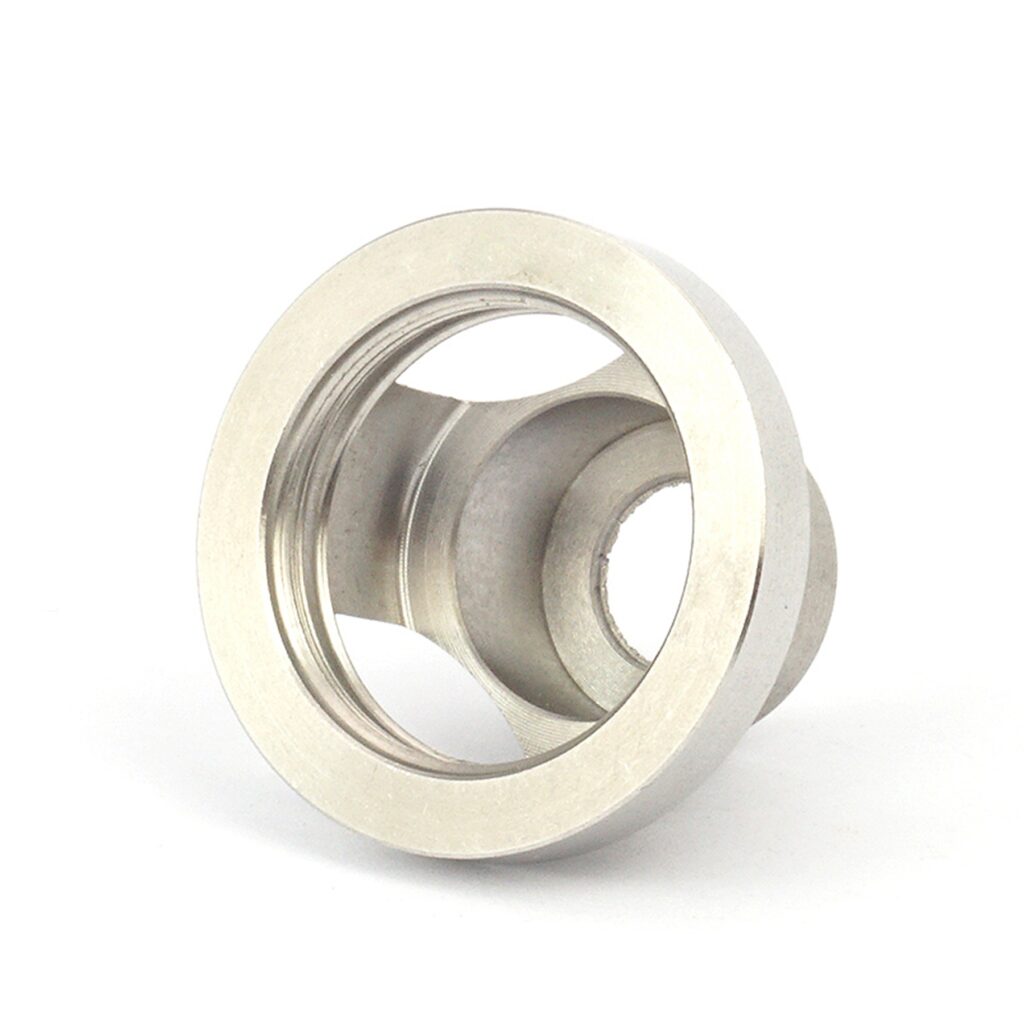
Plastic fabrication involves multiple processes, starting with design and planning, material selection, material preparation, forming and shaping, finishing and assembly, and concluding with quality control and inspection. There are several plastic fabrication methods, each with various processes. Listed and discussed below are three common methods: 3D Printing:By constructing objects layer by layer from a computer […]
How Can CNC Technology Enhance Machining of Cast Aluminum?
Precision CNC machines help make parts very exact. They can cut within 0.001 differences. These machines use tools like end mills and drills. Spindle speed is very controlled. Linear guides help parts move just right. Programs called G-code tell machines what to do. They can make tiny details. Every part looks the same. Steps […]
Gravity Die Casting
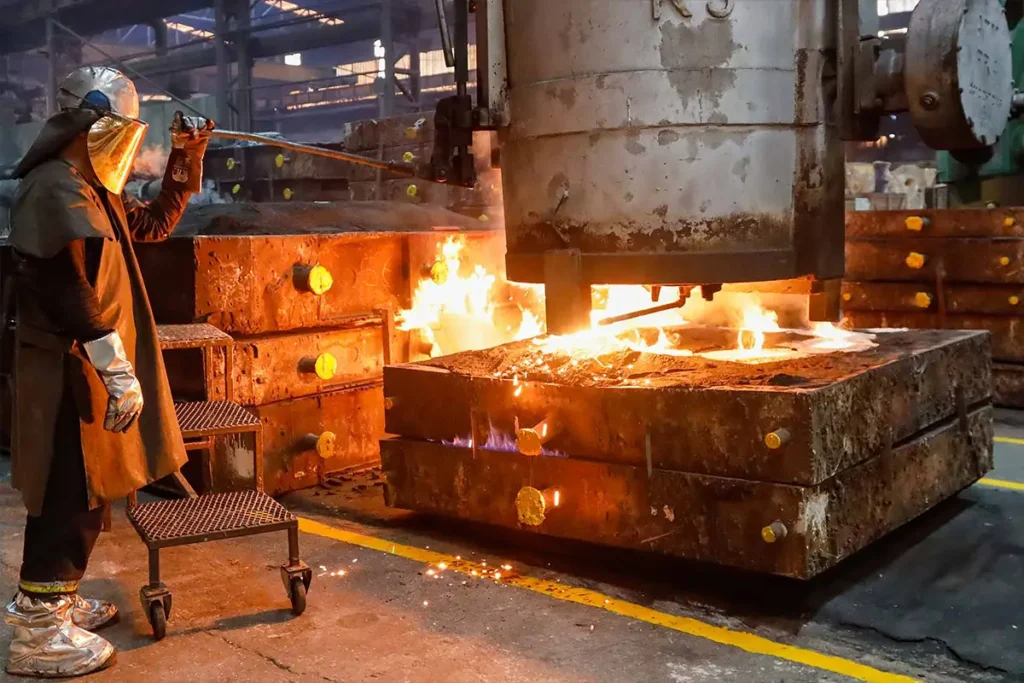
Gravity Die Casting is a permanent molding process. This process is done by pouring the molten metal into the mold of the pocket container. No external force is applied. This works in the same way as sand casting, but it is possible to control the filling by tilting the mold. There are several advantages to using […]
What Is Plastic Fabrication?
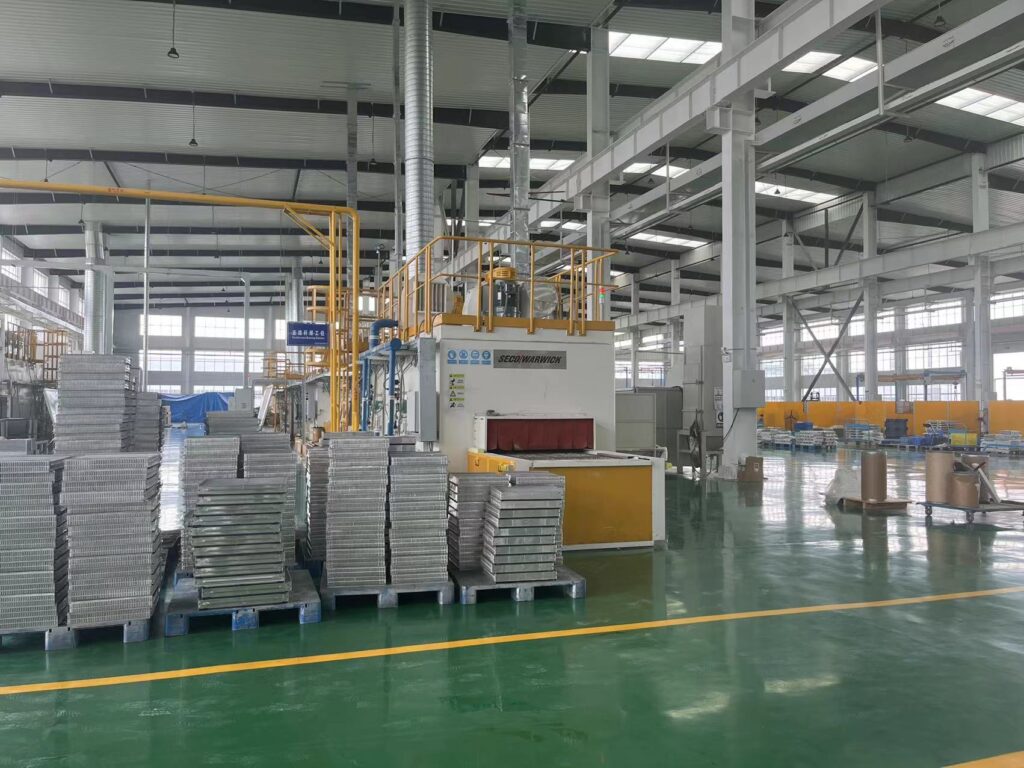
“Plastic fabrication” is the step in the design and manufacturing process when a selected shaping or molding method turns raw polymer materials into finished products. The end goal in the plastic manufacturing business is to select the right fabrication method for the economical production of a wide range of goods fit for service in applications […]