Yield Strength in Metals
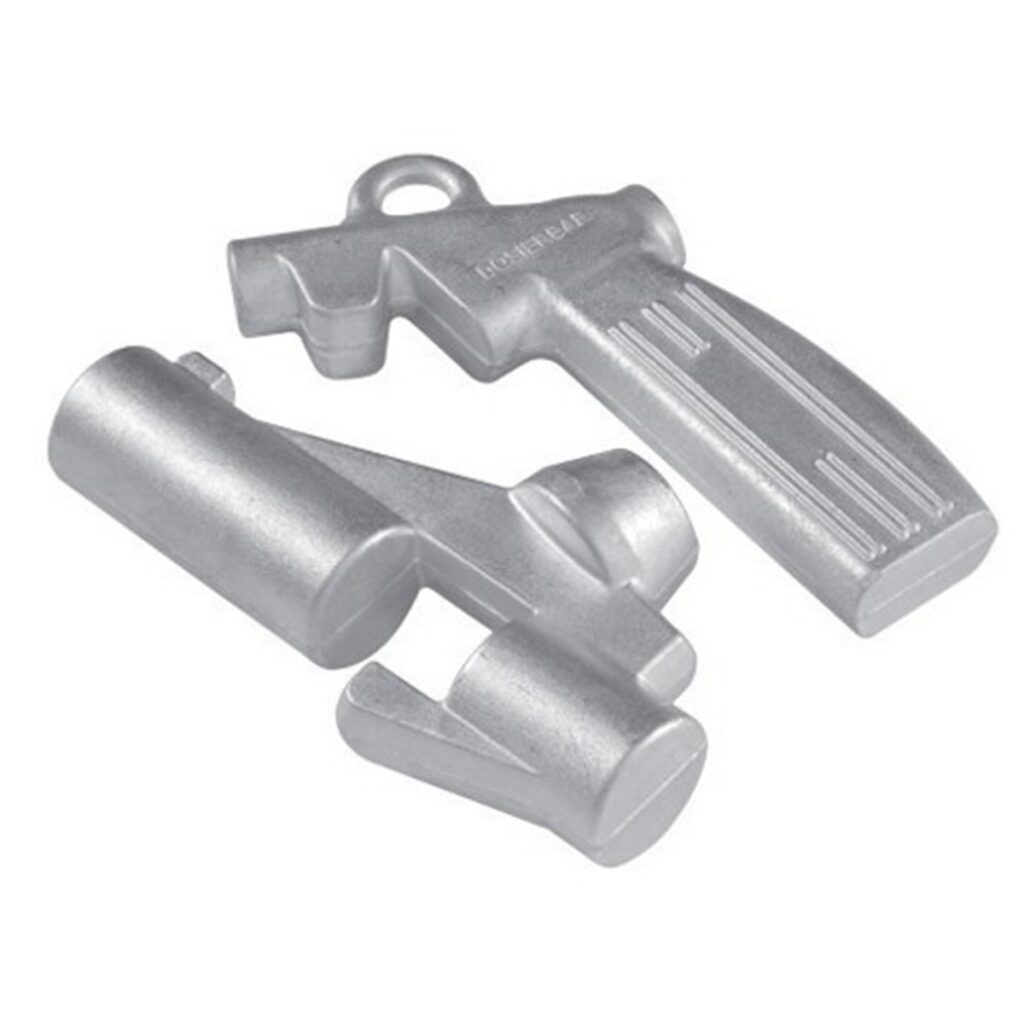
Metals are integral to the manufacturing industry where yield strength of metals is crucial for designing structures and components that can withstand expected loads. Yield Strength of Steel Steel is one of the most widely used metals because of its excellent mechanical properties, including high yield strength. The yield strength of steel depends on […]
Get Custom Car Parts Faster With Manufacturing on Demand
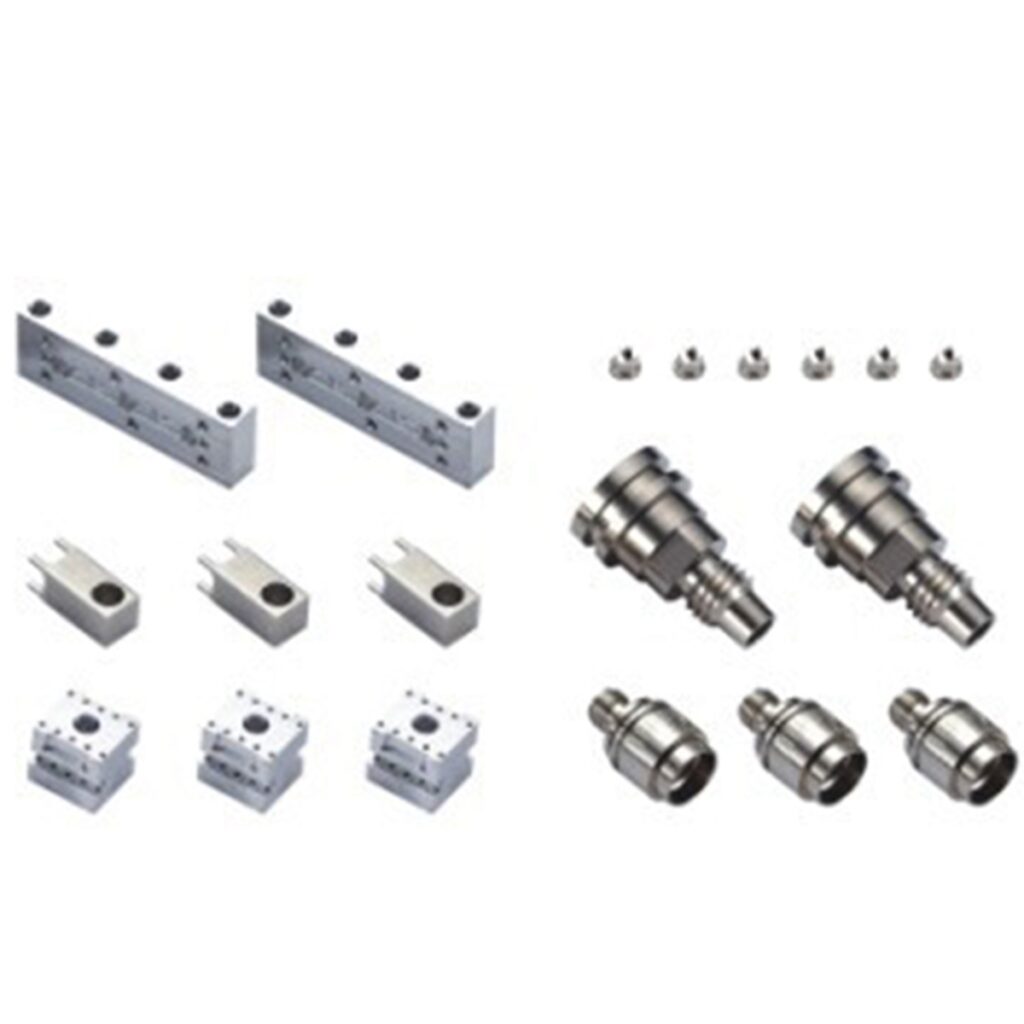
Are you looking to make custom parts or prototypes for your car? Juize has you covered. Whether you are looking for parts for choppers, classic cars, cruisers, or power sports vehicles like ATVs, we have the perfect solutions for your prototyping and production needs. Juize has experience working with OEM and aftermarket automotive companies to make parts for prototyping […]
How Is Yield Strength Measured?

Yield strength is measured through a tensile test, a controlled experiment where a sample of the material is stretched until it begins to deform plastically. The process involves plotting a stress-strain curve that helps identify the material’s yield point. This curve shows how the material reacts to increasing stress.
How to Design for Laser Engraved Aluminum Part Marking
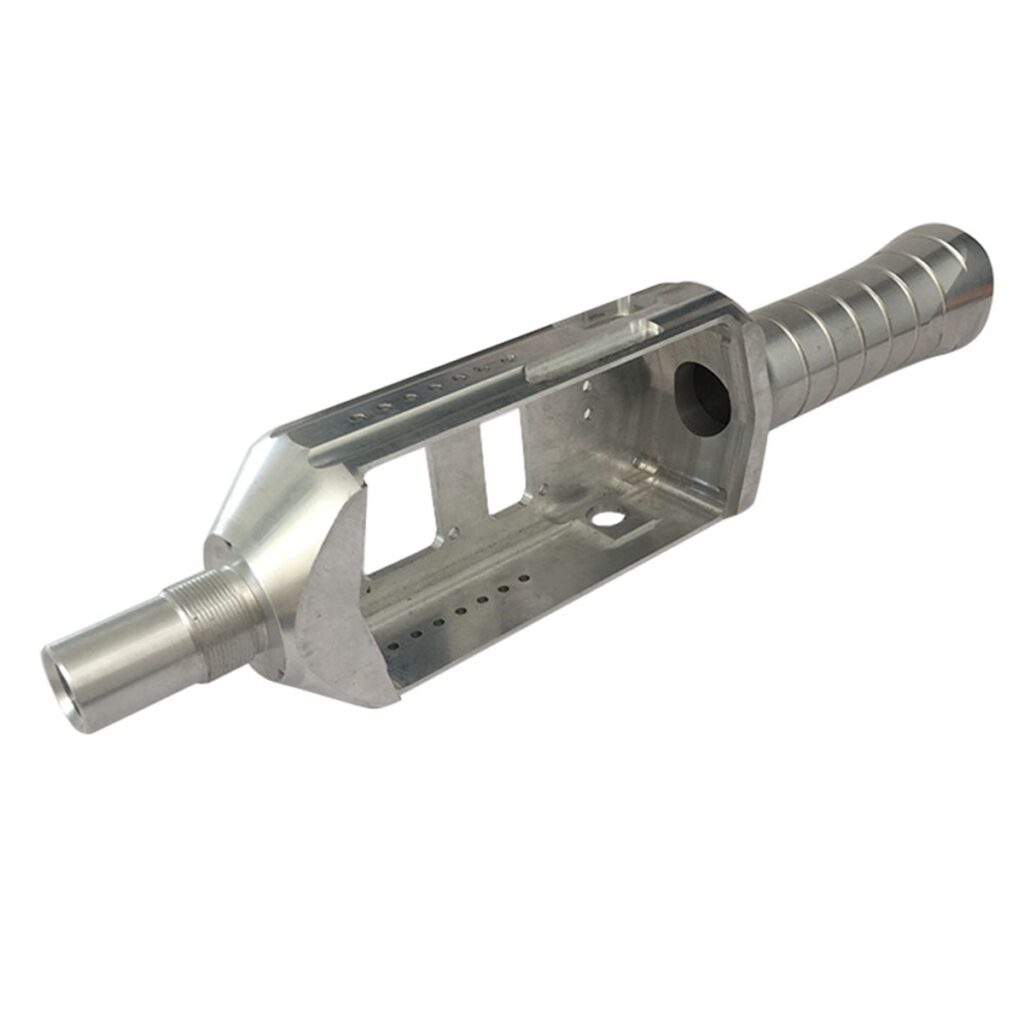
Design considerations for laser engraving aluminum are similar to those for other laser engraving and marking types. We go into more detail on part marking design best practices in our guide to part marking, but here are some of the most important factors to keep in mind: Try to simplify your design as much as possible; complexity […]
What Is Yield Strength?
One of the most critical physical properties of metals is their yield strength. It determines how a material behaves under stress. But for any technical person involved in the manufacturing industry, it is important to know about it, and why is yield strength so important? This article will explore and compare the yield strength of […]
Laser Engraving Bare Aluminum vs Anodized Aluminum
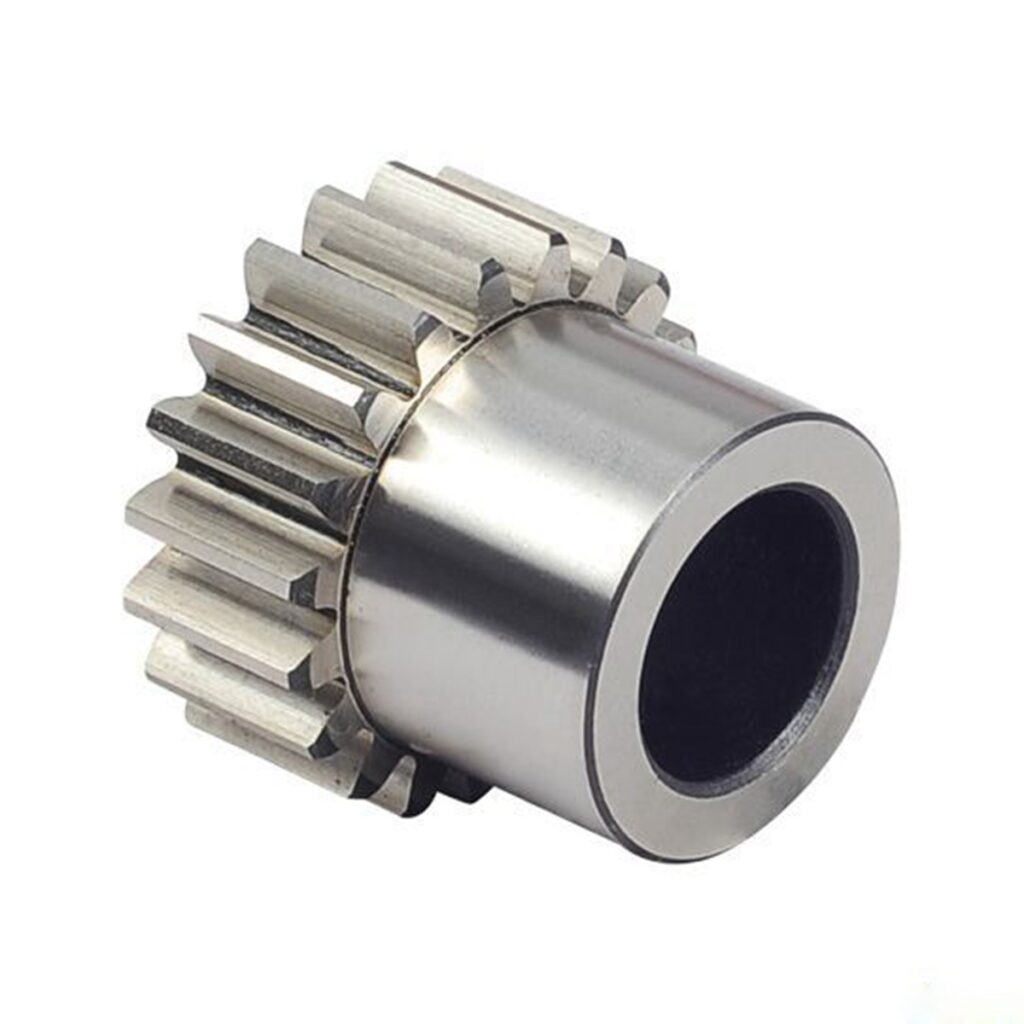
Both bare and anodized aluminum can be engraved with fiber laser, though it can be more challenging to engrave bare aluminum with a CO2 laser than anodized aluminum. The best system for engraving bare aluminum sheet metals is a fiber laser. For CO2 lasers, the operator must spray a special paste as a pretreatment for […]
Why Aluminum Part Marking is Important
Why mark parts? As mentioned earlier, part marking enables accurate tracking of the serial number of a component through a marked QR code, data matrix code, or serial numbers. It’s also helpful in part identification and tracking statistics in component manufacturing and application. Part marking is thus vital for quality control and supply chain functions. […]
How Laser Engraving Works with Aluminum
A powerful beam acts as the chisel in aluminum laser engraving, vaporizing particles off the metal surface to incise deep marks. The laser engraver should radiate enough energy that the beam excites the surface material to its vaporization temperature, which for aluminum is 4,221 degrees F, or 2,327 degrees C. Vaporization happens within seconds to […]
Considerations of Custom Laser Cutting Parts
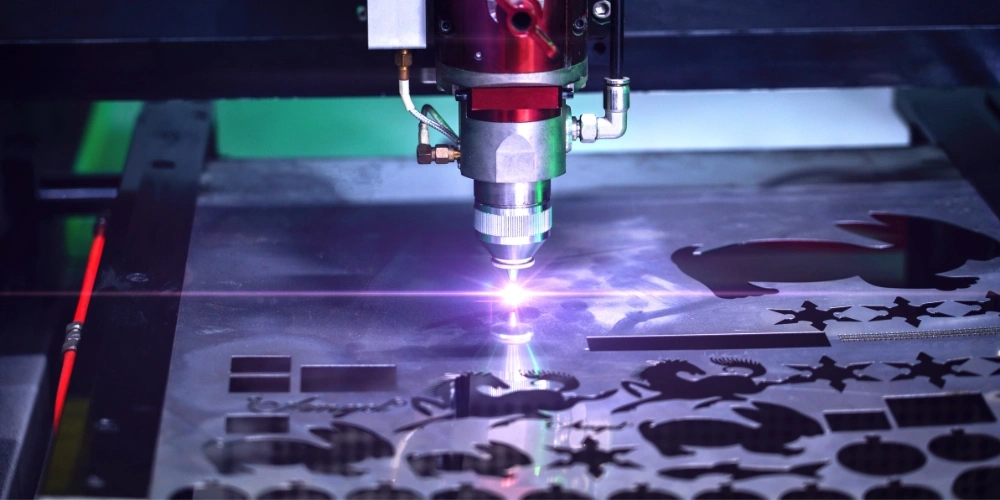
Custom laser cutting parts involves several thoughtful considerations which must be in place before the process of customization begin so as to achieve accuracy and success. It starts by identifying appropriate materials such as metals, plastics, wood and fabrics that would match the job to be done too; better still make sure their thickness is […]
How Aluminum Anodizing Works
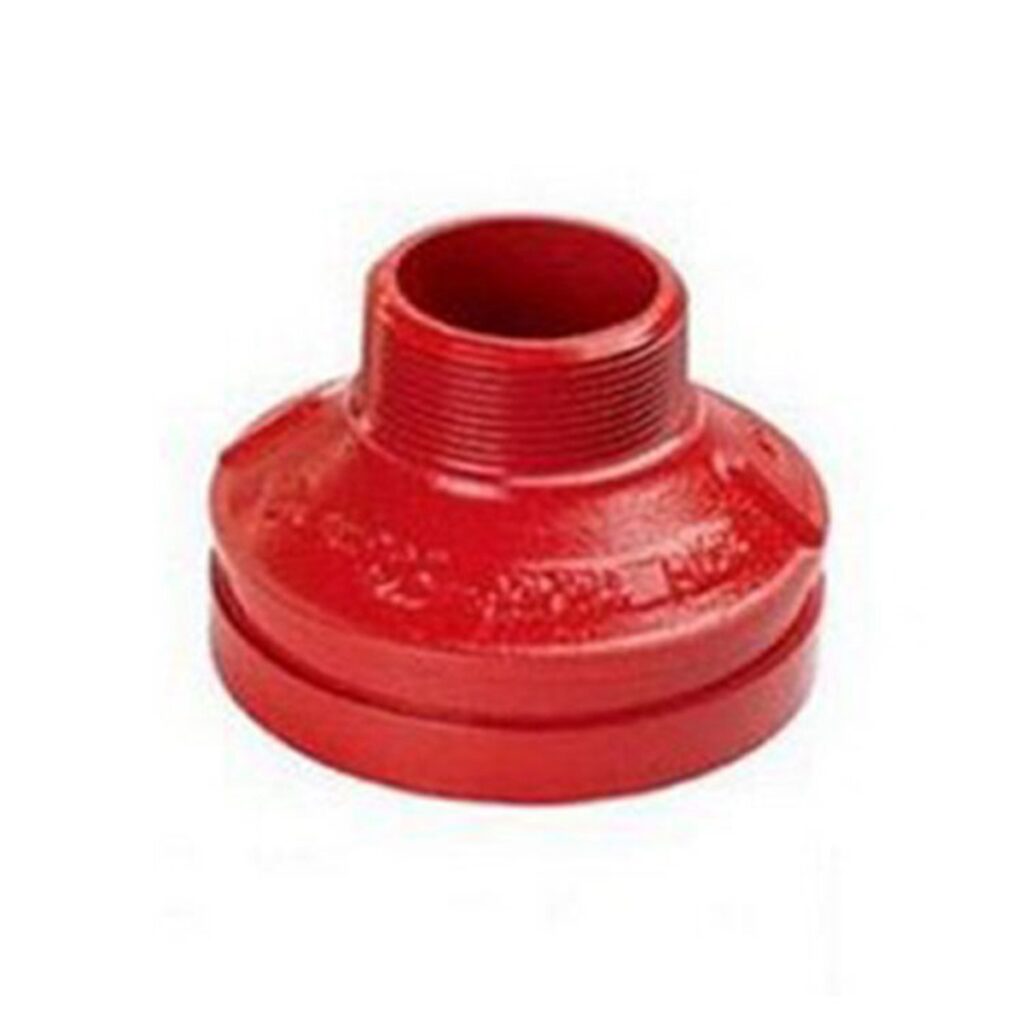
To begin the anodizing process, three things are needed: an anodizing tank, a positive electrode (anode), and a negative electrode (cathode). First, the aluminum needs to be cleaned and its natural oxide layer removed. It’s then dipped into the anodizing tank, which has an electrically conductive solution in it. The solution is zapped with a […]