Advantages of Investment Casting
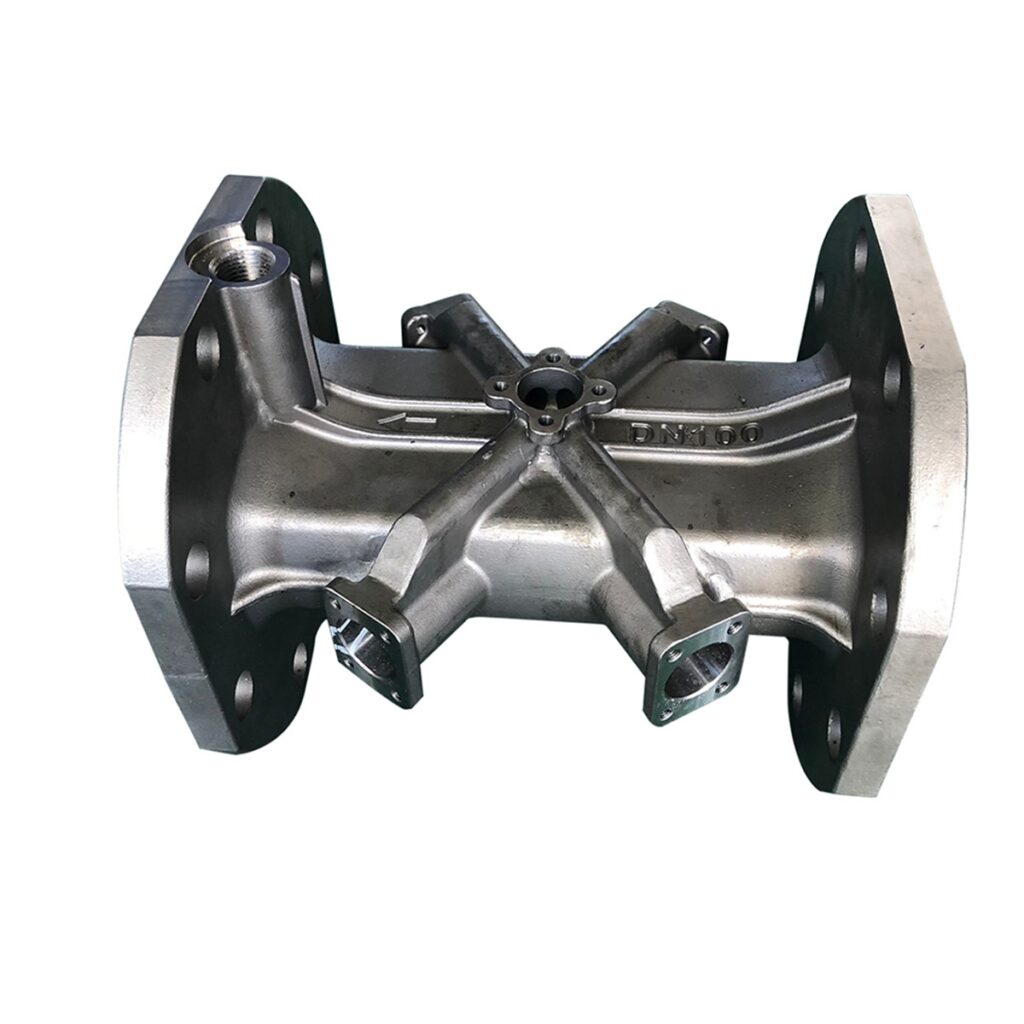
Complex Shapes: Enables the creation of intricate and detailed parts. Excellent Surface Finish: Results in high-quality, smooth surfaces. Close Tolerances: Achieves precise specifications for accuracy. Minimal Material Waste:Reduces waste, enhancing cost efficiency. Versatility of Materials: Supports various metals and alloys. Reduced Need for Machining: Minimizes post-casting machining. Cost-Effective for Small Runs: Economical for customized or low-volume production. Weight Reduction: Allows for the […]
Process of Investment Casting
The process involves several steps, from creating the wax pattern to the final metal casting. The process involves several stages: Pattern Creation: Develop a wax pattern mirroring the final metal part through methods like injection molding or machining. Assembly: Group wax patterns on a central sprue for efficient casting. Ceramic Shell Coating:Apply layers of ceramic slurry to […]
Nickel Alloy Limitations
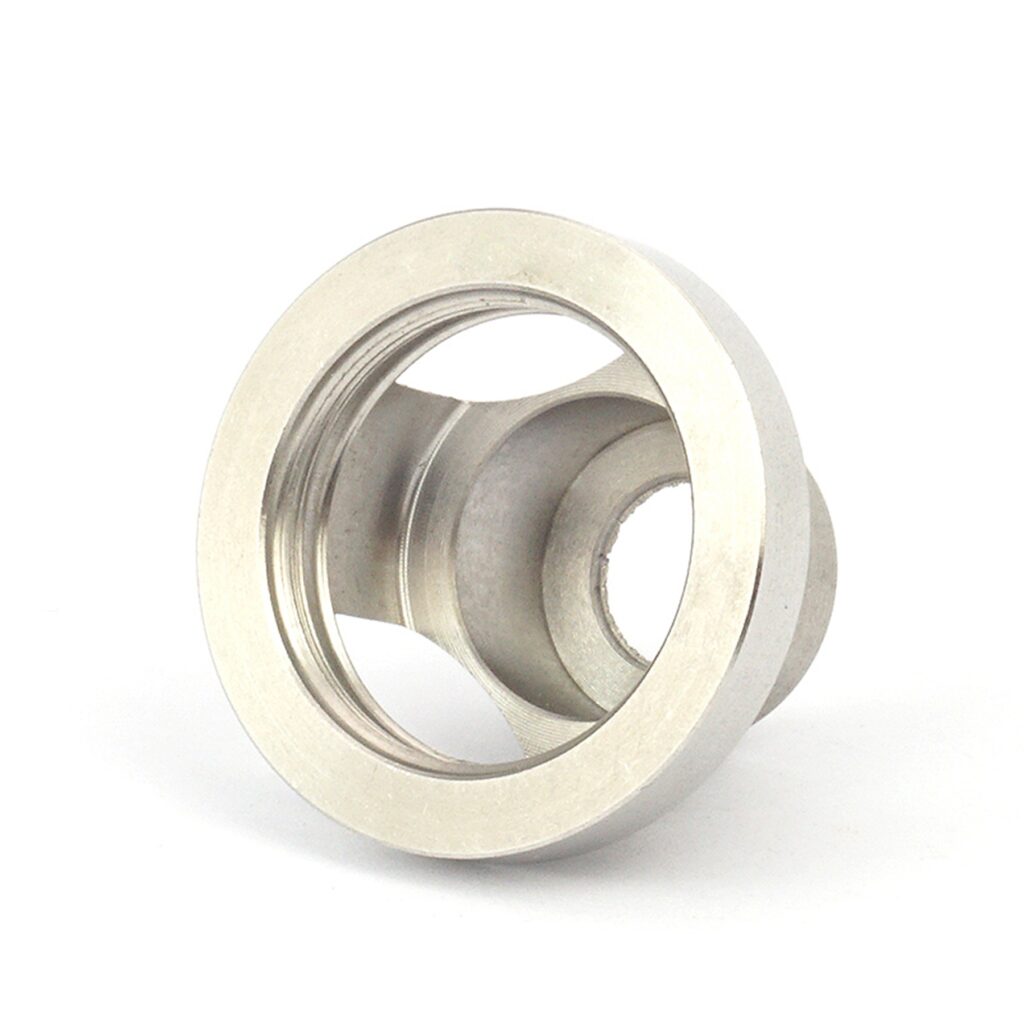
Nickel alloys are typically reserved for high-performance applications because they tend to be more expensive than other types of metal. As we’ve seen, nickel alloys are usually strong and tough, and that can make them a pain to machine. If you’re interested in machining this type of alloy, you’ll probably need extra tools. Their high […]
Investment Casting
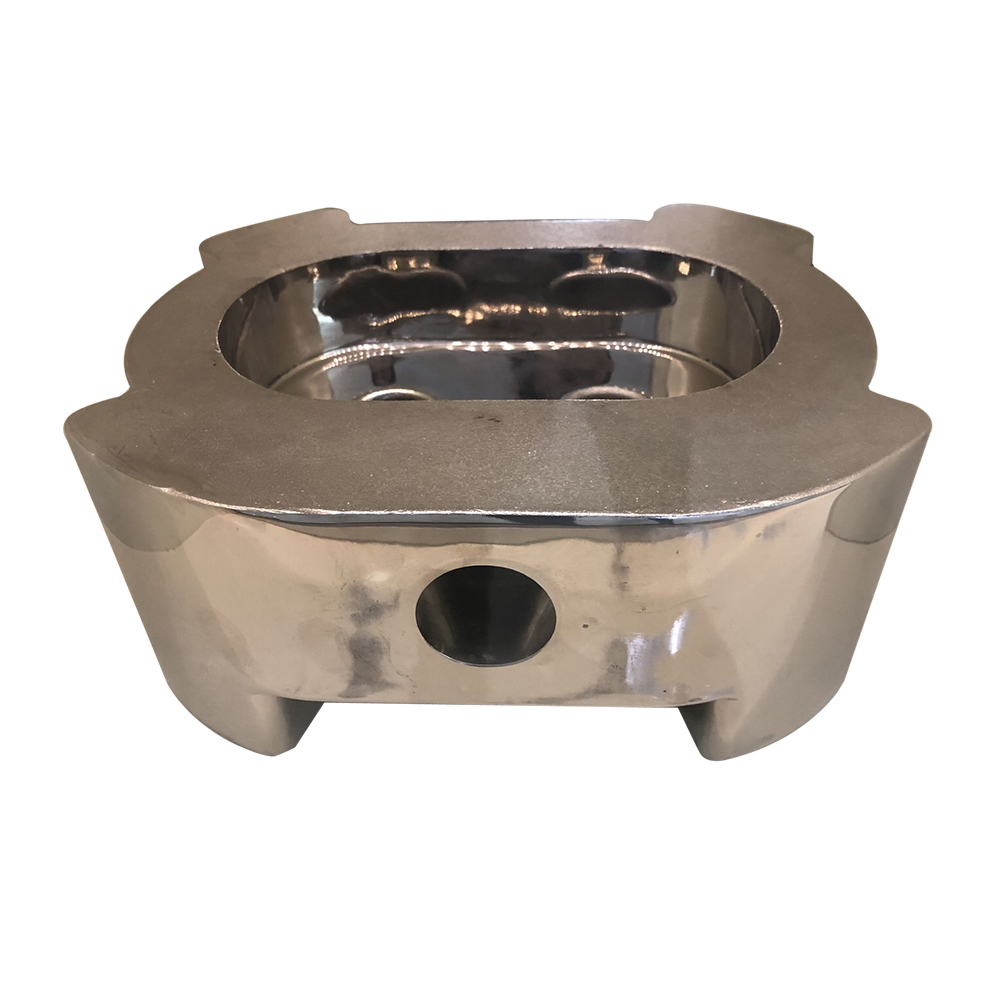
Investment casting, also known as lost wax casting, is a precision casting process that has a rich history spanning thousands of years. Renowned for its capability to produce intricate and complex metal parts with high accuracy and a smooth surface finish, this method is particularly favored for small to medium production runs where tooling costs […]
Mechanical properties of stainless steel
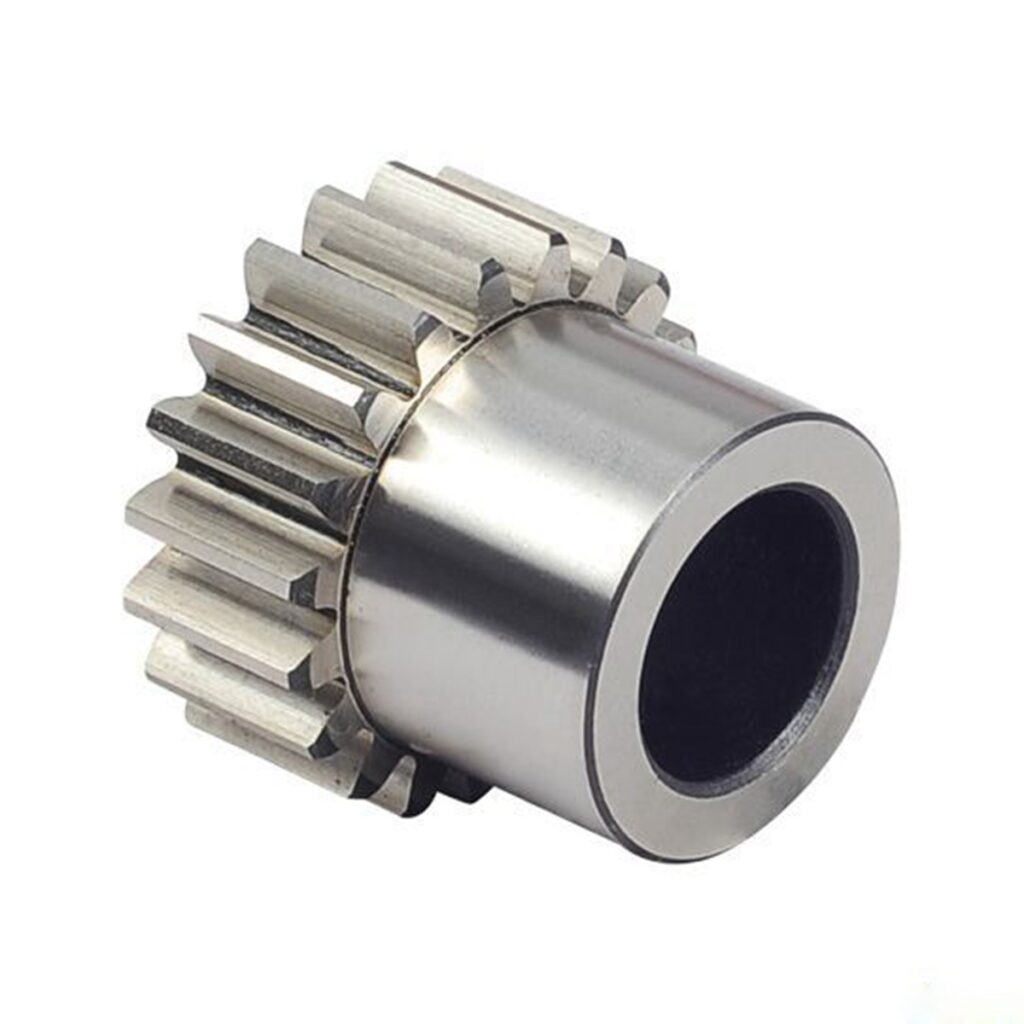
Stainless steel is usually chosen because it is resistant against corrosion—but it is also chosen because it is steel. Properties such as strength, yield, toughness, hardness, response to work hardening, weldability, and heat-tolerance make steel an incredibly useful metal in engineering, construction, and manufacturing, especially given its cost. An engineer considers the working load and […]
Nickel Alloy Characteristics
Here are the main characteristics of nickel alloys: Corrosion/oxidation resistant High strength Heat resistance up to 980°C Highly ductile, won’t break easily if bent Magnetic, can easily be magnetized and demagnetized Weldability with various welding methods (although could develop hot or warm cracking and porosity) Low thermal conductivity, higher with nickel-copper alloys Low electrical conductivity, […]
What is stainless steel made of?
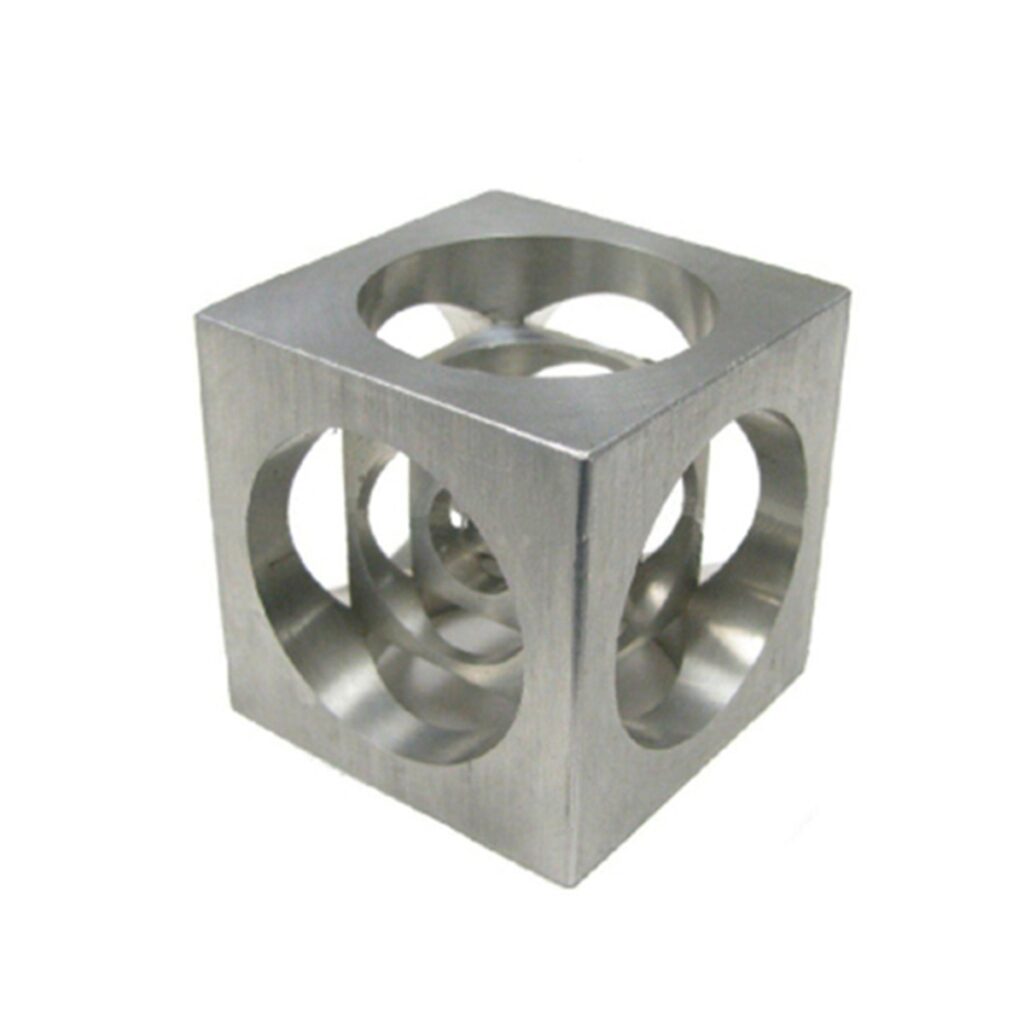
Like all steel, stainless steel starts out with a mixture of iron and carbon. What sets this family of alloys apart is that stainless also has a minimum of 10.5% chromium. This element gives stainless steel its characteristic resistance to oxidation. When stainless steel is exposed to the atmosphere, the chromium combines with oxygen to […]
A Brief History of Nickel Alloy
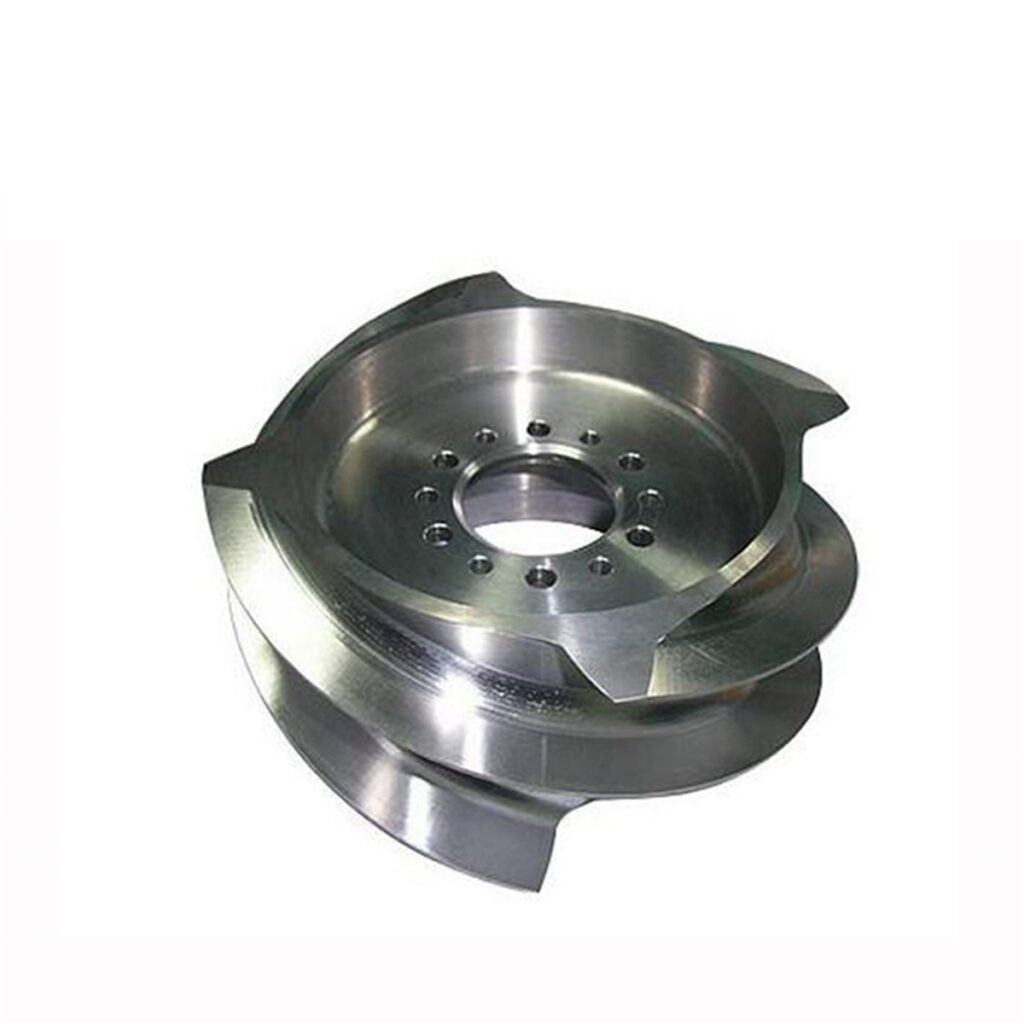
It’s believed that the first nickel alloy was used in 200 BCE in China. That’s the earliest record available, and the material was referred to as “white copper,” which experts believe was an alloy of nickel and silver. Fast forward to 1751, A. F. Cronstedt, a German scientist, managed to isolate nickel from the niccolite […]
Common uses for 316 stainless steel
Industrial equipment as used in: Pharmaceutical manufacturing Chemical manufacturing Industrial and chemical transportation Pressure vessels Cisterns and pipes for chemical applications Medical equipment where non-surgical steel Marine equipment Outdoor site furnishings Commercial kitchens Food production and processing in saline environments Commercial appliances
What is Nickel Alloy?
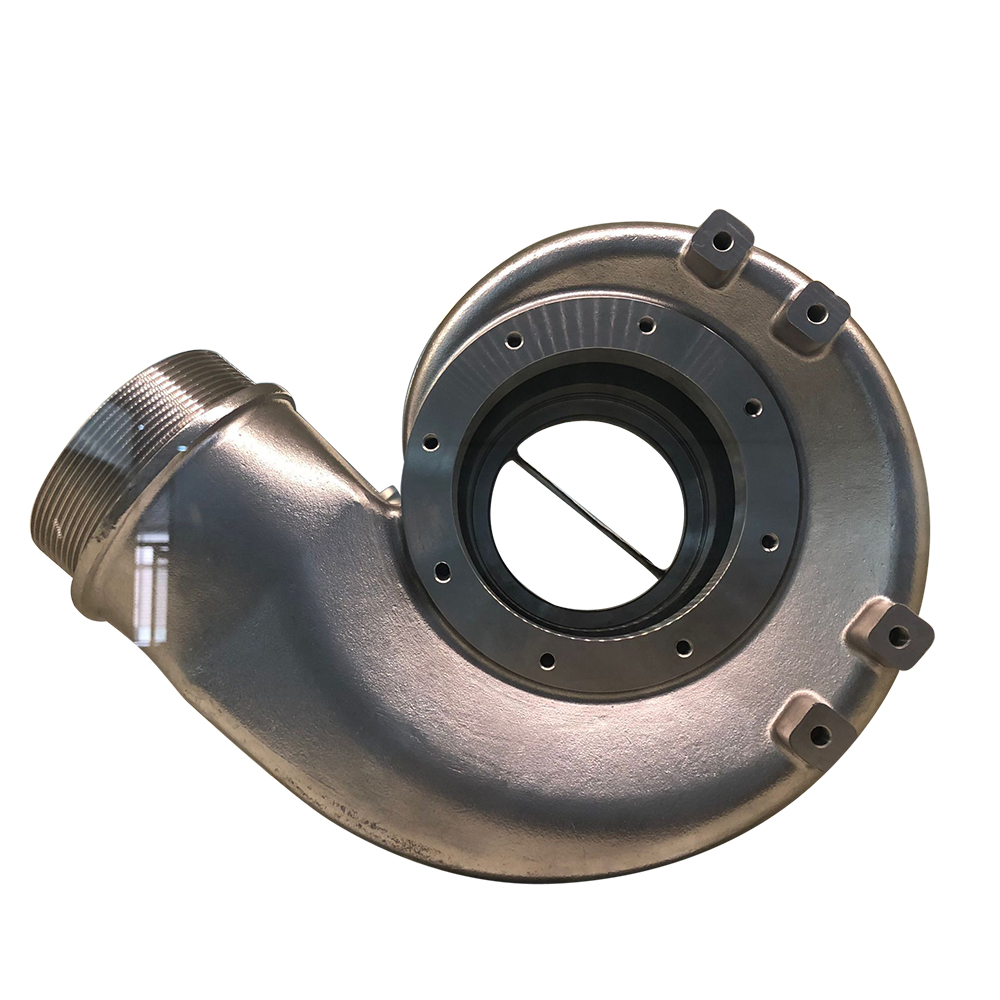
If a metal contains nickel as one of its primary elements, it’s classified as a nickel alloy. Some types of nickel alloys are even classed as “superalloys” because, if you compare them to other metals, their oxidation and creep resistance is off the charts and allows them to be used at temperatures of over half […]