Advantages of Sand Casting

Sand casting, despite being an ancient process, offers advantages that render it highly relevant in high-technology production. Such benefits are: Low cost. Simple tooling. Easy scale-up, but great for prototyping. Fast turnaround. Few design limitations, shape complexity. Extremely wide range of materials with few/no process changes. A wide spectrum of part sizes from grams to […]
Post Process for Investment Casting Parts
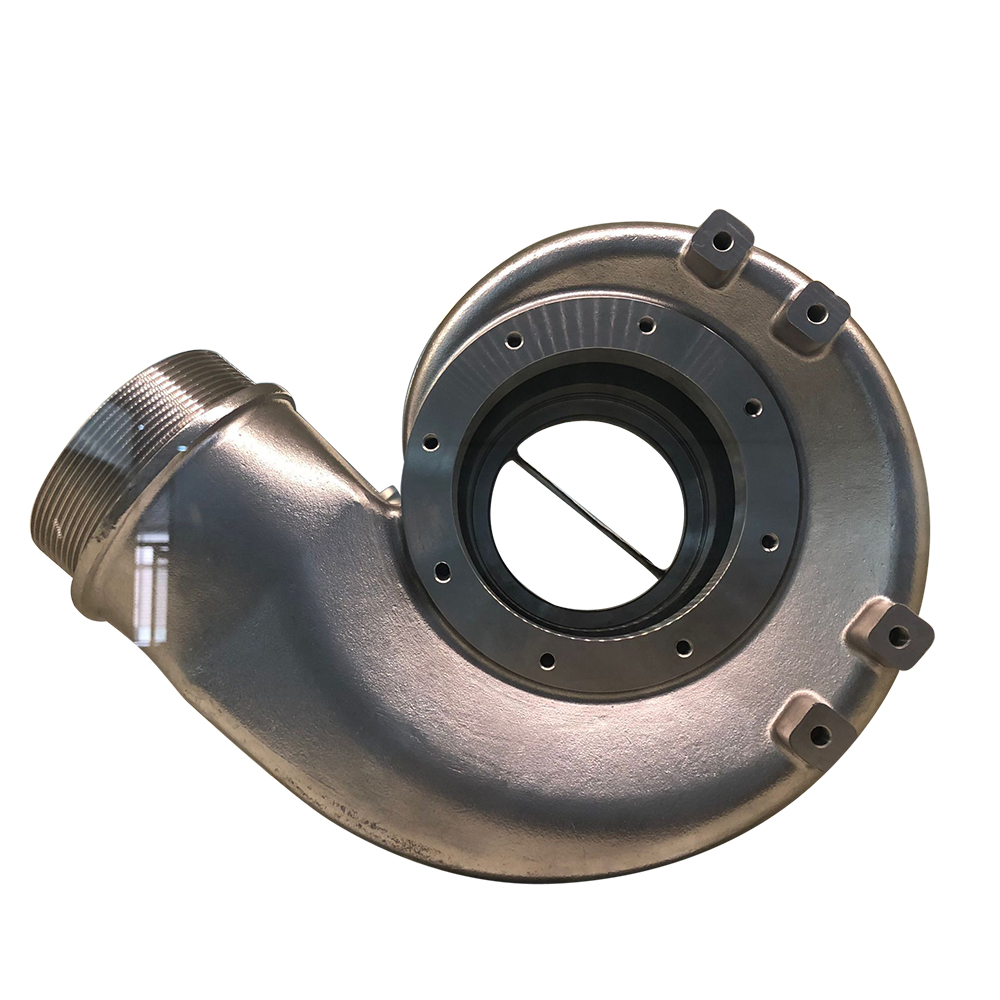
The post-processing stage is crucial in refining investment casting parts to meet specific design and quality standards. After the casting process, several steps are typically undertaken: 1. Cutting and Removal: Remove excess material, like gates and sprues, to separate the cast part. 2. Surface Cleaning:Thoroughly clean to ensure a smooth surface, removing ceramic shell remnants […]
Types of Metals Used in Sand Casting
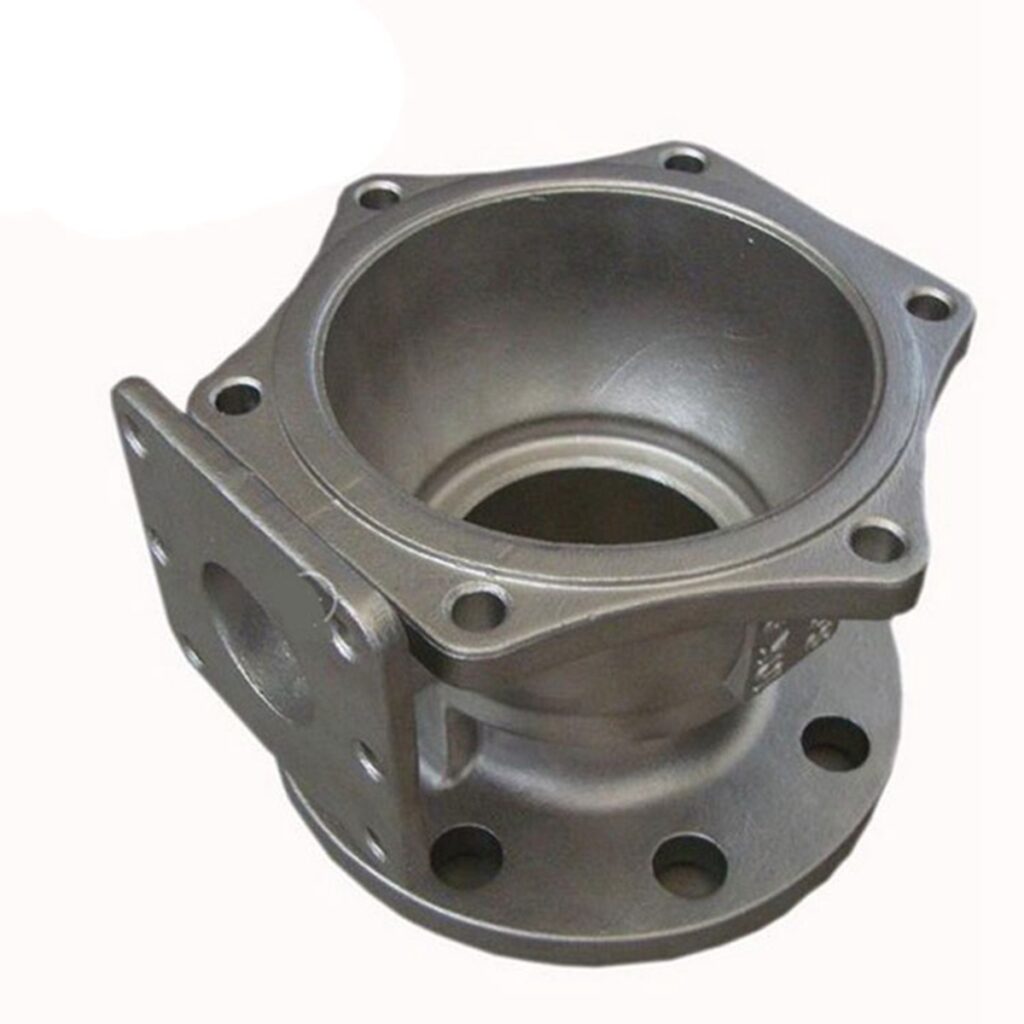
Sand casting is applicable to all metals other than exotics such as mercury and gallium. It is particularly well suited to high-cost/high-temperature materials such as titanium and nickel. It is most practical in the manufacture of relatively low cost and larger parts, often including some post machining to impose dimensional precision in the areas that […]
Materials Used in Investment Casting
Investment casting employs a diverse range of materials to meet specific performance requirements in various industries. Common metals and alloys used in investment casting include stainless steel, carbon steel, aluminum, bronze, and nickel-based alloys. Every material possesses unique characteristics, including but not limited to corrosion resistance, strength, and heat resistance. These properties render them well-suited […]
Types of Sand Used for Sand Casting
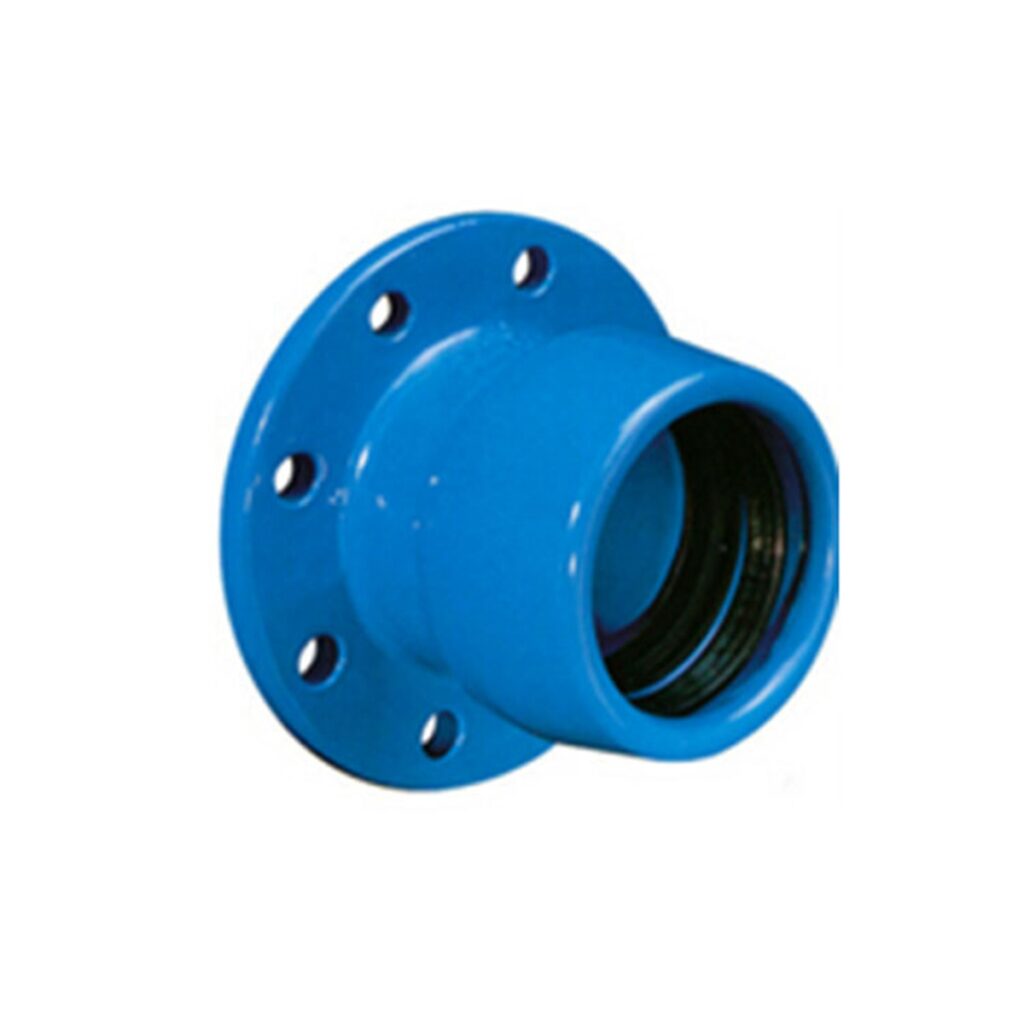
Several types of sand methods and materials are commonly used and are listed below: 1. Dry Sand Dry sand is a specific type of molding sand that uses clay (either kaolinite or bentonite) with very little water as a binding agent. This binder creates a mold that retains its pattern-rammed shape and withstands the pouring […]
Investment casting VS Other Metal Casting Methods
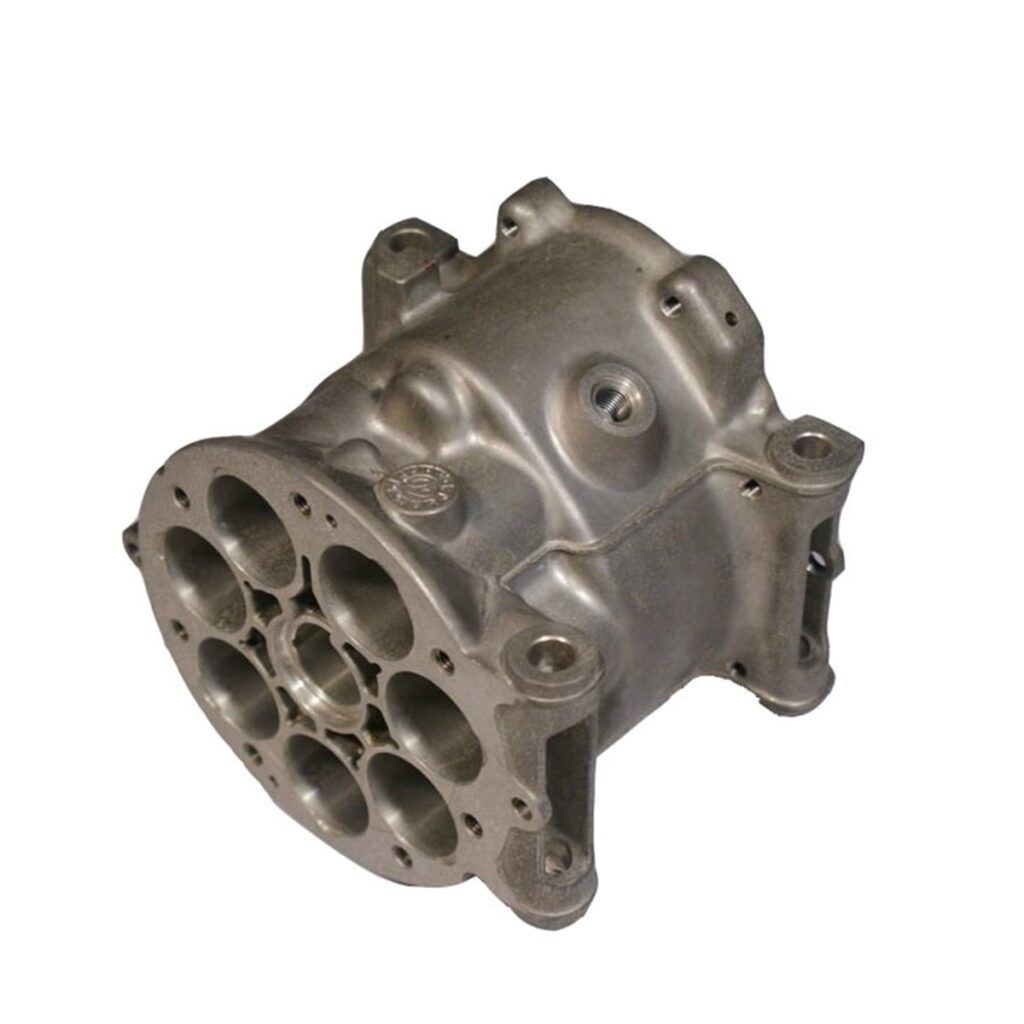
Investment casting distinguishes itself from sand casting and die casting by excelling in precision, offering superior surface finishes, and providing material flexibility with a broader range of alloys. While die casting is advantageous for high-volume production, investment casting remains cost-effective for both small and large runs. With lower tooling costs and minimized material waste, investment casting proves […]
How Sand Casting Works
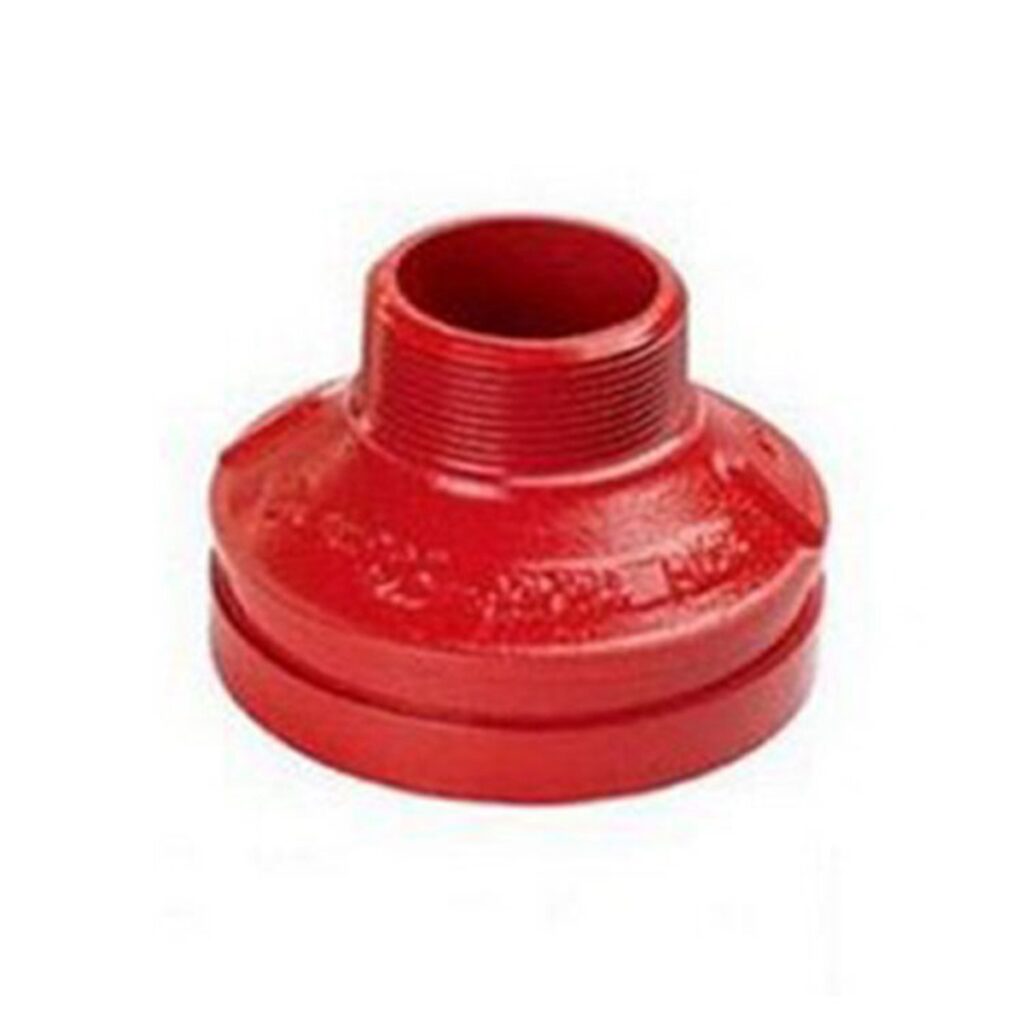
Sand casting works by generating a mold by forming a packed sand body around a wooden or rapid prototype master/pattern (or a part to be copied/reproduced). This mold requires features related to gas venting, fill and thermal compensation volumes, and core support, and it can then be filled with molten metal, which cools in place […]
Applications of Investment Casting

Investment casting proves to be a versatile manufacturing method with applications across diverse industries. In aerospace, it is crucial for crafting intricate turbine blades and engine components, while the automotive sector benefits from its ability to produce custom and lightweight parts. Medical equipment manufacturing relies on investment casting for precision in crafting implants and surgical […]
Sand Casting vs. Other Types of Casting
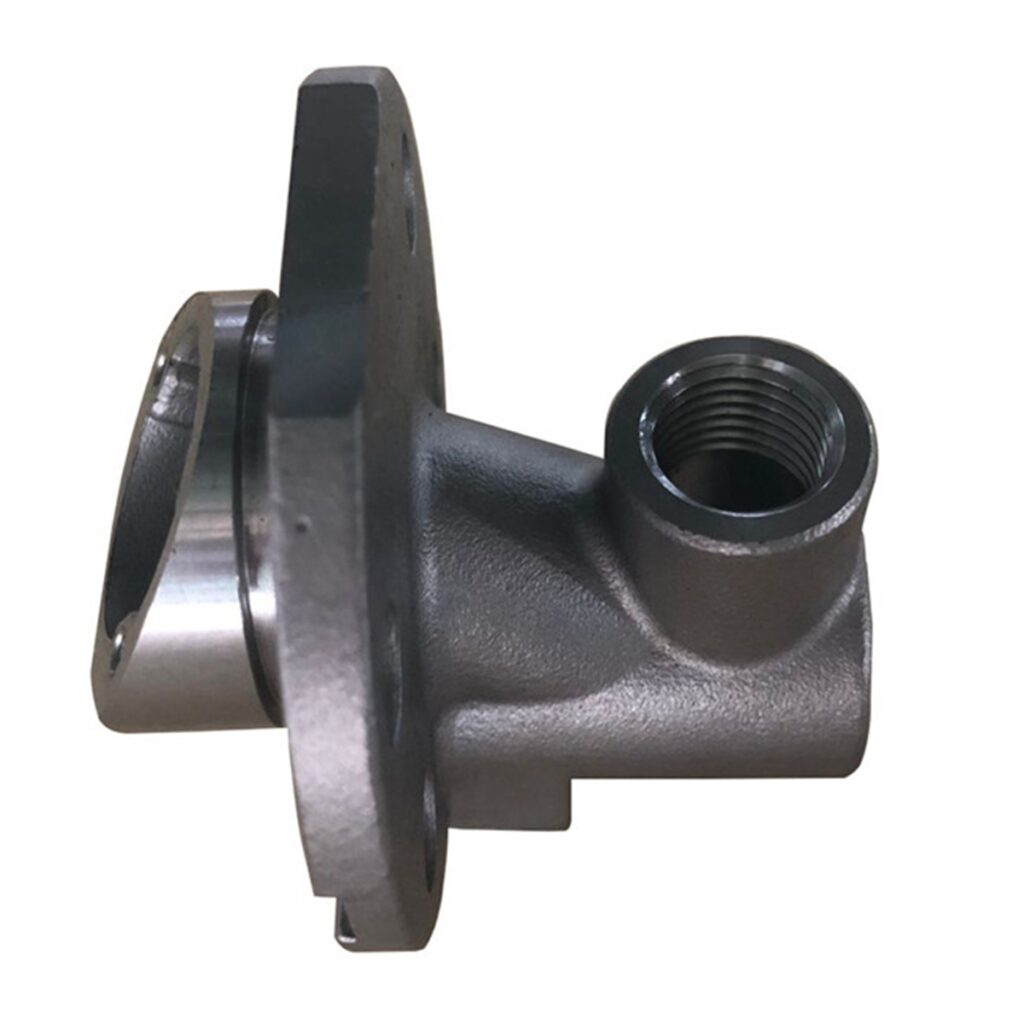
All casting forms a cavity into which the melt is poured. The variation is in the methods by which the cavity is formed. Die casting uses a machined metal cavity for the part forming, with various approaches to introducing fill material and mechanization of the process. Investment casting uses a plaster cavity cast over a […]
What Is Sand Casting?
Sand casting is a commonly employed and very ancient metal casting technique. It involves forming cavities within packed and bonded sand that is then charged with molten metal. The chosen metal solidifies to reproduce the cavity shape in fine detail. The most common technique uses a pair of boxes into which is packed the sand, […]