What Is Sheet Metal Fabrication?
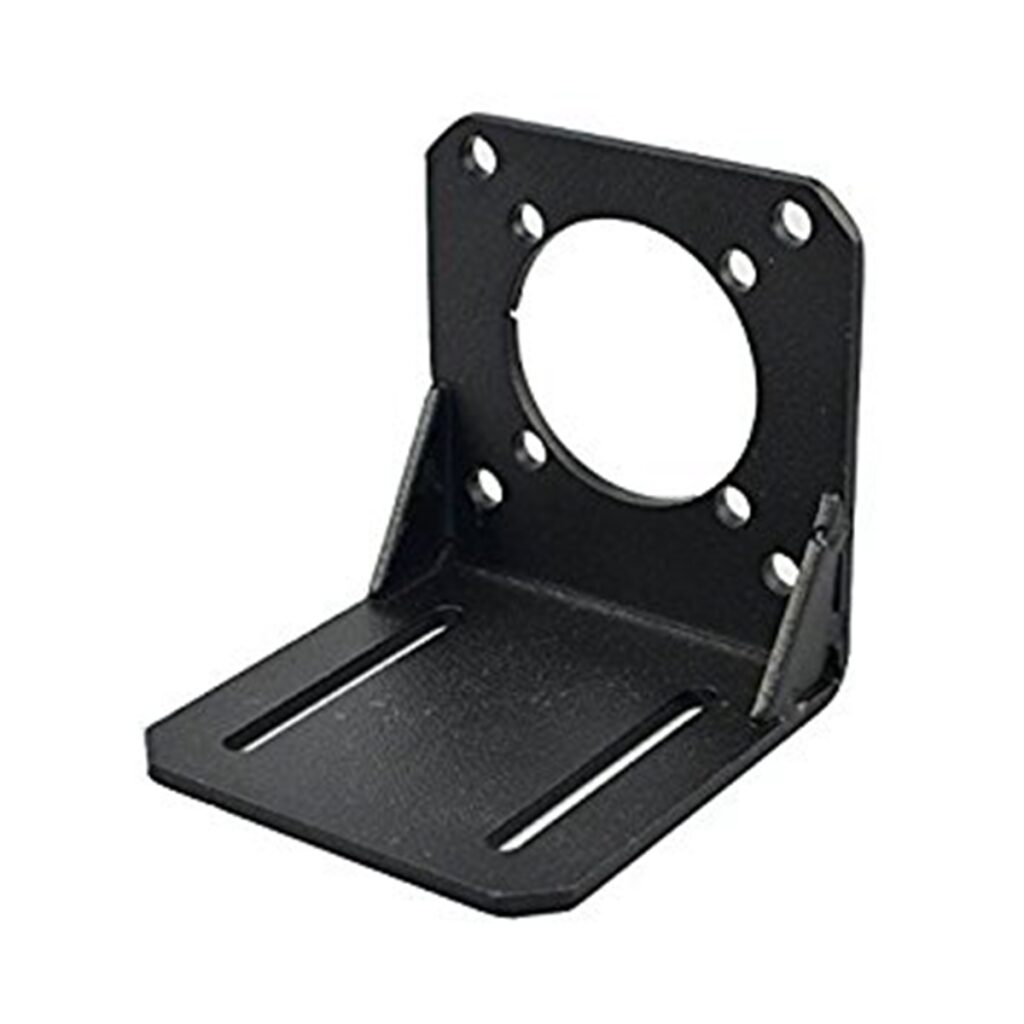
Sheet metal fabrication is a subtractive manufacturing process that forms parts from thin metal sheets. Engineers often choose sheet metal parts for their high precision and durability, especially for end-use applications like chassis, enclosures, and brackets. Our sheet metal fabrication services provide a fast and cost-effective solution for any parts that need to be made […]
Types of Laser Tube Cutters
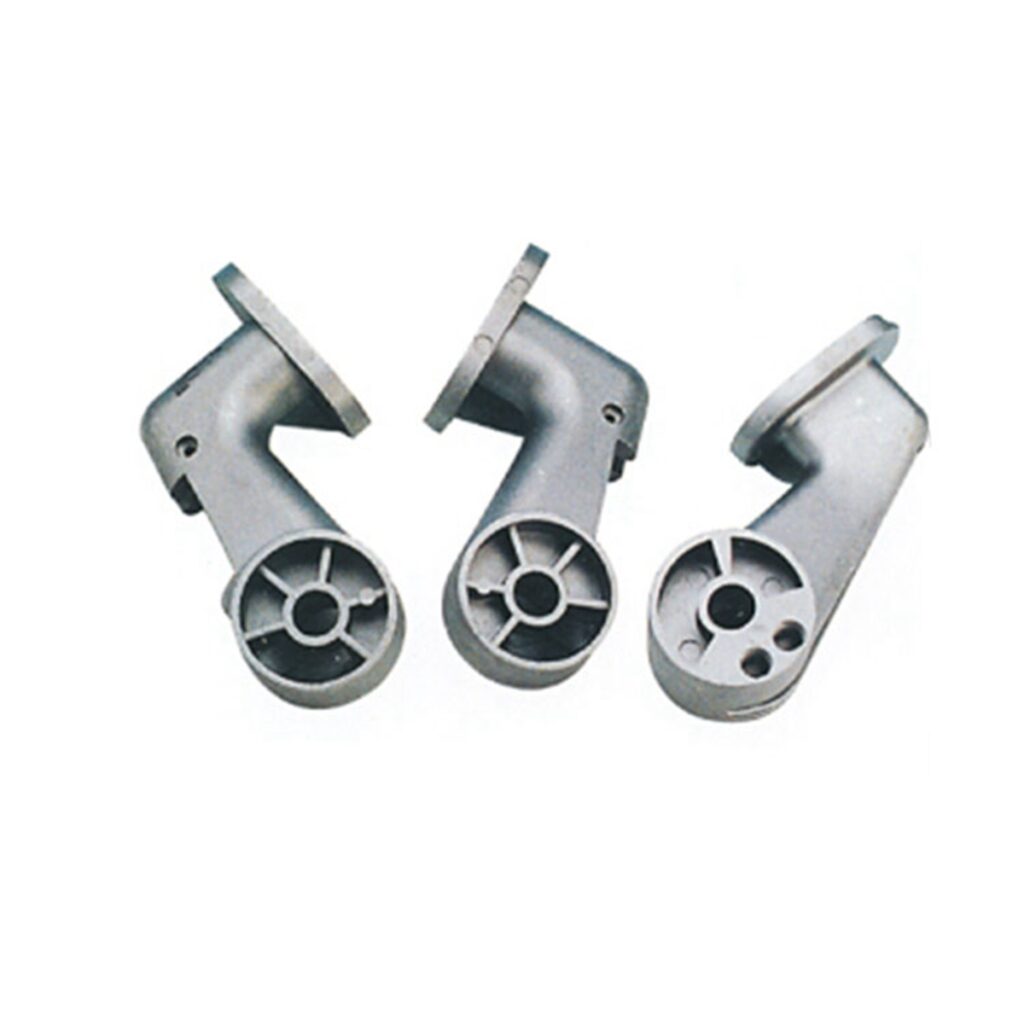
The main types of laser tube cutting machines vary based on application and laser type. Combination tube/flat sheet laser cutters are one of the most common machines used for laser tube cutting, but are generally used for smaller jobs and are multipurpose machines (i.e. they can also cut flat sheet parts). Self-contained laser tube cutters […]
Advantages of Laser Cutting
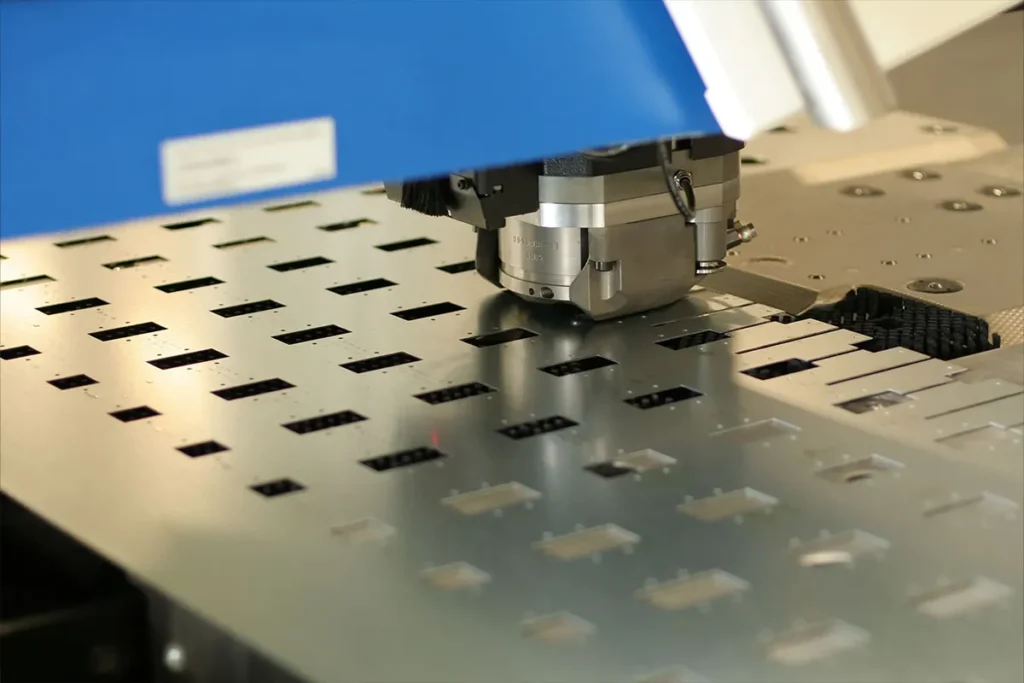
Engineers mostly prefer to rely on laser cutting technologies to manufacture their parts in today’s manufacturing industries. There are so many advantages of laser cutting why people prefer it over other technologies. The common advantages include: Lower Lead Time You can use the same laser cutting head in a fixed configuration to work on uniformly […]
Laser Tube Cutting

Laser tube cutting is the process by which tube stock material is selectively cut to form various shapes, holes, designs, and/or channels using a controllable precision laser. The stock material (tube/pipe) is held in a controllable lathe, where the tube will rotate in line with the design specifications as the laser makes cuts. Laser tube […]
The Compositions of Steel Alloys Used for CNC Machining
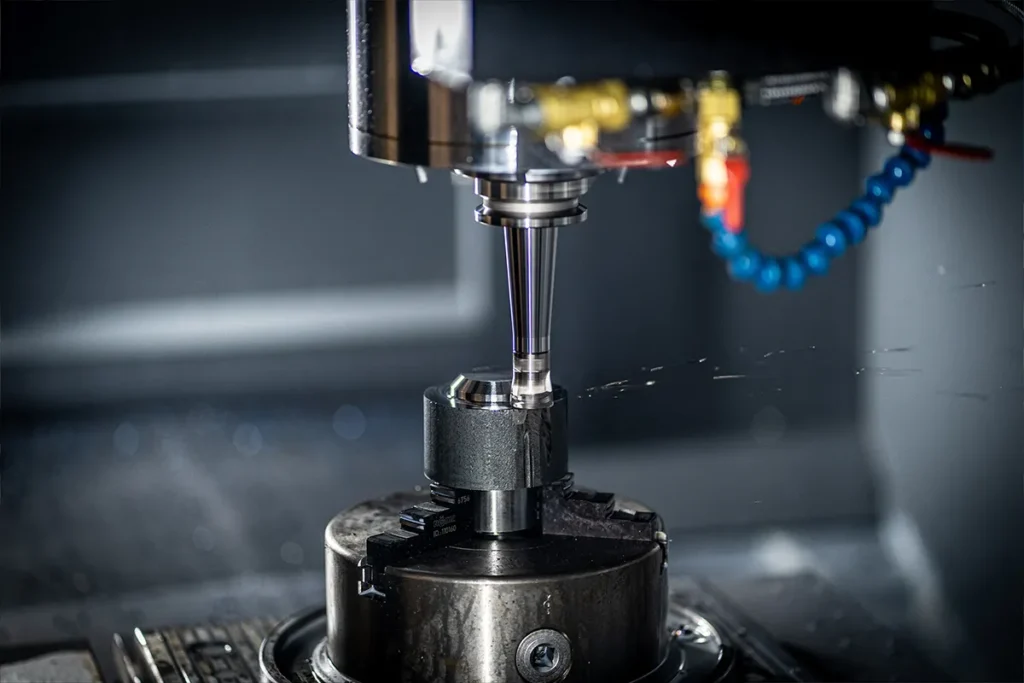
303 Stainless Steel: Contains approximately 18% chromium and 8% nickel. Additional elements like sulfur and selenium are included to enhance machinability. 304 Stainless Steel: Comprises around 18% chromium and 8% nickel, with common additions of carbon, manganese, and silicon. 316 Stainless Steel: Features about 16% chromium, 10% nickel, and 2% molybdenum. It has slightly higher […]
How To Select the Best Materials for Metal 3D Printing
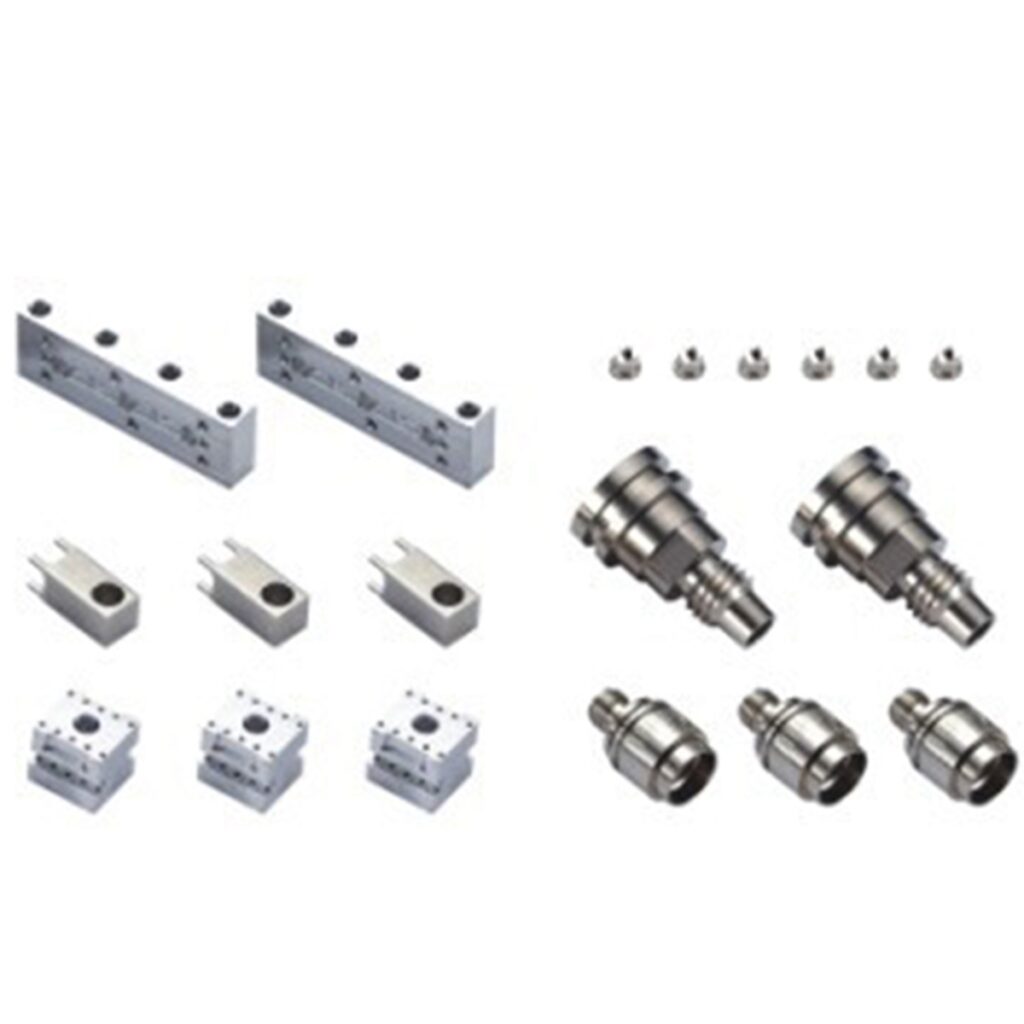
To select the best metal 3D printing materials for your project, follow the steps below: Define the performance requirements of the part to be produced. The requirements can include both environmental conditions to which the part will be exposed as well as mechanical stresses that are expected in the operating state. Compare the performance requirements […]
Guide for Custom CNC Machining Steel Parts
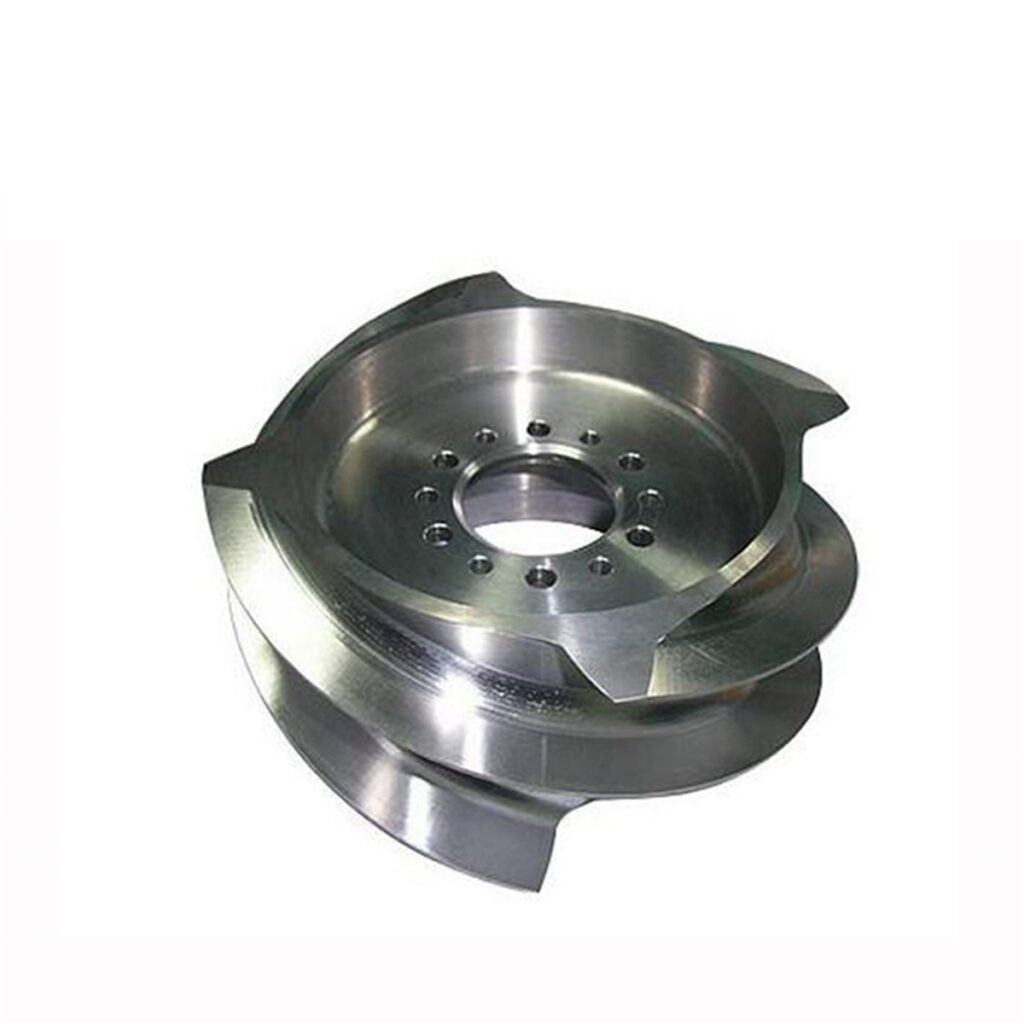
By following the below steps and maintaining open communication with the CNC machining manufacturer, you can ensure a smooth and successful process for custom CNC machining of steel parts. • Define Requirements: Clearly outline specifications for the steel parts. • Select a Manufacturer: Choose a reputable CNC machining manufacturer. • Submit CAD Files: Provide detailed […]
How Metal 3D Printing Works
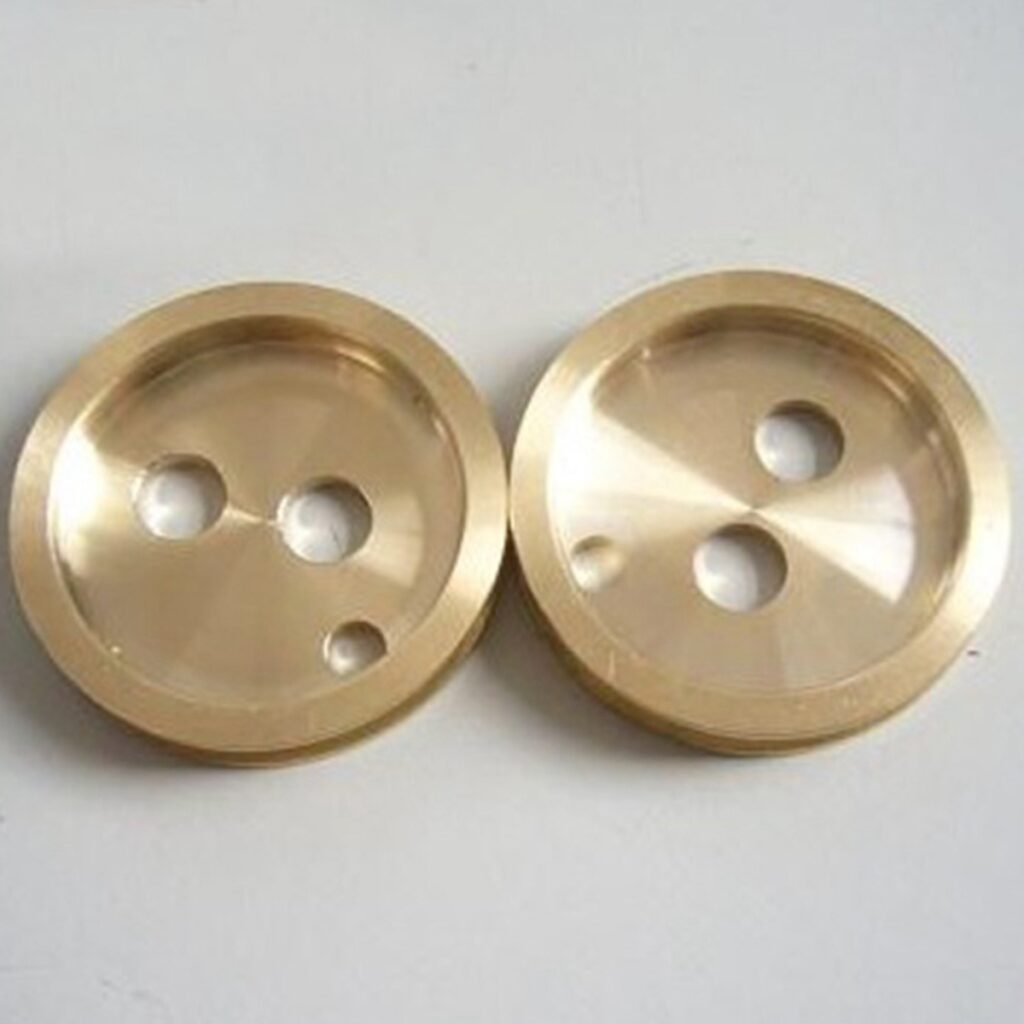
The working principles of a metal 3D printing method depend on the material used, whether that be a powder, filament, or wire. Out of these three options, printing with powder is the most common method. With powdered metal 3D printing, the metal powder for the first layer is spread out by the powder coater, or […]
Application for CNC Machining Components
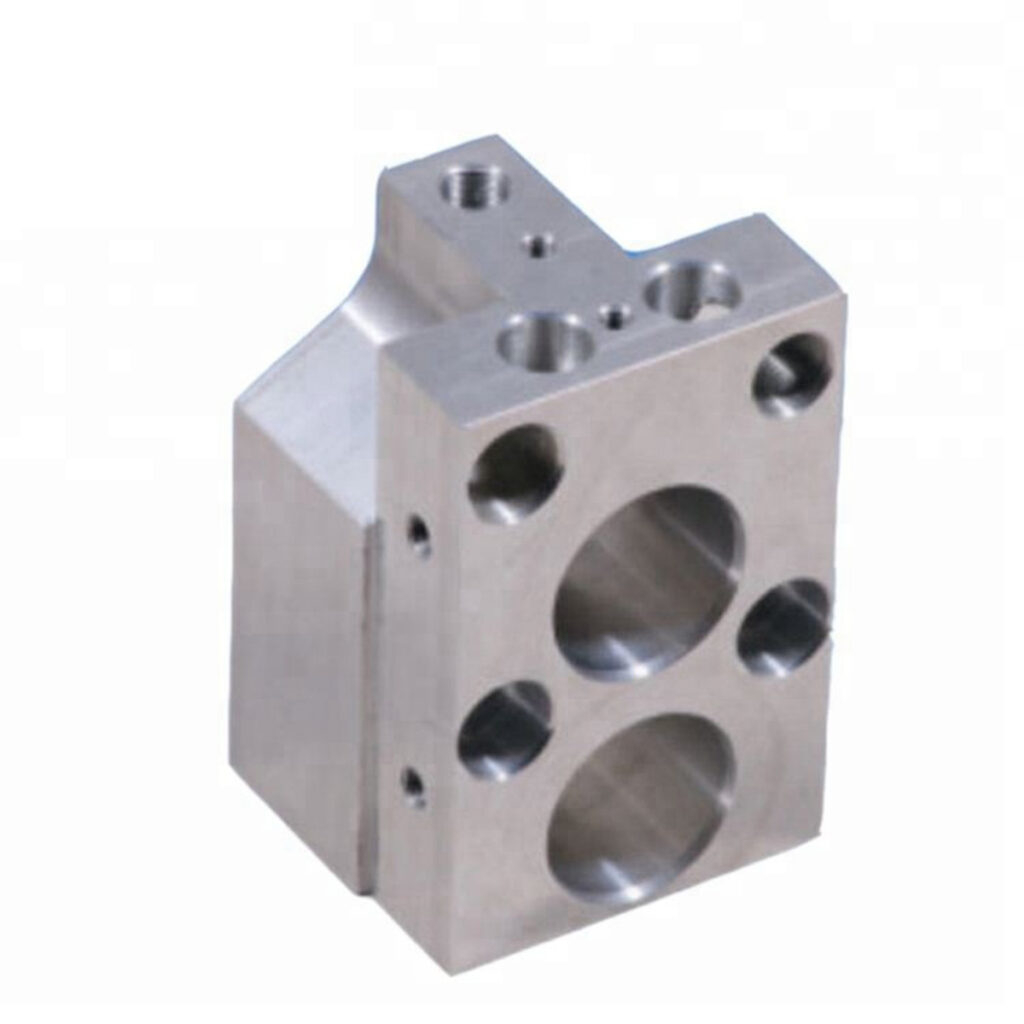
CNC machining of steel components is crucial across industries due to steel’s strength and versatility. In aerospace, it’s used for critical parts and engines; automotive relies on it for engines, transmissions, and precision components. Medical devices benefit from steel’s biocompatibility, while oil and gas industries use it for corrosion-resistant infrastructure. Tool and die making, energy, […]
What Is Metal 3D Printing?
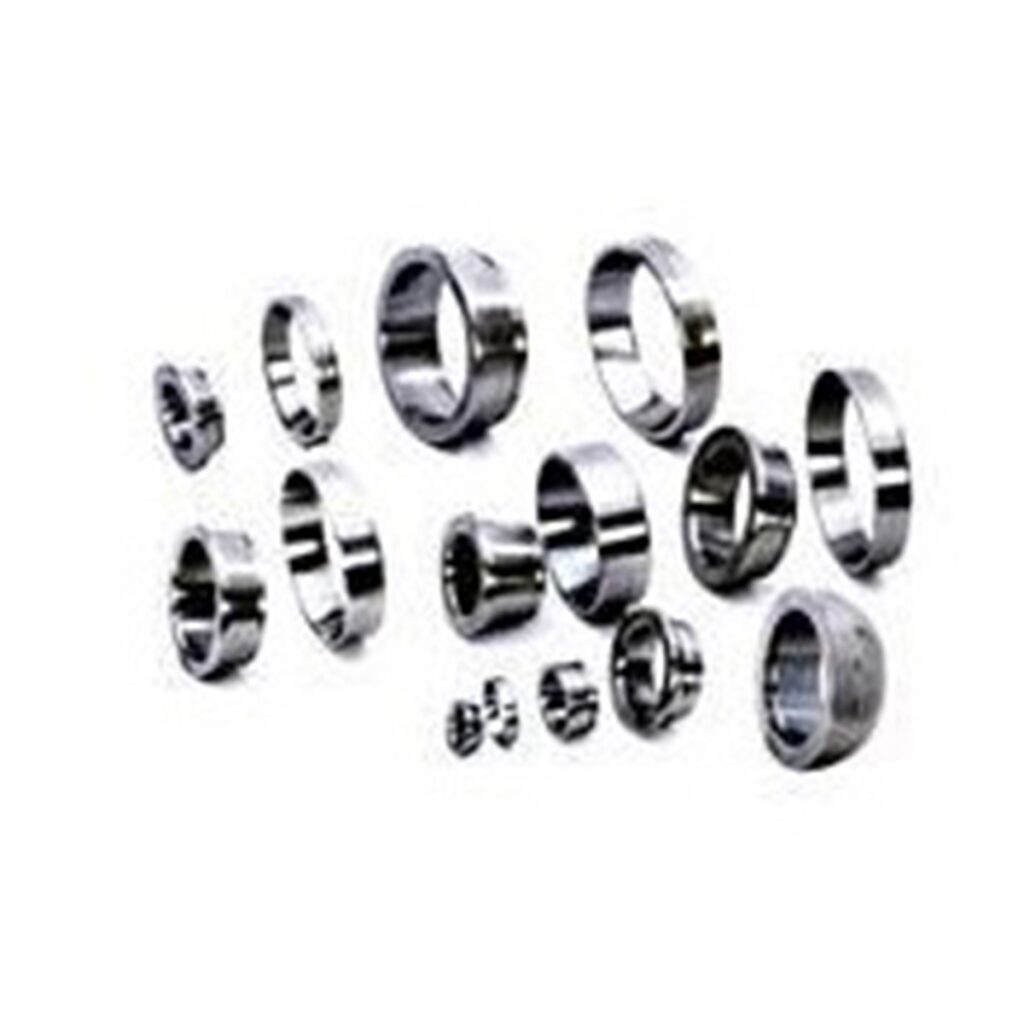
Metal 3D printing is a method of creating metal parts or products that adapts the general principles and methods of additive manufacturing methods and applies them to powdered metals. 3D printing always involves building a part using powder or filament wire, layer-by-layer, under computer control. There are a number of ways to join together the […]