Applications of Die Casting
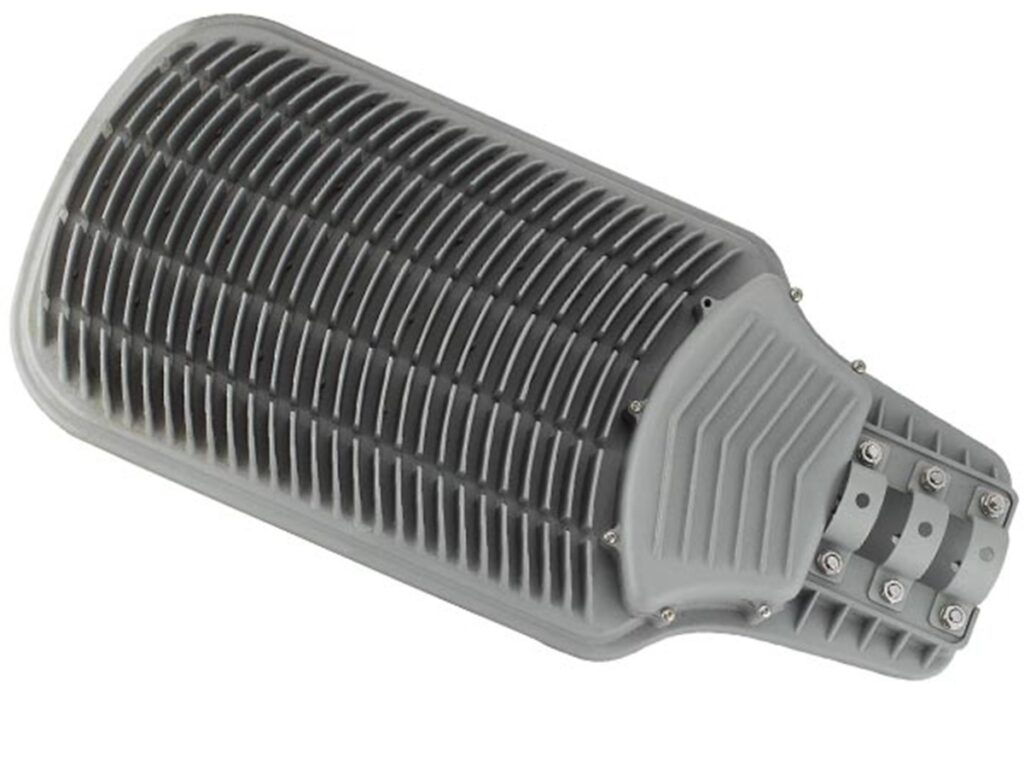
Die casting is a pivotal manufacturing process used across automotive, aerospace, and consumer electronics industries due to its ability to produce precise and durable components. In the automotive sector, high pressure die casting is essential for creating lightweight, robust parts like engine blocks and gearbox cases, enhancing vehicle performance and fuel efficiency. The aerospace industry […]
Materials Used in Die Casting
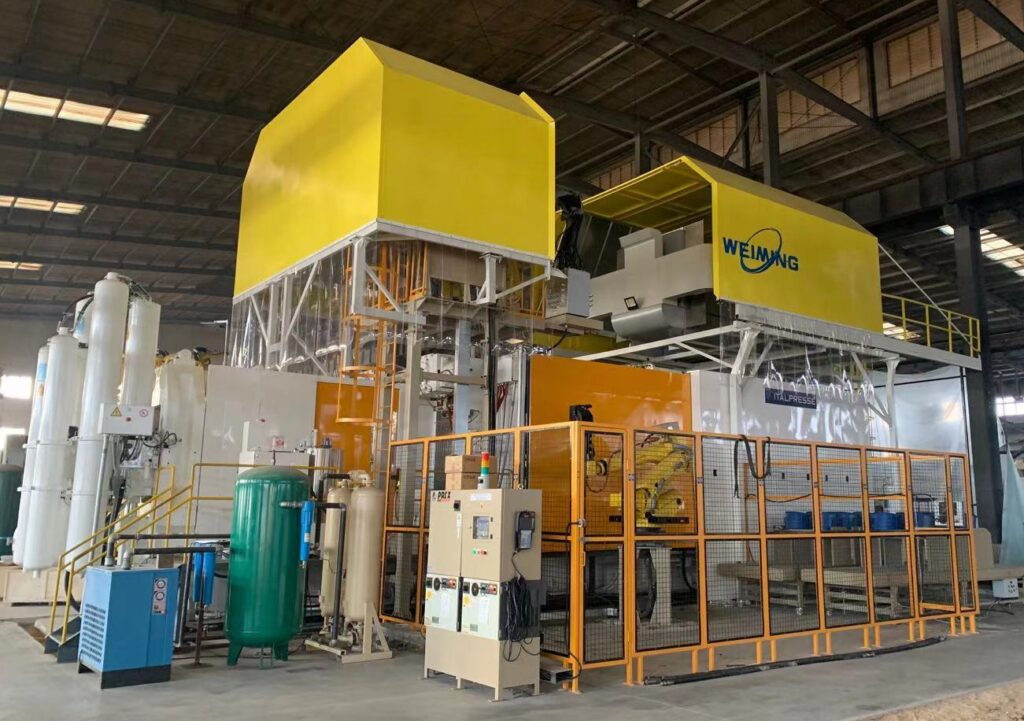
Die casting employs a variety of metals, each chosen for its specific properties and suitability for different manufacturing requirements. Aluminum and its alloy is one of the most popular materials in die casting. Its lightweight nature, coupled with excellent mechanical properties and corrosion resistance, makes it ideal for automotive, aerospace, and consumer electronics applications. […]
Semi-Solid Die Casting
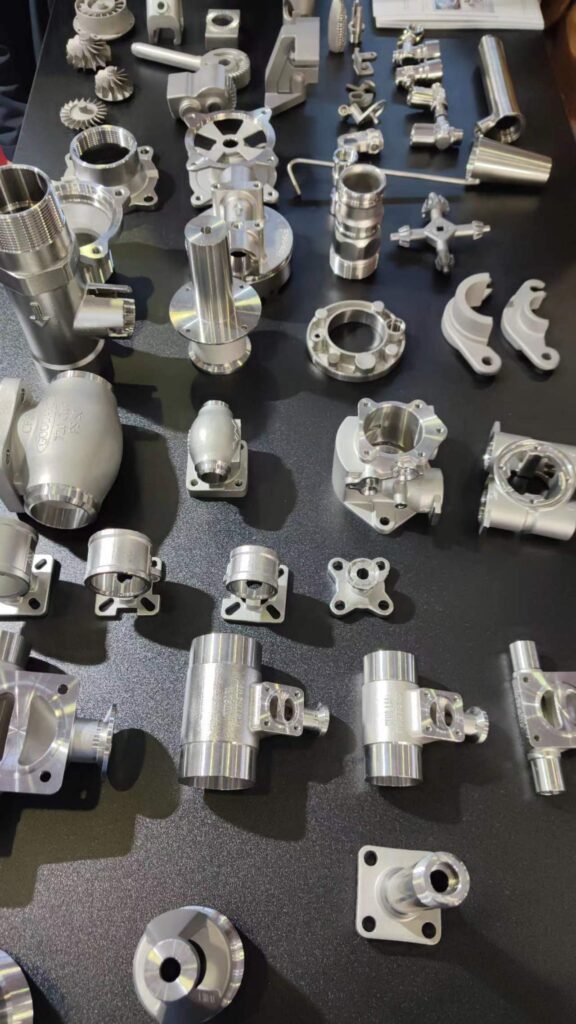
Semi-solid die casting involves the casting of alloys that are only partially melted to a slurry state. This state allows for better control over the flow into the mold, reducing porosity and allowing for stronger, more heat-resistant parts.
Squeeze Die Casting
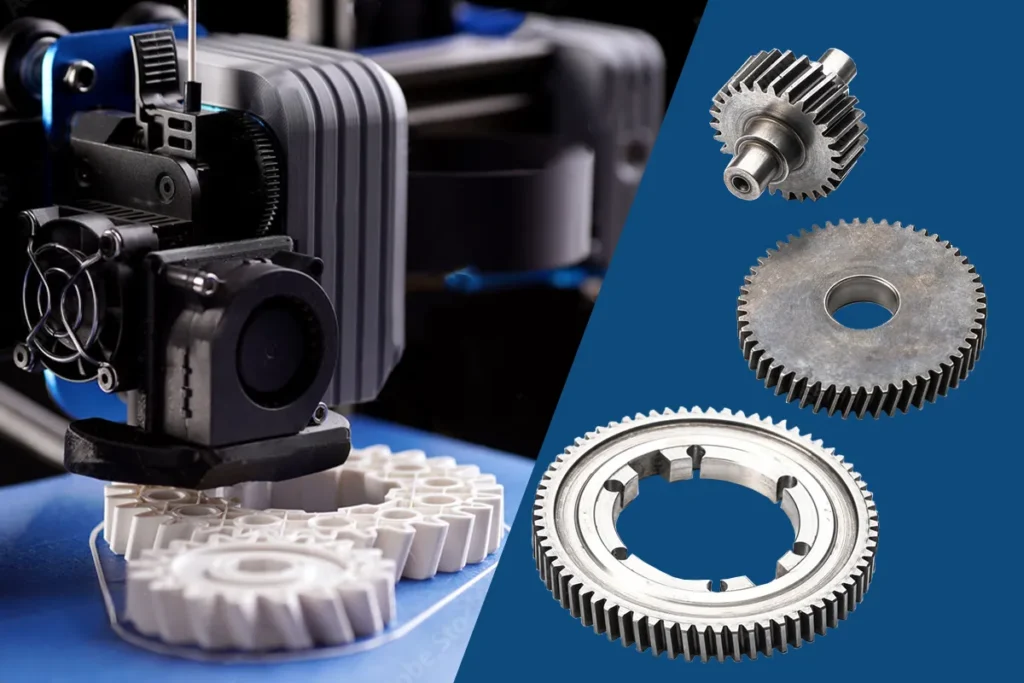
Squeeze die casting combines features of forging and casting by applying pressure throughout the solidification period of the metal. This method is perfect for components requiring high-density without gas porosity, offering improved mechanical properties over traditional casting methods.
A reliable and cost-effective way to produce high-quality metal parts
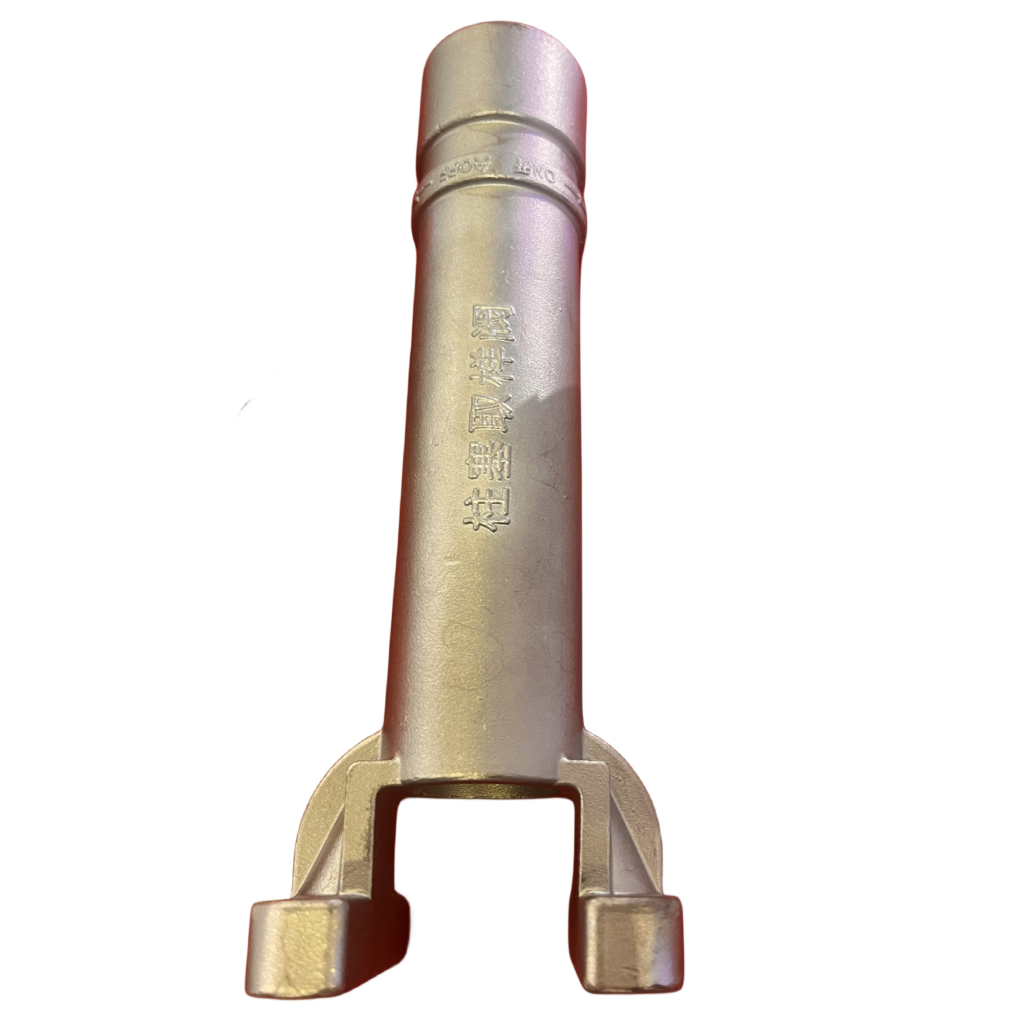
Investment casting, the ultimate solution for complex and precise metal shaping. Investment casting, also known as lost wax casting, is an ancient technique that has been refined and improved over the years. It uses wax patterns to create ceramic molds, which are then filled with molten metal to form the final parts. The wax patterns […]
Vacuum Die Casting
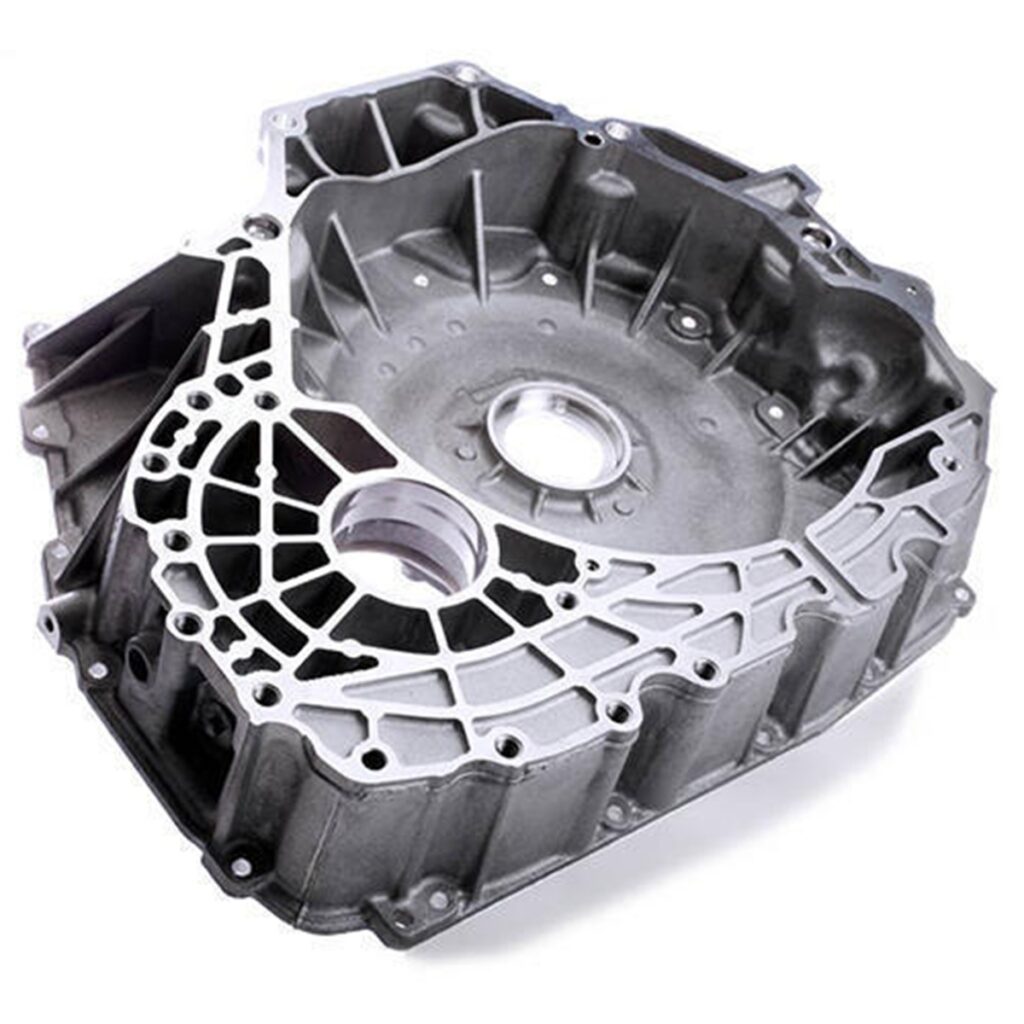
Vacuum die casting improves on the principles of high-pressure die casting by removing air from the mold chamber. This process reduces porosity and allows for the production of parts with even higher integrity, mechanical properties, and a cleaner surface, making it ideal for more demanding applications.
High-Pressure Die Casting
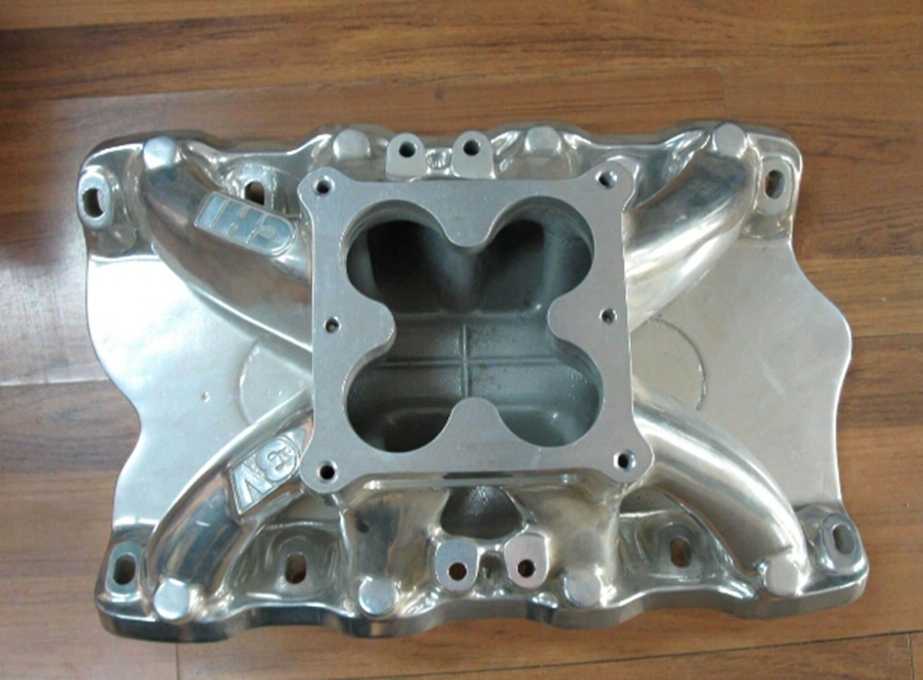
High-pressure die casting involves injecting molten metal into the mold at high speed and pressure-up to 25,000 psi. It’s the most widely used of the die casting methods, known for producing precise, complex shapes with tight tolerances and high-quality surface finishes, typically used for small to medium-sized parts.
Low-Pressure Die Casting

Low-pressure die casting is often used for components that require superior metallurgical quality and a good surface finish. It involves slowly injecting molten metal into the die from below, using controlled pressure. This technique is frequently chosen for making automotive wheels and other parts where porosity must be minimized.
Cold Chamber Die Casting
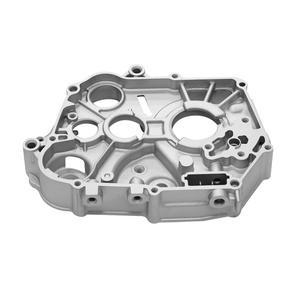
In cold chamber die casting, the molten metal is ladled into the machine’s injection system for each part, which makes it better suited for metals with high melting points, such as aluminum and copper. This method requires more time but provides enhanced structural integrity by minimizing the interaction between the molten metal and the machine […]
Hot Chamber Die Casting
Hot chamber die casting is ideal for metals with low melting points, such as zinc, magnesium, and some low-temperature aluminum alloys. The process involves a furnace that is part of the casting machine, with a piston that forces the molten metal into the die. Its main advantage is the quick cycle time, making it suitable […]