Benefits of Testing Fracture Strength in Manufacturing

Testing fracture strength in manufacturing offers several important benefits, including: Manufacturers can identify any weaknesses or defects that may lead to premature failure or breakage by subjecting materials to controlled loading conditions. Different materials have varying fracture strengths. Understanding their fracture behavior is crucial for choosing the right material that can withstand the anticipated loads […]
Challenges Faced in CNC Machining Aluminum Parts
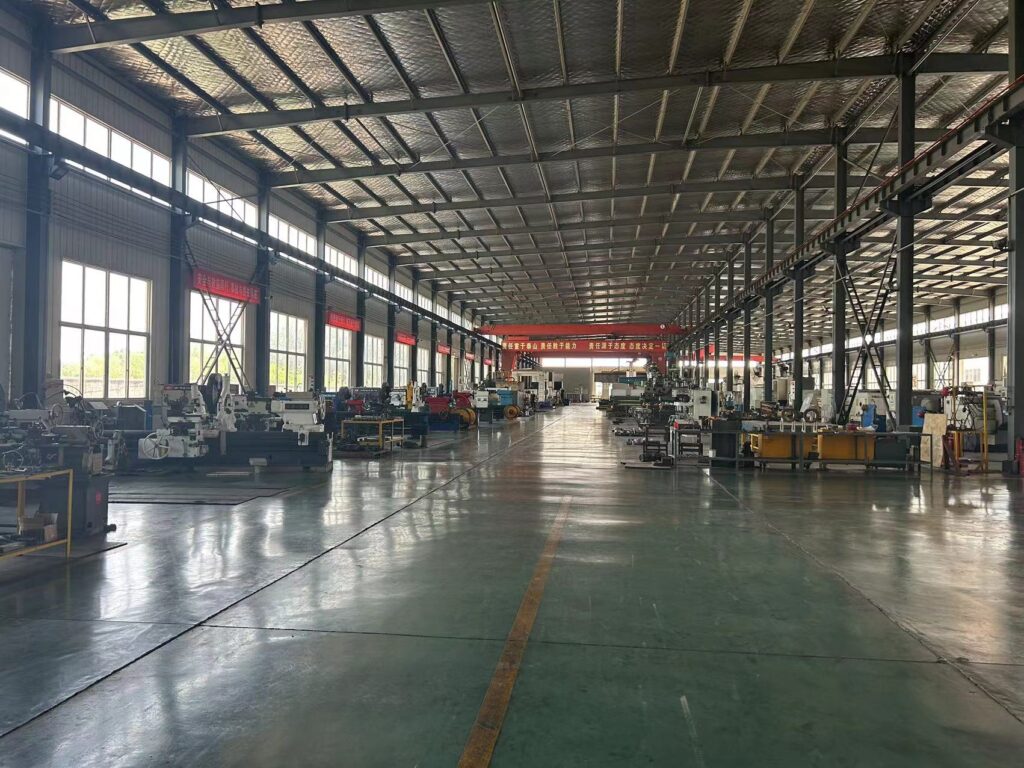
The process of CNC machining aluminum parts is associated with a number of challenges that might hinder the quality and efficiency when manufacturing such products. However, one major concern is heat conductivity of the material since it may result in thermal deformations and tool wear at high speeds. This is difficult though due to the […]
Tests To Determine Fracture Strength
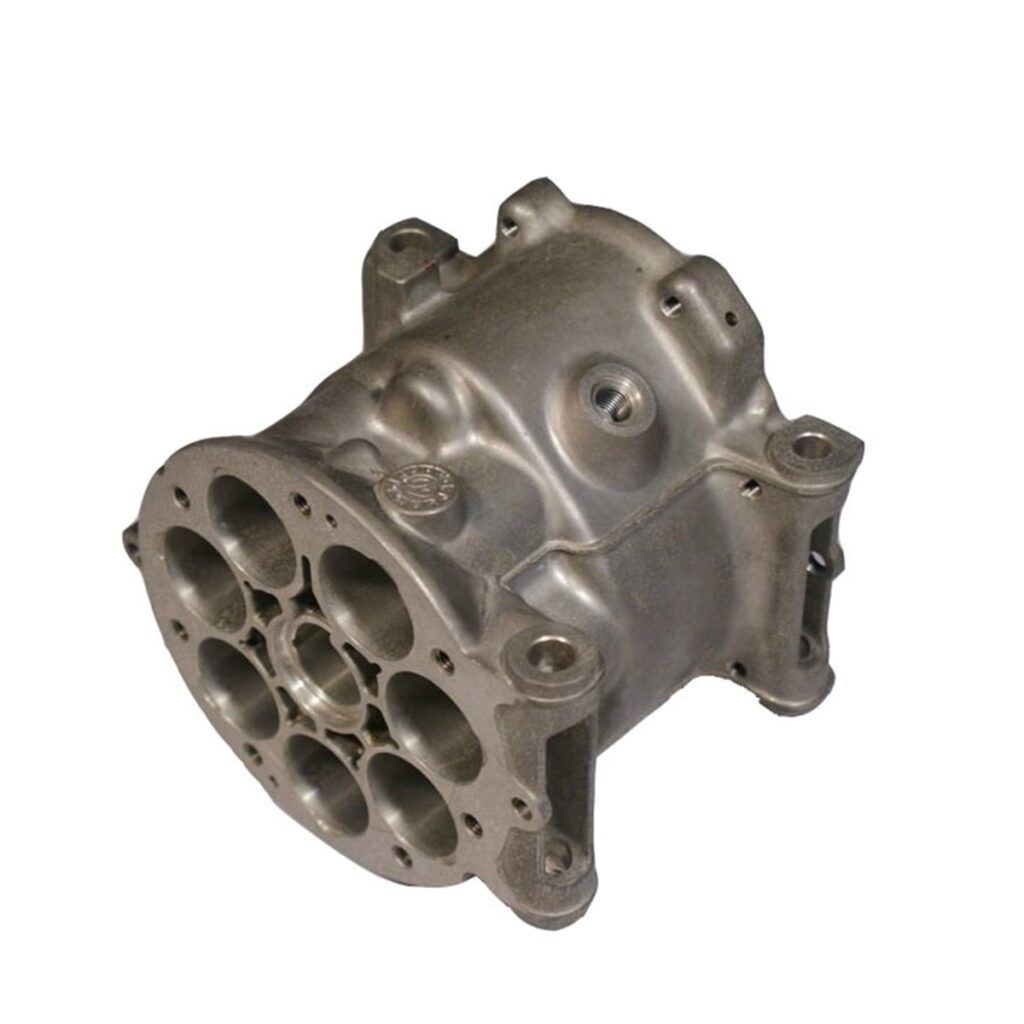
Fracture strength is generally tested in three “pure” forms, with the interpretation of the crossovers between these loading scenarios being a complex design process issue. Listed below are the most common tests: Tensile Test:In a typical tensile test scenario, a standardized “necked” (not notched) “dog bone” of the material is loaded axially, in pure tension. […]
Components Make Up a CNC Milling Machine
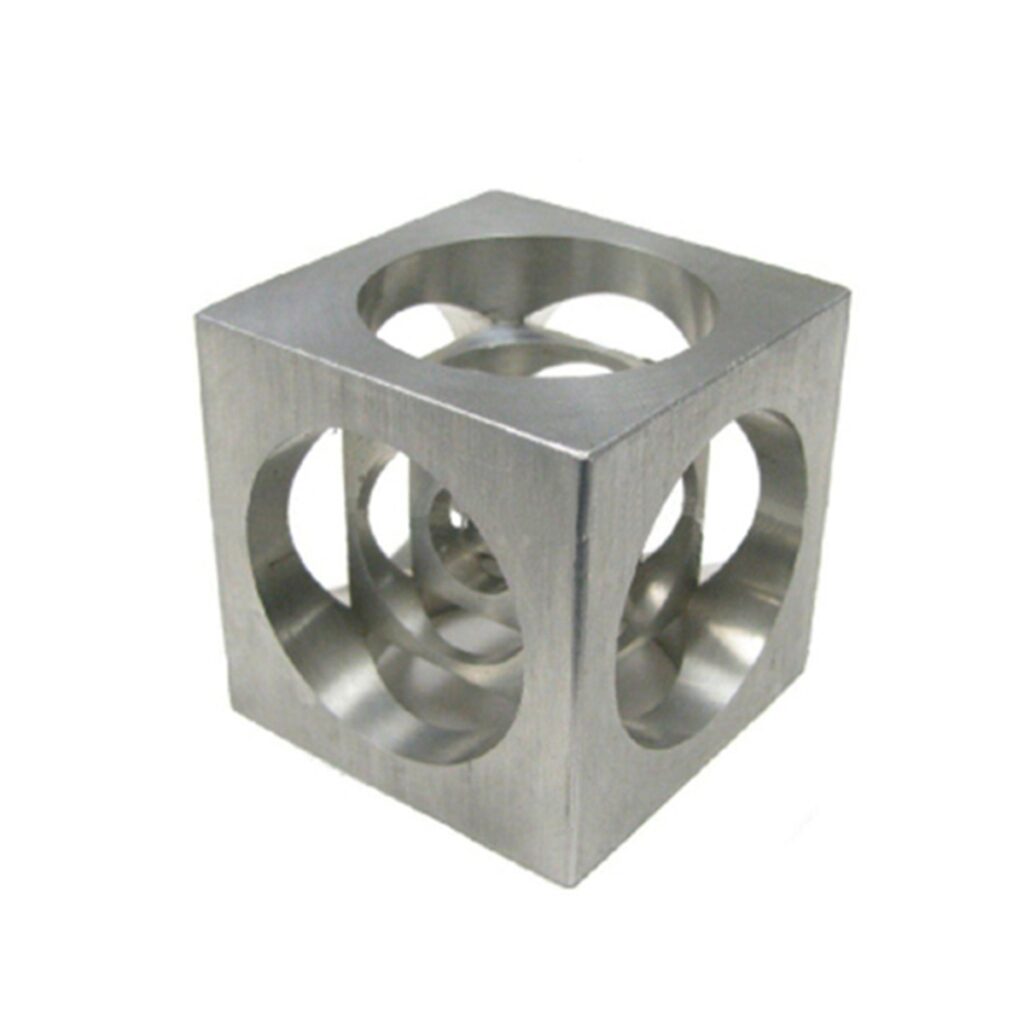
You can broadly categorize a CNC milling machine into eight main components. Further detailed subdivisions are quite complex, and we won’t delve into them here. Worktable Spindle Tool Holder Control Panel Axis Movement System (X, Y, Z axes) Drive Motors CNC Controller Coolant System
Modes of Fracture in Materials
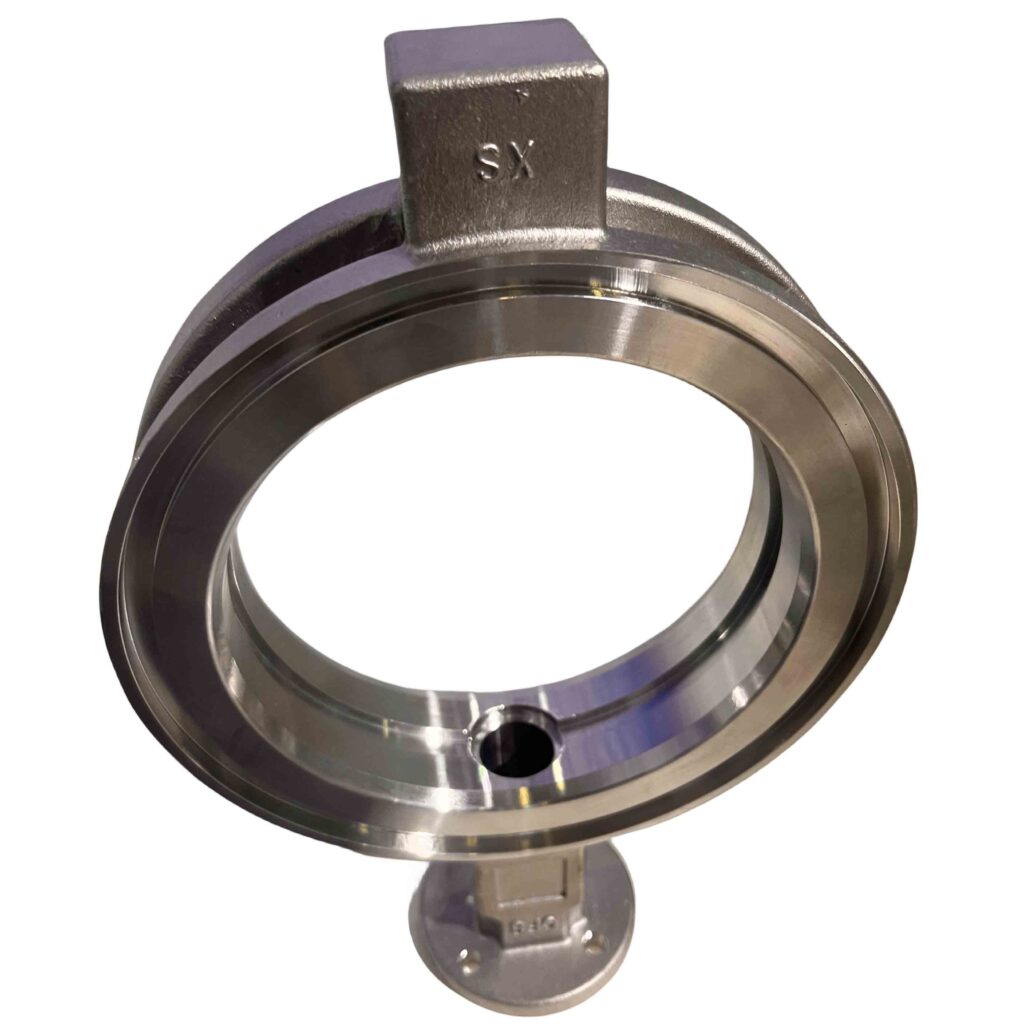
Fracture strength is designated according to the mode of applied loading: tensile, compressive, or bending. The mechanics of tensile, compressive, and bending fractures involve various stress distributions and failure mechanisms. Tensile fracture occurs when a material is subjected to an external force that tensions it along a single axis of load, up to the failure […]
Benefits of CNC Machining Aluminum
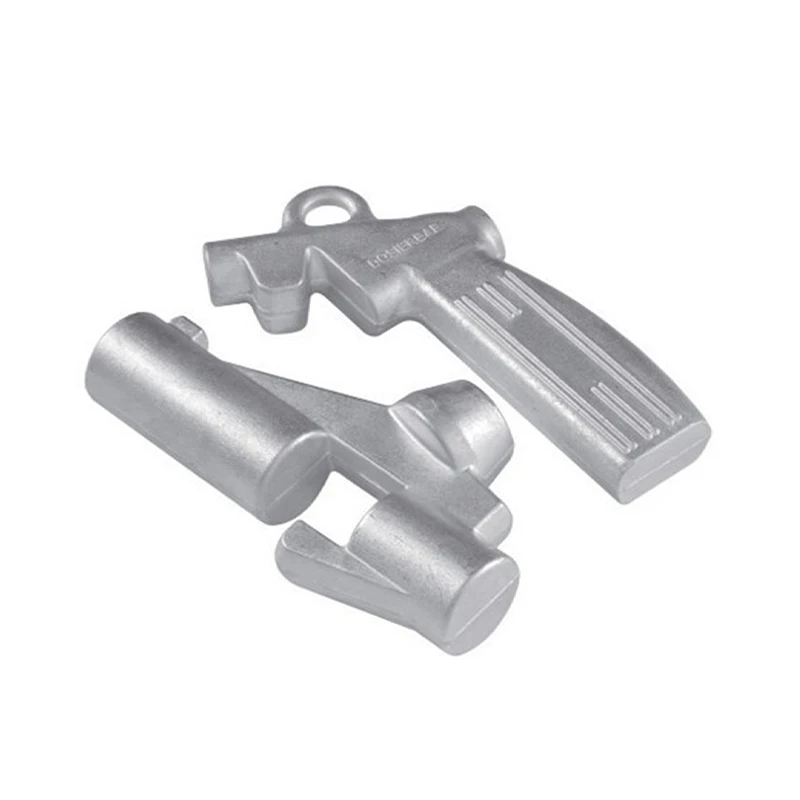
CNC machined aluminum parts carry quite a few benefits and advantages, when you come to think of it. Let us share some of these that you could or could have not yet realized. Excellent machinability or workability property, especially earlier series They have superior strength-to-weight ratio They are flexible in temperature levels – can be […]
What Is Fracture Strength?
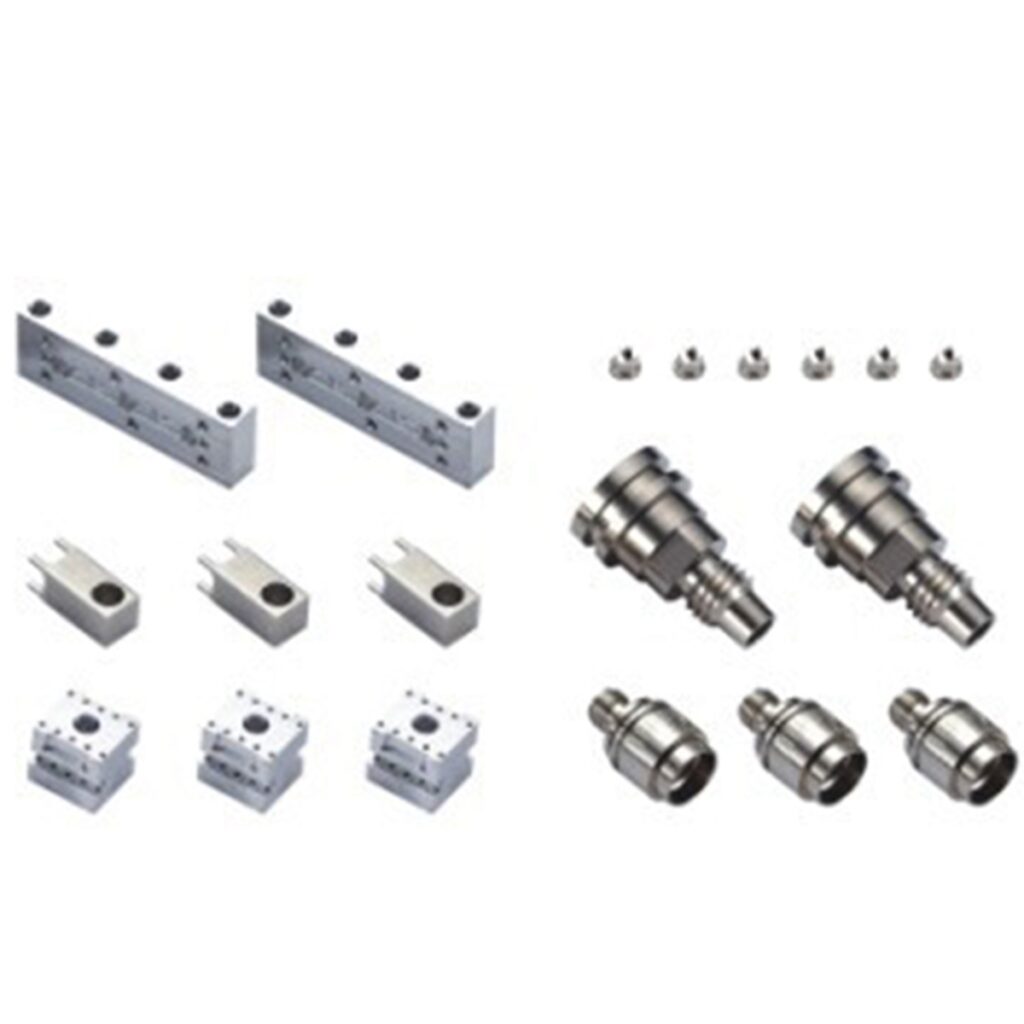
Fracture strength refers to the maximum stress or loading that a material can withstand before it undergoes a catastrophic failure by fracture. It defines the material’s ability to resist crack-based failure under an applied load. Fracture strength is typically expressed in units of pressure, such as pounds per square inch (psi) or pascals (Pa). The […]
Pressure Variations vs. the Final Product
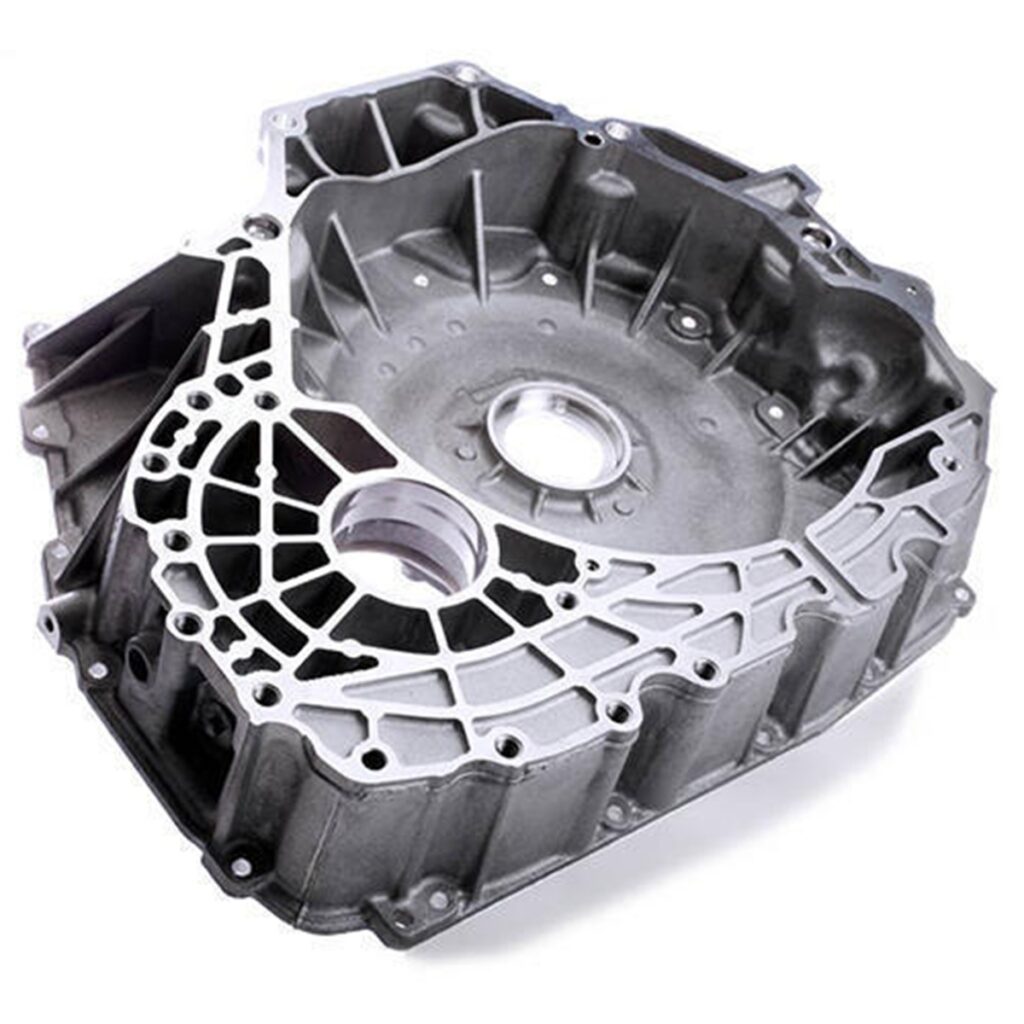
Put simply, variations in pressure during the die-casting process will directly impact the final product, both in quality and in its characteristics. If the pressure is too low, the molten metal might not fully fill the mold, leading to parts that are incomplete or lacking detail on the surface. They could also come out weaker […]
CNC Techniques for Machining Aluminum Parts
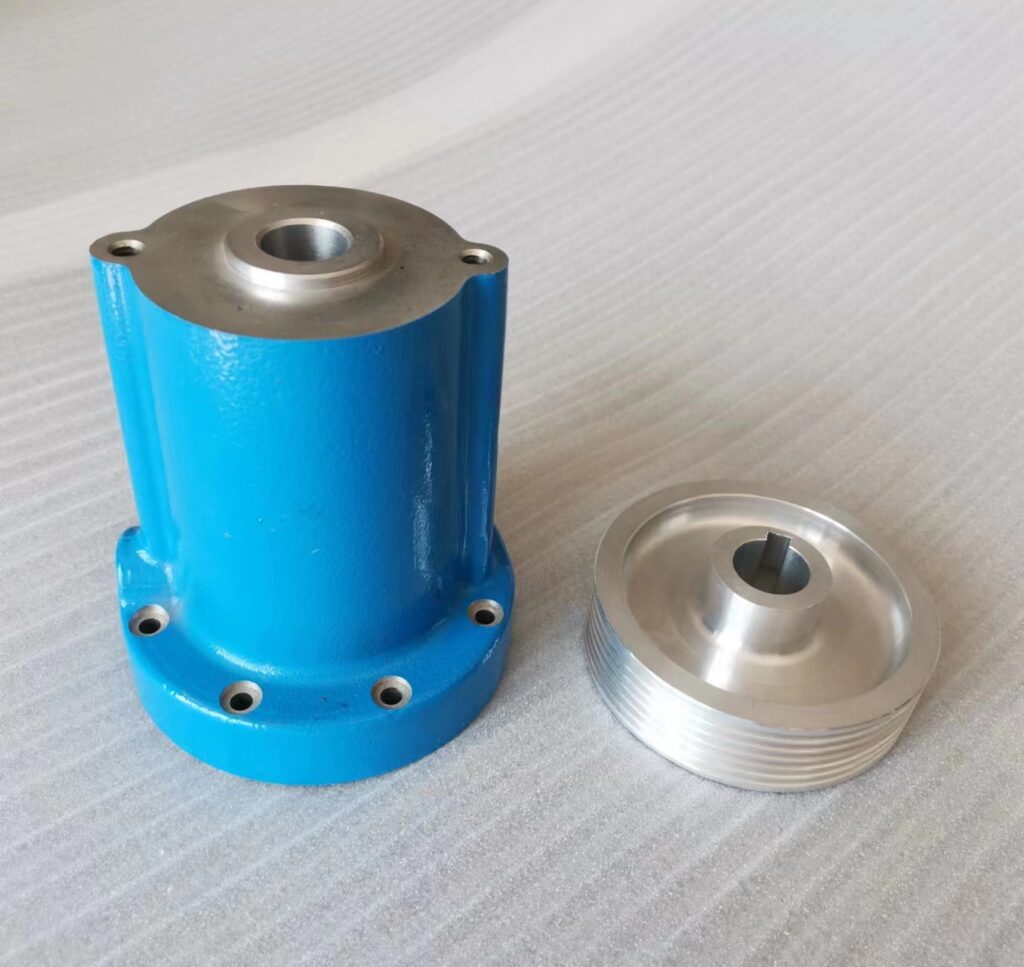
The CNC machining processes for aluminum parts include numerous very accurate type techniques which comprise milling, turning, drilling tapping engraving high speed and 5-axis as well as EDM. These strategies guarantee the secure and streamlined production of various details such as intricate shapes, defined holes threads or patterns that may be tailored to preferences. CNC […]
The Impact of Wall Thickness
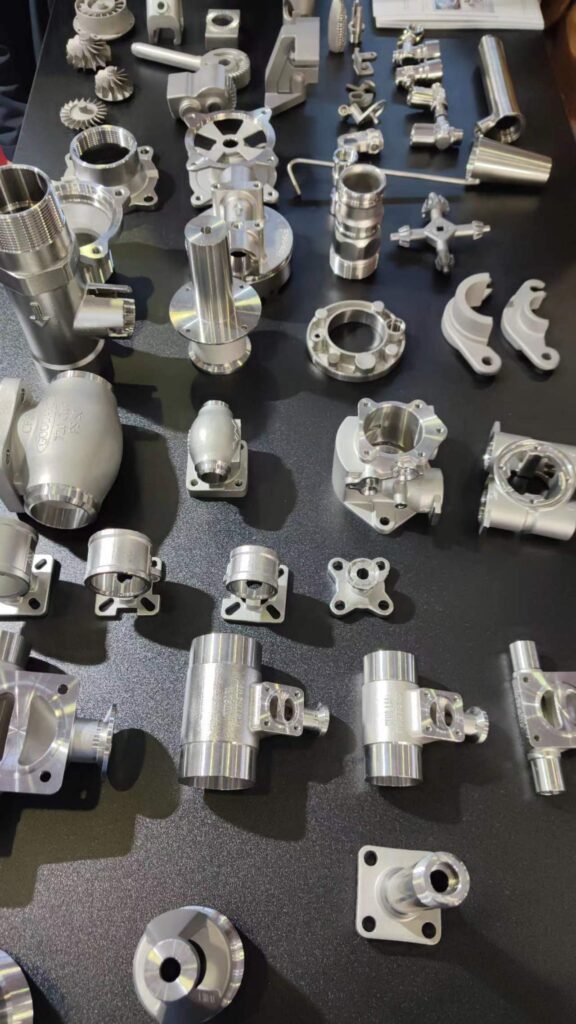
Wall thickness has a significant impact on the pressure die-casting process. Thinner walls mean the part can cool and solidify faster, leading to lower cycle times. It requires a lot of control over the injection pressure and speed to make sure the mold is completely filled and no defects arise. There’s also the danger of […]