Tempering
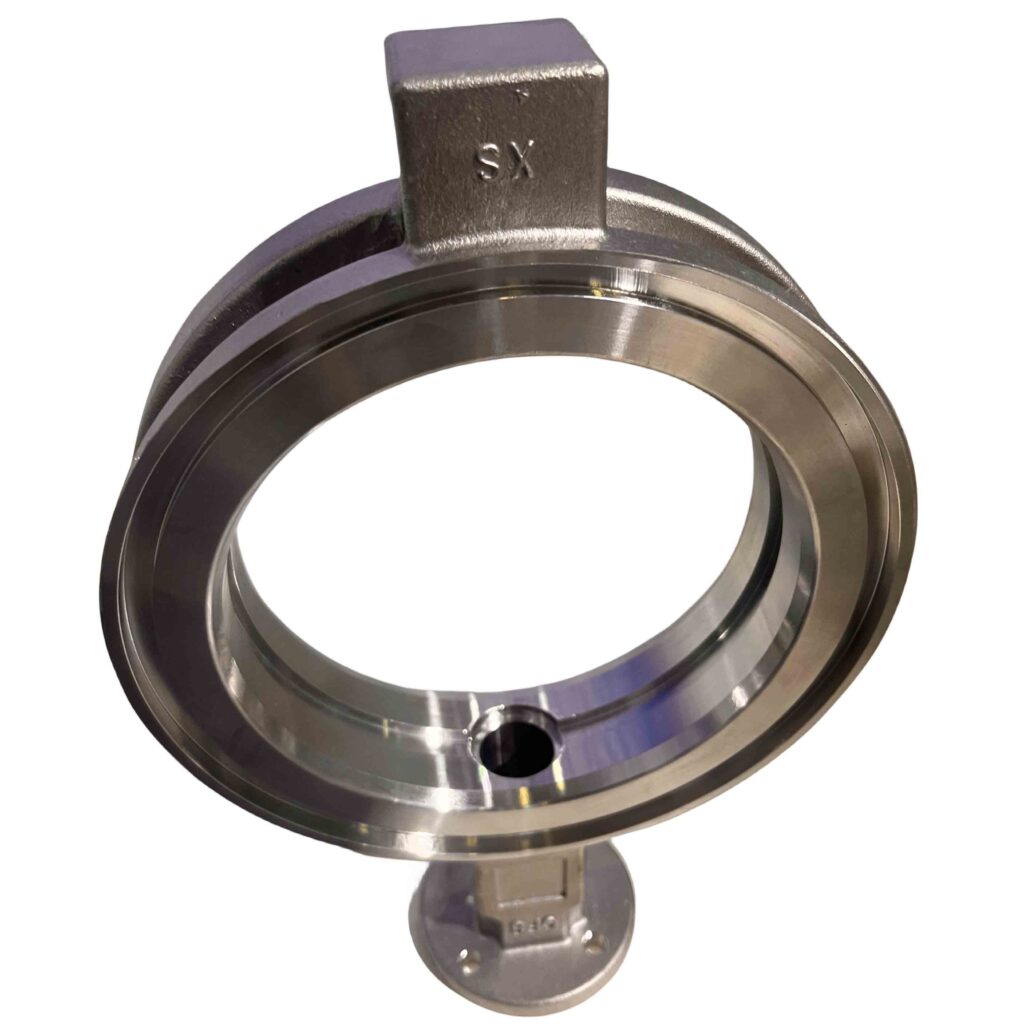
Heating metal to a temperature below its critical point to lessen the brittleness while not compromising the material’s hardness. Tempering is successful in alleviating stresses caused by quenching. Its outcome comes with a component that has perfect combinations of firmness, toughness, and durability.
Electroplating Limitations
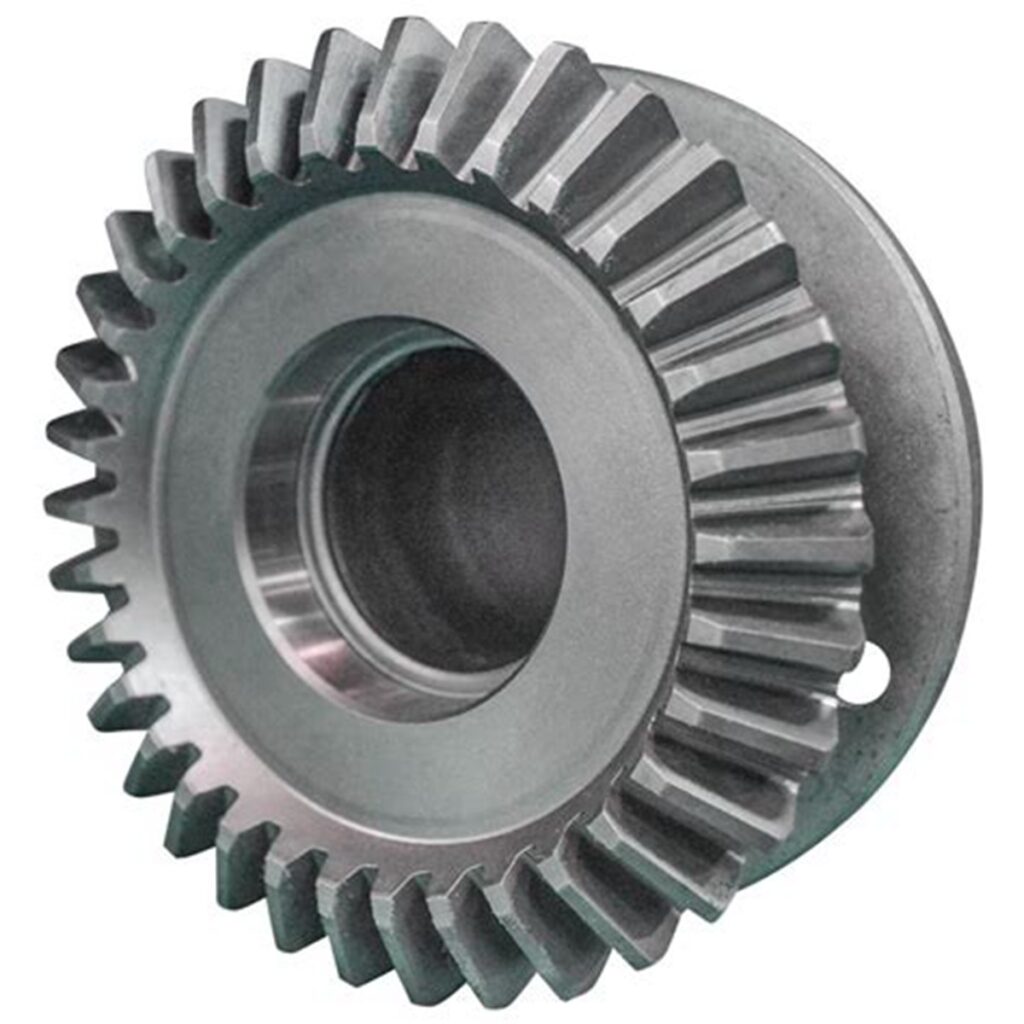
Electroplating is not without its disadvantages and limitations. Some of those limitations are listed and described below: Time-Consuming Electroplating can be a time-consuming process that can be a process bottleneck for manufacturers, leading to long lead times for products. The desired coating thickness has a large impact on the electroplating process time. Additionally, if multiple […]
Annealing
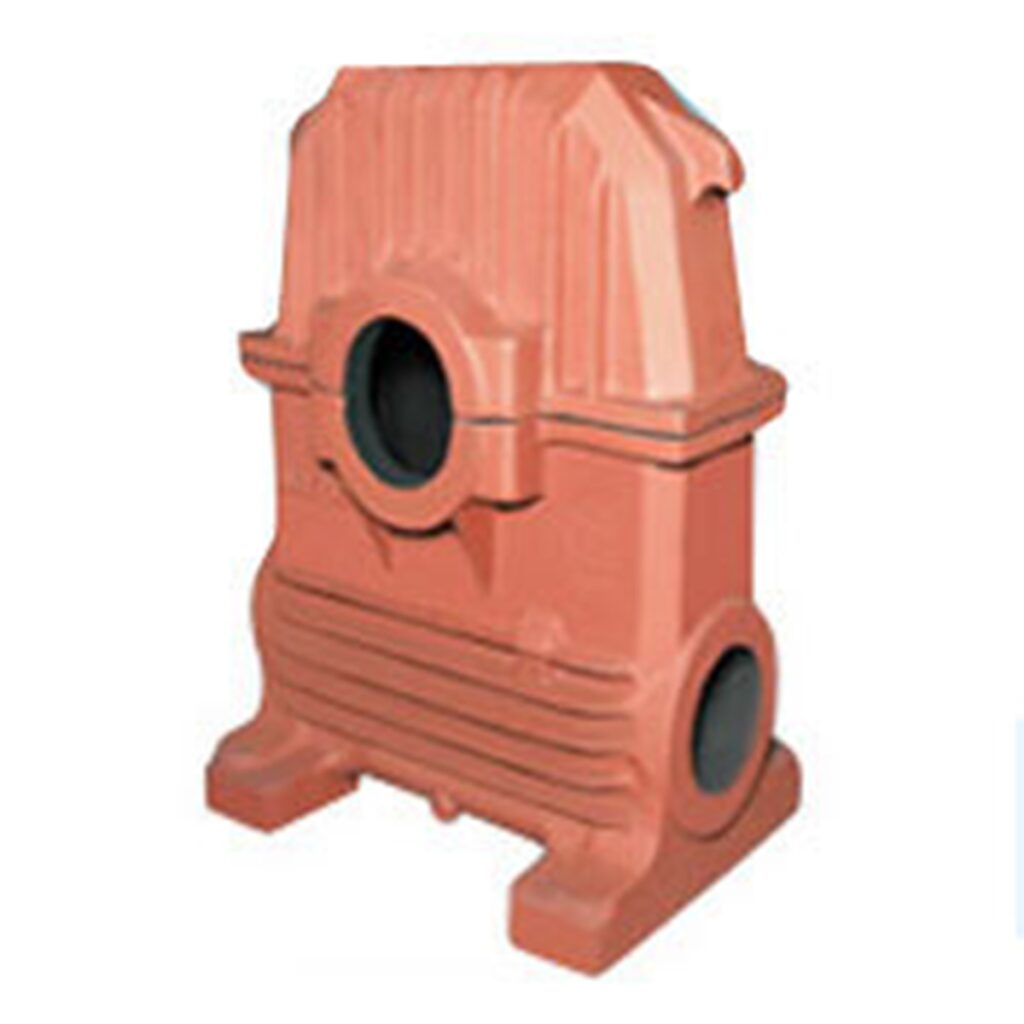
This makes metals effective in any shape by heating them to a high temperature. It boosts ductility and lessens the firmness of the material for it to be more practicable. Annealing has 3 stages, those are: Recrystallization Stage: warming up a material exceeding its recrystallization temperature, but lower than its melting phase. Grain Growth Stage: […]
Electroplating Benefits
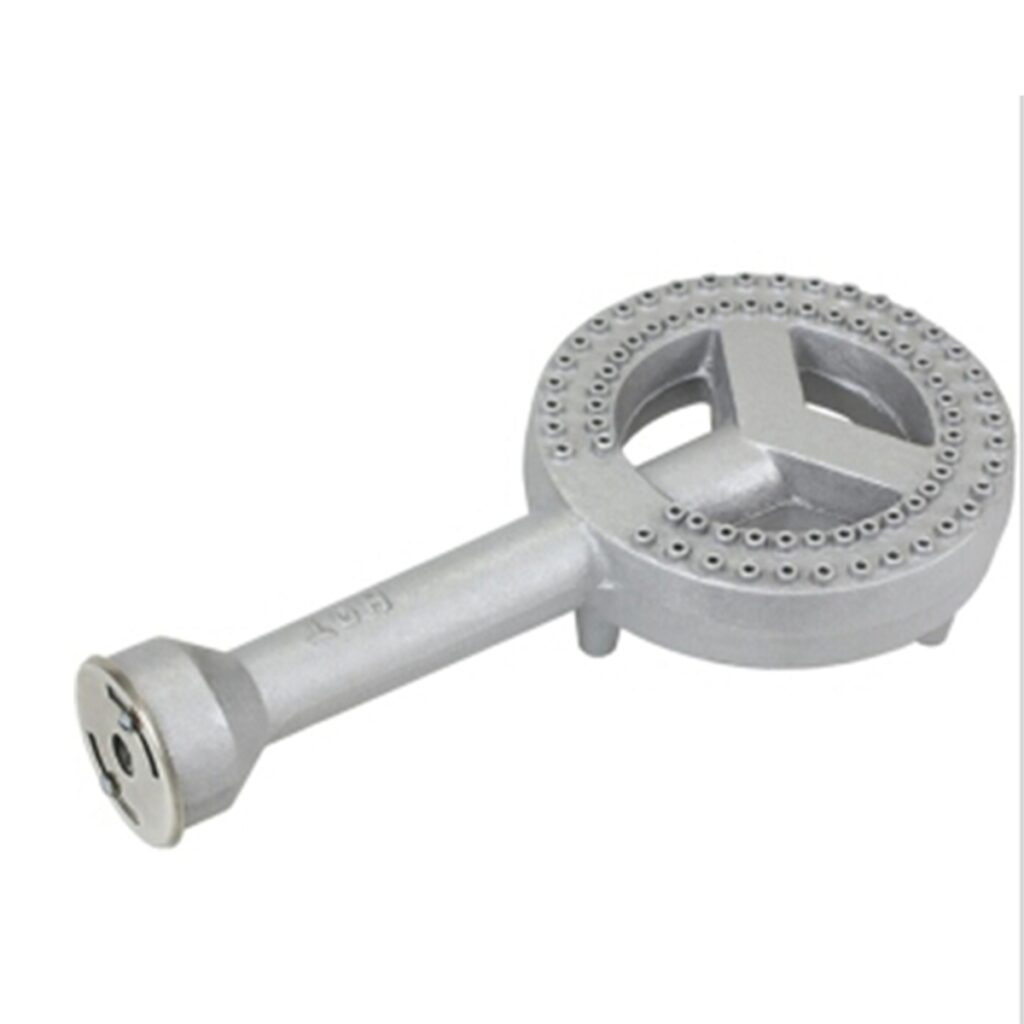
Electroplating offers many benefits beyond a beautiful surface. These benefits are listed and described below: Temperature Resistance Metals commonly used for electroplated coatings, such as gold and nickel alloys, can withstand extremely high temperatures due to their high melting points. Depending on the substrate material and the coated metal, electroplating can effectively improve the substrate’s […]
Hardening
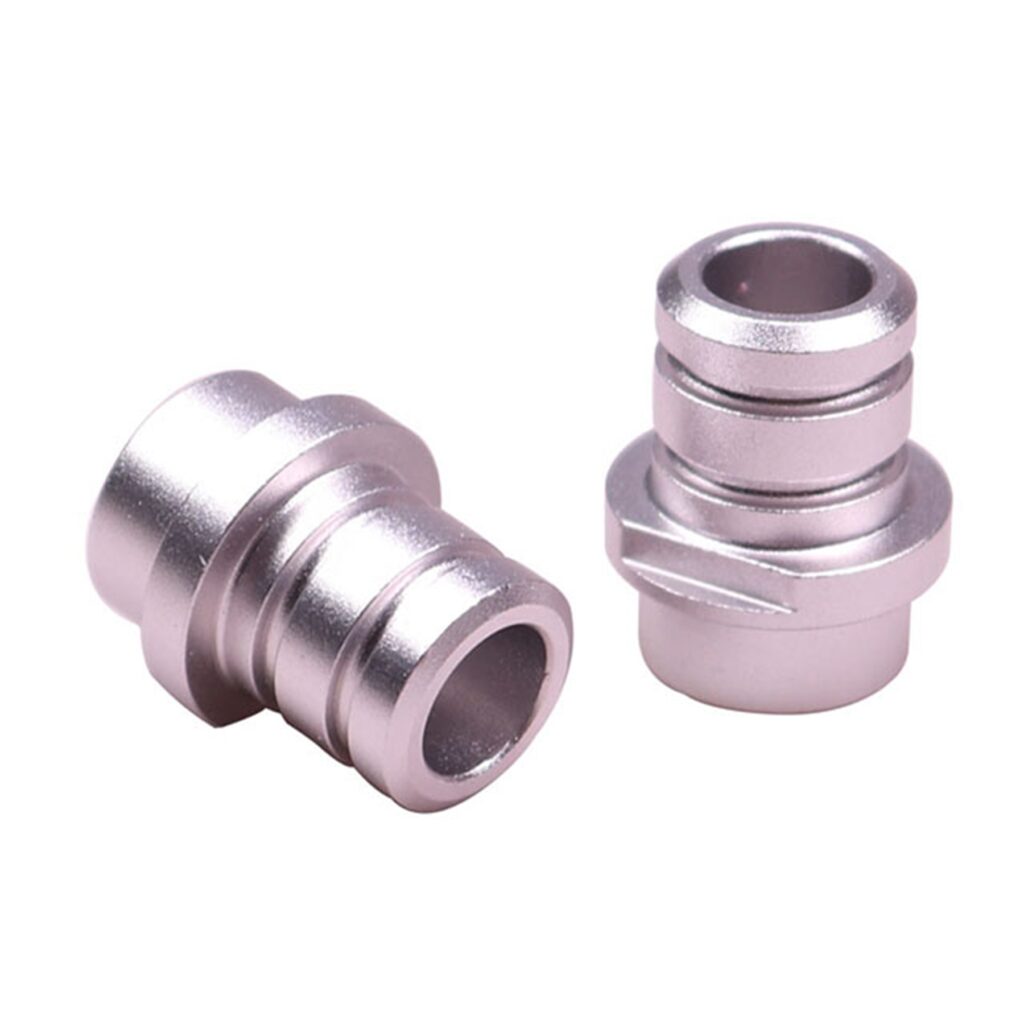
It affects the part’s overall durability. It is where the metal is heated and put out quickly once it reaches the demand properties. Flame Hardening: benefits in gas flames that approach the surface directly to create a solid surface coating. Induction Hardening: it is used for high-volume productions of poles and equipment. Greater induction number […]
Electroplating Materials
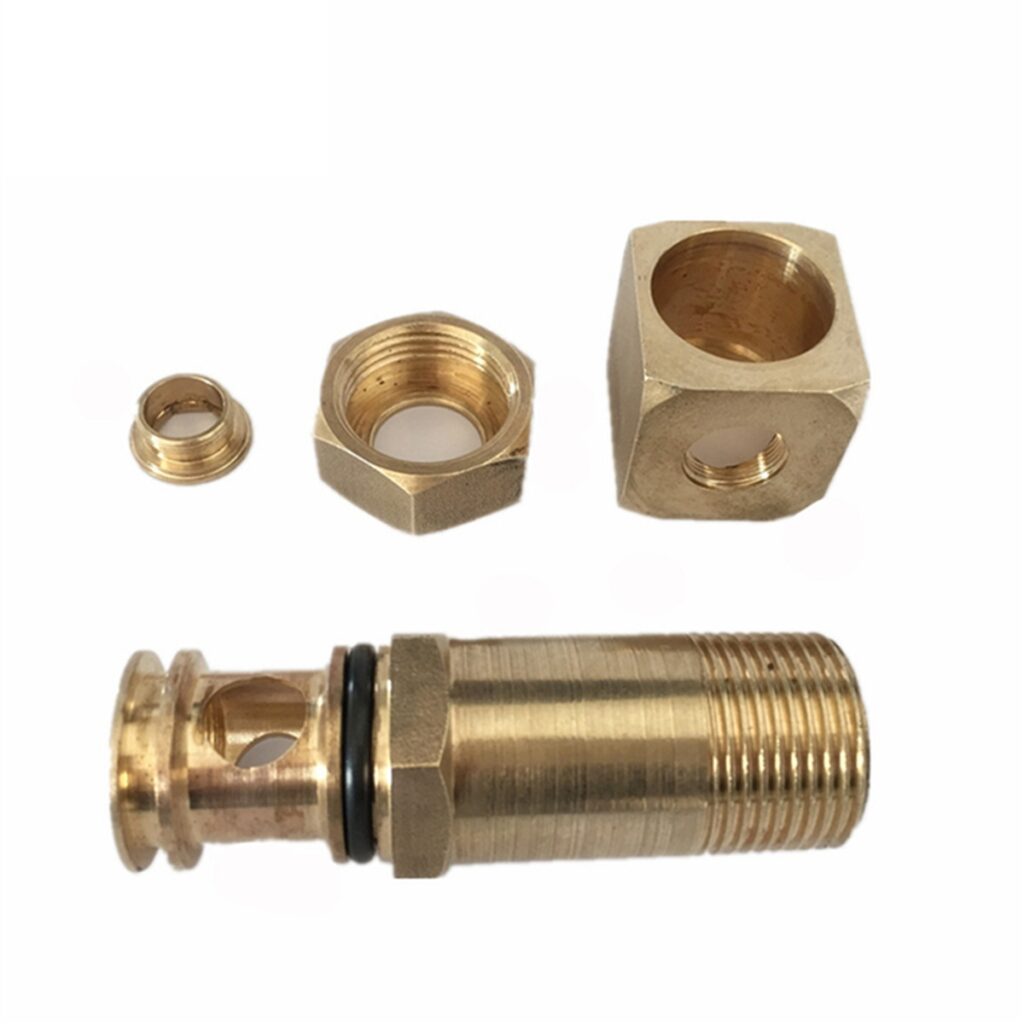
Electroplating is compatible with many different metal substrates, and some non-metals – plastics, for example. It can be a great method for increasing hardness or improving corrosion and wear resistance. Some of the materials that are compatible with electroplating are listed below: Brass: Brass is often used in electroplating processes to create corrosion-resistant, decorative finishes on […]
Finishing Options for CNC-Milled Parts
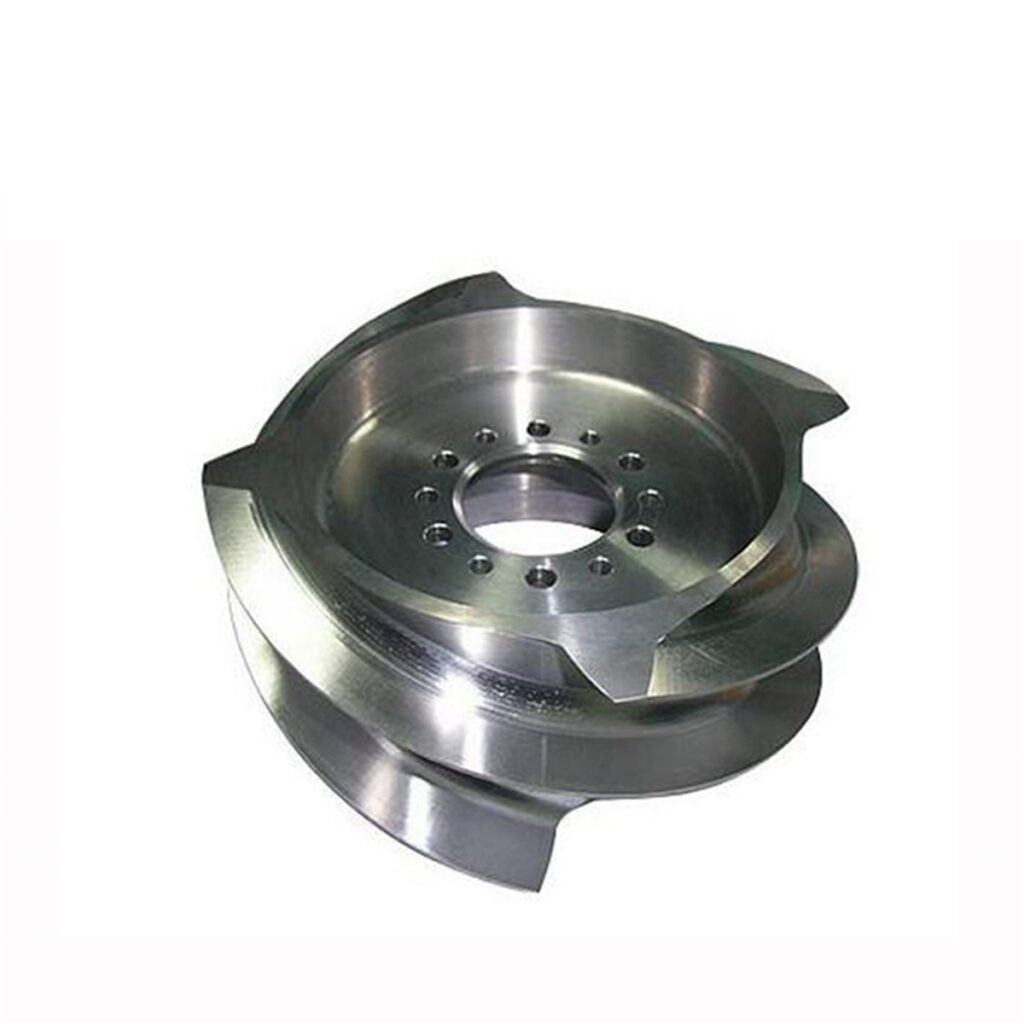
CNC-milled parts can undergo various post-processing and finishing techniques, including sanding, polishing, anodizing, or painting, depending on the material and the desired appearance of the final product.
Applications of CNC Milling in Various Industries
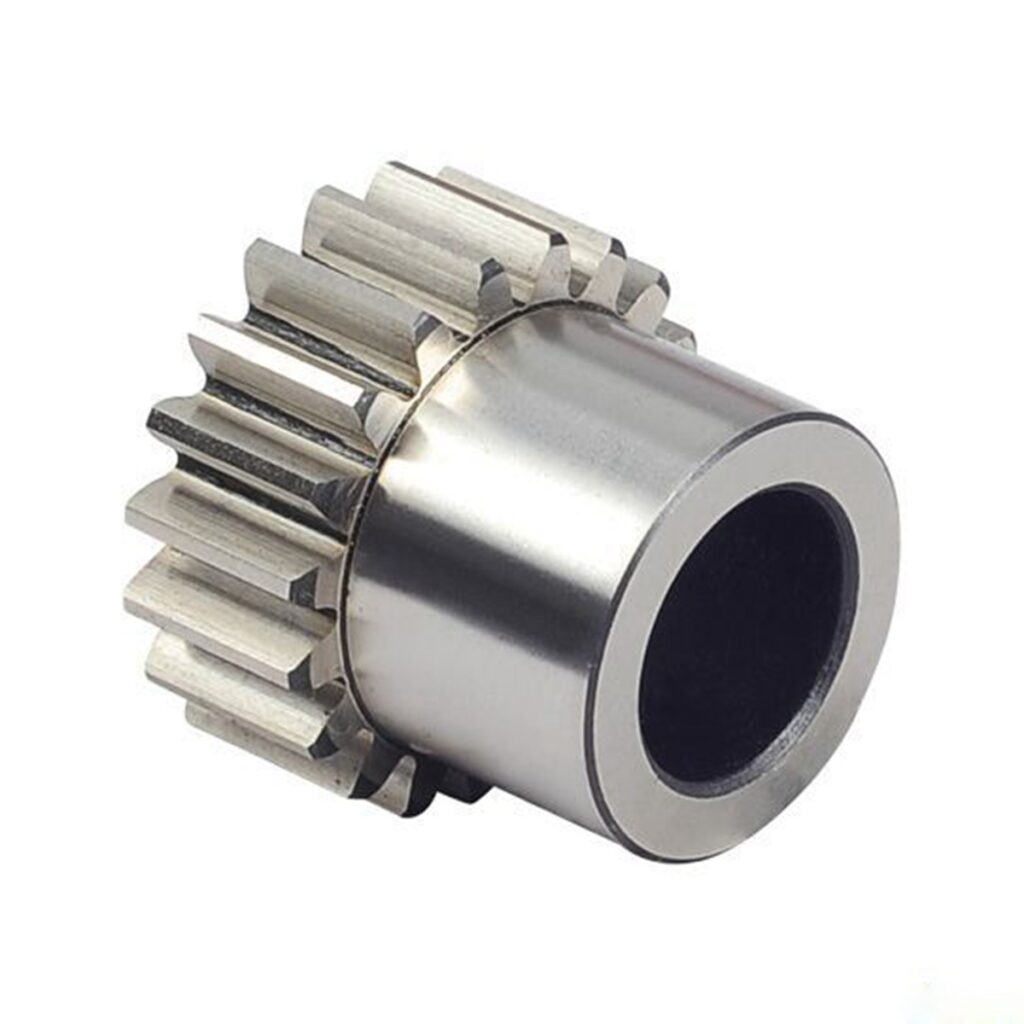
CNC milling plays a pivotal role in various industries, with primary applications including: Aerospace: Aircraft components, engine parts, and structural elements. Automotive: Engine blocks, transmission components, and intricate parts. Manufacturing: Molds, dies, and custom components. Medical: Implants, prosthetics, and surgical instruments. Electronics: PCB fabrication. Defense: Military equipment and weapon parts. Woodworking: Furniture, cabinetry, and crafts. […]
Electroplating Methods
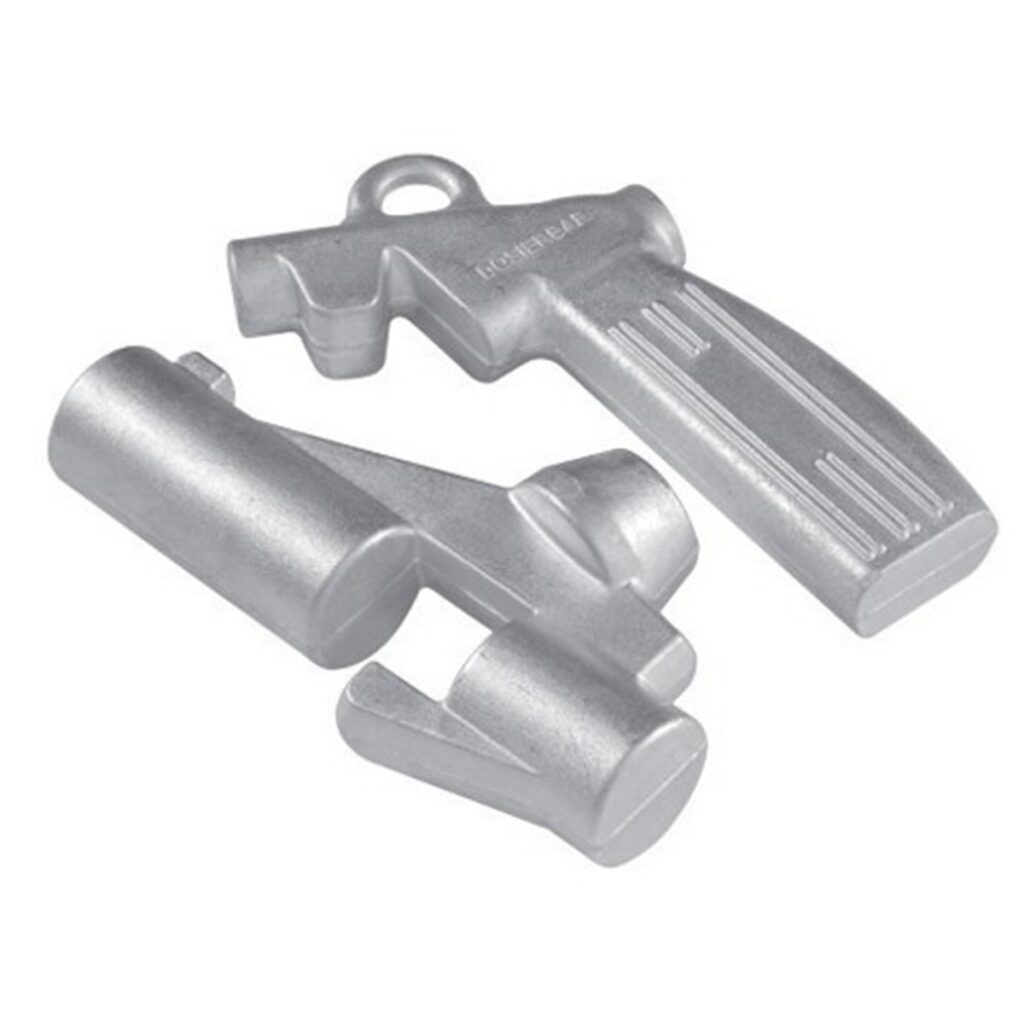
There are a variety of electroplating methods that can be used to deposit metals onto a substrate. The preferred electroplating method depends on the application and on the geometry of the part. The various electroplating methods are listed and described below: Barrel Plating Barrel plating is a form of electroplating used to achieve uniform plating […]
Electroplating Services
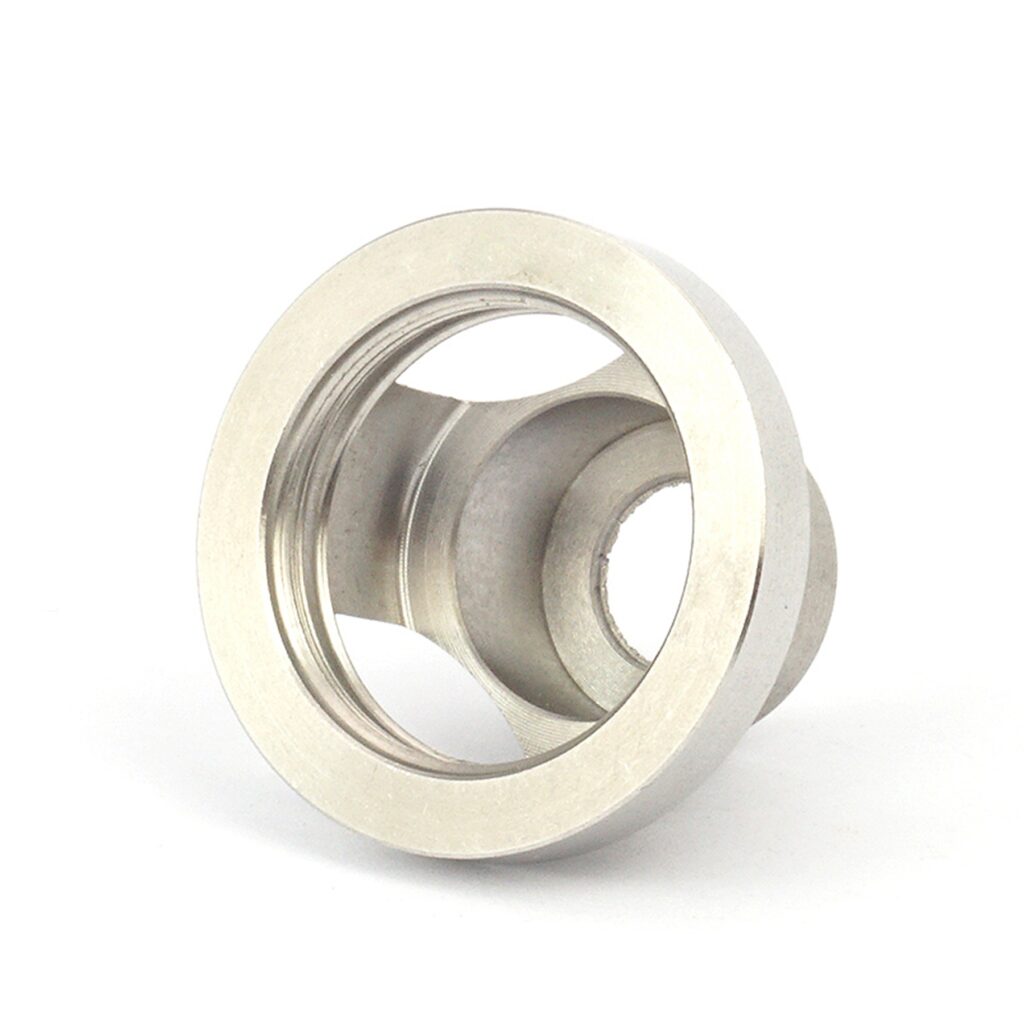
Electroplating is a widely used surface finishing technique that plays an essential role in the function and performance of parts in many industries. It is a cost-effective process that enables manufacturers to blend the hardness, electrical properties, abrasion, temperature and corrosion resistance, and the appearance of a particular metal in a material that otherwise lacks […]