Custom Forging Process for Metal Parts

Requirement Analysis and Process Design Requirement Analysis: Engage in detailed discussions with the client to clarify the operating environment, performance requirements, dimensional accuracy, surface quality, and other specifications of the metal part. Process Design: Select the appropriate forging process (free forging, die forging, precision forging, etc.) based on the requirements, and develop a detailed process flowchart. Determine […]
Finishing Options Suitable for CNC Machined Parts
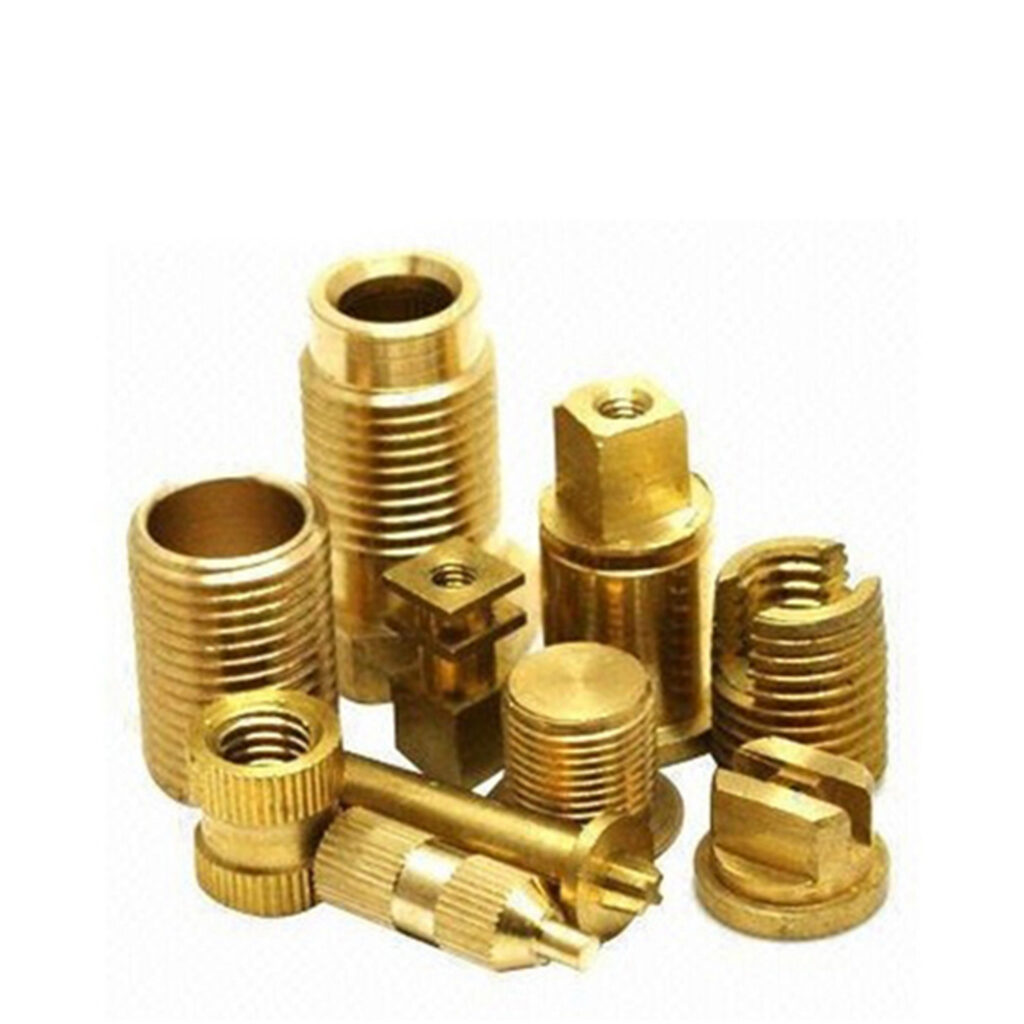
As finishes for CNC machined parts, there are numerous finishing options to create various aesthetics and features while including the desired performance characteristics. The selection of finishing option is based upon the nature of part material, its purpose and appearance expected thereof. Here are some common finishing options for CNC machined parts: Anodizing: Suitable for […]
Powder Coating
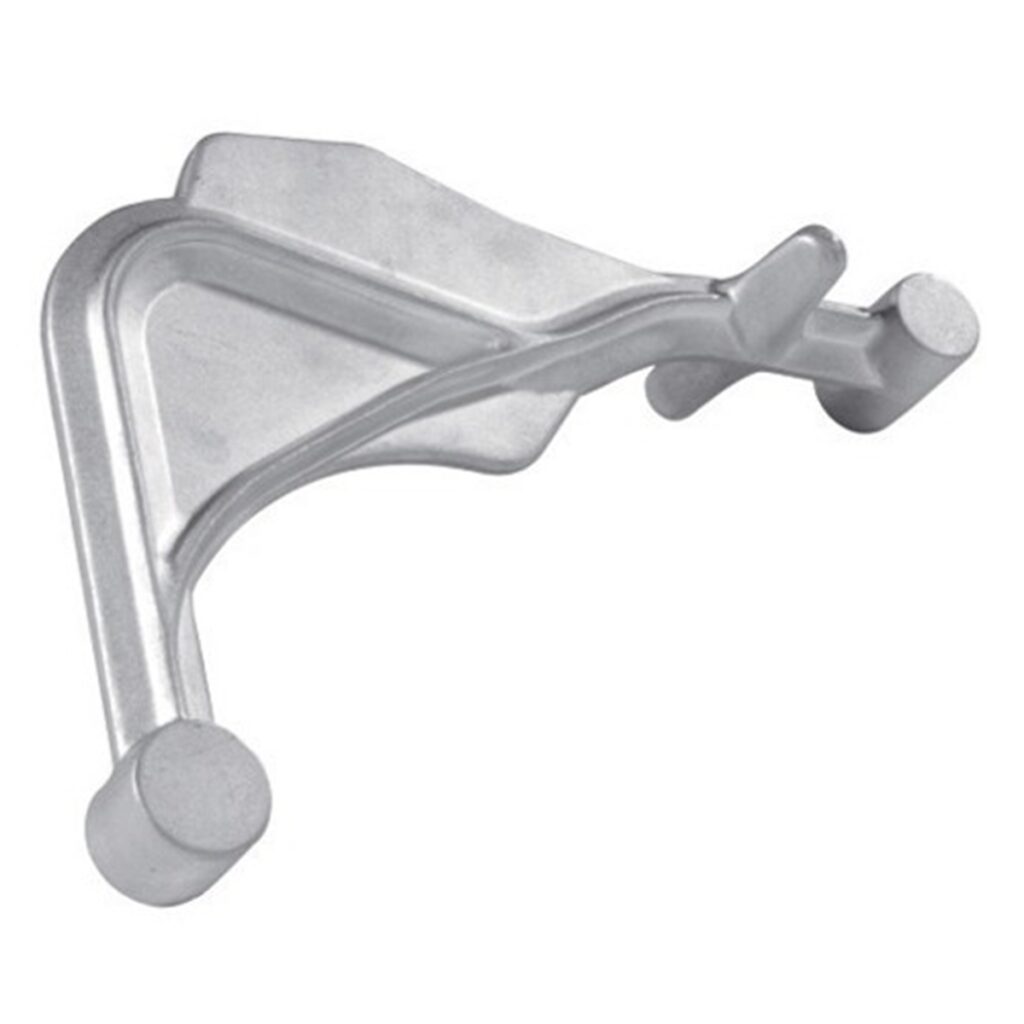
Provides a continuous, protective color finish on parts using evenly applied, heat-cured paint. Thickness is usually .006”-.012” and conforms to ASTM D7803 and various MIL and FDE specifications. Various colors and sheens can be chosen.
Titanium Used in 5-Axis CNC Machining
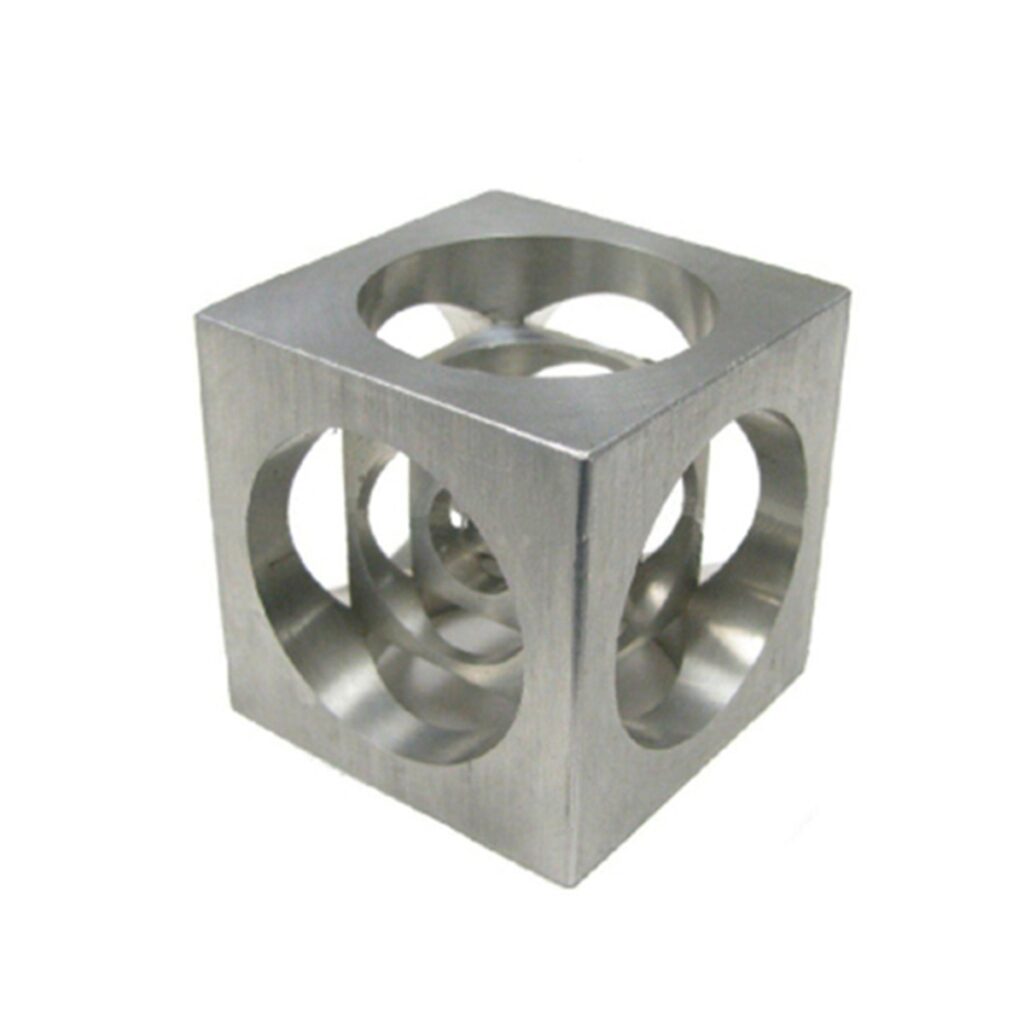
Titanium is perhaps one of the most difficult materials to machine. However, with the high skill level, we make it possible to machine Titanium. Therefore, with the help of the 5-axis machine, we can make unique and complex parts with Titanium. Mostly, titanium parts have a great application in the manufacturing of medical parts. Therefore, […]
Aluminum Alloys Used in 5-Axis CNC Machining
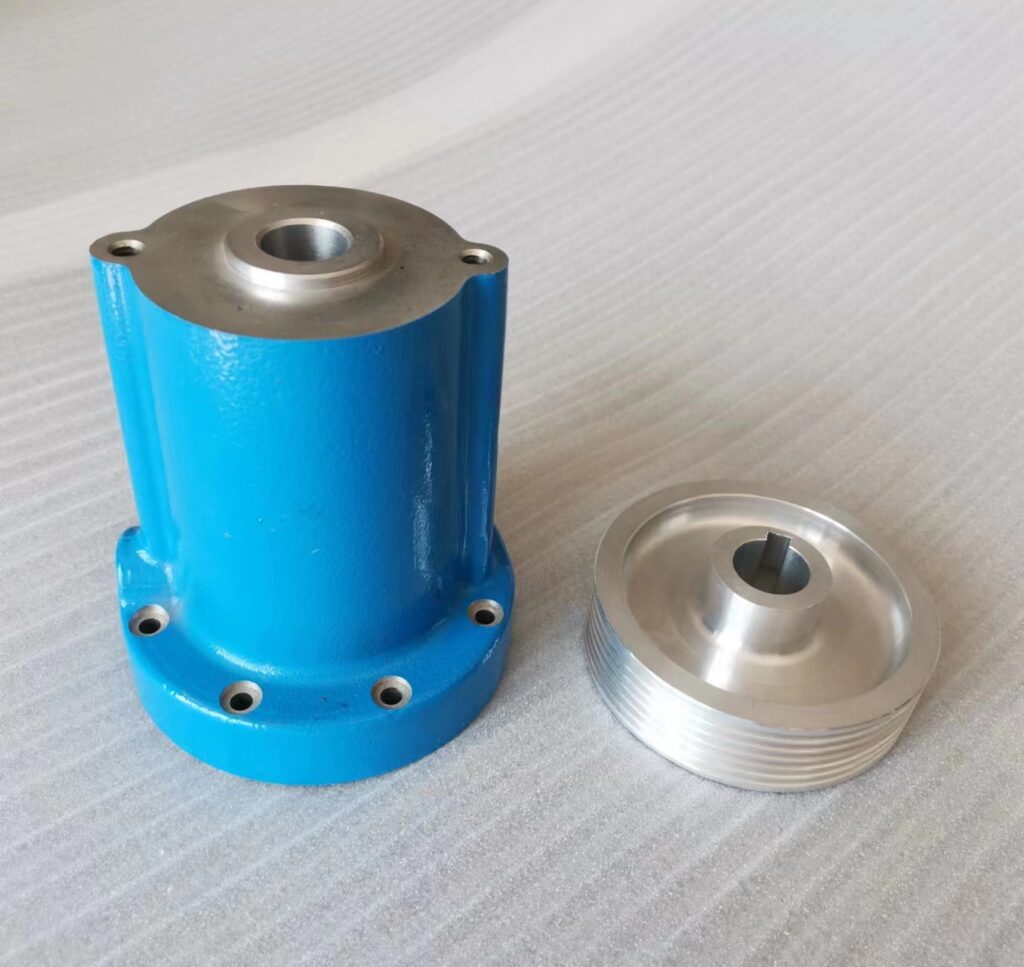
Aluminum alloys are the most sought-after materials in the aerospace and automobile industry. Furthermore, a number of other products where there is a requirement of high strength to weight ratio use Aluminum and its alloys. Usually, Aluminum sticks to the machining tool if incorrect methods of manufacturing are used. However, skillful staff along with the […]
Zinc Plating
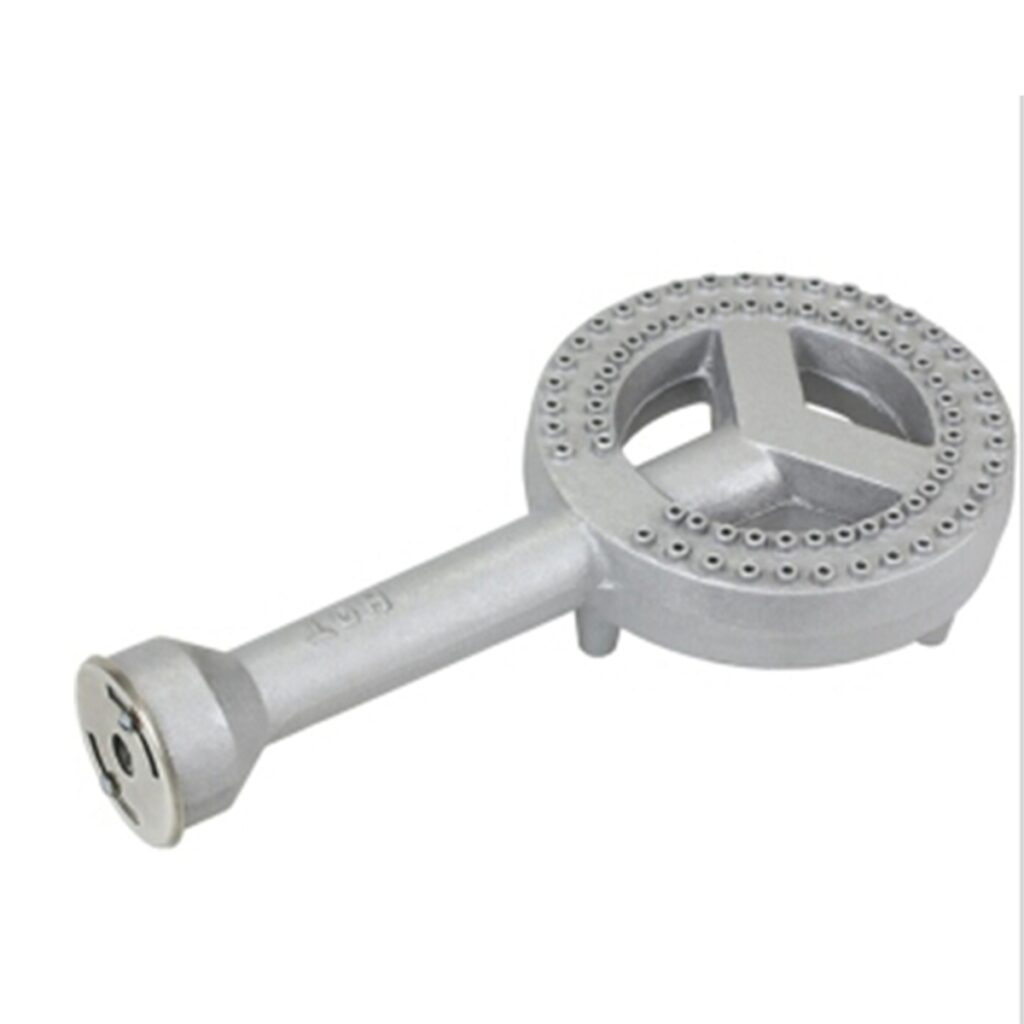
A metal plating of conductive materials to provide corrosion resistance. Zinc plating is standard among carbon steels and other alloys that can rust. Zinc plating conforms to the ASTM B633-15 service class I (SC1) specification. The typical plating coating thickness is 0.0002.” The finish results in a low silver shine.
Electroless Nickel Plating
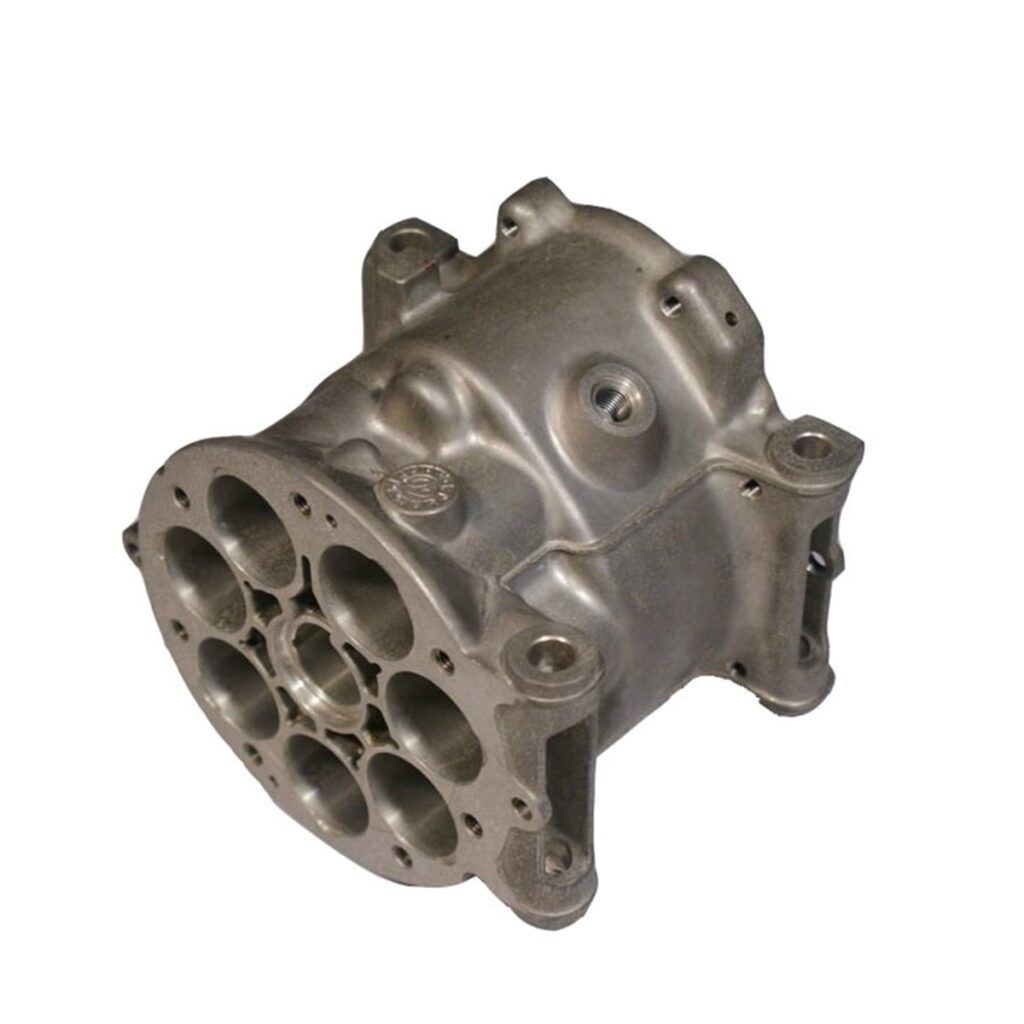
Electroless nickel plating provides a uniform nickel coating, which offers protection from corrosion, oxidation, and wear on irregular surfaces. The finished part will appear brighter. Thickness starts at .0001” and conforms to ASTM-B733, TYPE IV, SC1, CLASS 1 (default), or AMS-2404 (formerly AMS-C-26074/MIL-C-26074) if specified. For any other nickel plating options, please select “Other” as […]
Stainless Steel Used in 5-Axis CNC Machining
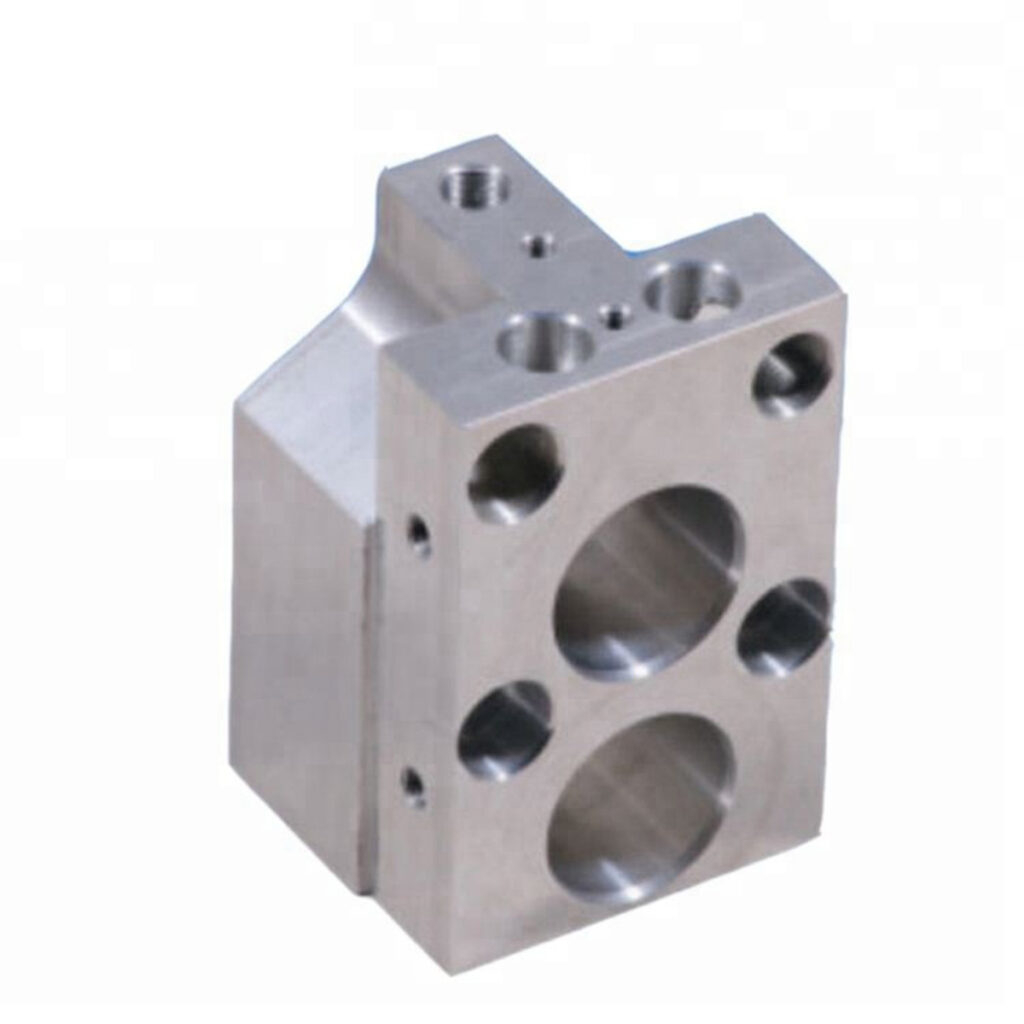
Stainless steel is one of the most popular materials for manufacturing industrial-grade parts. However, for such materials of stainless steel, there is a requirement of high rigidity and strong torque to cut the stainless steel material. The 5-Axis CNC machining service can cut easily through the stainless steel material. Not only this, but the machine […]
Passivation
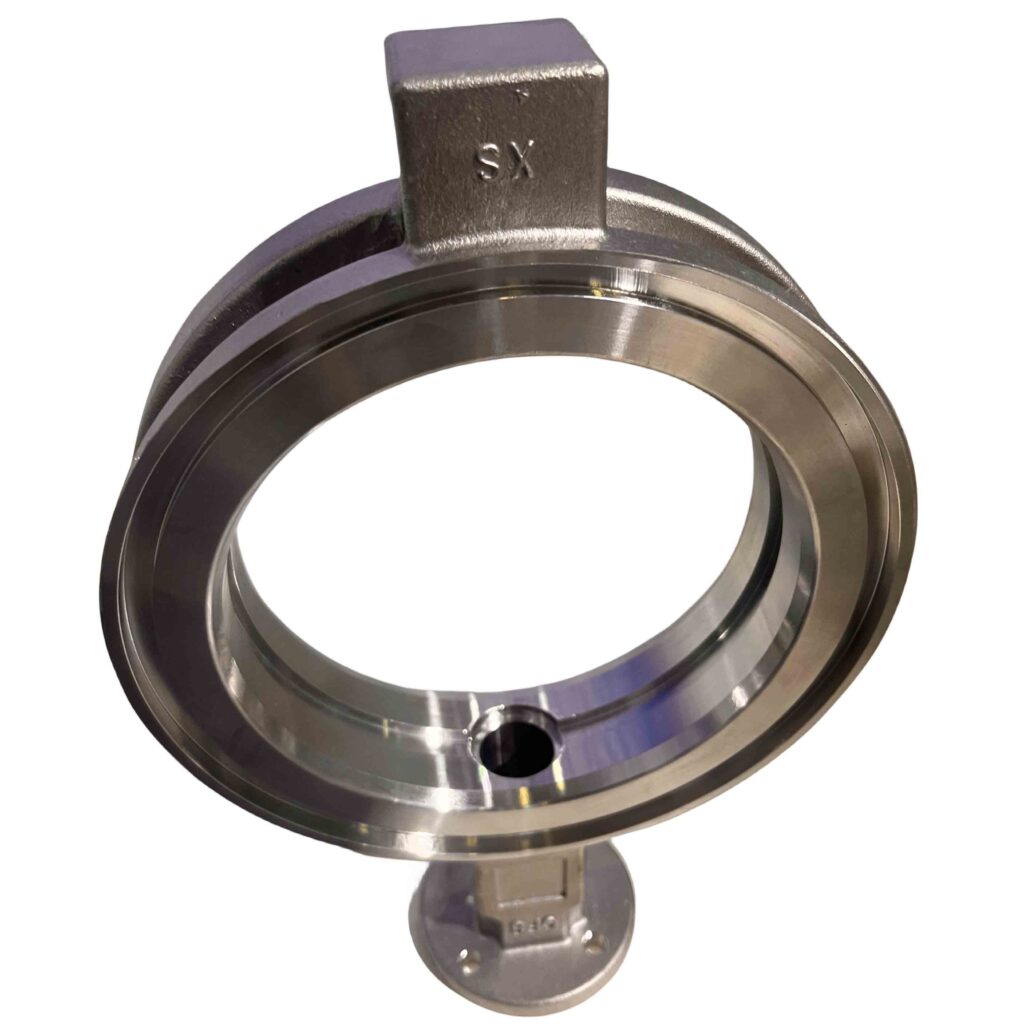
A colorless coating that improves corrosion resistance for 200 and 300 series and precipitation hardened corrosion-resistant steels by removing free iron from the surface. The coating thickness is negligible at about .0000001”. Conforms to ASTM A967, AMS-QQ-P-35, MIL-STD-171, ASTM A380, or AMS 2700.
5-Axis CNC Machining Service
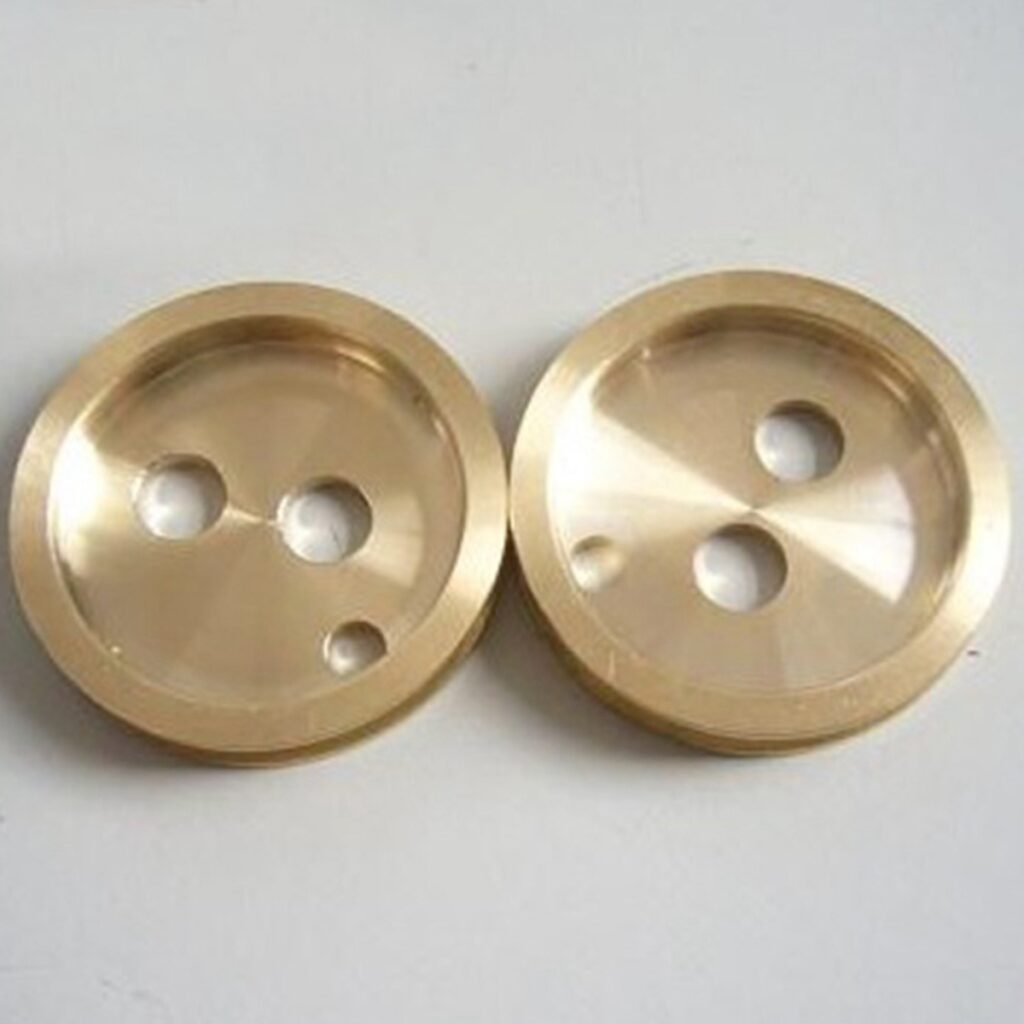
5-Axis CNC machining service is a manufacturing methodology wherein you can work on the 5-axis of the product simultaneously. With the help of the Computer Numerical Control (CNC), you can develop multiple complex parts with specifications of very high precision. The 5 axes that we will be using throughout the content are the 2 rotational […]