How to Choose Between Aluminum Alloy Types
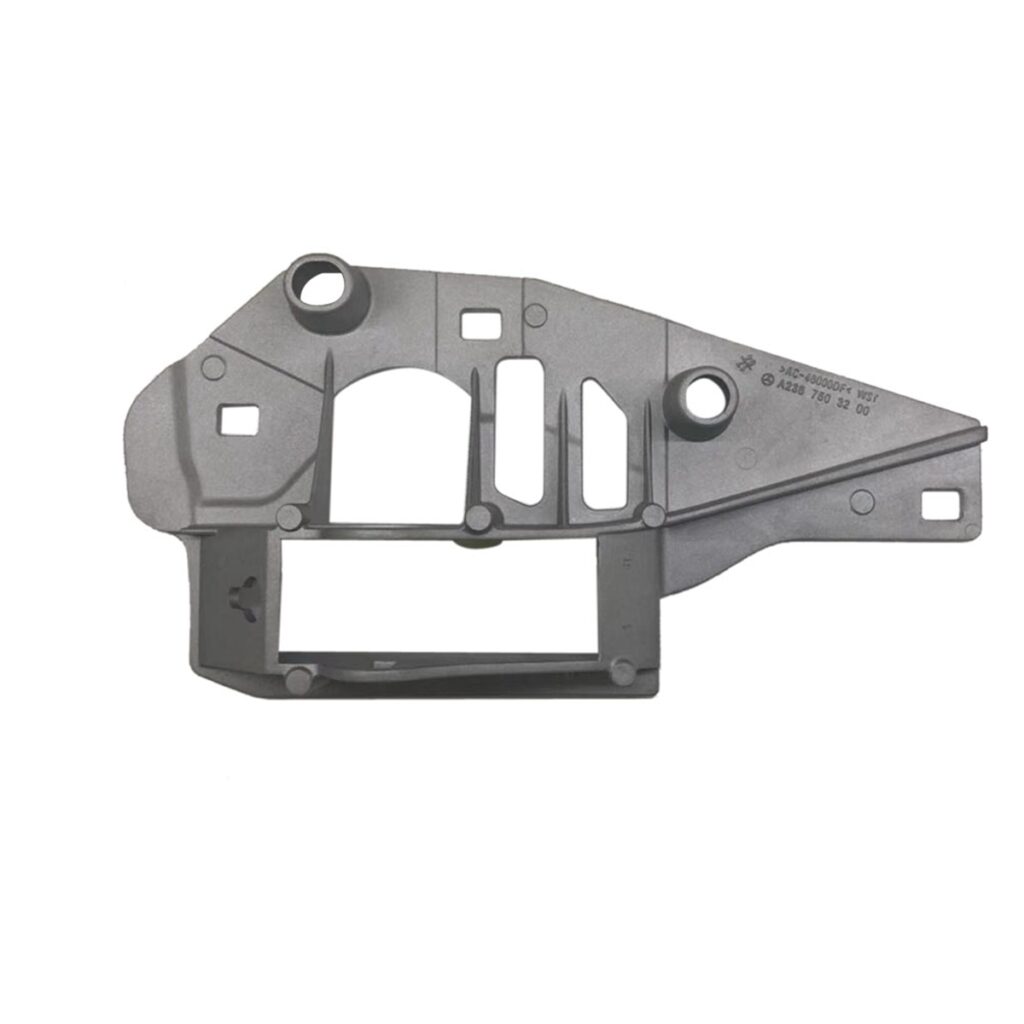
Choosing the right aluminum alloy involves a systematic approach that balances mechanical properties, environmental factors, fabrication needs, and cost. Here’s a structured guide to help you make an informed decision: 1. Define Application Requirements Mechanical Properties: Determine required strength (tensile, yield), hardness, and fatigue resistance. Environmental Factors: Assess exposure to corrosion (e.g., marine, chemical), temperature extremes, […]
CNC Vs Forging
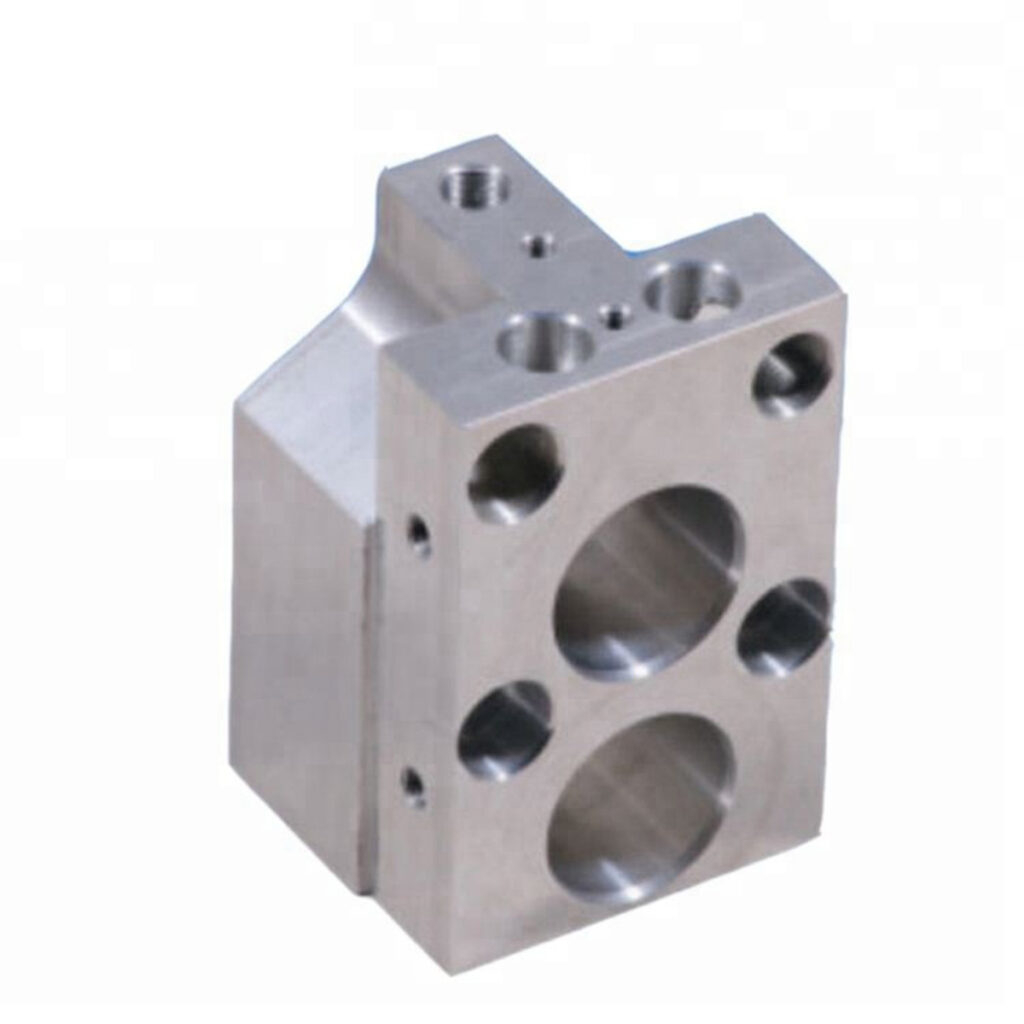
Forging is mainly divided into open-die forging and closed-die forging. Open die forging does not require the use of molds, has low precision, requires subsequent finishing, and is suitable for small batch production of large parts. Closed die forging requires the use of molds, which can produce parts with high precision and complex shapes. […]
Aluminum Alloy Types
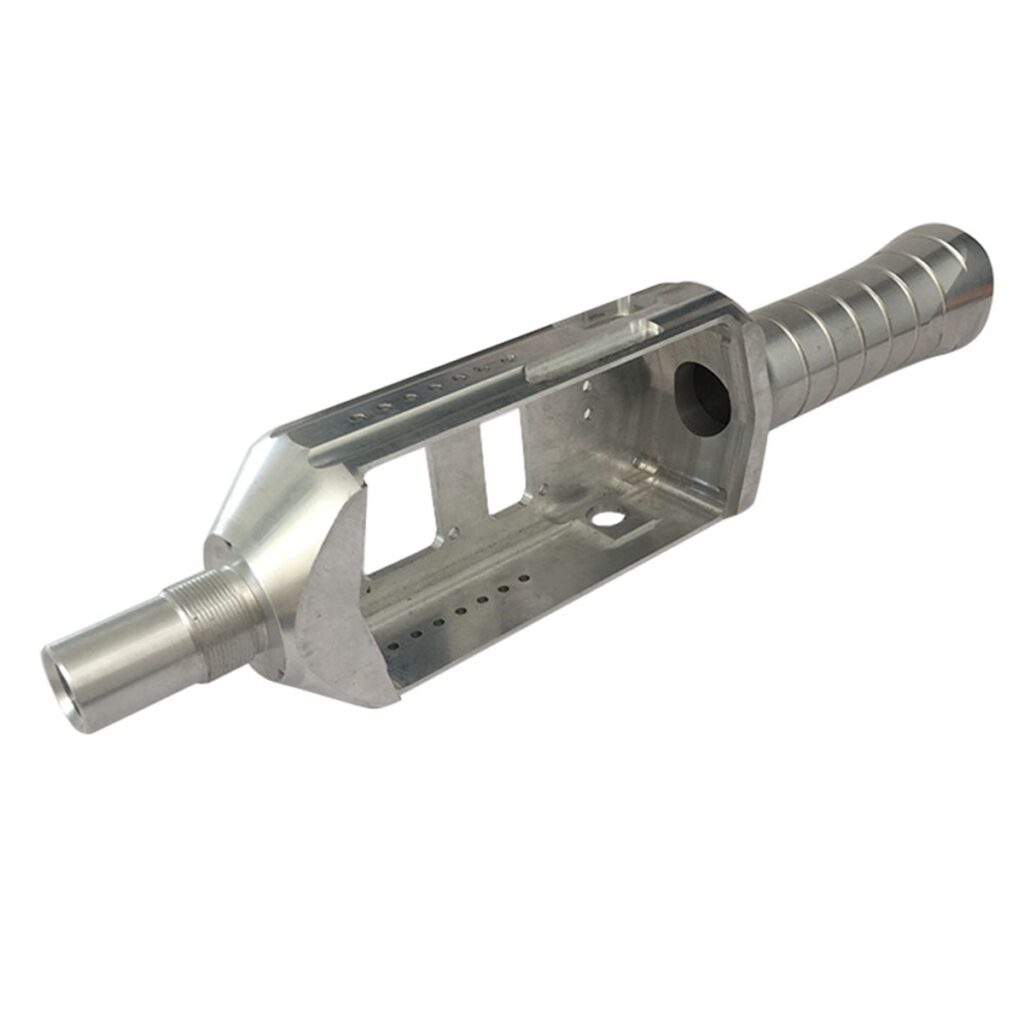
Here’s an overview of aluminum alloy types categorized by series (based on the International Alloy Designation System): 1xxx Series (Pure Aluminum) Primary Alloying Element: ≥99% Aluminum (minimal additives). Properties: Excellent corrosion resistance, high electrical conductivity, low strength, excellent workability. Common Alloys: 1050, 1060, 1100. Applications: Electrical components, chemical equipment, food packaging (foil). 2xxx Series (Aluminum-Copper Alloys) Primary […]
CNC Machining Vs Casting
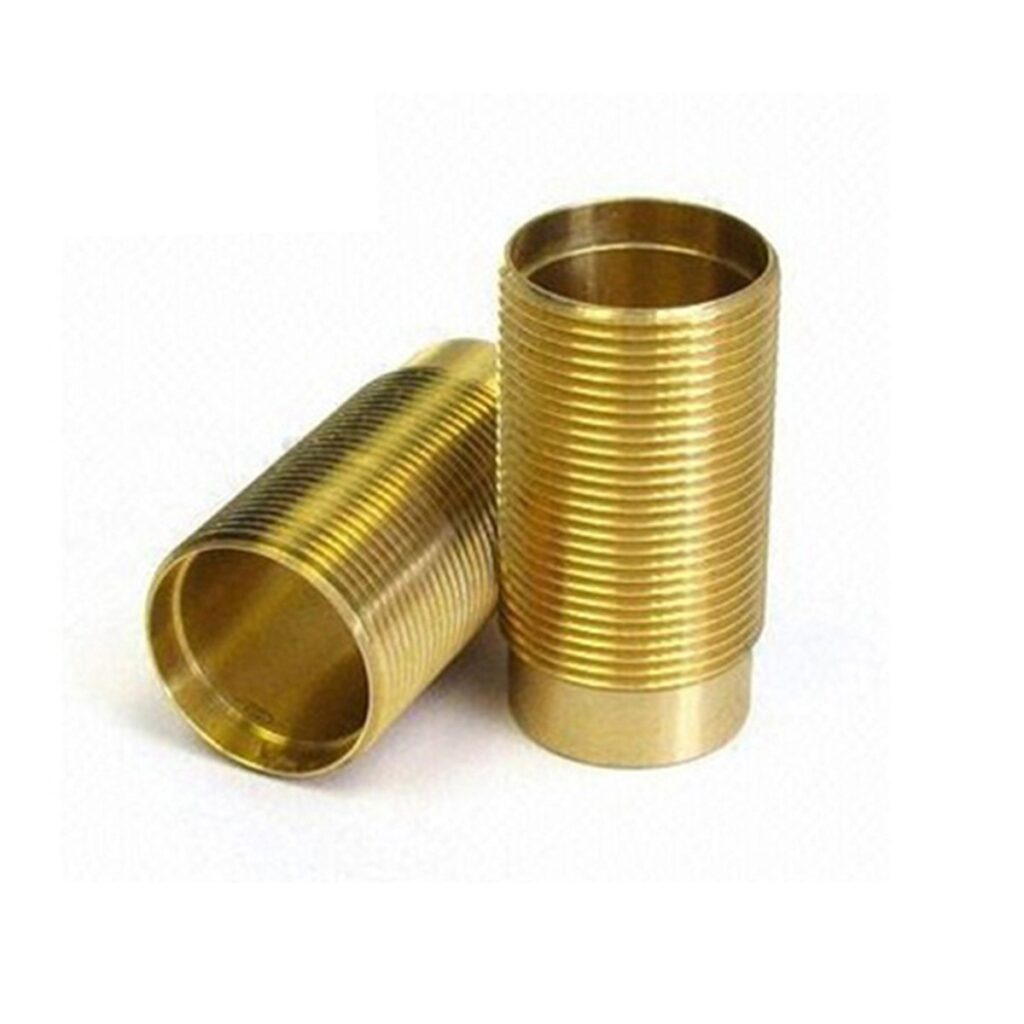
The casting process is mainly divided into three types, among which sand casting has low cost and is suitable for the production of parts with large size and low precision requirements. Investment casting requires the production of molds for the production of wax patterns, and the process is relatively complex, which is suitable for the […]
Applications of CNC Machining
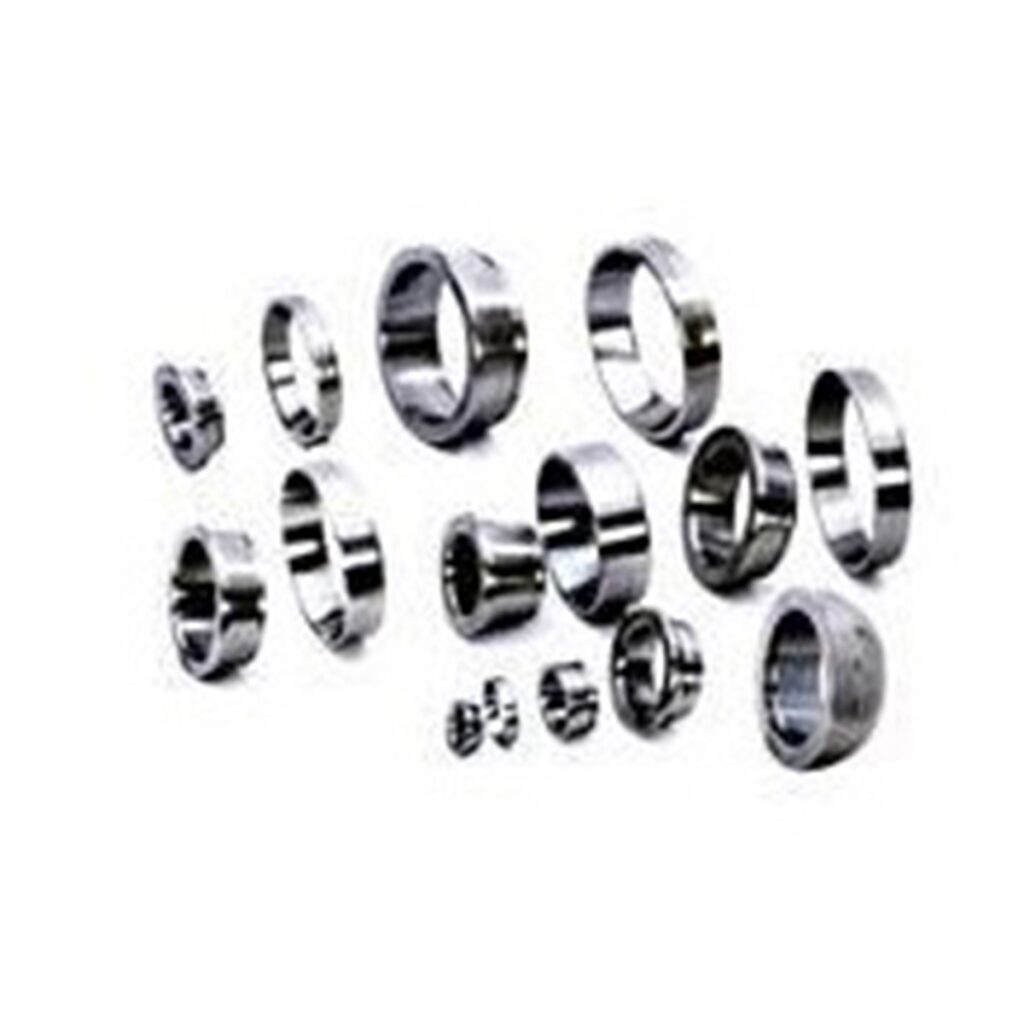
CNC machining is a very flexible and widely used machining technology. Since its birth, after more than 70 years of development, CNC technology has formed a complete set of processing systems, covering all aspects of our life. Aerospace CNC technology has promoted the rapid development of the aerospace field. In order to cope with […]
Types of CNC Machines
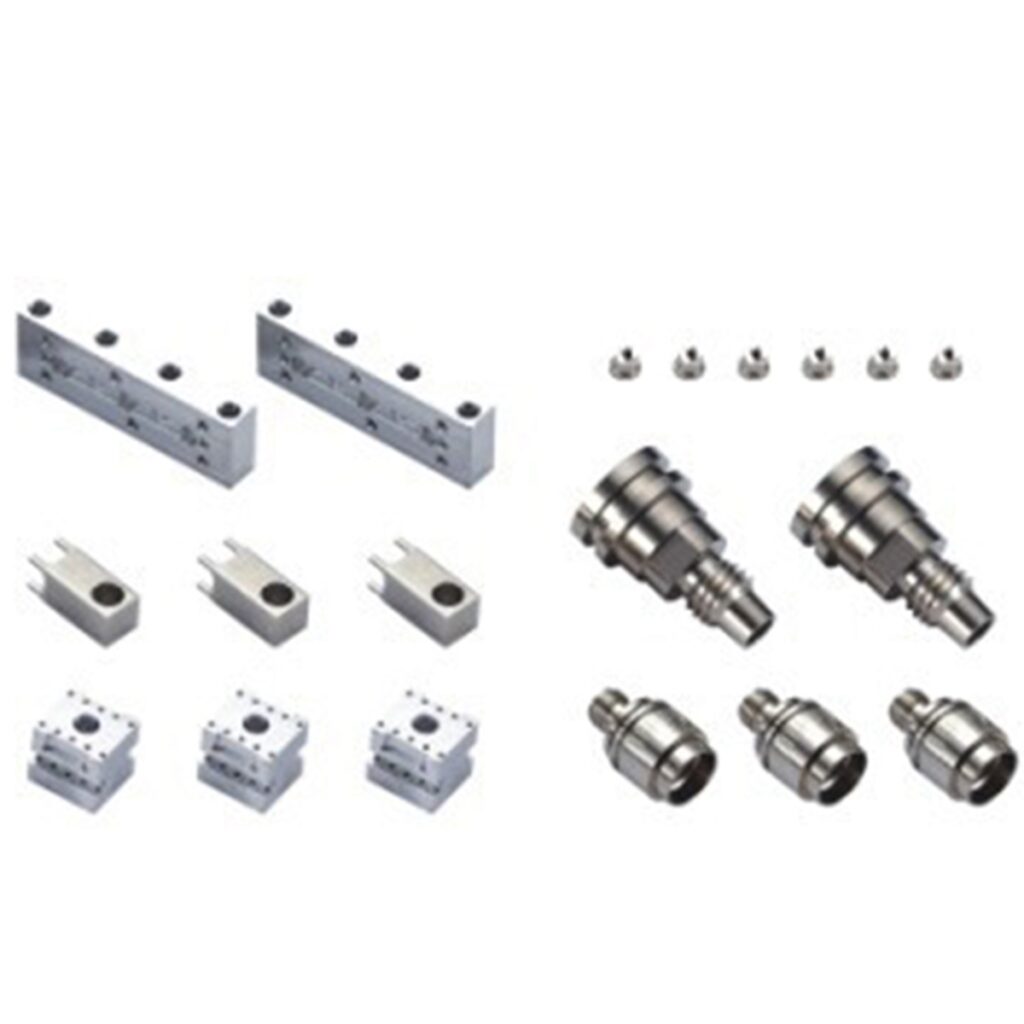
If you just list the names of each type of CNC machine, you will see a long list. Here we change the angle, classify from the processing method, and look at the types and characteristics of common CNC machines. According to the classification of processing methods, CNC machines can be divided into two types: […]
Annealing

Annealing refers to a process used in various fields, most notably in materials science and computer science/optimization. 1. Materials Science (Physical Annealing) In metallurgy and materials science, annealing is a heat treatment process applied to metals, alloys, or glass to alter their physical and chemical properties. The process involves: Heating: Raising the material to a specific temperature (below its melting point). […]
Shot-blasting
Definition and Principle Shot-blasting is a mechanical surface treatment process that uses high-velocity abrasive media to clean, strengthen, or prepare materials. The core principle involves accelerating abrasive particles (e.g., steel shot, grit, glass beads, or ceramic granules) via centrifugal force or compressed air, propelling them against a workpiece’s surface. This impact removes contaminants (rust, scale, coatings), […]
Advantages and Limitations of CNC Machining
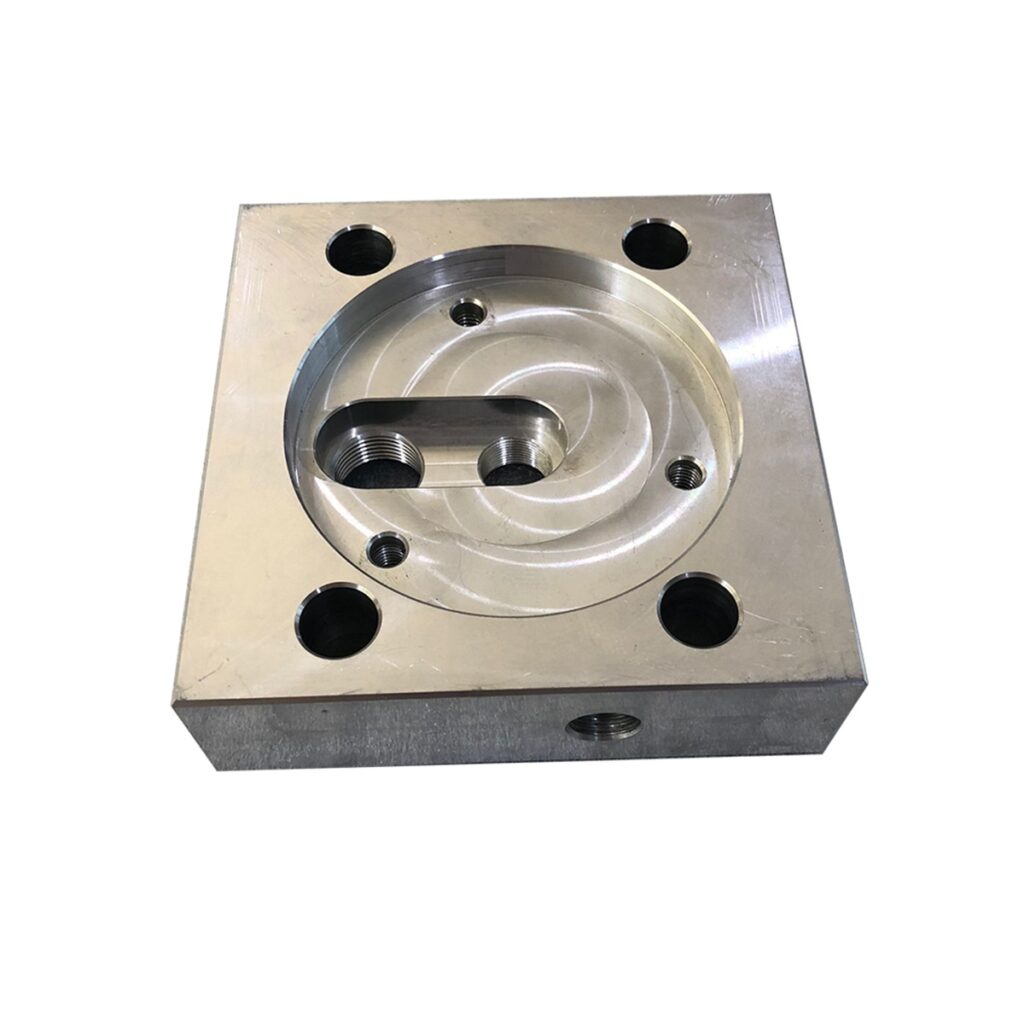
Advantages: precision and accuracy CNC machining has high precision, can achieve micron-level accuracy, suitable for precision parts processing, and the quality is stable when repeated production. The customized CNC production line can realize automatic continuous machining and automatic detection with less manual intervention, which is very suitable for the production of high-volume parts. Multi-axis linkage […]
Tempering in Heat Treatment: An Overview
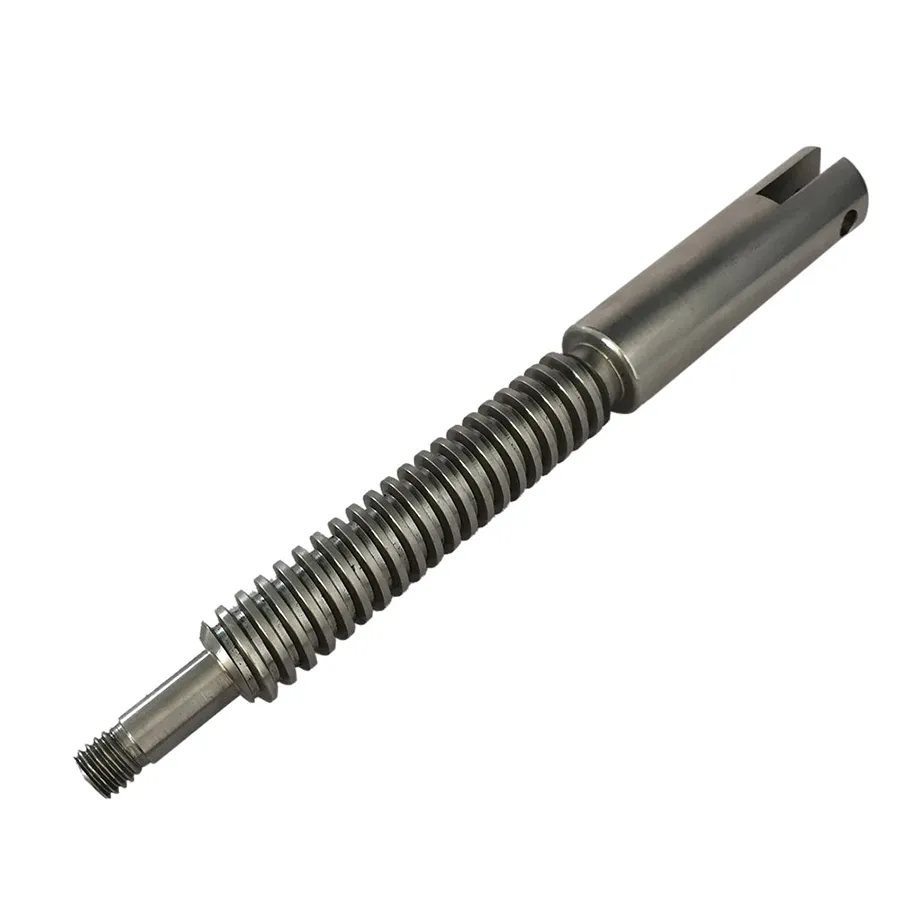
Tempering is a critical heat treatment process used to improve the mechanical properties of hardened metals (typically steels) by reducing brittleness, relieving internal stresses, and enhancing toughness. It follows quenching, which hardens the material but leaves it overly brittle and prone to cracking. Below is a detailed breakdown of the tempering process: 1. Key Objectives of Tempering […]