Methods for Detecting Metal Material Composition

Determining the chemical composition of a metal is fundamental in materials science, manufacturing, quality control, and failure analysis. The methods range from simple, non-destructive techniques for quick sorting to highly sophisticated laboratory instruments for precise quantitative analysis. They can be broadly categorized into Non-Destructive Testing (NDT) and Destructive Testing. Non-Destructive Testing (NDT) Methods These methods analyze the material […]
What is black oxide?
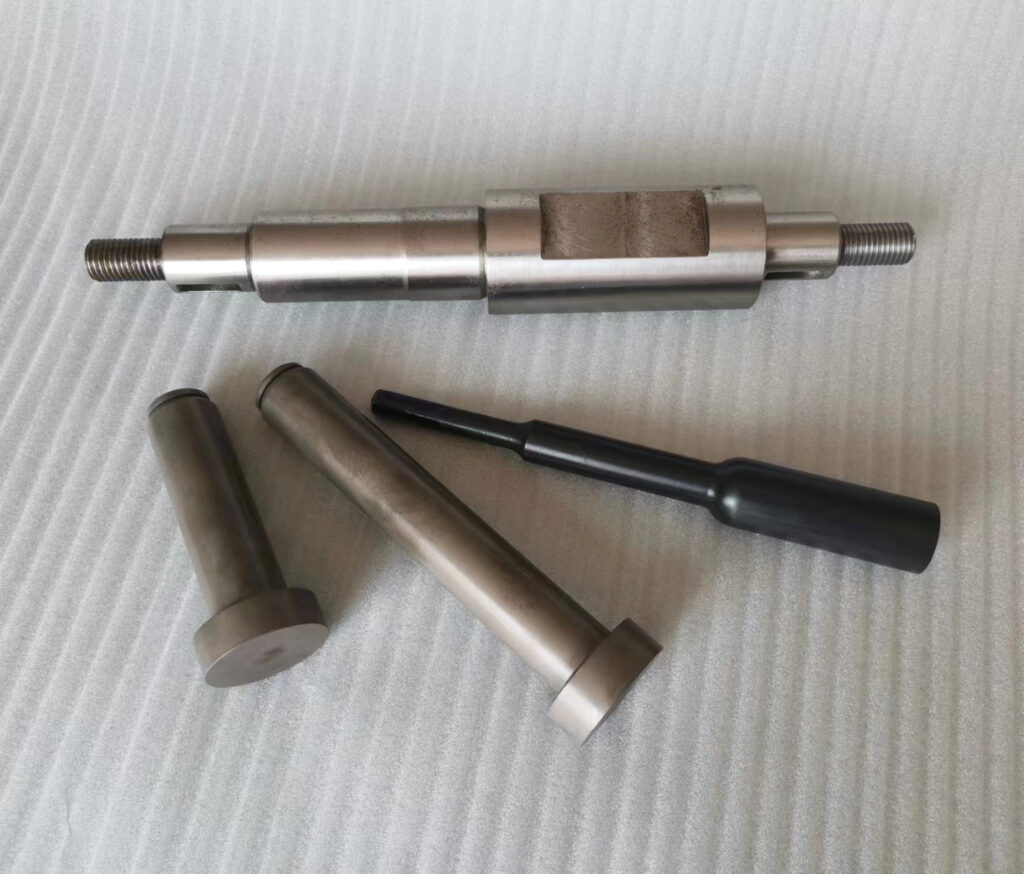
Black oxide, which is also called blackening, is a type of chemical conversion coating process mainly applied to ferrous materials like steel or iron. The metal reacts chemically with a specific alkaline oxidising solution to produce an extremely thin layer of iron oxide(Fe₃O₄) film. This film(about 0.5-1.5μm)is uniformly black and tightly bonded to the metal […]
Mechanical Properties of Metal Components
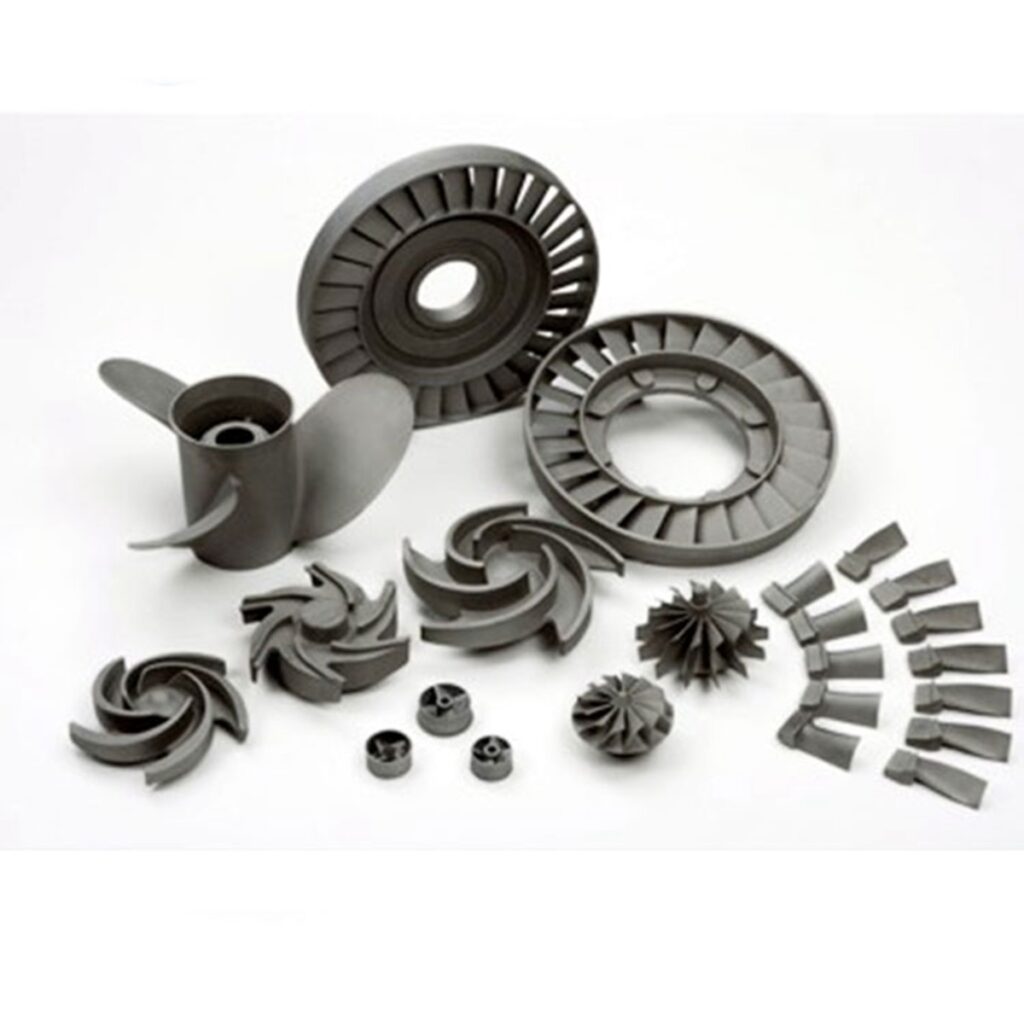
The mechanical properties of a metal define how it reacts when subjected to mechanical forces and loads. These properties are crucial for engineers and designers to select the right material for a specific application, ensuring performance, safety, and reliability. Here are the key mechanical properties: 1. Strength Strength is the ability of a metal to […]
Types of Lasers Used for Welding
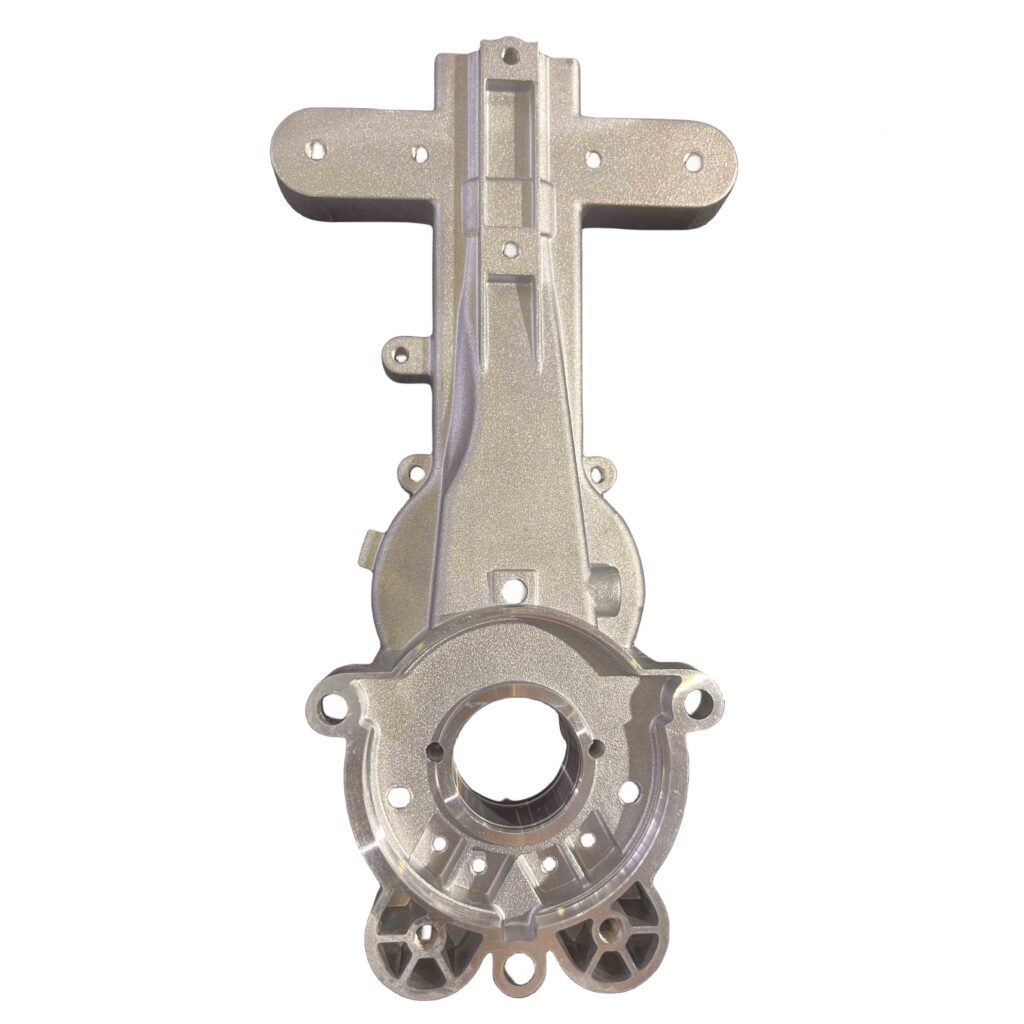
Lasers used for welding can be divided into several categories according to the active medium that produces the laser: Type Active Medium Wavelength Advantages Limitations Applications Fiber Laser Welding Rare-earth-doped Glass Optical Fiber ~1070nm 1. Extremely high Wall-plug efficiency (30-50%) 2. Excellent beam quality 3. Low maintenance costs 1. High equipment costs 2. Welding […]
Hardness Testing of Metal Parts

Hardness testing is a fundamental and essential method in materials science for evaluating the mechanical properties of metal components. It measures a material’s resistance to permanent indentation, which generally correlates with properties like strength, wear resistance, and ductility. The methods can be broadly categorized into three main types: Indentation, Rebound (Dynamic), and Scratch Hardness Testing. Indentation hardness is […]
Compared with traditional welding

Laser welding vs MIG welding Laser welding has an extremely low heat input, allowing for precise welding with minimal deformation and an aesthetically pleasing finish. In contrast, MIG welding involves wires that act as both the electrode and filler metal, requiring continuous energization and melting. Therefore, the overall heat input is relatively high, which can […]
Introduction to Melting Points
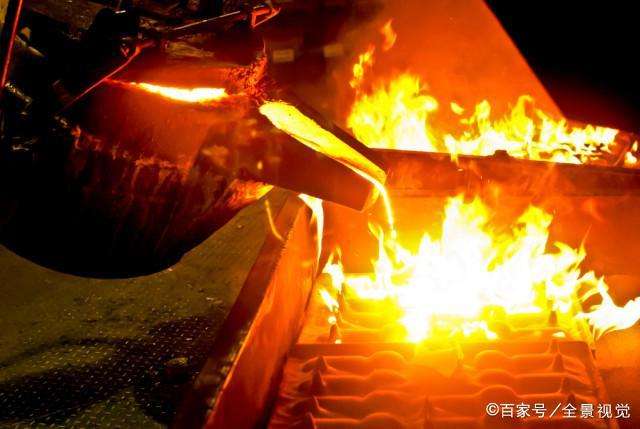
The melting point of a metal is the temperature at which it changes from a solid to a liquid state. This is a fundamental physical property determined by the strength of the metallic bonds between atoms. Stronger bonds require more energy (heat) to break, resulting in a higher melting point. Melting points are crucial in metallurgy, manufacturing […]
Application of laser welding
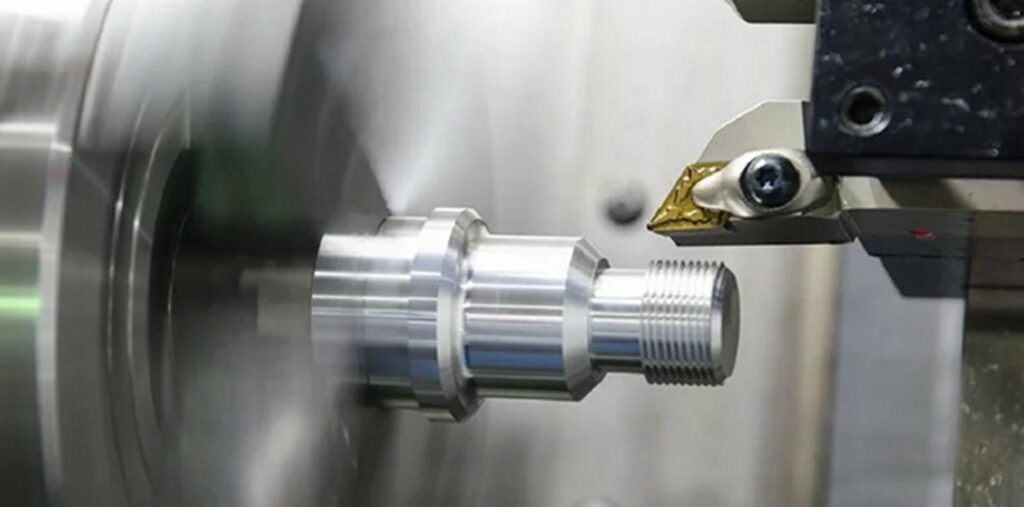
Automobile industry The automotive industry is the most mature and widely applied field for laser welding. Laser welding is used to connect automotive frame components such as the roof, side panels, and doors, which not only reduces weight but also improves the strength and sealing of the vehicle body. In addition, laser welding technology is […]
Types of laser welding
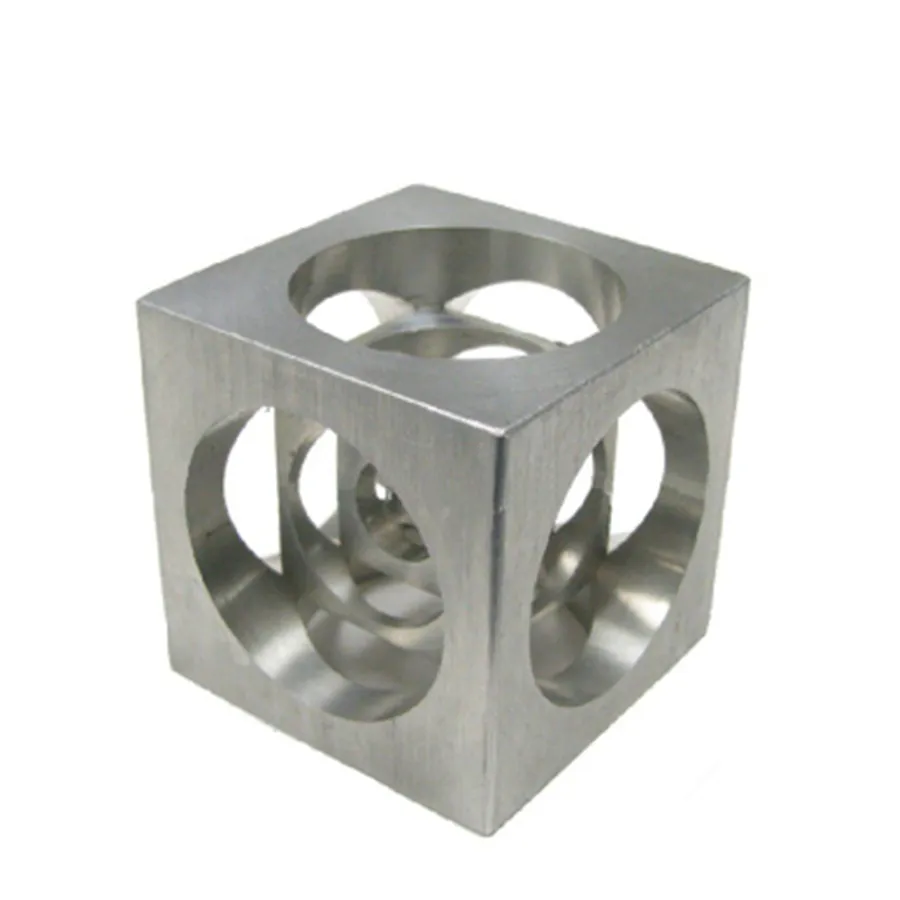
Depending on the laser energy density and welding depth, laser welding is generally divided into two types: heat conduction welding and deep penetration welding. Conduction Welding Heat conduction welding is one of the most common laser welding methods. It uses a laser with a lower power density to irradiate the surface of the material, […]
Solution Heat Treatment: A Detailed Explanation
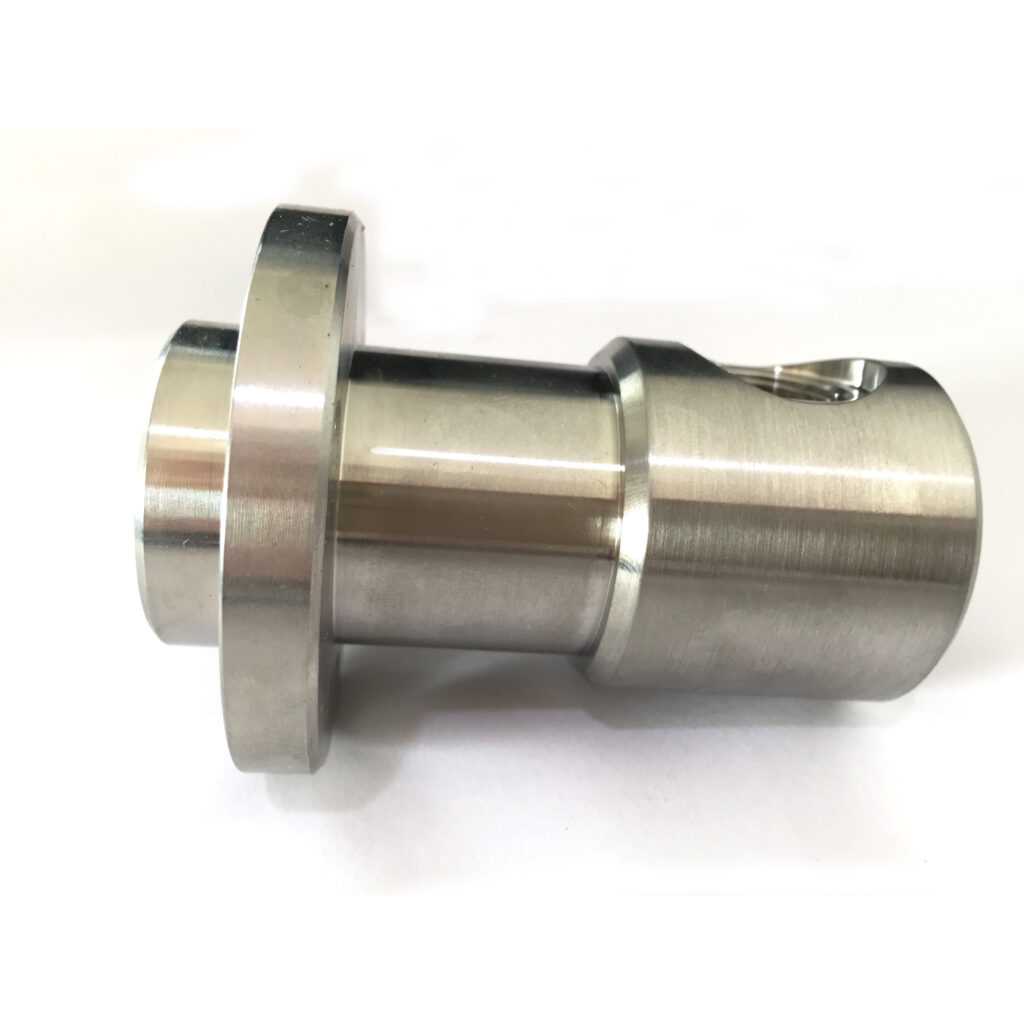
Solution Heat Treatment, often simply called solutionizing or solution annealing, is a critical thermal processing operation primarily applied to non-ferrous alloys, most notably aluminum alloys, precipitation-hardening (PH) stainless steels, and some nickel-based superalloys. Its primary purpose is to dissolve alloying elements into a solid solution within the base metal matrix, creating a supersaturated state that is a prerequisite for subsequent age hardening […]