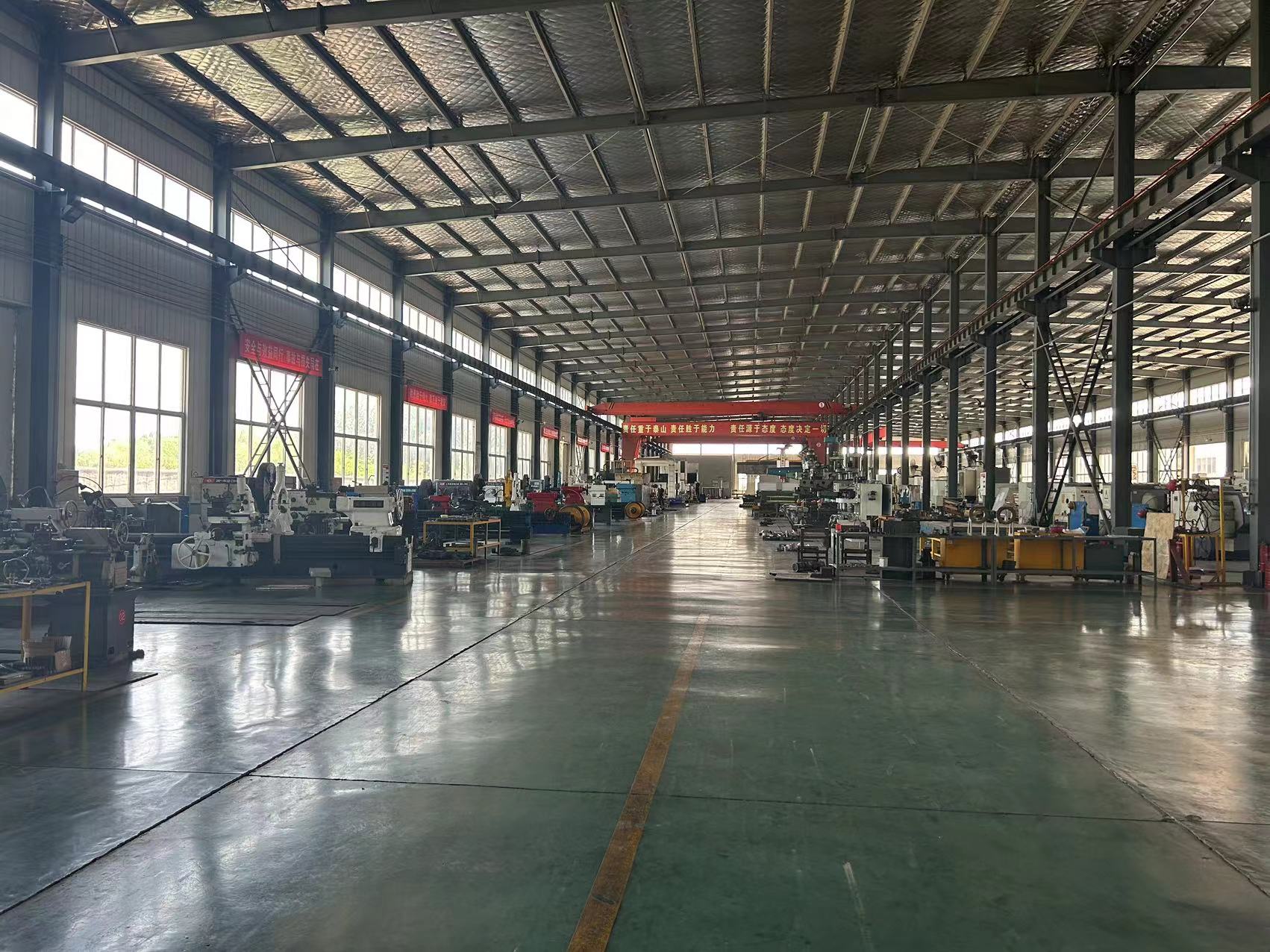
What Is A Sand Casting
A sand casting or a sand molded casting is a cast part produced by forming a mold from a sand mixture and pouring molten liquid

A sand casting or a sand molded casting is a cast part produced by forming a mold from a sand mixture and pouring molten liquid
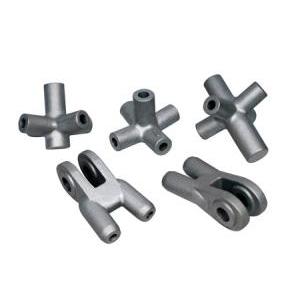
There is a wide range of metals that contain iron as their main component and are considered ferrous metals. Some popular examples include: 1. Stainless
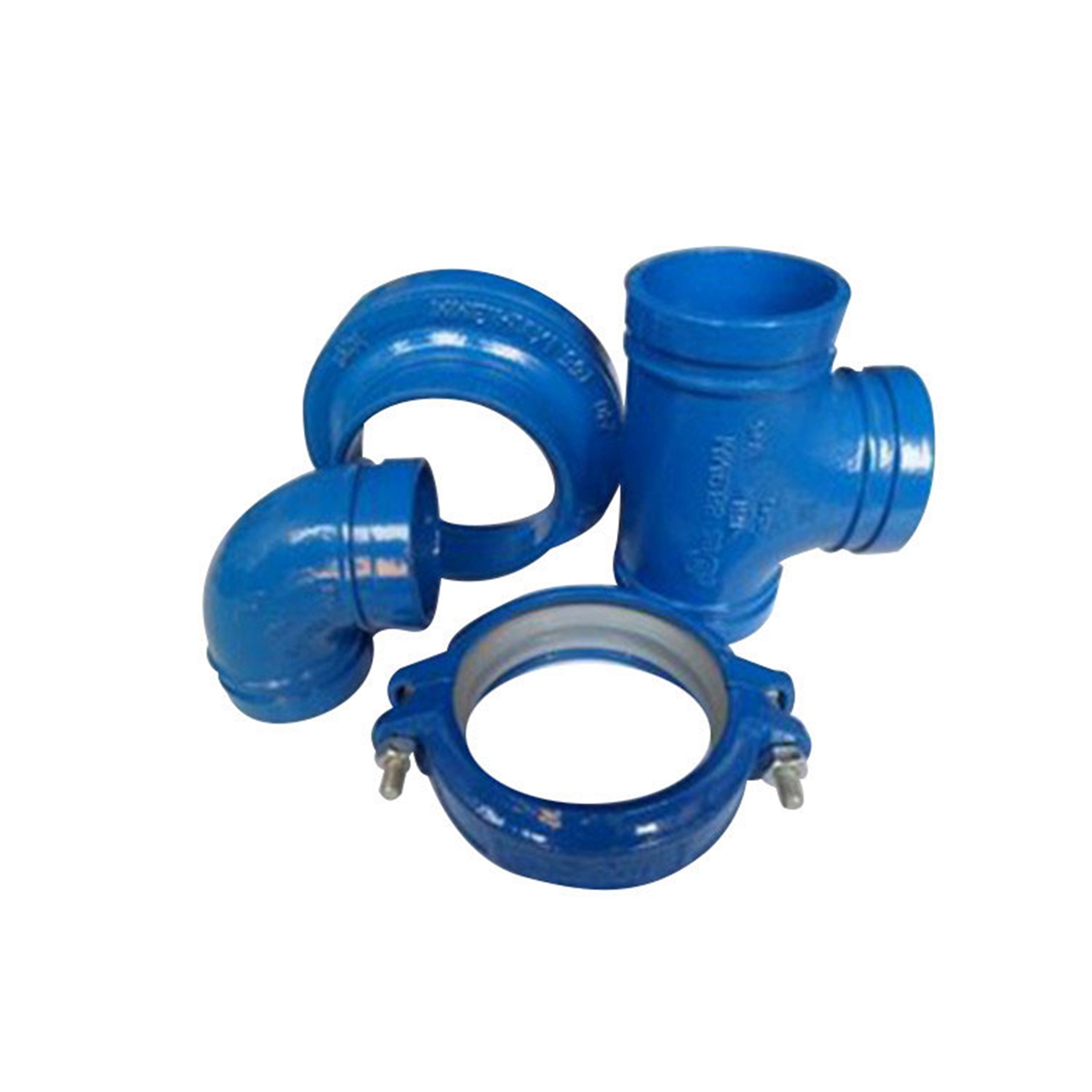
Ferrous metals are extensively used across a wide range of industries due to their versatile properties such as: strength, durability, and magnetism. Some key industries
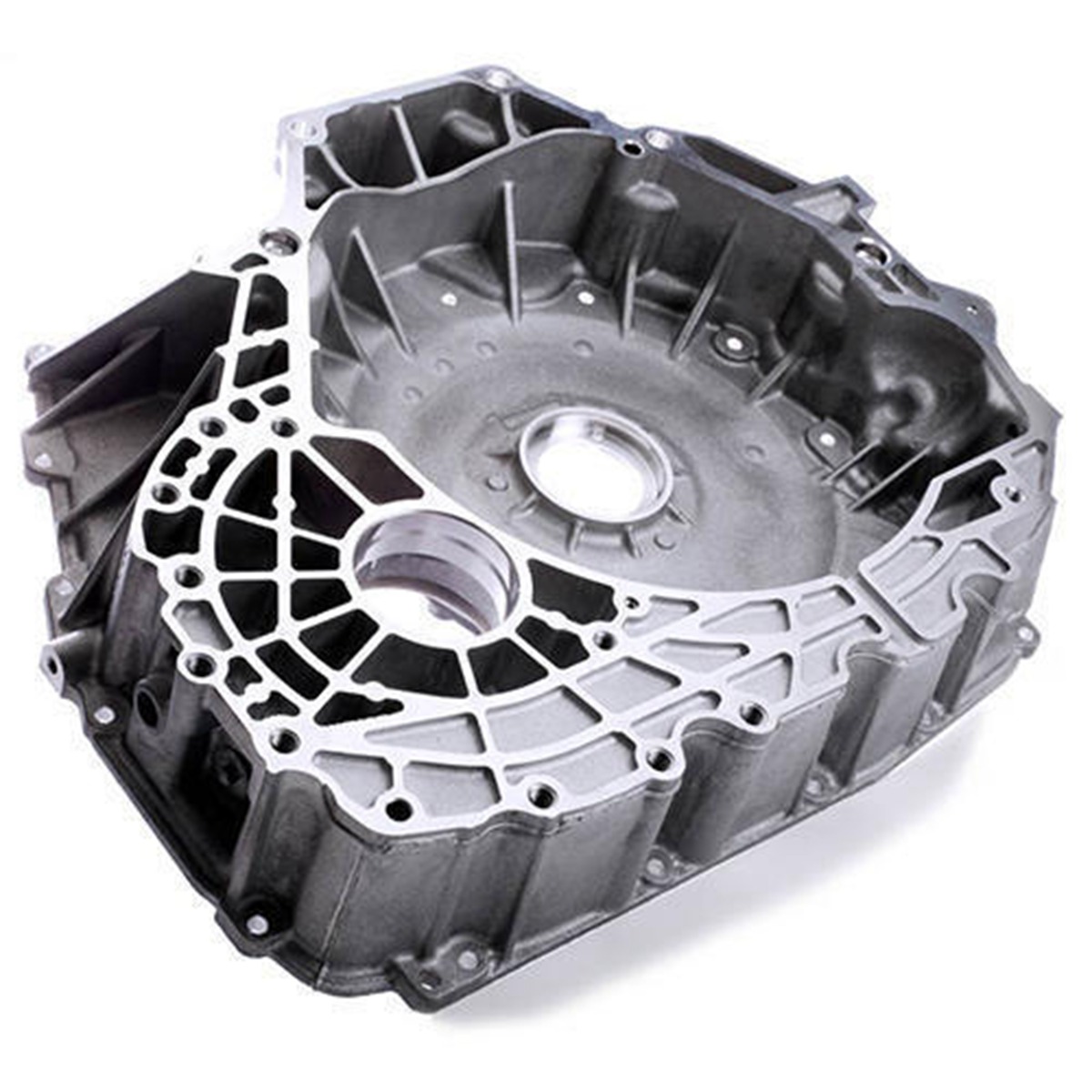
High pressure die casting is a technology that has changed the whole production process of different components in different industries. Whether it`s auto and electronics or
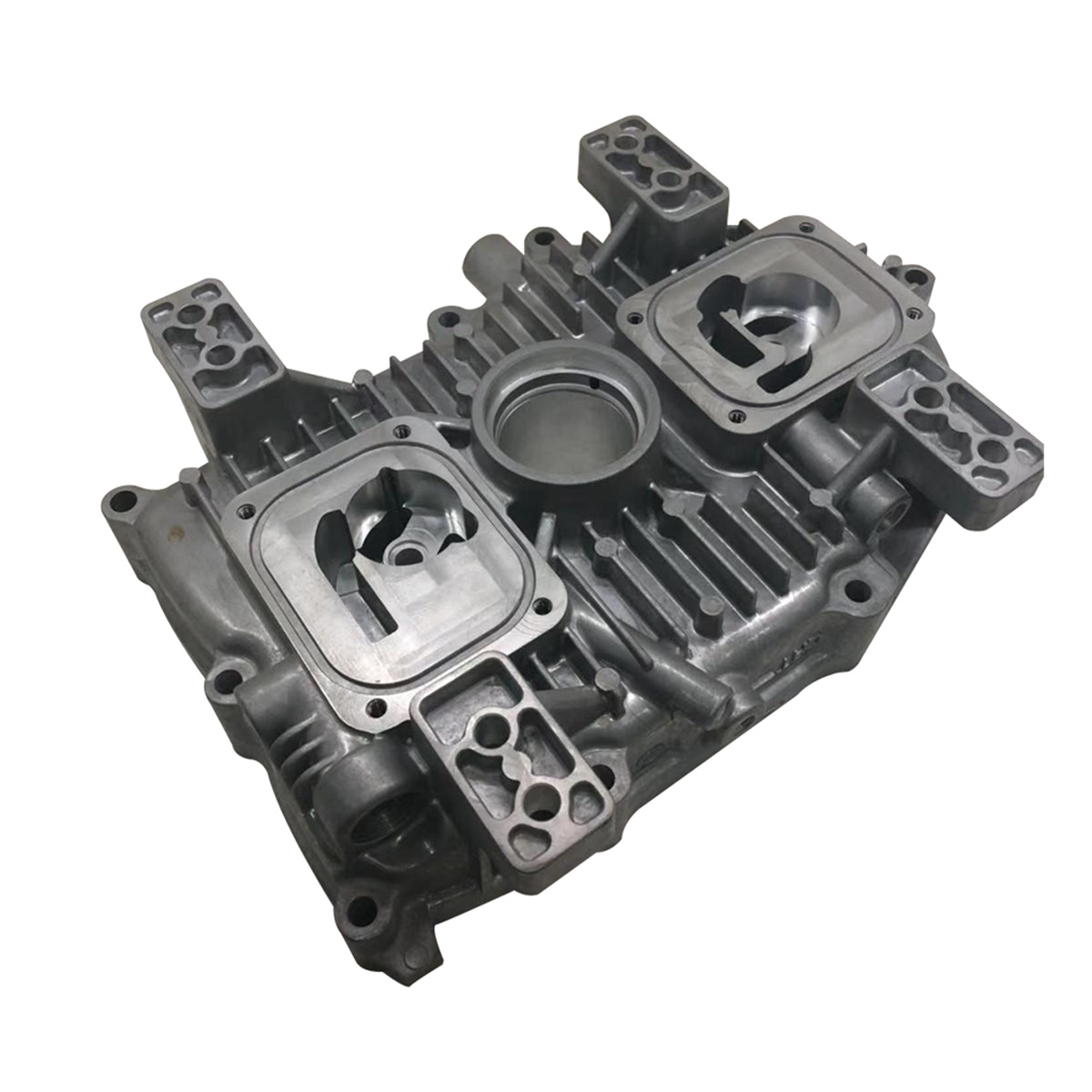
HPDC or High Pressure Die Casting is usually known as a costly method of manufacturing as the tooling costs needed are the biggest factor. Let’s take
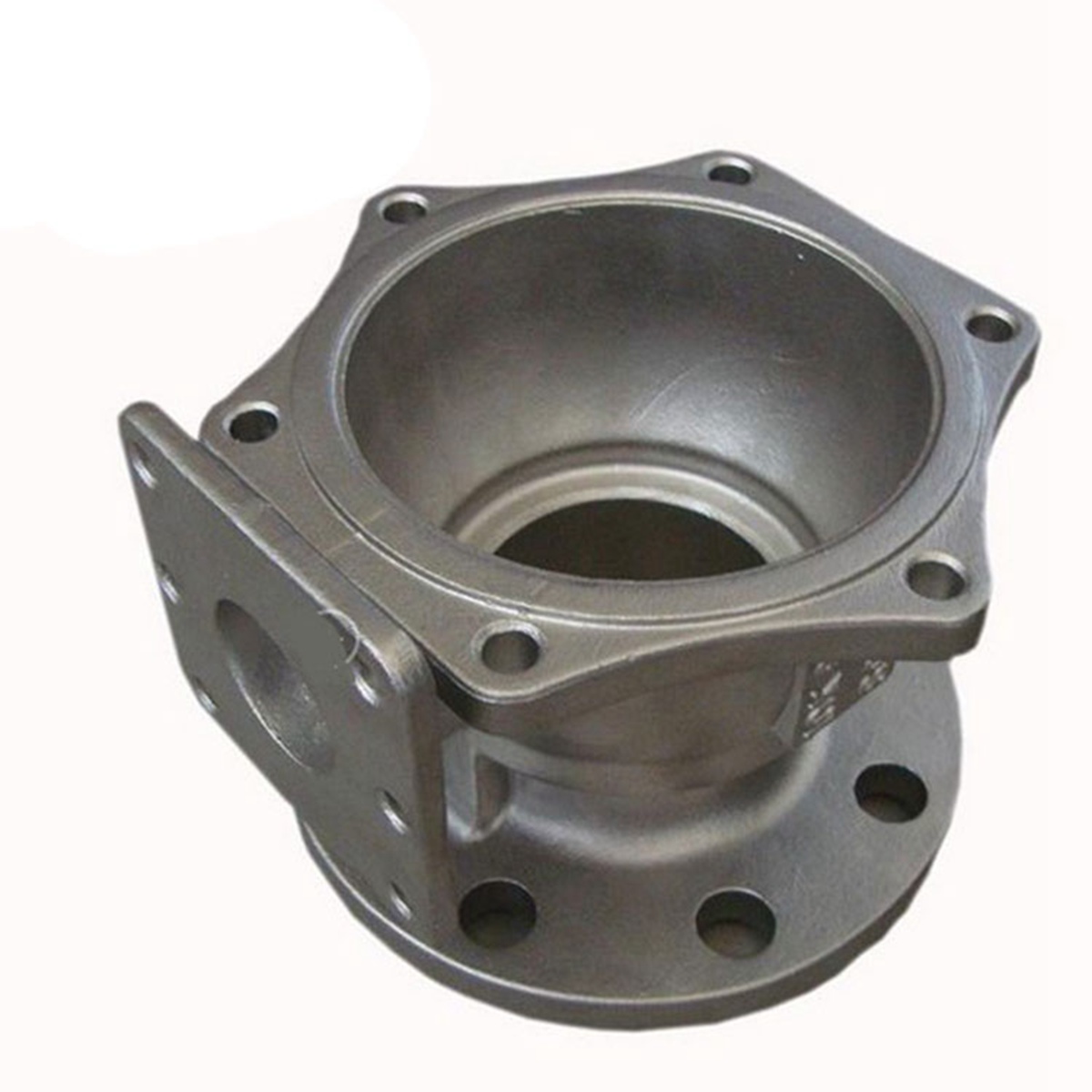
Ferrous metals are highly valued for their strength and durability. With their high tensile strength, they are ideal for structural uses such as: in buildings,
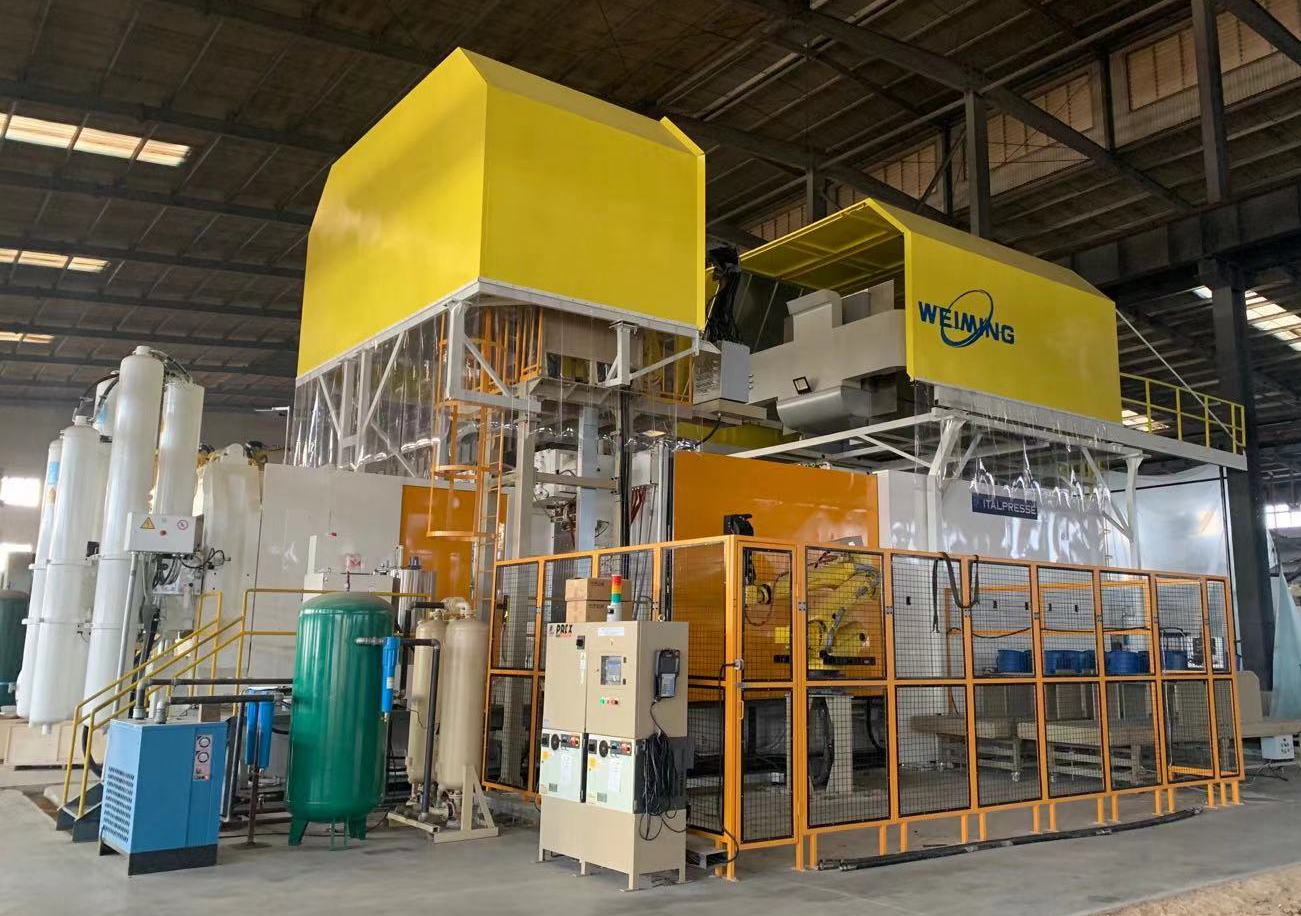
High production efficiency:High Pressure Die Casting (HPDC) optimizes the flow of manufacturing processes and guarantees the delivery of large volumes of parts within the deadline.
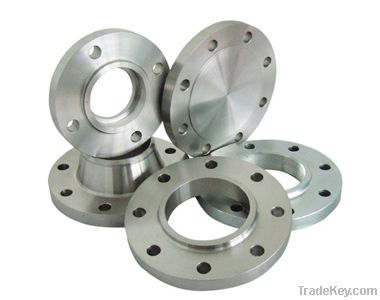
Some examples of ferrous metals include: cast iron, wrought iron, steel, stainless steel, and carbon steel. These metals are used for their strength in the
Under the working conditions of high energy impact, the application range of high manganese steel and ultra-high manganese steel castings is broad. Many foundries lack
Ferrous metals have a set of unique properties. These include: 1. Recyclability One of the most significant properties of ferrous metals is their ability to