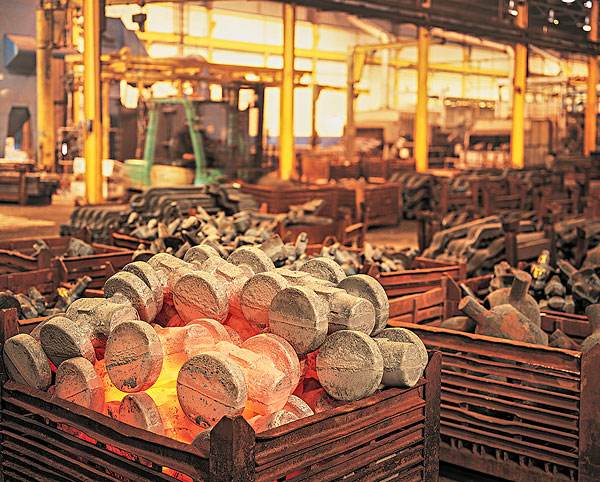
How to perform heat treatment of high manganese steel?
The purpose of solution heat treatment of wear-resistant high manganese steel castings: Eliminate the carbides within the grains and grain boundaries in the as-cast structure

The purpose of solution heat treatment of wear-resistant high manganese steel castings: Eliminate the carbides within the grains and grain boundaries in the as-cast structure
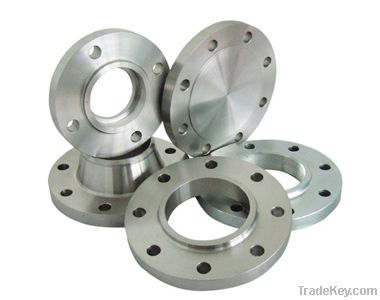
Investment casting works by pre-applying coatings to the pattern—before investment casting mold creation, or to the mold—once it is fired. This serves several important purposes.
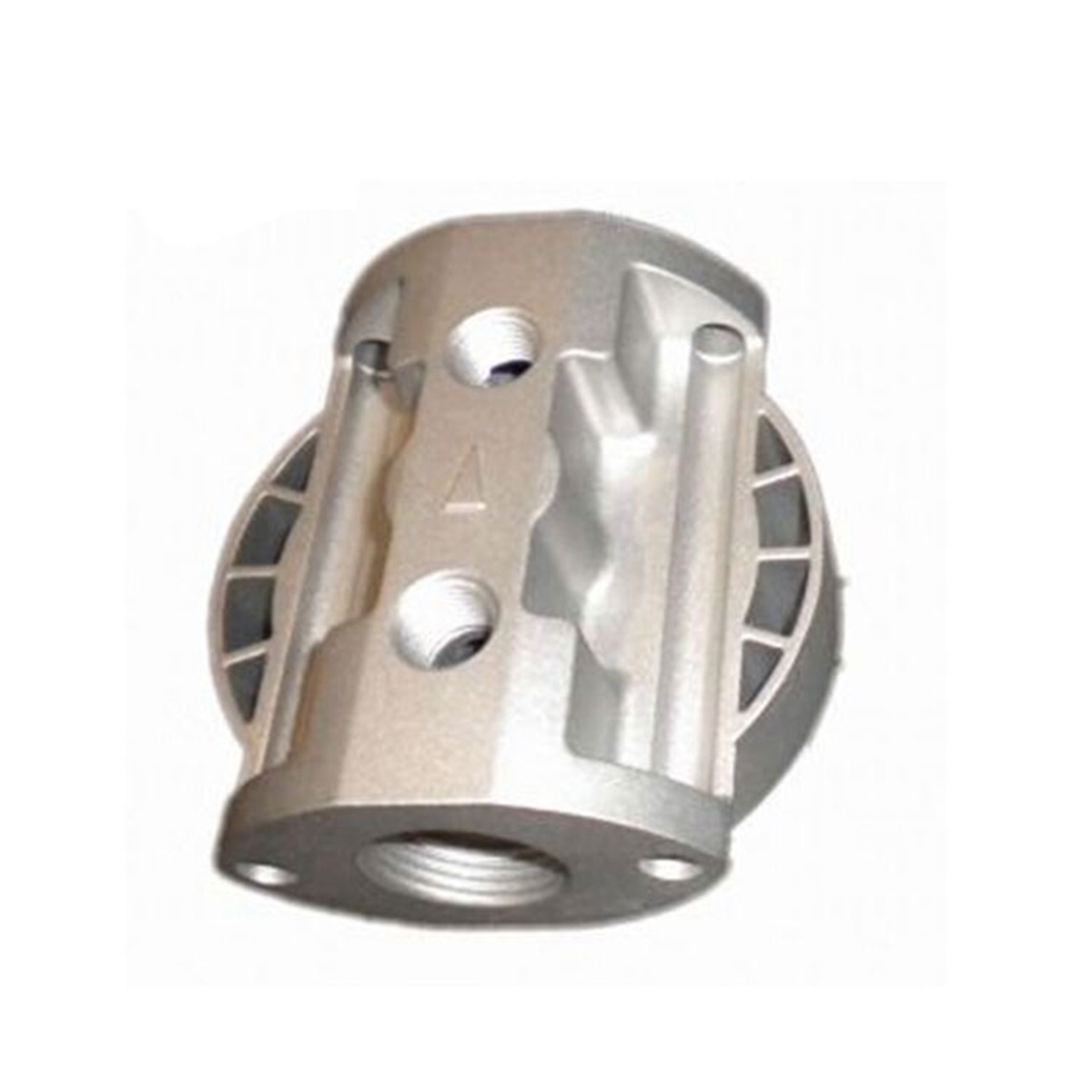
All casting methods use a heat-resistant cavity that is the shape of the desired part as a volume to be filled with liquid metal, which
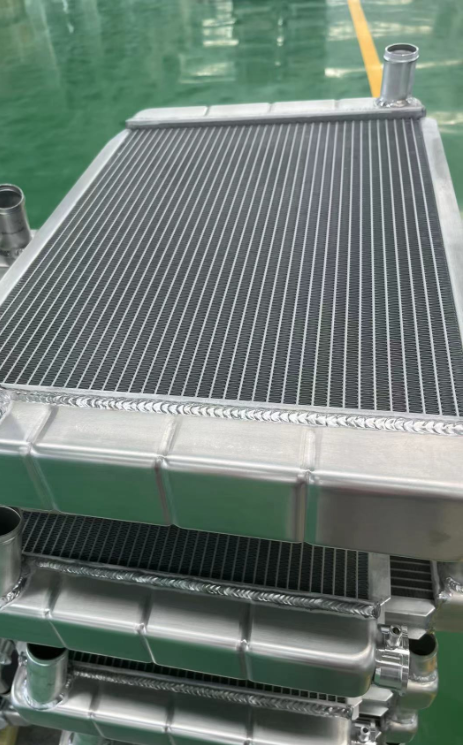
An intercooler is a heat exchanger used in vehicles, particularly in turbocharged or supercharged engines, to cool the compressed air before it enters the engine’s
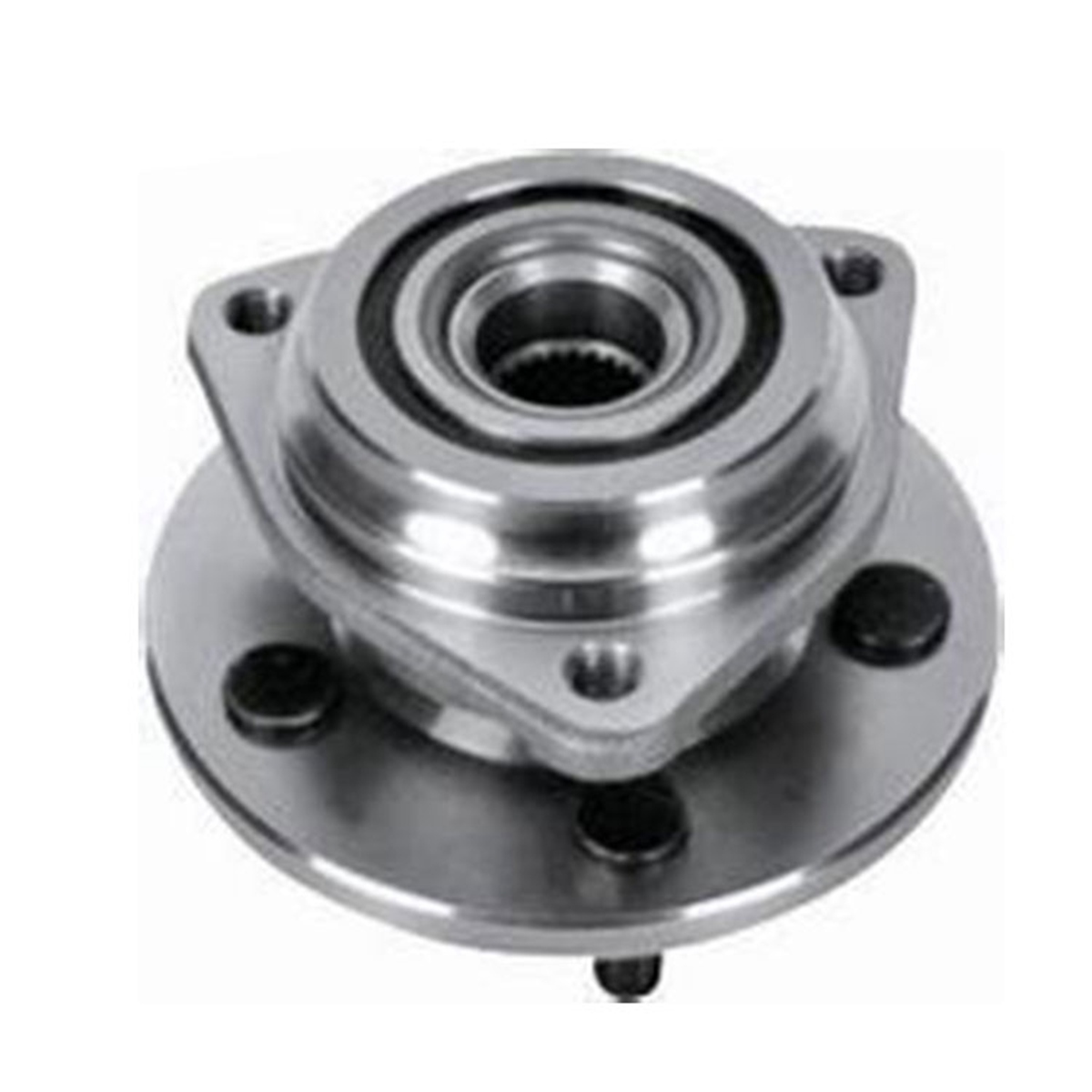
What Is Investment Casting? Investment casting is a precision casting process used to create complex and intricate metal parts with high dimensional accuracy and fine
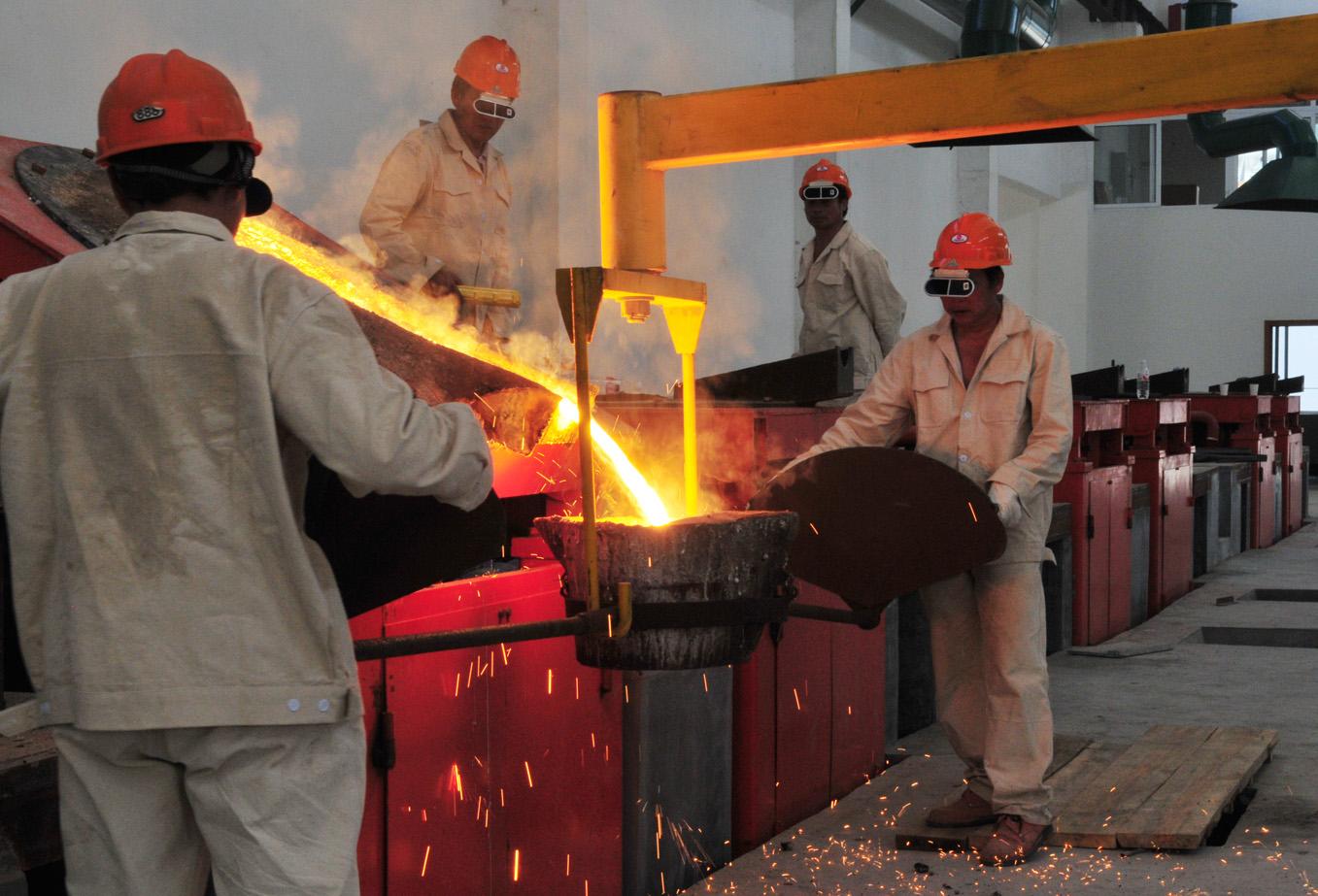
01 Manganese steel Representative of steel 40Mn2, 50Mn2. Overheating sensitivity, high temperature tempering brittleness, water quenching is easy to crack, hardenability is higher than carbon
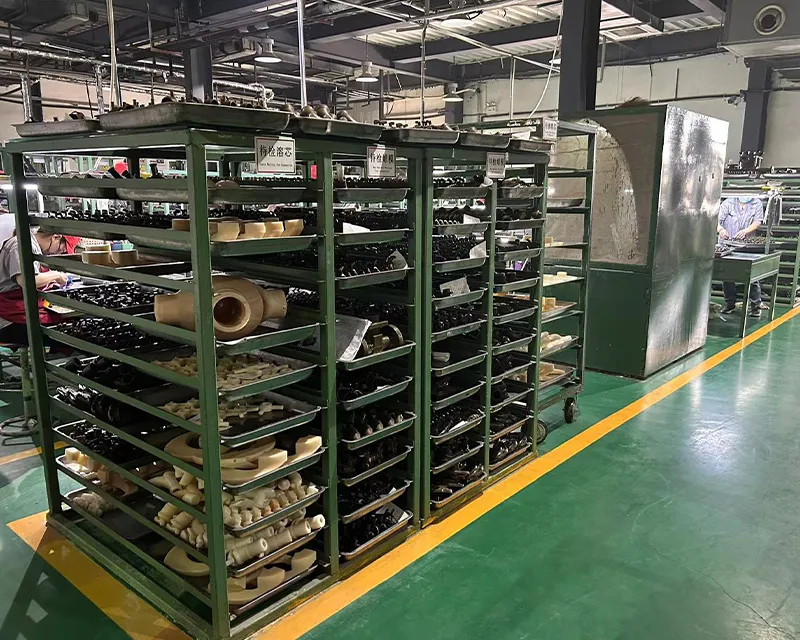
Steel castings should be used after heat treatment. Because there are casting defects such as pores, cracks, shrinkage cavities, shrinkage porosity, coarse grains, uneven structure,
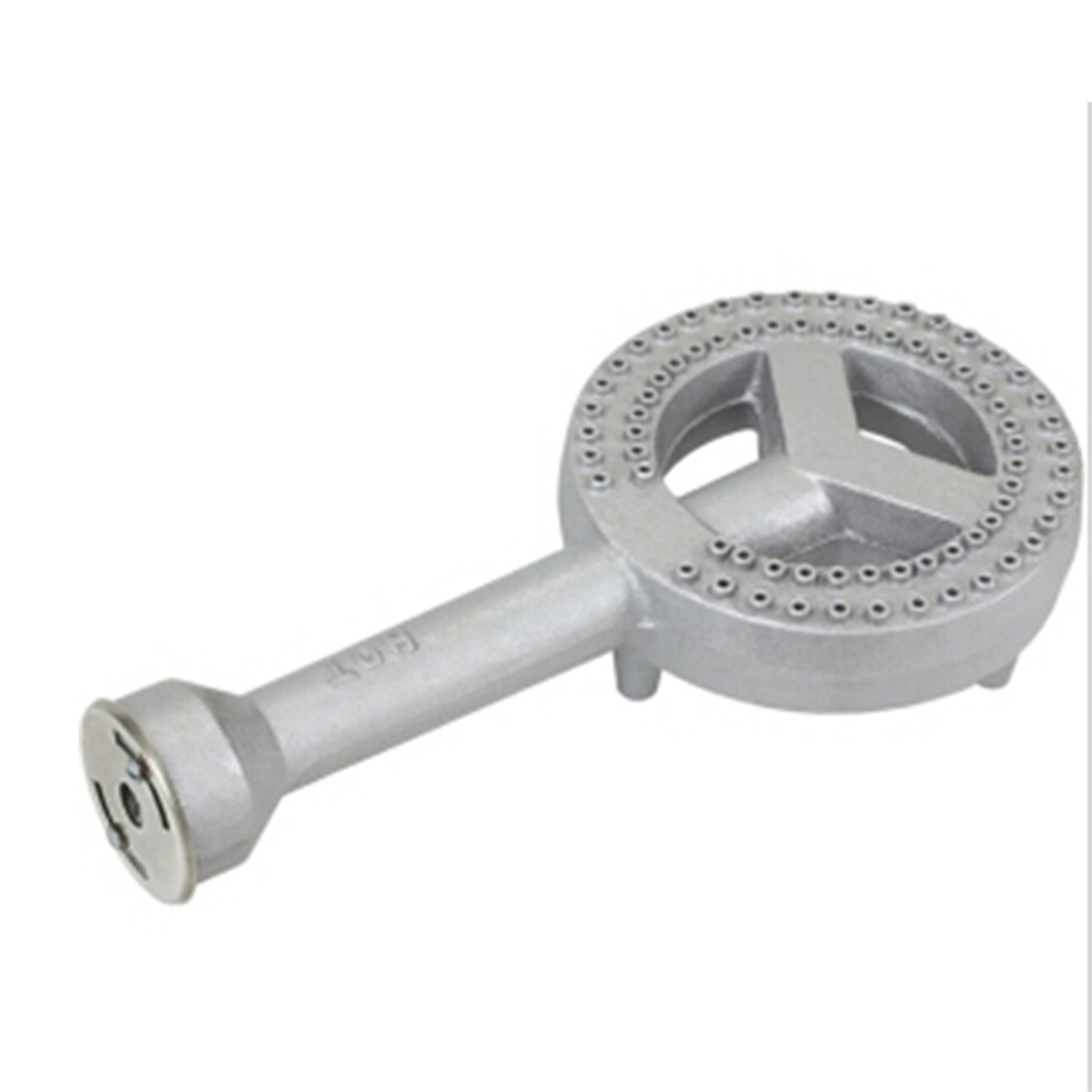
What Are the Advantages of Sand Casting? Sand casting, despite being an ancient process, offers advantages that render it highly relevant in high-technology production. Such
The mechanical properties of cast steel are higher than those of cast iron, but their casting properties are worse than those of cast iron. Because
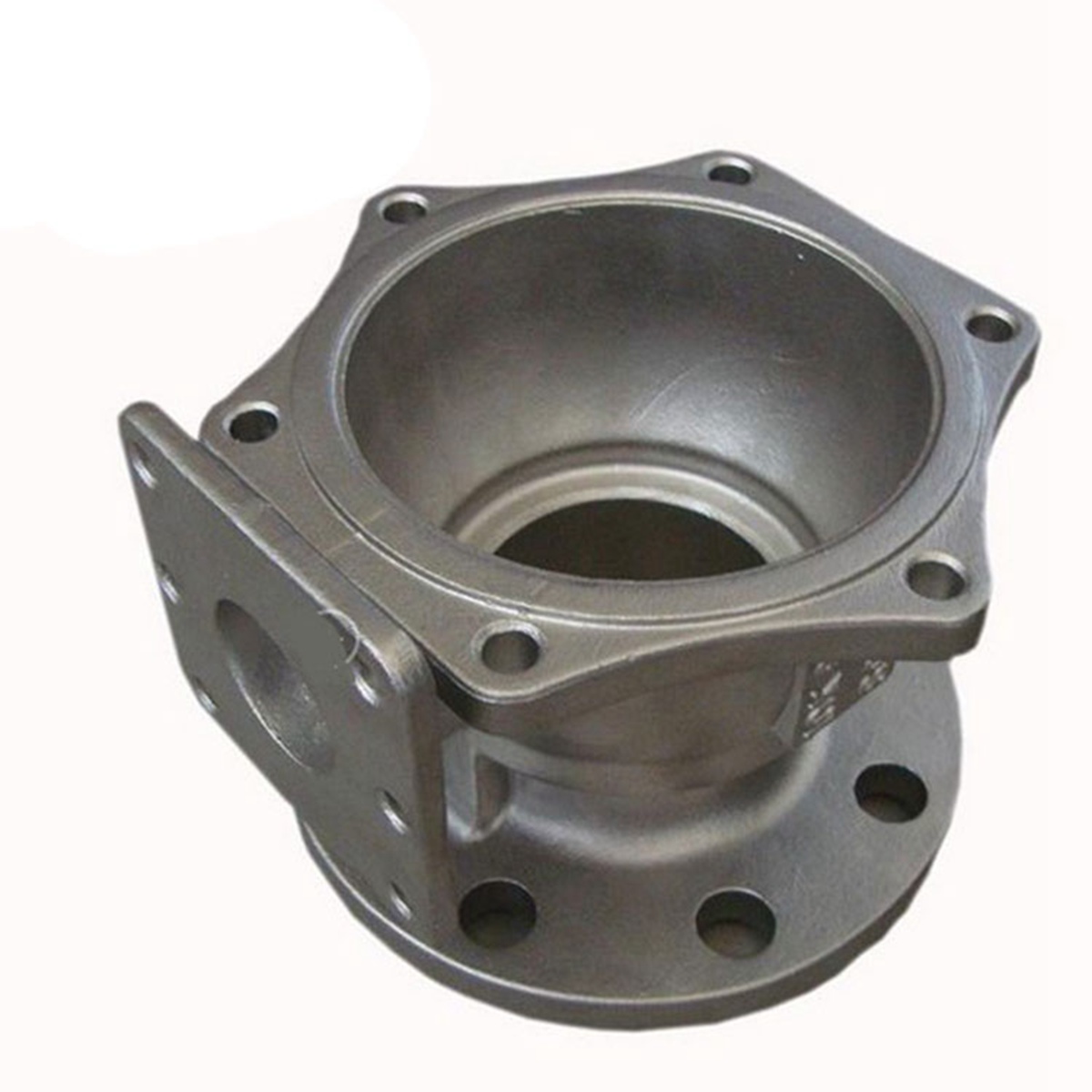
How Does Sand Casting Work? Sand casting works by generating a mold by forming a packed sand body around a wooden or rapid prototype master/pattern