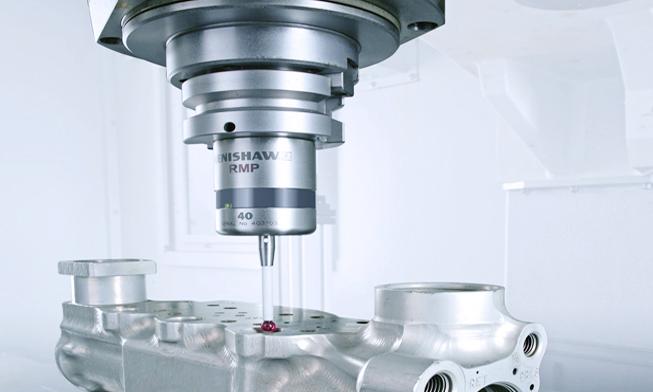
Tighter Tolerances = Increased Costs
It is important to keep in mind that a tighter tolerance can result in additional cost because of increased scrap, additional fixturing, special measurement tools

It is important to keep in mind that a tighter tolerance can result in additional cost because of increased scrap, additional fixturing, special measurement tools
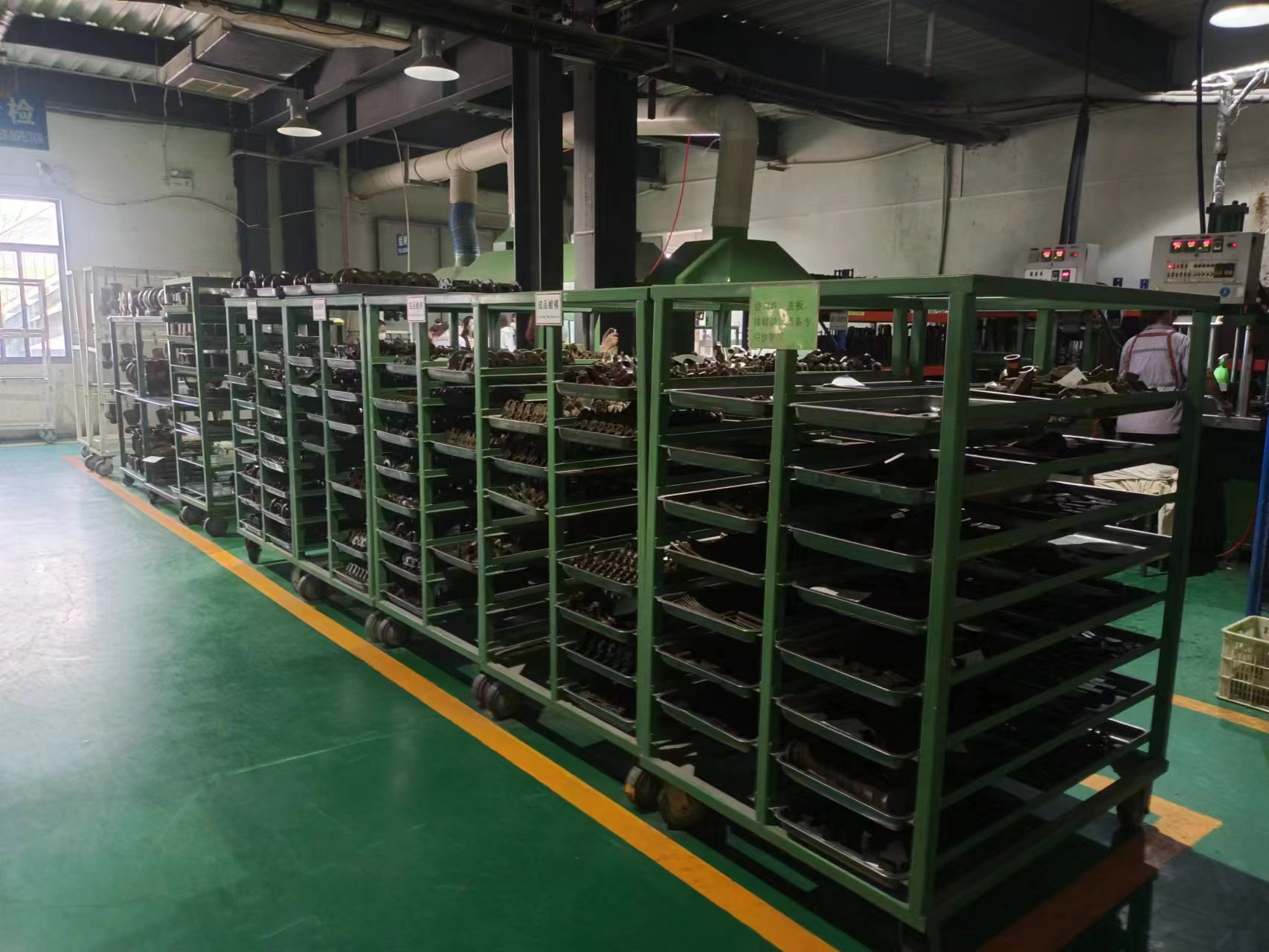
Steel investment casting is widely applied across industries for its ability to produce intricate and highly precise components. In the aerospace sector, it is used
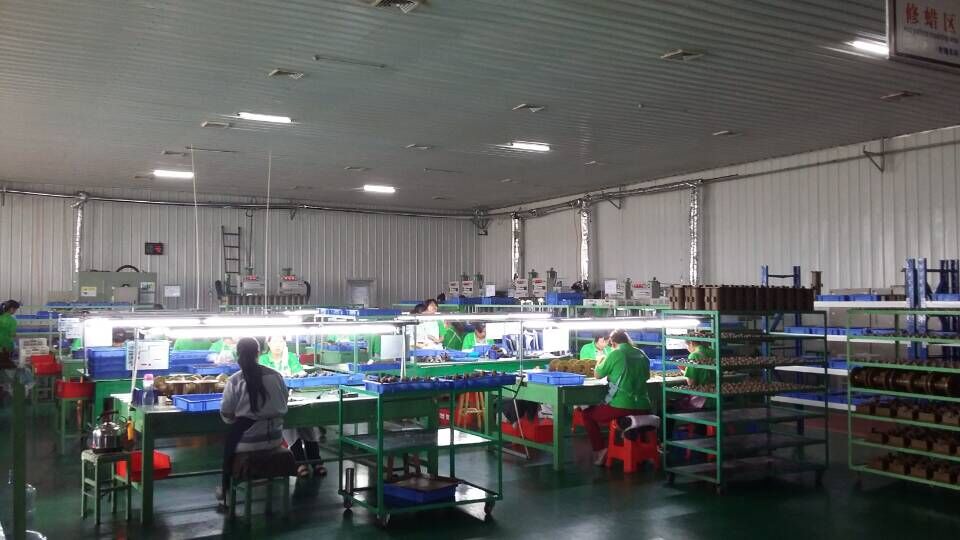
Here are the key steps involved in the steel investment casting process: Wax Pattern Creation: Injection Molding: Create wax patterns by injecting molten wax into
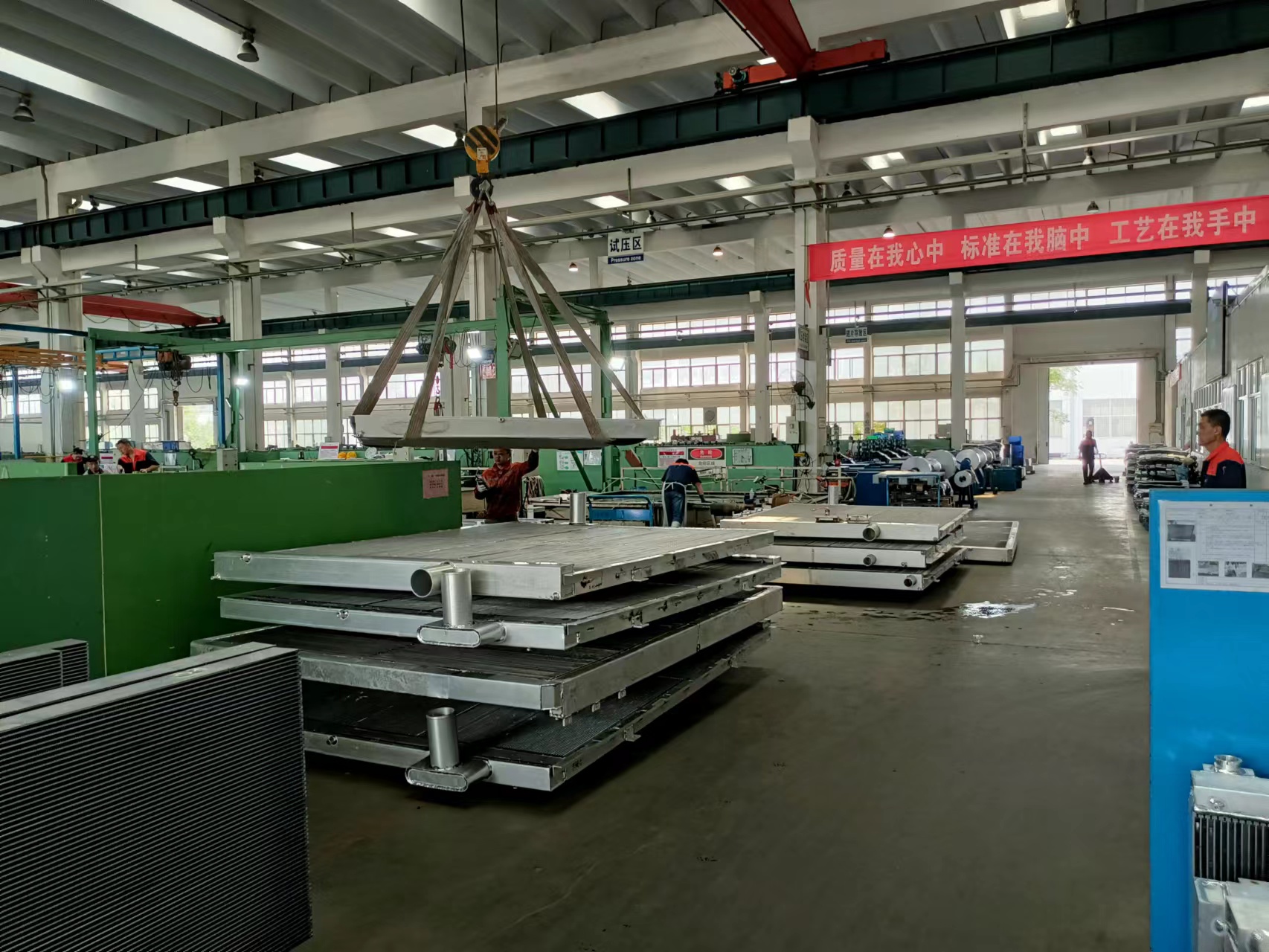
Rapid plastic injection molding is a process that results in a very durable set of identical parts for testing with multiple backup parts. Rapid injection molding
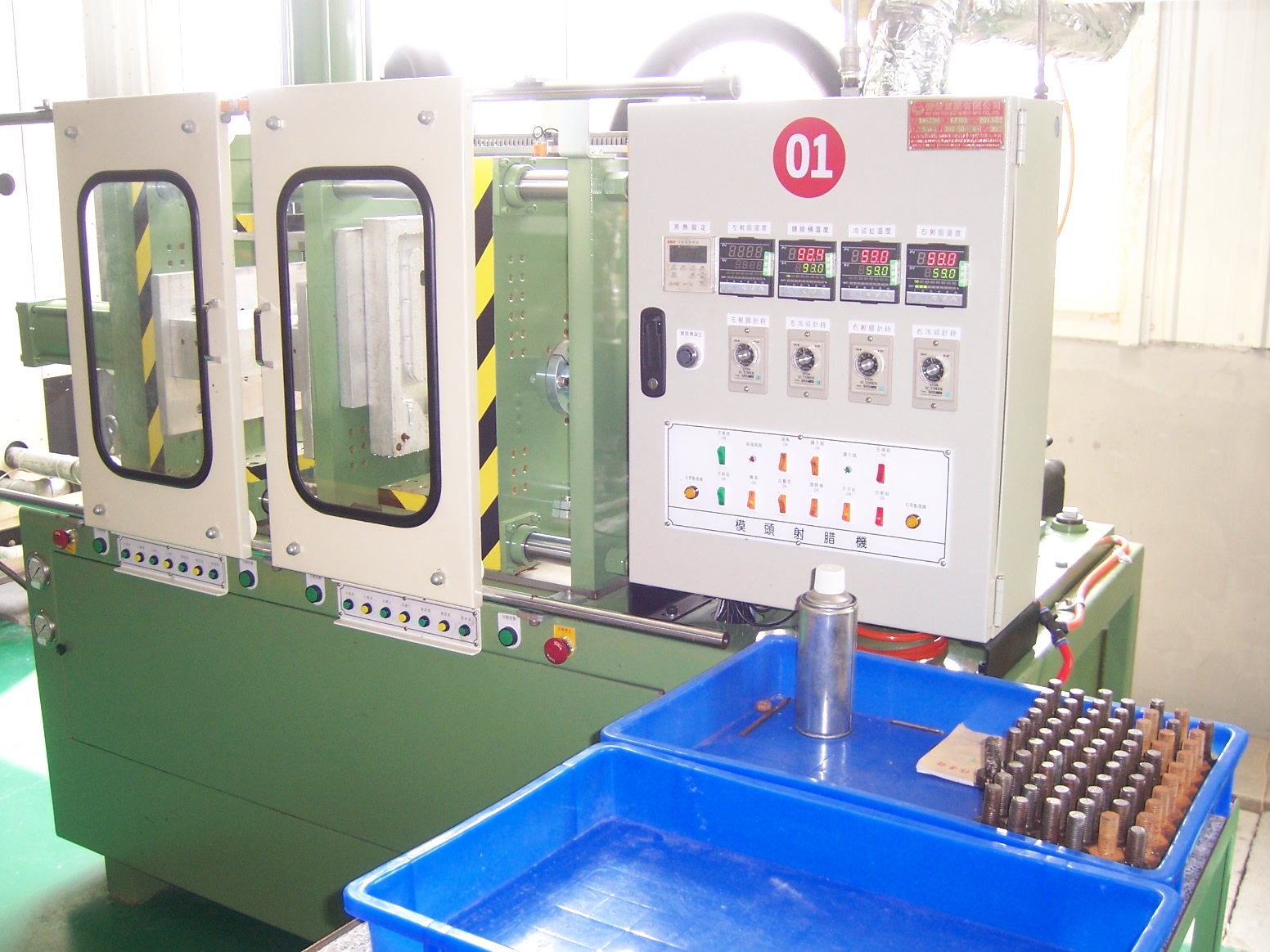
Investment casting offers a plethora of advantages that set it apart in the world of production processes. Let’s delve into the key merits that make
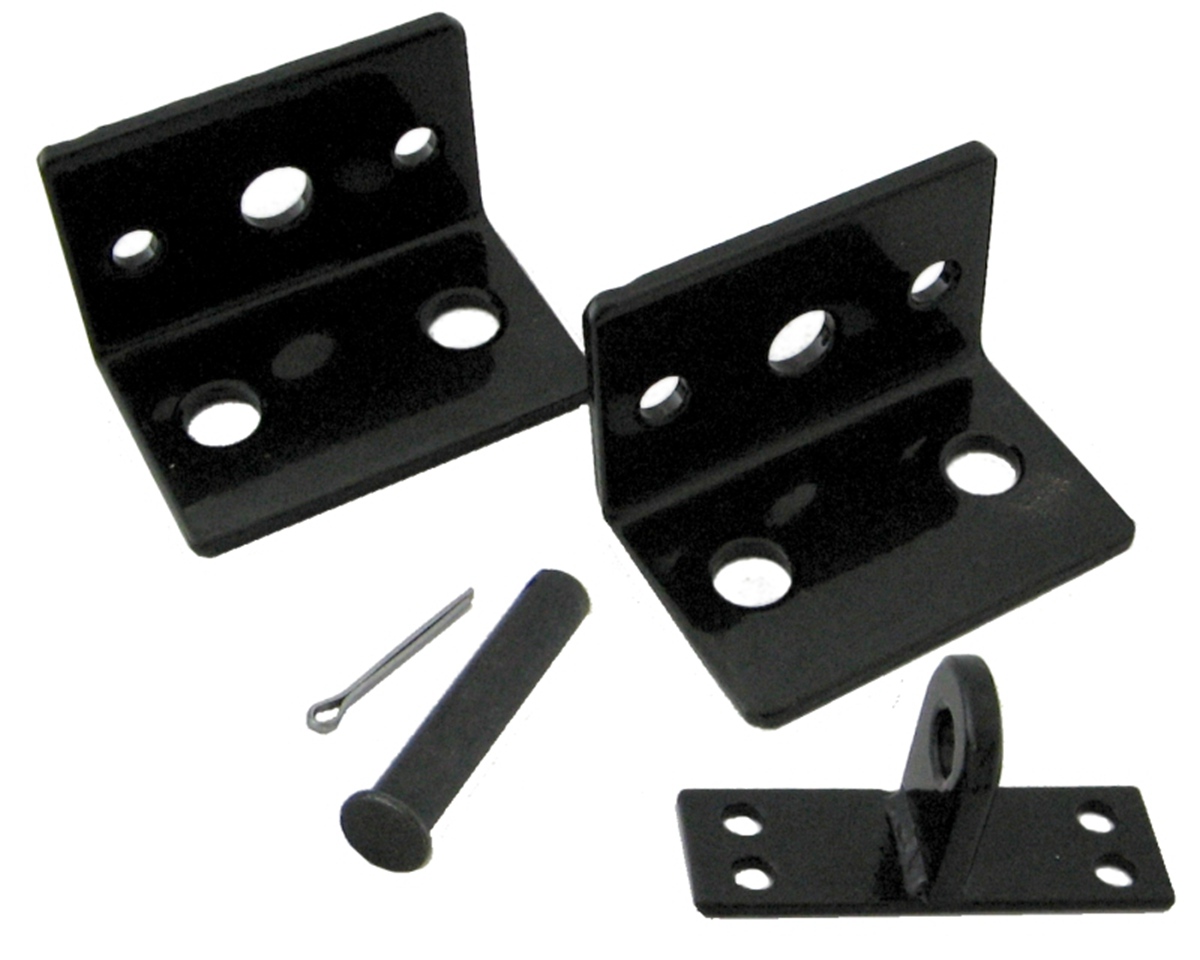
Rapid sheet metal fabrication can be a great option for quick-turn flat parts that require the prototype to be evaluated in its final metal material.
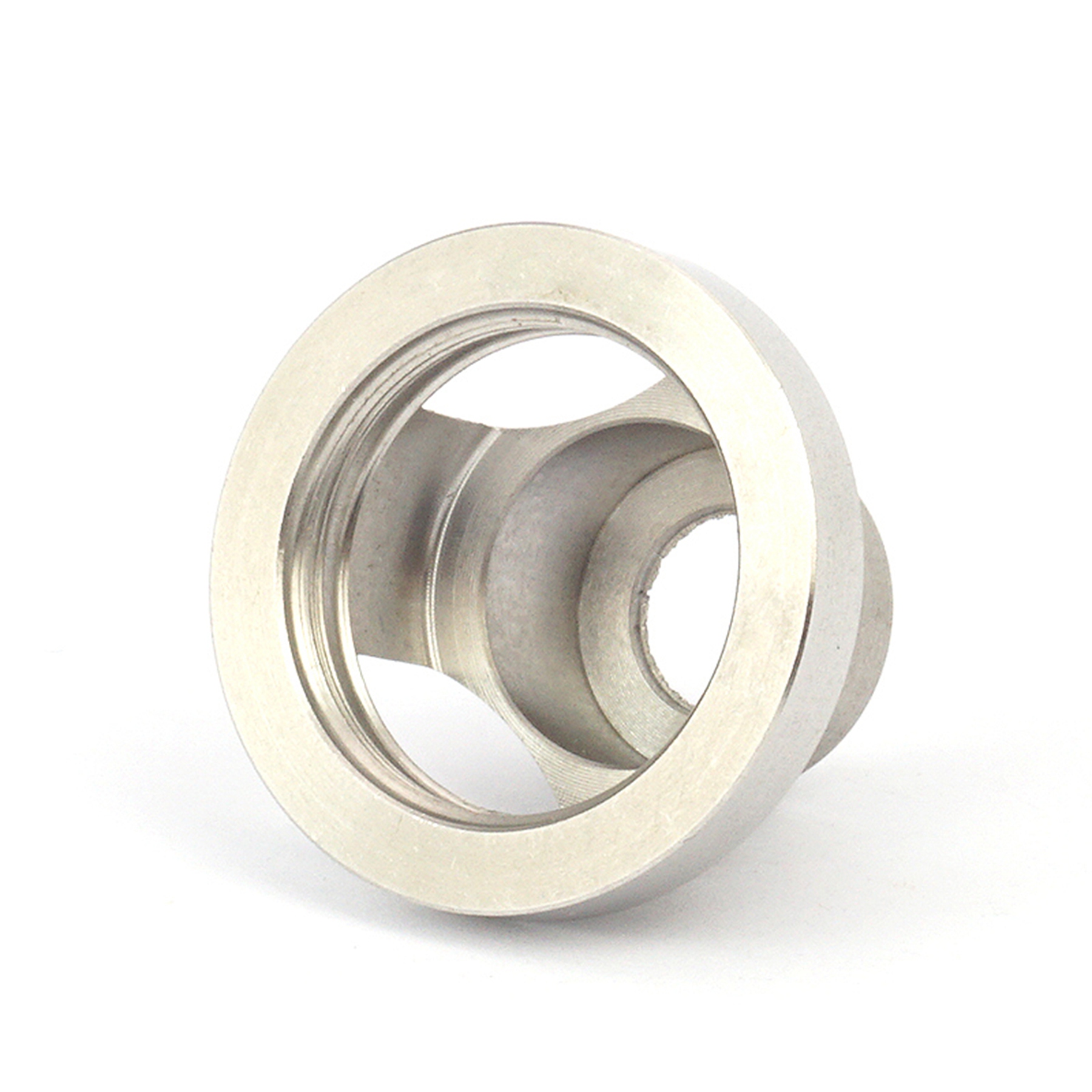
CNC milling and CNC turning are great rapid prototyping options for parts that require the prototype to be evaluated in its final material if cut
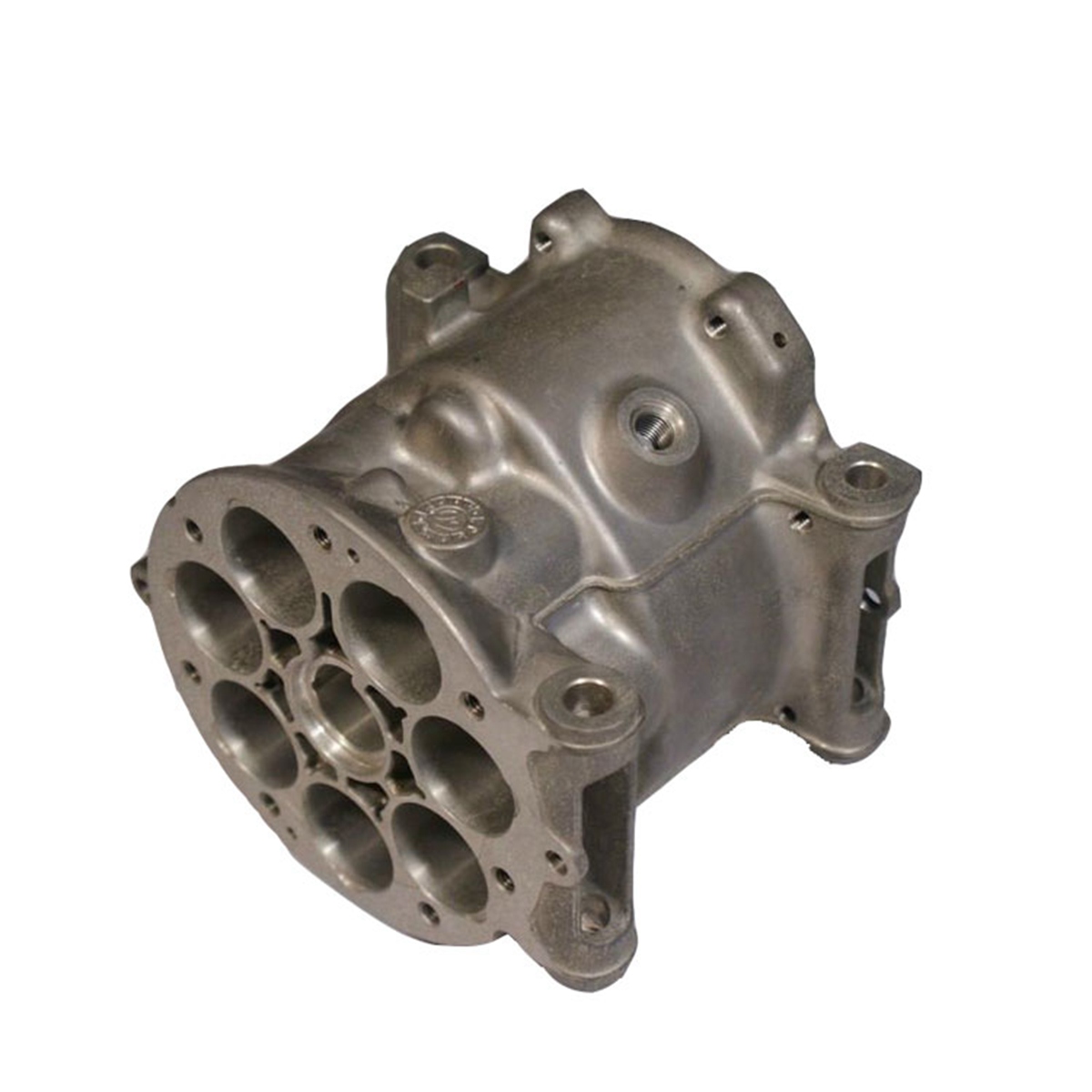
High Precision and Consistency:It is used to make the parts have complex geometry. Besides this, it gives high-dimensional accuracy to gravity-cast aluminum parts. It shows
3D printing is the most common rapid prototyping process. The key advantage of using a 3D prototype service is that it is fast and affordable. Some
Despite being austenitic stainless steels and having a similar chemical base, both grades offer comparable features of excellent resistance to corrosion and nonmagnetic properties. With