The world of 3D printing has evolved far beyond basic plastics. The choice of material is now critical, as it directly impacts the strength, flexibility, appearance, and functionality of a printed object. Materials are generally categorized by the printing process they are designed for. Here’s a detailed breakdown.
1. Fused Deposition Modeling (FDM) Materials
FDM is the most common and accessible printing technology. It works by extruding a thermoplastic filament through a heated nozzle.
PLA (Polylactic Acid)
Description: The most popular beginner-friendly material. It’s a biodegradable polymer made from renewable resources like corn starch or sugarcane.
Key Properties: Easy to print, low warp, wide color variety, odorless during printing, brittle under stress, low heat resistance.
Common Uses: Prototypes, educational models, decorative items, low-stress applications.
ABS (Acrylonitrile Butadiene Styrene)
Description: A classic, strong engineering plastic known for its durability.
Key Properties: Tough, impact-resistant, slightly flexible, higher heat resistance than PLA. Prone to warping, requires a heated bed and well-ventilated area due to fumes.
Common Uses: Automotive parts, LEGO-like bricks, electronic housings, functional prototypes.
PETG (Polyethylene Terephthalate Glycol)
Description: A versatile and durable material that combines ease-of-use with excellent properties.
Key Properties: Strong, impact-resistant, water-resistant, good chemical resistance, low warp, easier to print than ABS. Can be prone to stringing.
Common Uses: Water bottles, mechanical parts, protective components, food-safe containers (with appropriate nozzle and settings).
TPU (Thermoplastic Polyurethane)
Description: A flexible and elastic filament belonging to the TPE (Thermoplastic Elastomer) family.
Key Properties: High flexibility, excellent shock absorption, wear resistance. Requires a direct drive extruder for reliable printing.
Common Uses: Phone cases, wearables, gaskets, hinges, shock-absorbing components.
Nylon (Polyamide)
Description: A strong, durable, and versatile engineering plastic.
Key Properties: High strength, toughness, excellent abrasion resistance, and some flexibility. Very hygroscopic (absorbs moisture from the air), requiring dry storage. Can be challenging to print.
Common Uses: Gears, tools, functional prototypes, living hinges.
ASA (Acrylonitrile Styrene Acrylate)
Description: Similar to ABS but with superior weather and UV resistance.
Key Properties: UV stable, weather-resistant, high impact strength, and good temperature resistance. Similar warping tendencies and fume concerns as ABS.
Common Uses: Outdoor applications, automotive exterior parts, garden fixtures.
PC (Polycarbonate)
Description: An extremely strong and heat-resistant engineering thermoplastic.
Key Properties: Very high impact strength, excellent heat resistance (>110°C), transparent options available. Requires a high-temperature printer and an enclosed chamber to prevent warping.
Common Uses: High-strength functional parts, protective gear, mechanical components.
Composites (Carbon Fiber, Kevlar, Glass Fiber Reinforced)
Description: Filaments like PLA, PETG, or Nylon infused with short strands of reinforcing fibers.
Key Properties: Increased stiffness and strength, reduced weight, and minimal warp. Highly abrasive and will wear down standard brass nozzles quickly (require a hardened steel nozzle).
Common Uses: High-stiffness jigs and fixtures, drone frames, automotive parts.
2. Stereolithography (SLA) & Digital Light Processing (DLP) Materials
These technologies use a laser or projector to cure liquid photopolymer resins layer by layer, achieving very high detail.
Standard Resins
Description: General-purpose resins that produce high-detail, smooth-surface prints.
Key Properties: Excellent resolution, brittle when cured, not suitable for functional parts.
Common Uses: Highly detailed models, figurines, jewelry prototypes.
Tough/Durable Resins
Description: Engineered to mimic the properties of ABS or PP (Polypropylene).
Key Properties: High impact resistance, good tensile strength, and flexibility. Can withstand repeated stress and strain.
Common Uses: Functional prototypes, snap-fit enclosures, jigs and fixtures.
Flexible/Rubber-like Resins
Description: Resins that simulate the properties of rubber or silicone.
Key Properties: High elasticity, shock absorption, and can be bent or compressed repeatedly.
Common Uses: Gaskets, seals, wearable prototypes, shock-absorbing pads.
High-Temperature Resins
Description: Resins that can withstand elevated temperatures without deforming.
Key Properties: Heat deflection temperatures (HDT) often above 200°C, allowing for use in hot environments.
Common Uses: Mold-making, hot air/fluid fixtures, heat-tolerant components.
Castable Resins
Description: Designed specifically for jewelry making. They burn out cleanly without ash or residue.
Key Properties: Clean burnout, high detail.
Common Uses: Creating patterns for investment casting of rings, pendants, and other jewelry.
3. Selective Laser Sintering (SLS) Materials
SLS uses a laser to sinter powdered material, fusing it into a solid structure. It doesn’t require support structures, as the surrounding powder supports the print.
Nylon (PA 11, PA 12)
Description: The most common SLS material. It produces parts with excellent mechanical properties.
Key Properties: High strength, stiffness, durability, and good chemical resistance. Parts are naturally slightly porous but can be sealed.
Common Uses: Fully functional prototypes, complex ducting, end-use production parts.
TPU (Flexible Polyurethane)
Description: The powder-based equivalent of flexible filament.
Key Properties: Elastic, shock-absorbing, and durable. Allows for complex, flexible geometries not possible with FDM.
Common Uses: Advanced wearables, flexible hinges, athletic equipment.
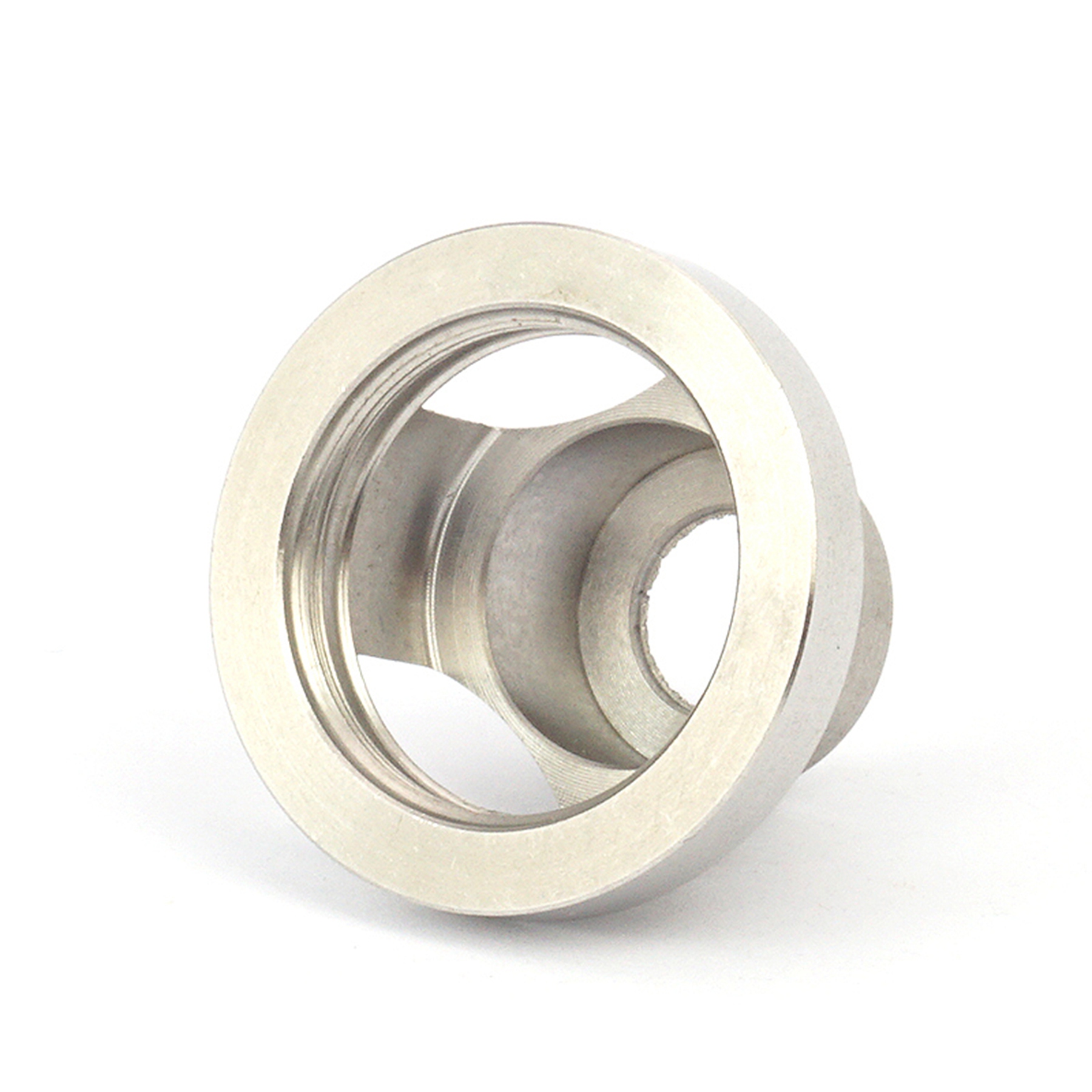
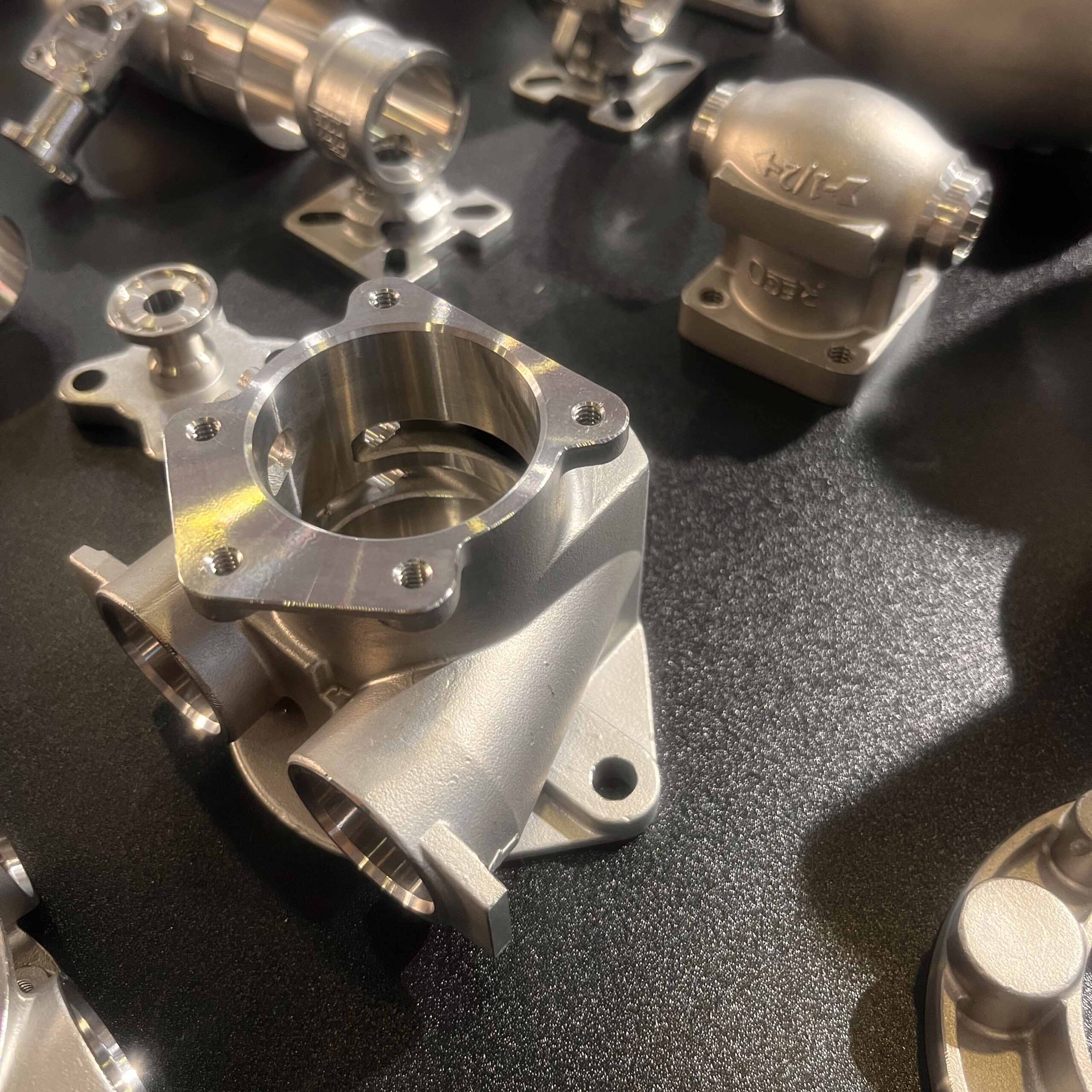
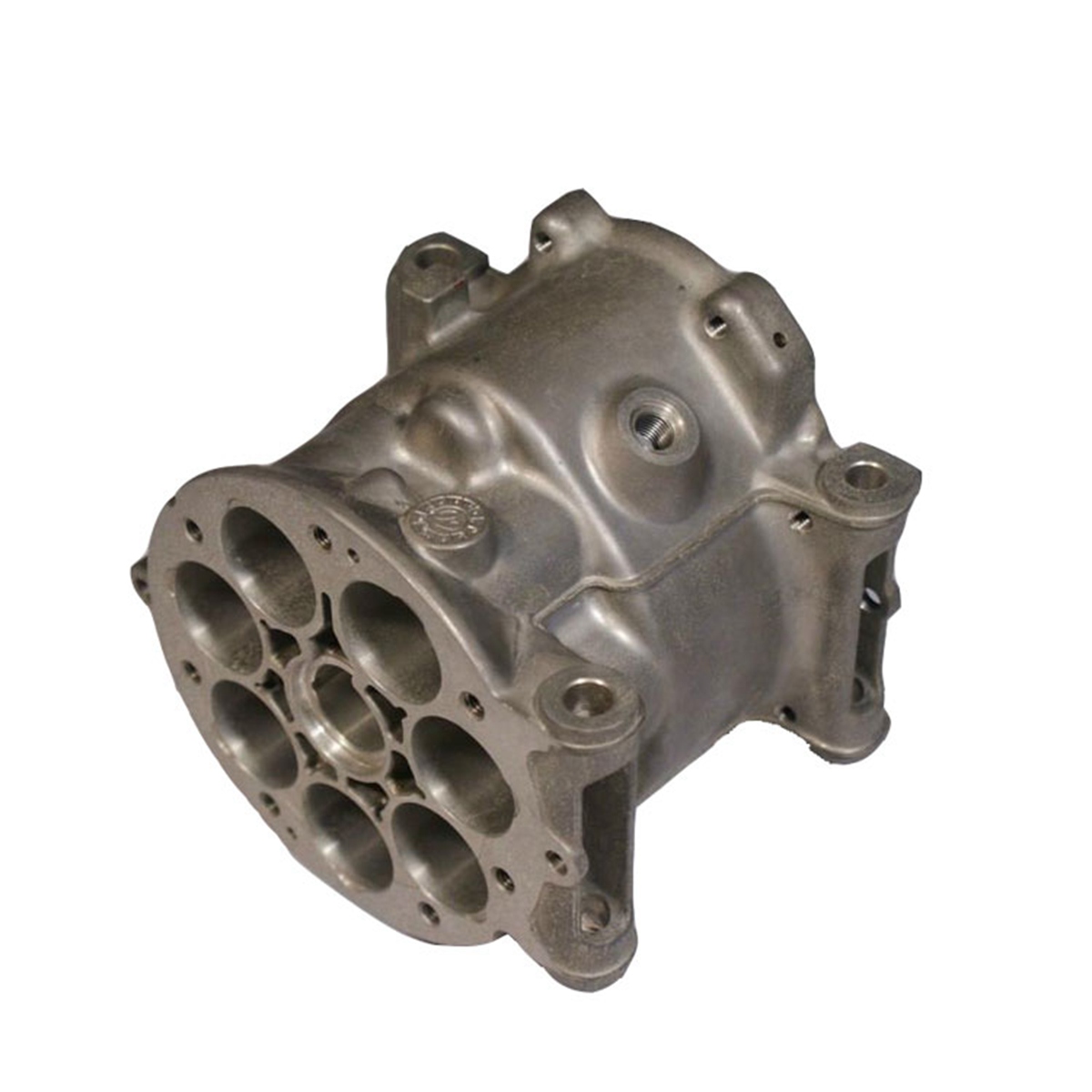
4. Metal 3D Printing Materials
Metal printing is typically done via Direct Metal Laser Sintering (DMLS) or Binder Jetting. These are industrial-grade processes.
Stainless Steel
Description: A strong, corrosion-resistant, and versatile metal.
Common Uses: Medical instruments, industrial tools, marine components.
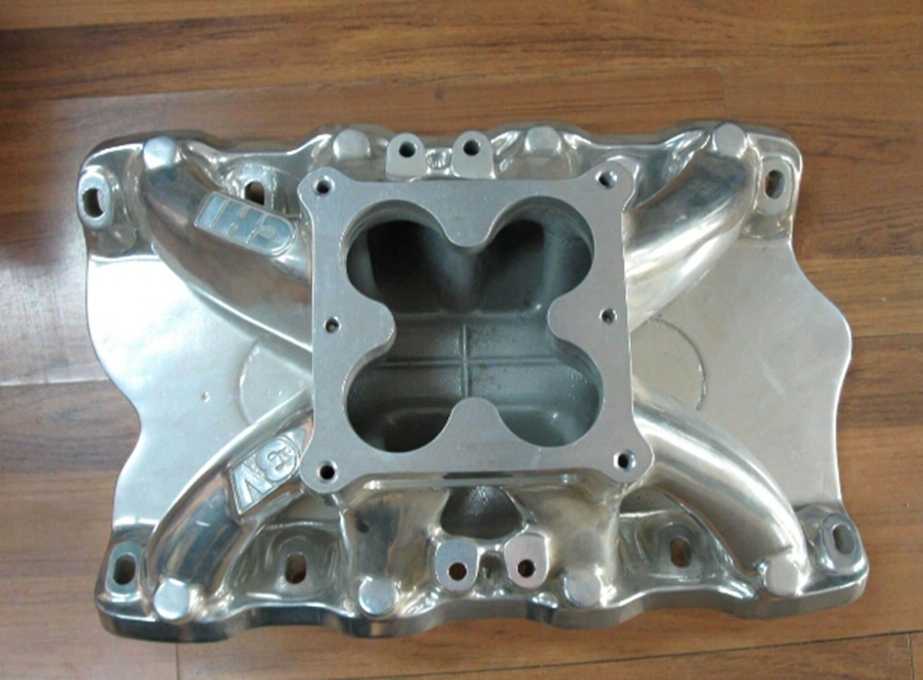
Aluminum (Typically AlSi10Mg)
Description: A lightweight metal with good strength-to-weight ratio and thermal properties.
Common Uses: Aerospace components, automotive parts, heat exchangers.
Titanium (Ti6Al4V)
Description: The premium choice for high-strength, lightweight, and biocompatible applications.
Common Uses: Aerospace, medical implants (like orthopedic implants), high-performance engineering.
Inconel (Nickel-Chromium Superalloy)
Description: A family of alloys known for exceptional performance in extreme environments.
Common Uses: Jet engine components, gas turbines, rocket engines.
Cobalt Chrome
Description: A very hard, wear-resistant, and biocompatible alloy.
Common Uses: Dental crowns and bridges, surgical implants, turbine blades.
How to Choose the Right Material
Selecting a material is a balance of requirements:
Function: Is it a visual prototype or a functional, load-bearing part?
Mechanical Properties: What level of strength, stiffness, flexibility, or impact resistance is needed?
Thermal Properties: Will the part be exposed to high temperatures?
Chemical/Environmental Resistance: Will it face UV light, moisture, or chemicals?
Durability: Does it need to withstand wear and abrasion?
Budget & Printability: Consider material cost and the technical requirements of your printer.
Summary Table
| Material | Technology | Key Characteristics | Best For |
| PLA | FDM | Easy, Biodegradable, Brittle | Models, Education |
| ABS | FDM | Strong, Durable, Heat Resistant | Functional Prototypes |
| PETG | FDM | Strong, Flexible, Chemical Resistant | Mechanical Parts, Containers |
| TPU | FDM | Flexible, Elastic, Shock Absorbing | Gaskets, Wearables |
| Nylon | FDM/SLS | Tough, Durable, Abrasion Resistant | Gears, Functional Parts |
| Standard Resin | SLA/DLP | High Detail, Smooth, Brittle | Detailed Models, Jewelry |
| Tough Resin | SLA/DLP | ABS-like, Functional | Prototypes, Enclosures |
| Stainless Steel | DMLS | Strong, Corrosion Resistant | Tools, Medical Devices |
| Titanium | DMLS | High Strength, Lightweight, Biocompatible | Aerospace, Medical Implants |
The 3D printing material landscape is vast and continuously expanding. Understanding these core materials is the first step to successfully bringing any digital design into the physical world.