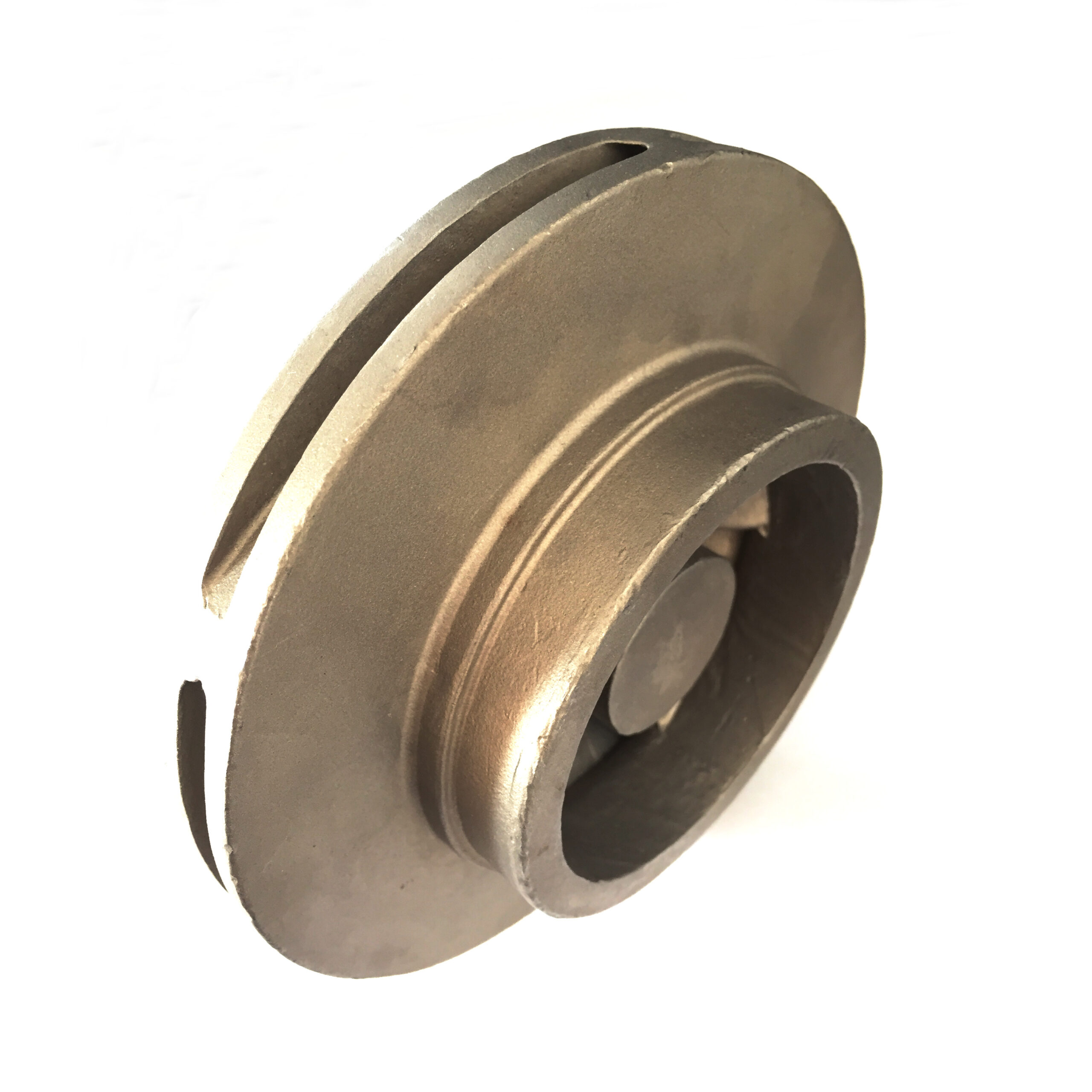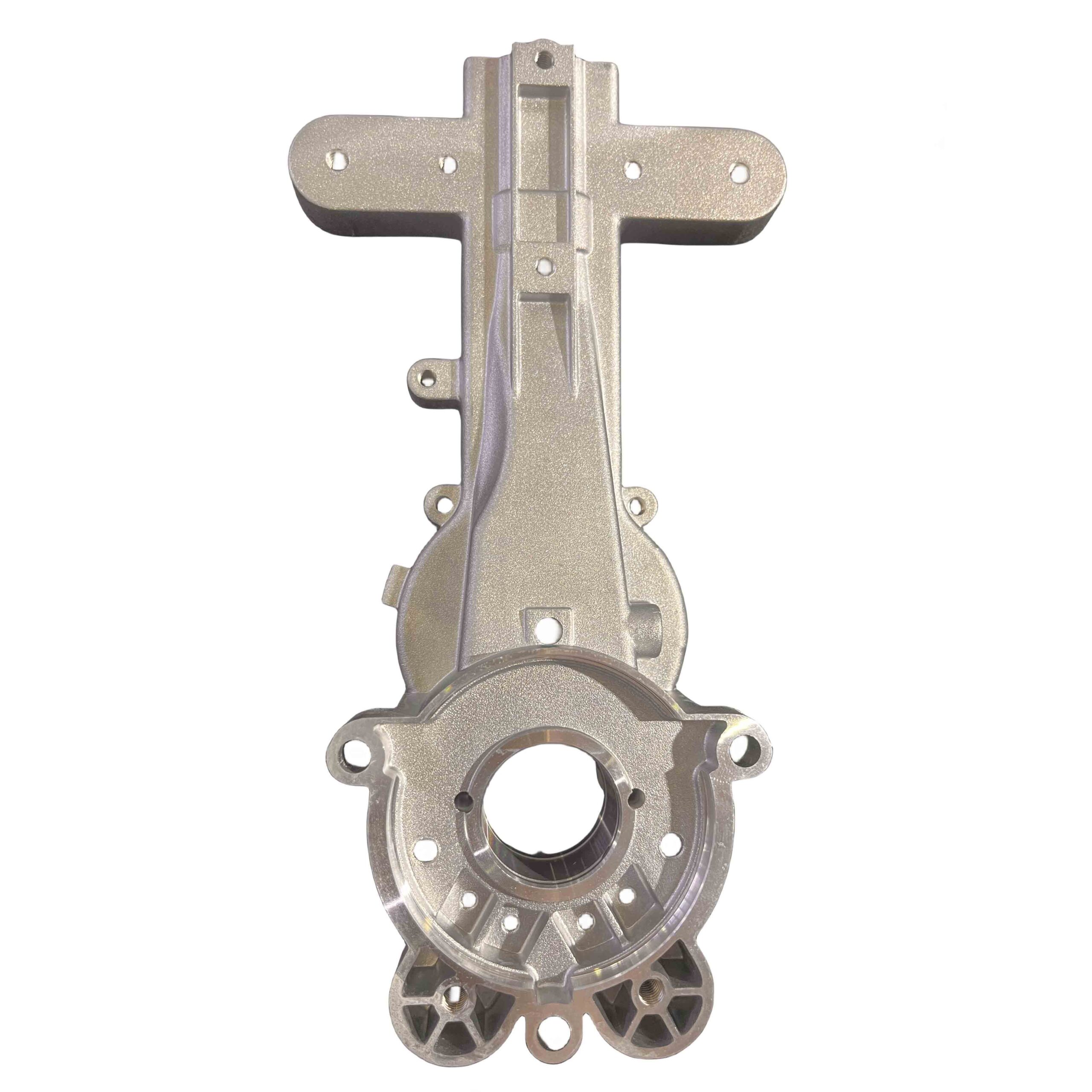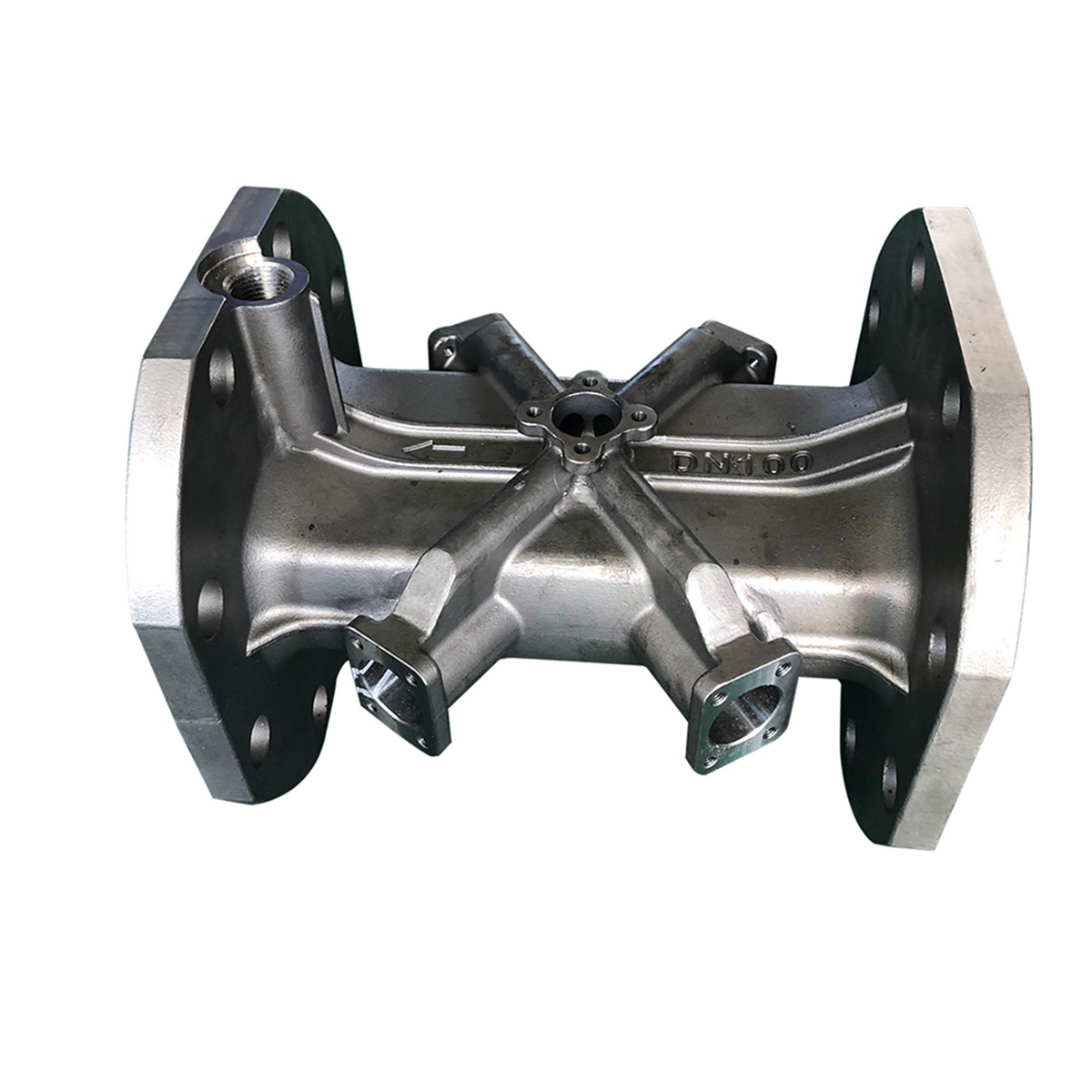
Manufacturing 316L stainless steel for valve castings requires careful control from casting design through final machining. Valve bodies and bonnets are often pressure-containing parts, so internal soundness, dimensional accuracy, material composition, and sealing surfaces all need to meet the specified requirements.
Casting Design and Process Selection
Production starts with a review of the valve drawing and 3D model. Engineers evaluate wall thickness, dimensional tolerances, machining allowance, shrinkage, internal cavities, and pressure-bearing areas.
The casting method is then selected according to the valve size, geometry, required accuracy, surface finish, production quantity, and cost target.
Investment casting is suitable for relatively complex valve components that require good dimensional accuracy and surface quality. Sand casting is commonly considered for larger valve bodies or parts where size and production economics make investment casting less practical.
Regardless of the process, gating and riser design are important. Molten stainless steel must fill the mold properly while the feeding system compensates for solidification shrinkage. Poor design can increase the risk of shrinkage porosity, inclusions, cold shuts, and other casting defects.
Melting and Pouring
Melting is a critical stage in producing 316L stainless steel for valve castings.
The metal charge and alloy composition must be controlled to achieve the specified casting grade. Chemical analysis is used to verify important elements such as carbon, chromium, nickel, and molybdenum before the casting is accepted.
Pouring conditions also affect casting quality. If temperature, filling behavior, or solidification is poorly controlled, defects may develop inside the valve body. This is particularly important around thick sections, transitions, flanges, and other areas where solidification rates can differ.
For pressure-containing valve castings, a visually acceptable surface does not necessarily indicate a sound internal structure. Process control during melting, pouring, and solidification is therefore essential.
Solution Heat Treatment
Heat treatment is an important step for austenitic stainless steel valve castings.
After casting, the component is solution heat treated according to the applicable material specification. The purpose is to establish the required metallurgical condition and help the casting achieve its specified corrosion resistance and mechanical properties.
For CF3M castings covered by ASTM A351/A351M, the applicable heat-treatment requirements should be followed rather than simply applying a generic “316L heat treatment” procedure.
Heat treatment is especially important because the performance of 316L stainless steel for valve castings depends on more than chemical composition. Two castings with similar chemistry may perform differently if their casting and heat-treatment processes are not properly controlled.
Cleaning and Surface Treatment
After heat treatment, the castings are cleaned to remove scale, residual molding material, and surface contamination.
Depending on the production process and customer requirements, finishing operations may include shot blasting, grinding, pickling, and passivation.
Surface treatment is particularly relevant for stainless steel. Iron contamination or an unsuitable surface condition can reduce the corrosion performance expected from the material. Critical sealing and mating surfaces are normally finished during subsequent machining rather than relying on the as-cast surface.
CNC Machining
Most 316L stainless steel for valve castings requires machining before the component can be assembled into a finished valve.
Typical machining areas include flange faces, valve seats, stem holes, bolt holes, threads, sealing surfaces, and other critical interfaces. These features require tighter dimensional tolerances and better surface finishes than the casting process alone can normally provide.
Machining must also account for the geometry of the casting. Correct datum selection and fixturing are important because errors during machining can affect concentricity, sealing performance, assembly, and final dimensions even when the original casting is sound.
The complete manufacturing route can therefore be summarized as:
Drawing Review → Casting Process Selection → Melting → Pouring and Solidification → Heat Treatment → Cleaning → CNC Machining
Each stage affects the next. For 316L stainless steel for valve castings, reliable performance ultimately depends on controlling the entire manufacturing process rather than focusing only on the stainless steel grade.