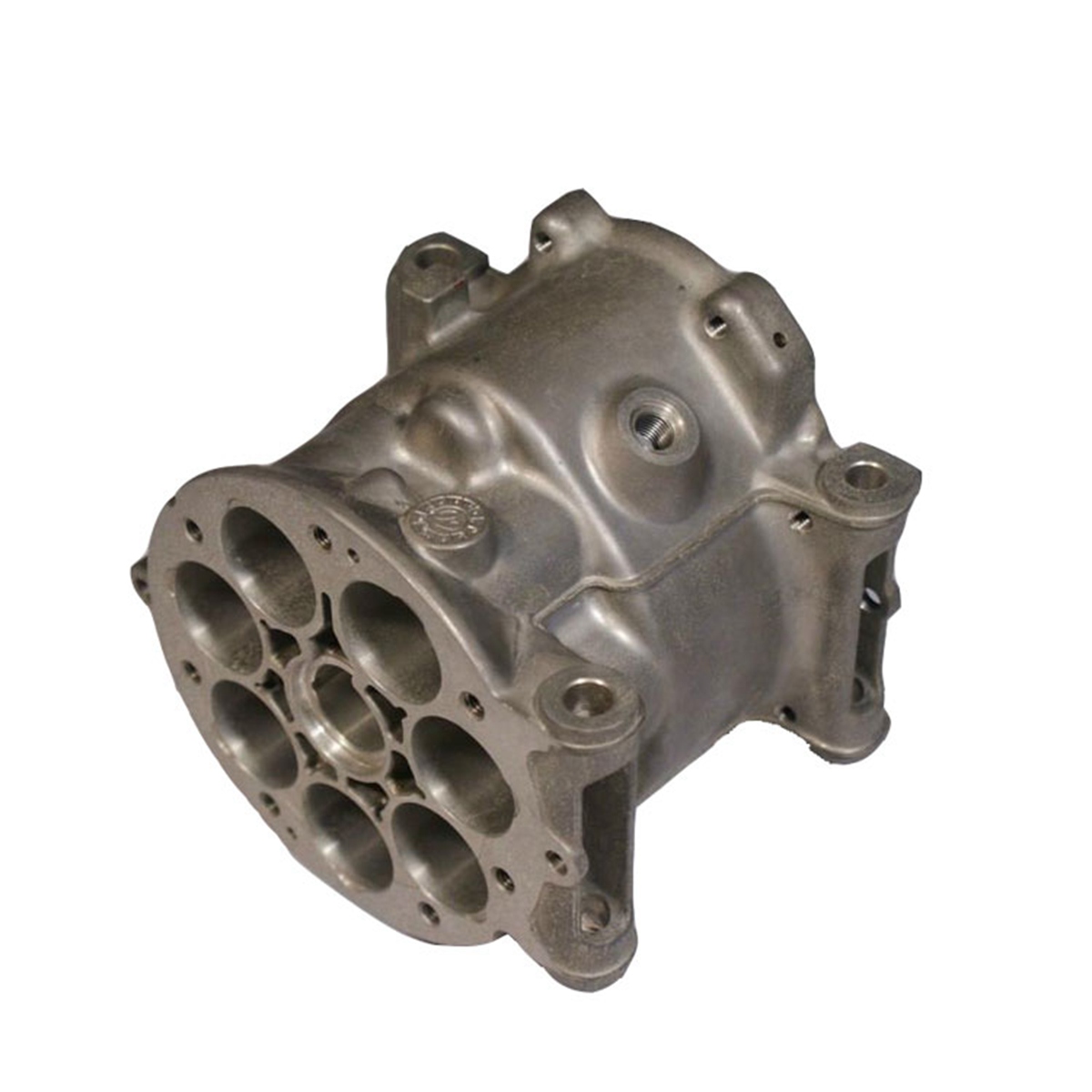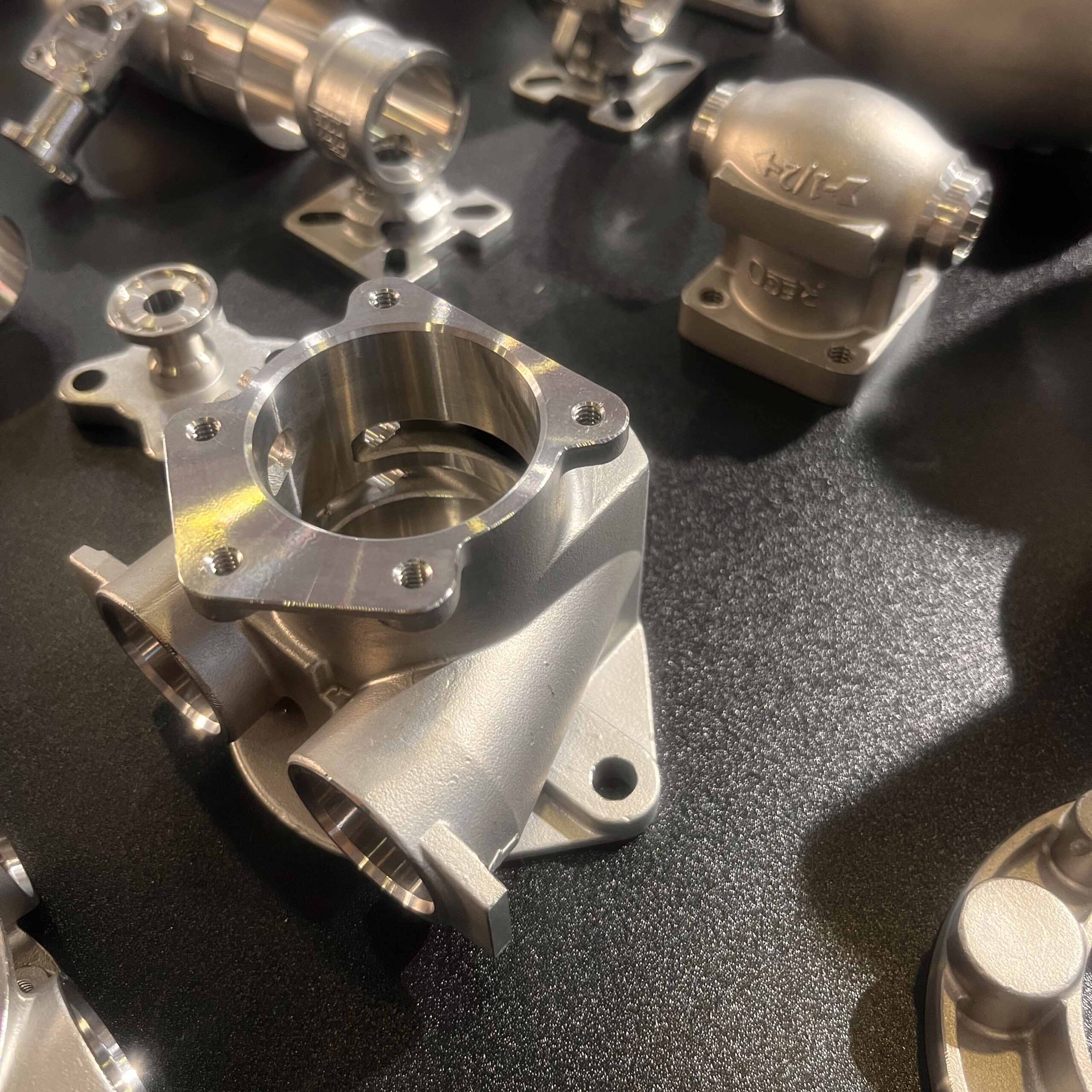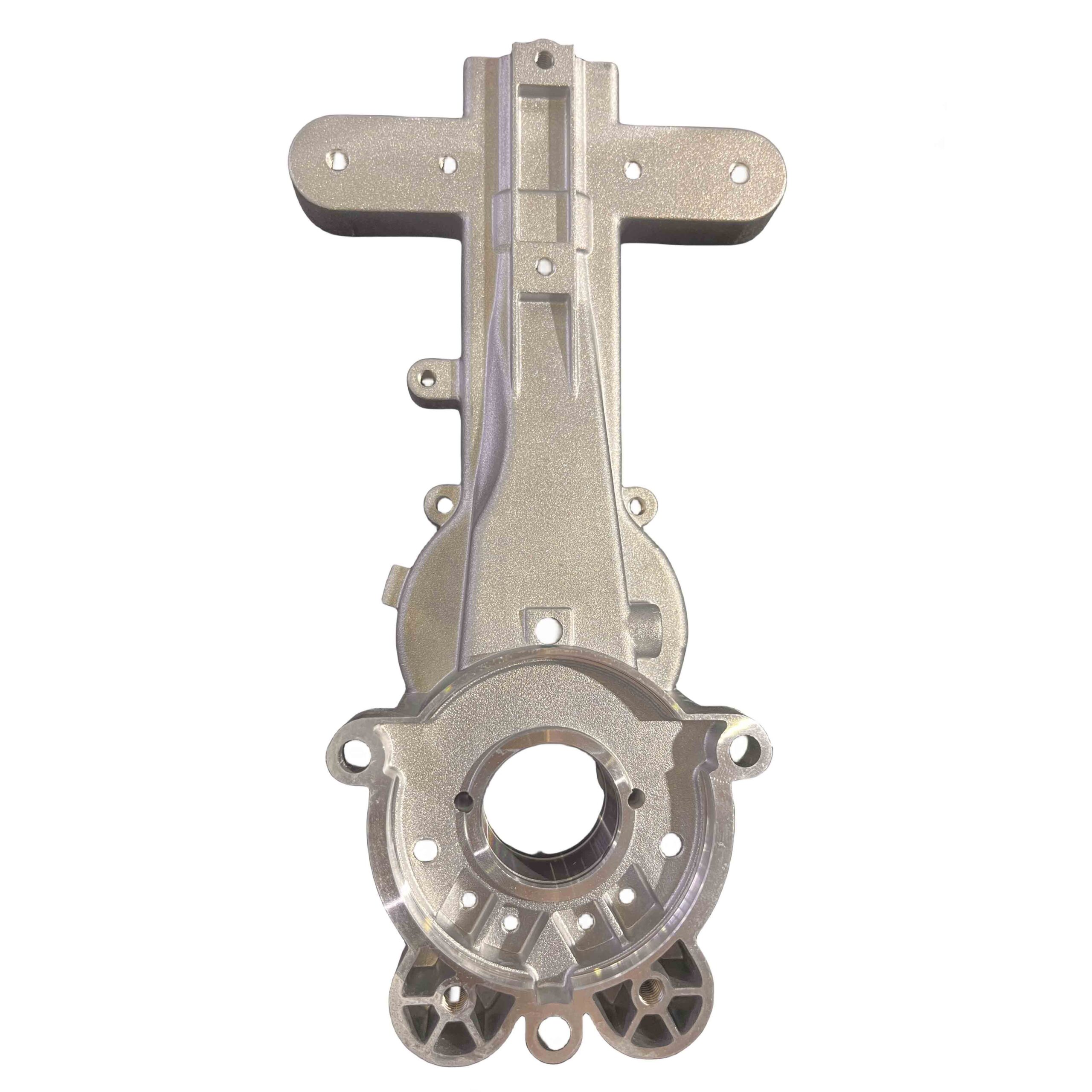
Although investment casting tooling costs are an unavoidable part of custom casting production, they are not fixed. Many factors that influence tooling costs can be optimized during the design and planning stage. By making informed decisions before tooling is manufactured, buyers can reduce initial investment while maintaining product quality and production efficiency.
The following strategies are commonly used to lower investment casting tooling costs without compromising the performance of the final casting.
Simplify the Part Design
Part complexity has a direct impact on tooling design. Features such as deep cavities, undercuts, sharp corners, and unnecessary geometric details often require additional inserts or more complicated machining operations, increasing tooling costs.
Whenever possible, simplify the design by:
Reducing unnecessary features
Using uniform wall thickness
Avoiding deep undercuts
Increasing corner radii where appropriate
Eliminating unnecessary cosmetic details
A simpler design is generally easier to manufacture and results in lower investment casting tooling costs.
Avoid Unnecessarily Tight Tolerances
Many drawings specify tighter tolerances than the application actually requires. While high precision is essential for certain functional areas, applying strict tolerances to every dimension increases tooling complexity and machining requirements.
Before finalizing the design, review whether all specified tolerances are truly necessary. Relaxing non-critical tolerances can reduce both tooling costs and overall production expenses.
Choose the Right Tooling Material
The tooling material should match the expected production volume.
For example:
Aluminum tooling is often suitable for prototype or low-volume production because it offers lower manufacturing costs and shorter lead times.
Steel tooling is more appropriate for medium- and high-volume production due to its superior durability and longer service life.
Selecting the appropriate tooling material helps balance the initial investment with long-term production requirements.
Increase Production Volume
Investment casting tooling costs are generally paid once, while the tooling can be used repeatedly throughout production.
As production volume increases, the tooling cost is distributed across more parts, reducing the tooling cost per component.
For example:
100 parts → Higher tooling cost per part
10,000 parts → Much lower tooling cost per part
If future demand is expected to grow, discussing long-term production plans with the supplier may help optimize tooling design and improve overall cost efficiency.
Involve the Manufacturer Early
One of the most effective ways to reduce investment casting tooling costs is to involve the manufacturer during the product design stage rather than after the design is finalized.
Experienced investment casting manufacturers can review drawings and identify opportunities to simplify tooling without affecting product performance.
Typical engineering recommendations may include:
Optimizing wall thickness
Improving draft angles
Simplifying complex features
Combining multiple features into a more manufacturable design
Recommending alternative tooling solutions
Early collaboration often prevents expensive tooling modifications after manufacturing has already begun.
Finalize the Design Before Tooling Production
Design changes after tooling has been manufactured are one of the biggest causes of additional tooling costs.
Even relatively small modifications to dimensions or geometry may require tool rework or, in some cases, completely new tooling.
Before approving tooling production, buyers should confirm:
Product drawings are finalized
Material specifications are confirmed
Critical dimensions are verified
Functional requirements have been reviewed
Investing extra time during the design review stage is usually far less expensive than modifying tooling later.
Reducing investment casting tooling costs is not simply about choosing the lowest quotation. It involves optimizing product design, selecting appropriate tooling solutions, and working closely with an experienced manufacturer. By making informed decisions early in the project, buyers can control tooling expenses while achieving reliable production quality and long-term manufacturing value.