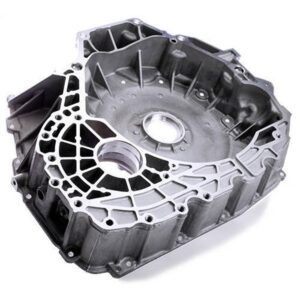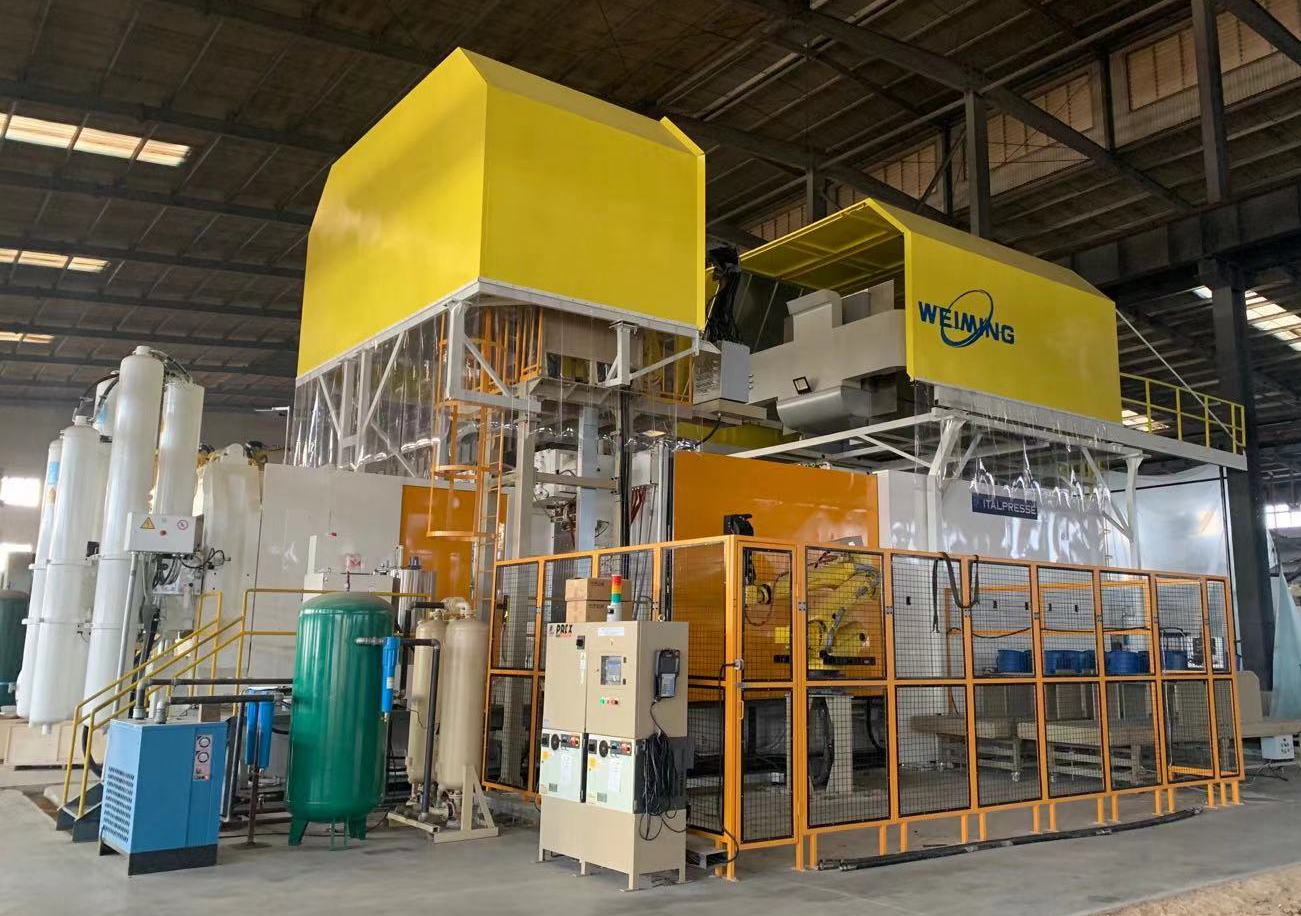
Die casting is a high-pressure metal casting process designed for mass production of uniform, dimensionally stable parts. In the broader context of investment casting vs die casting, this method is the preferred choice when speed, efficiency, and consistency across large volumes are the primary goals.
Unlike investment casting, where molds are ceramic and destroyed after each use, die casting uses durable steel molds (called dies) that can produce tens of thousands—or even millions—of identical parts before wearing out. This makes die casting highly cost-effective for long production runs.
Process Types:
High-Pressure Die Casting (HPDC) – The most common method. Molten metal is injected into the die at pressures ranging from 1,500 to 30,000 psi. Ideal for thin-walled, complex parts with excellent repeatability.
Gravity Die Casting (Permanent Mold Casting) – Uses gravity instead of pressure to fill the mold. Slower, but offers greater alloy compatibility and thicker wall sections.
Vacuum Die Casting – Air is removed from the mold cavity to minimize porosity. Often used for structural automotive parts.
Squeeze Casting – A hybrid between die casting and forging; used for parts requiring superior mechanical strength.