Choosing the right low alloy steel involves much more than selecting the grade with the highest strength. Every application has unique performance requirements, and the most suitable material is the one that provides the best balance between mechanical properties, manufacturing feasibility, service life, and overall cost.
Engineers typically evaluate several factors before making a material selection. By considering these factors early in the design stage, manufacturers can reduce production costs, improve product reliability, and avoid unnecessary design changes later in the project.
Based on Mechanical Requirements
Mechanical performance should always be the starting point when selecting a material.
Different components require different combinations of strength, toughness, hardness, and fatigue resistance. For example, a transmission gear operating under heavy loads requires excellent wear resistance and high hardness, while a structural bracket may prioritize toughness and weldability.
Before selecting a grade, engineers should evaluate questions such as:
What is the maximum working load?
Will the component experience repeated fatigue loading?
Is impact resistance important?
Does the application require high hardness or greater ductility?
Answering these questions helps narrow the range of suitable alloy grades and reduces the risk of overengineering or selecting an unnecessarily expensive material.
Based on Service Environment
Operating conditions have a significant influence on material performance.
Components used in dry indoor environments face very different challenges from those operating outdoors, underwater, or in corrosive industrial facilities. Temperature fluctuations, humidity, abrasive particles, chemicals, and salt exposure all affect long-term durability.
For example:
Mining equipment requires excellent wear resistance.
Construction machinery must withstand repeated impact loading.
Oil and gas components often require higher toughness and corrosion resistance.
Agricultural equipment benefits from a balance of strength, durability, and cost efficiency.
Selecting a material that matches the actual service environment helps maximize component life while minimizing maintenance costs.
Based on Heat Treatment
Heat treatment is often just as important as material selection itself.
Many alloy grades achieve their full mechanical potential only after appropriate processes such as quenching, tempering, or normalizing. The same steel can exhibit very different properties depending on the heat treatment applied.
When selecting a material, engineers should consider:
Required hardness
Target tensile strength
Toughness requirements
Dimensional stability after heat treatment
Distortion tolerance
A material with excellent heat treatment response may ultimately deliver better performance than a higher-grade steel processed incorrectly.
Based on Manufacturing Process
The manufacturing process should be considered at the same time as material selection.
Although the same grade may be suitable for multiple production methods, not every process produces identical mechanical properties or cost efficiency.
For example:
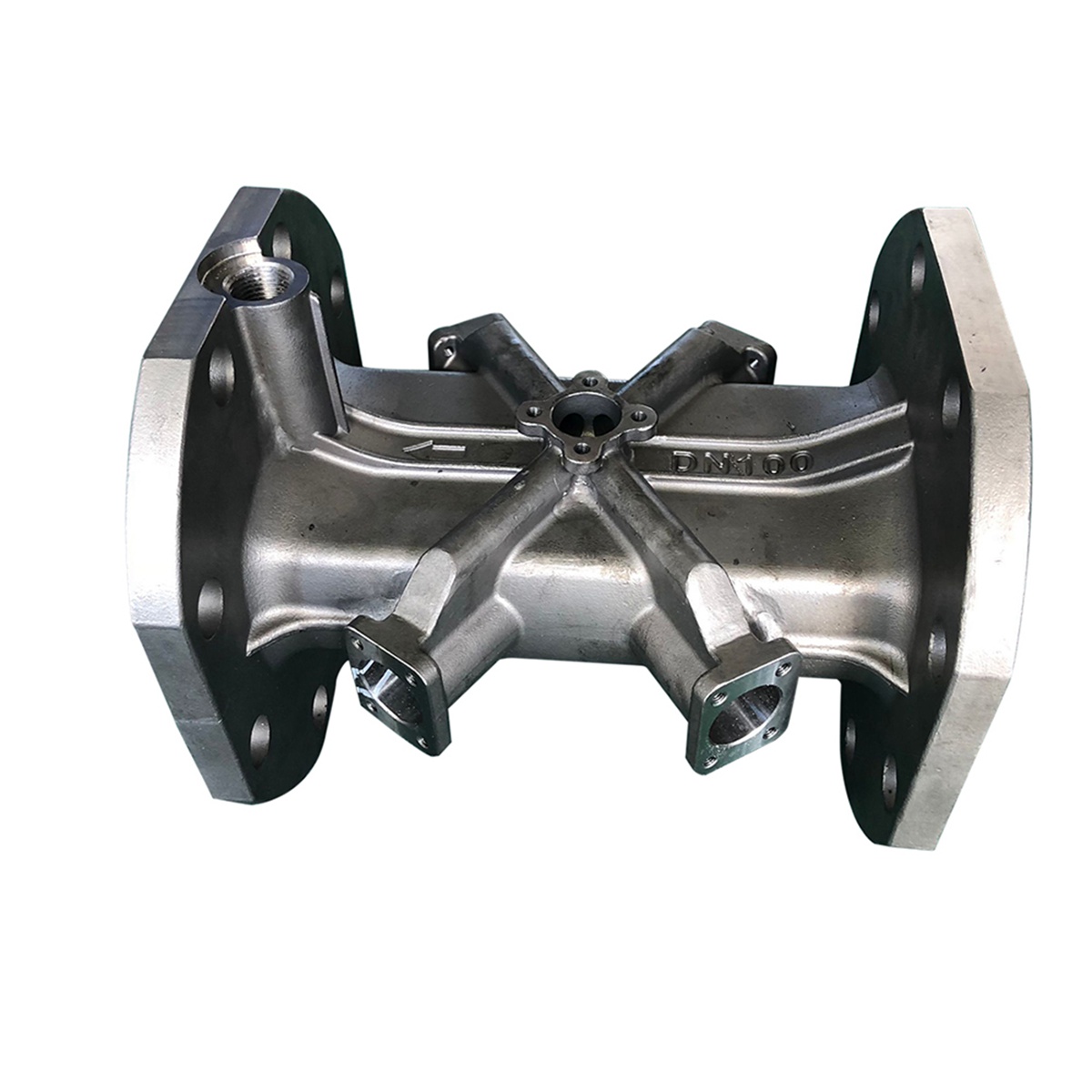
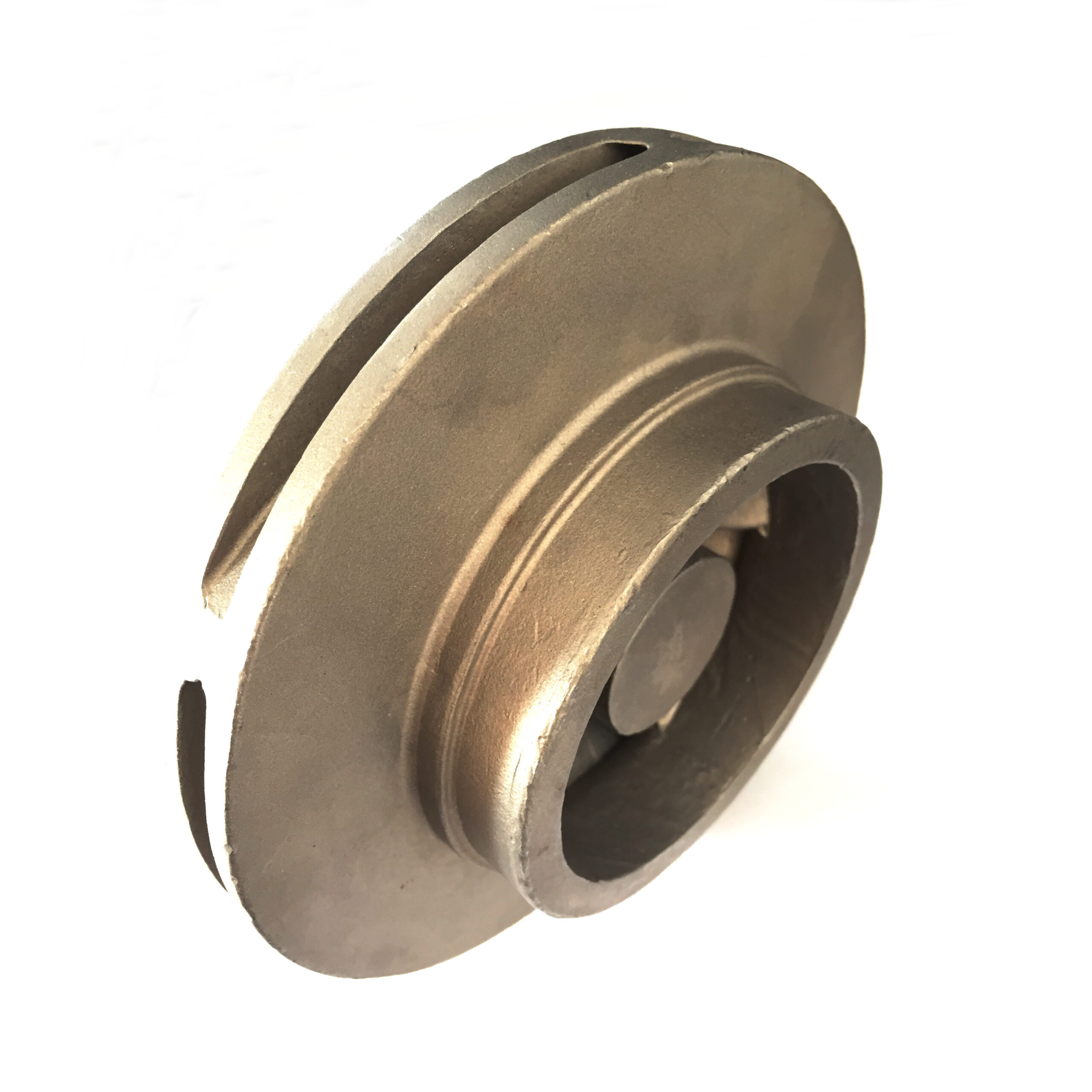
Sand casting is often preferred for large or complex components.
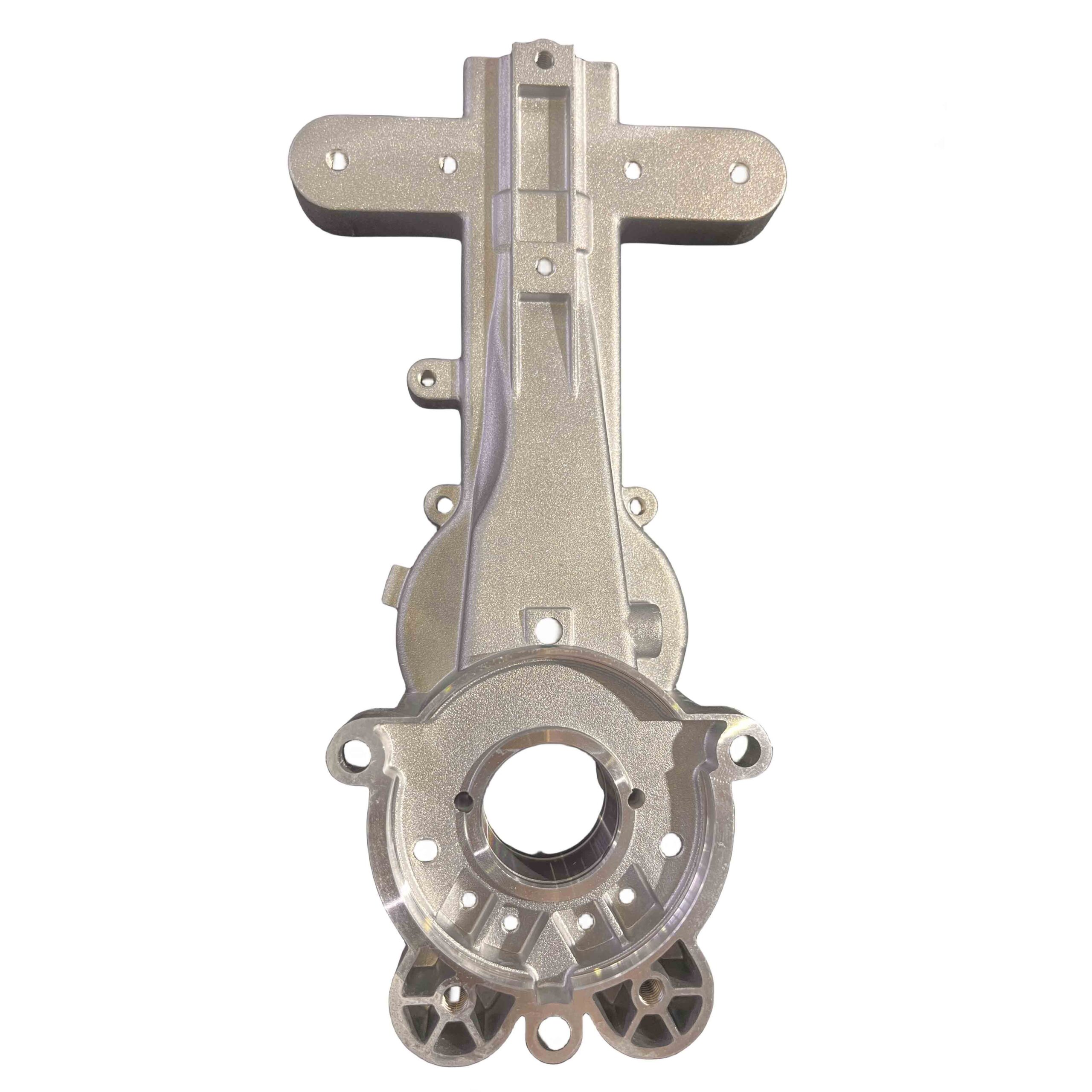
Investment casting provides excellent dimensional accuracy and surface finish.
Closed-die forging improves grain flow and mechanical strength.
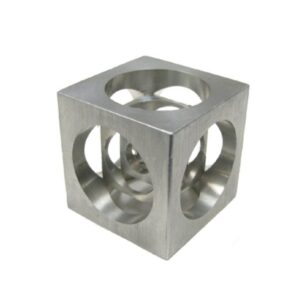
CNC machining produces precise tolerances for critical components.
The final manufacturing route influences not only production costs but also strength, fatigue performance, surface quality, and dimensional accuracy.
Considering material selection and manufacturing methods together allows engineers to achieve the best overall results rather than optimizing one factor in isolation.