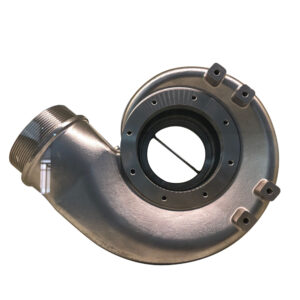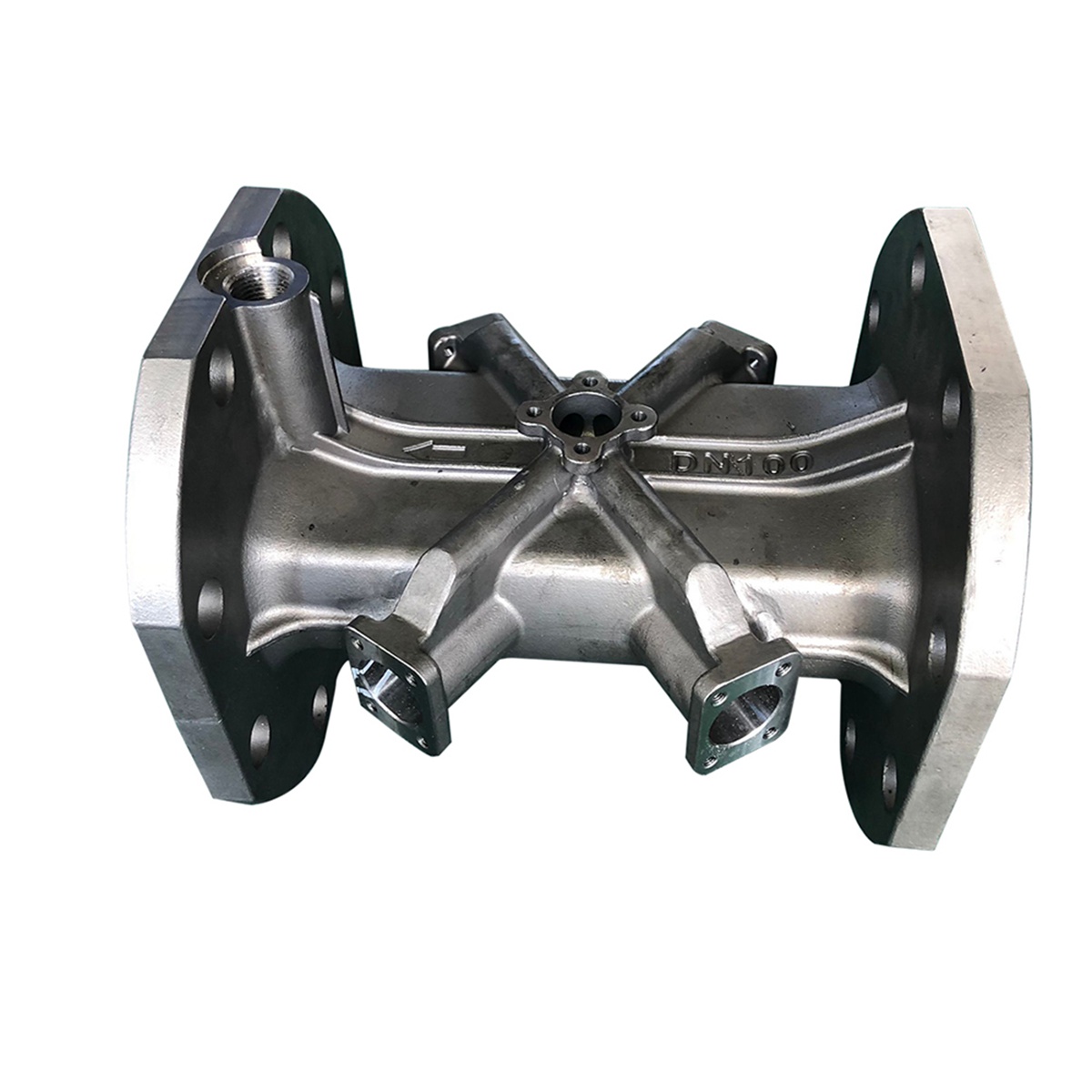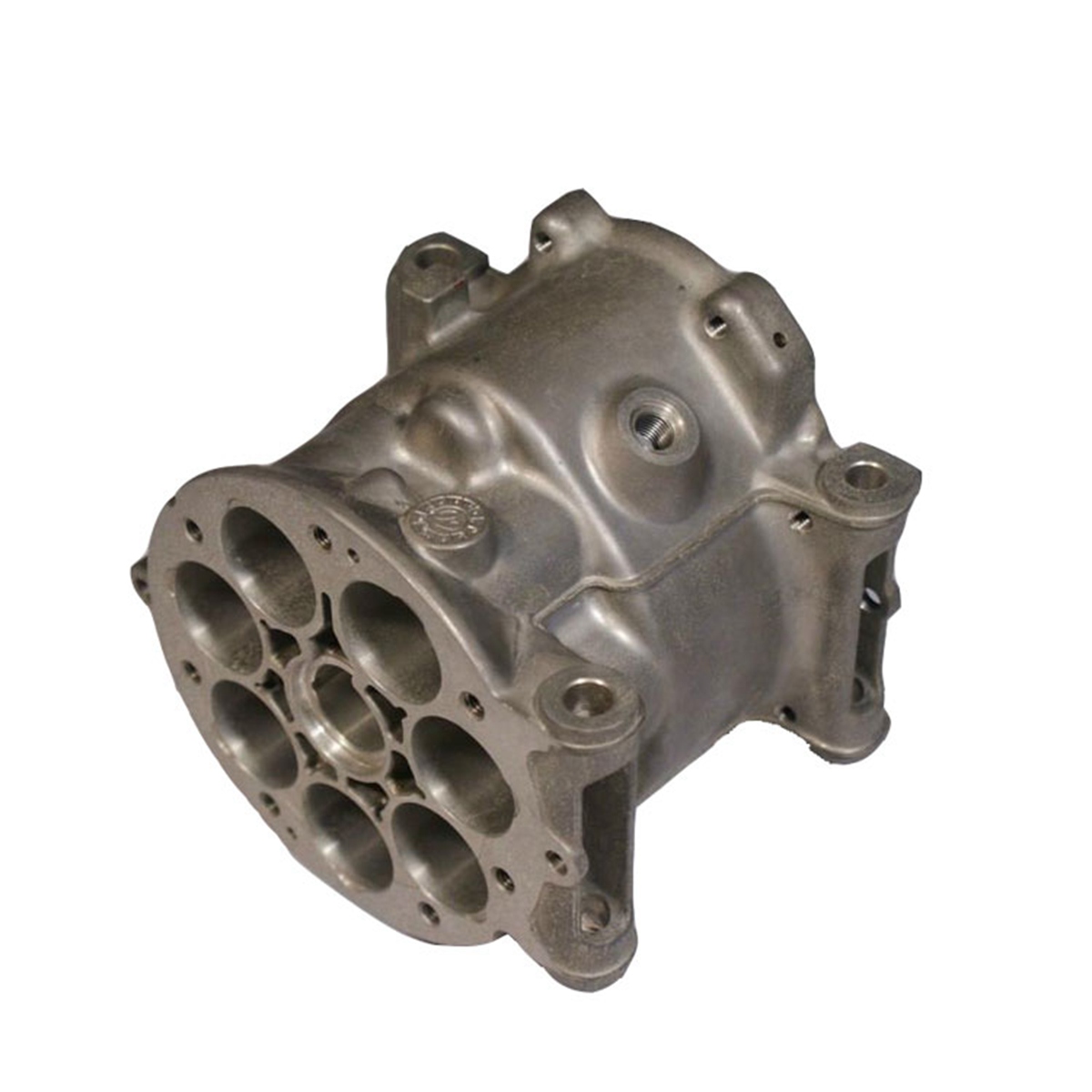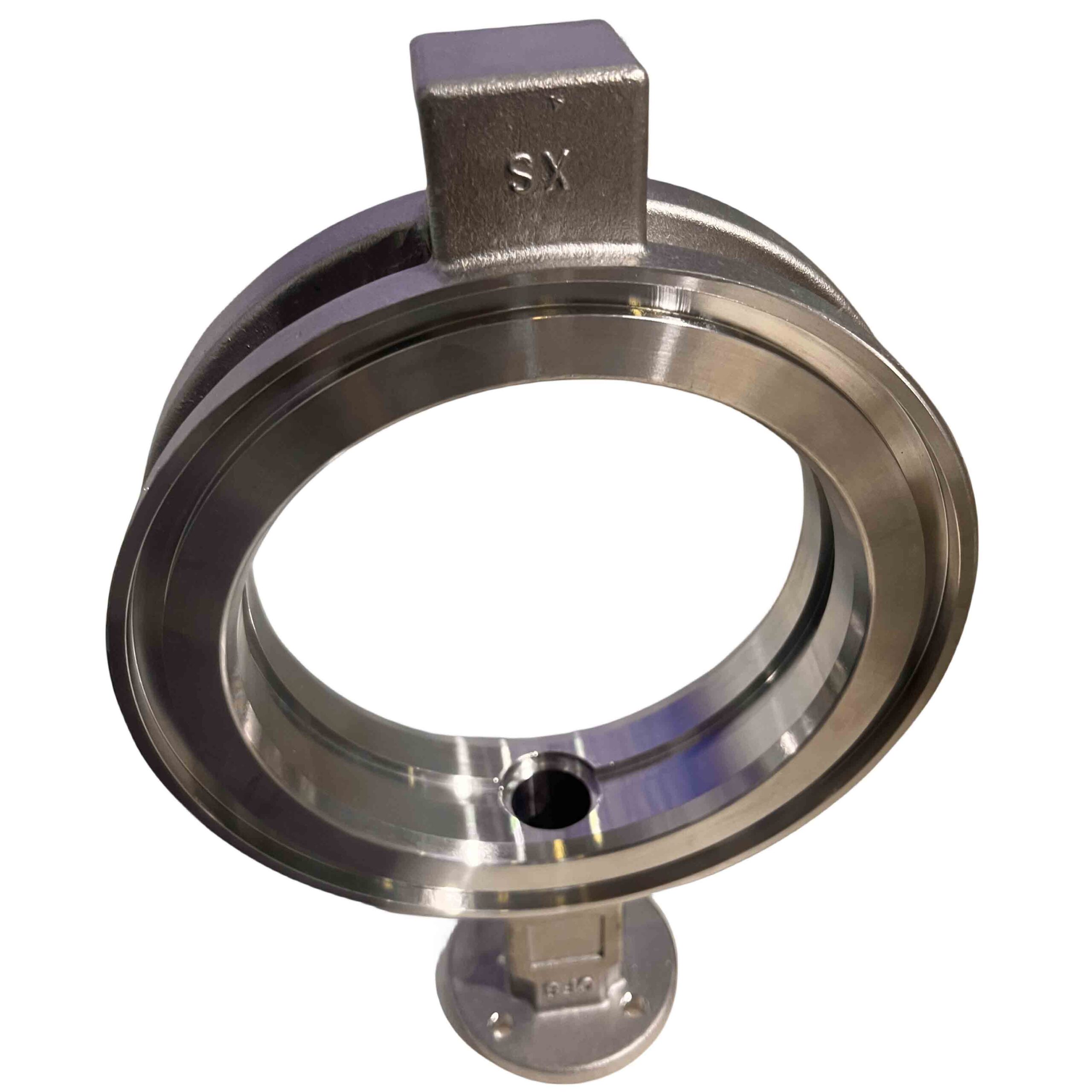
Rapid prototyping for steel castings has become an important approach for manufacturers developing new components that require high strength, complex structures, and reliable performance. Compared with traditional product development methods, rapid prototyping allows engineers to evaluate designs earlier, optimize manufacturing processes, and reduce potential risks before entering full production.
For steel castings, the development stage is especially important because casting defects, structural problems, or design limitations may become costly to correct after mass production begins. By creating and testing prototypes at an early stage, manufacturers can improve product reliability while shortening the overall development cycle.
Reduce Product Development Time
One of the biggest advantages of rapid prototyping for steel castings is the ability to significantly reduce development time. Traditional steel casting projects may require extensive preparation, including tooling production, mold adjustments, and multiple trial castings before achieving the desired result.
Rapid prototyping provides a faster way to evaluate designs by producing initial samples earlier in the process. Engineers can quickly review the physical component, compare it with the original CAD model, and make necessary adjustments before committing to final production.
This faster feedback cycle helps companies accelerate new product development and bring improved components to the market more efficiently.
Identify Design Problems Early
Complex steel castings often involve challenging geometries, uneven wall thicknesses, internal structures, and strict dimensional requirements. Problems that are not identified during the design stage may lead to casting difficulties, additional machining costs, or reduced product performance.
Rapid prototyping for steel castings allows engineers to physically evaluate the design before large-scale manufacturing. Prototype testing can reveal potential issues such as:
Difficult casting areas
Incorrect component dimensions
Insufficient structural strength
Machining challenges
Assembly problems
By identifying these issues early, manufacturers can optimize the design and improve the manufacturability of the final steel casting.
Reduce Manufacturing Risks and Costs
Developing new steel castings involves investment in tooling, production preparation, and process optimization. If design problems are discovered after production begins, companies may face additional costs caused by tooling modifications, production delays, and material waste.
Rapid prototyping helps reduce these risks by allowing manufacturers to verify important design factors before full production. Prototype components provide valuable information about casting behavior, material performance, and required manufacturing adjustments.
For customized steel components, this approach creates a more controlled development process. Customers can confirm the design direction, evaluate performance requirements, and make improvements before placing larger production orders.
Improve Communication Between Engineers and Manufacturers
Another important benefit of rapid prototyping for steel castings is improved communication between product designers and manufacturing teams. A physical prototype provides a clearer understanding of the final component compared with drawings or digital models alone.
Engineers, designers, and casting specialists can review the prototype together, discuss possible improvements, and make decisions based on an actual component. This collaboration helps reduce misunderstandings and creates a smoother transition from product concept to final manufacturing.
Through faster validation, better design communication, and reduced development uncertainty, rapid prototyping provides an effective solution for companies developing high-performance steel casting components.